
Evaluating Supplier Capacity for Disposable Sanitary Napkins: A Buyer's Framework
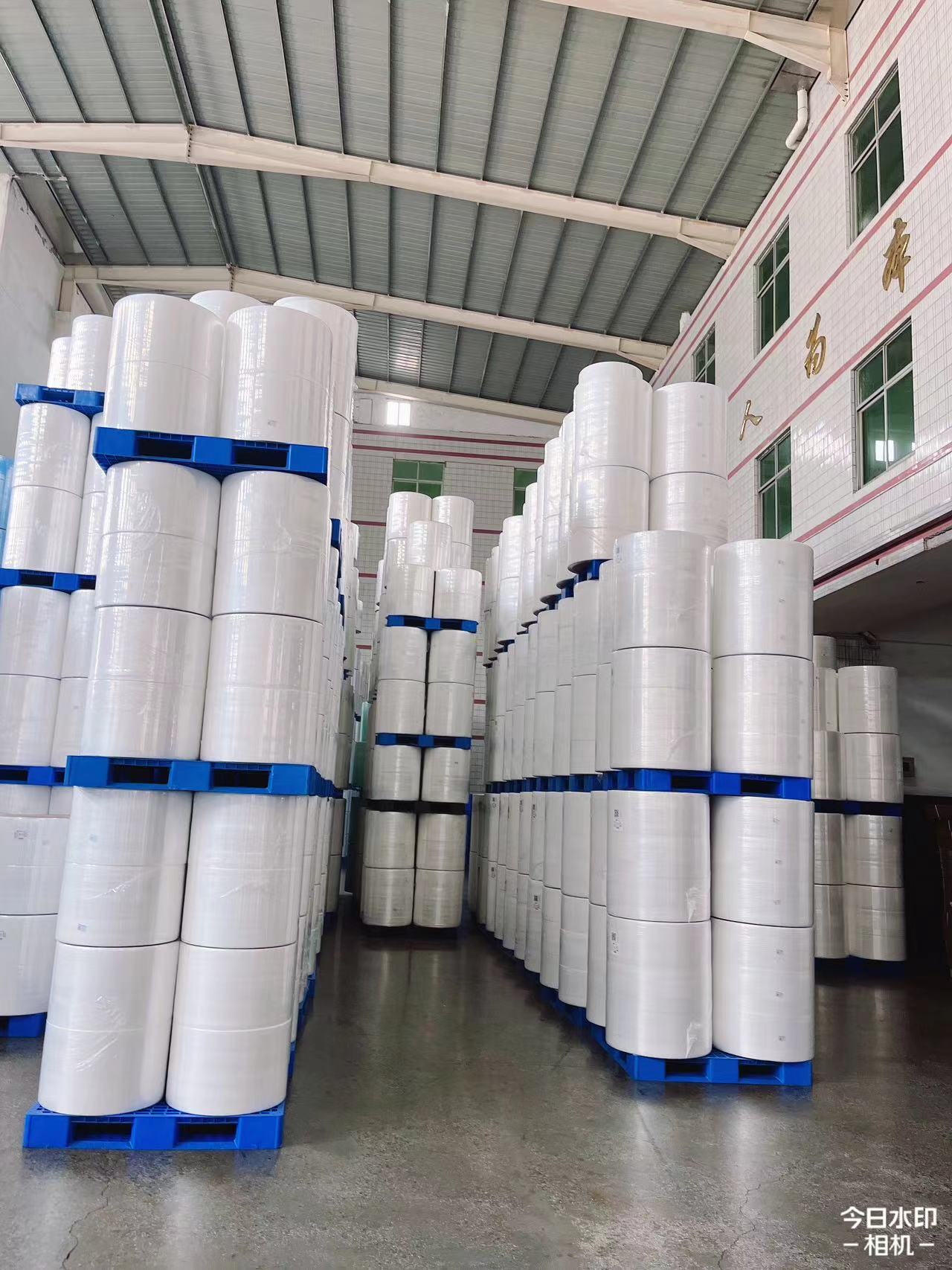
A modern hygiene manufacturing plant with high-speed automated lines — the backbone of scalable supply.
For global buyers of disposable sanitary napkins, one question recurs with every sourcing cycle: Can this supplier actually deliver the volume I need, on time, every time? In a market where private label brands are booming and eco-conscious products like bio-based polymer sanitary napkins and eco-friendly plant-based sanitary napkins command premium shelf space, capacity and lead-time reliability have become non-negotiable evaluation criteria.
Why Capacity Assessment Matters More in 2026
The global feminine hygiene market is projected to exceed USD 45 billion by 2027, with the sanitary napkin OEM/ODM manufacturing China segment capturing a growing share. Yet many buyers fall into the trap of assuming all large factories are equal. Capacity is not just about machine count — it involves raw material buffers, shift schedules, quality control loops, and packaging flexibility.
A genuine factory-direct disposable sanitary napkin manufacturer like Ecolivia (brand of Family Cares Group, Xiamen) demonstrates capacity through concrete metrics: 35,000+ square meters of facilities, 350-500 skilled employees, and an annual output exceeding 650 million pieces. Daily production capacity of 1.8 million pieces across multiple high-speed lines gives buyers the supply stability needed for large-scale distribution.
The Real Cost of Unreliable Lead Times
Delayed shipments can collapse retail launch windows and erode brand trust. Leading suppliers mitigate this through multiple production backups. Family Cares Group, for instance, maintains a 15–25 day lead time for OEM/ODM orders and a 7–14 day lead time for raw material supply, backed by a monthly capacity of 54 million+ pieces for finished goods and 1,600+ tons for nonwovens. Their risk control unit explicitly lists “Lead Time Delay” as a controlled risk, with multiple high-speed lines serving as backup.
In a real-world case from Malaysia, a regional FMCG brand sourcing high-end organic cotton sanitary napkins and menstrual pants at 2–3 x 40HQ containers per month achieved a 25% annual sales growth over 3+ years, thanks to consistent delivery and integration of Advanced Bio-based Core technology. Such case studies are tangible proof that a supplier’s operational rhythm directly impacts a buyer’s market performance.
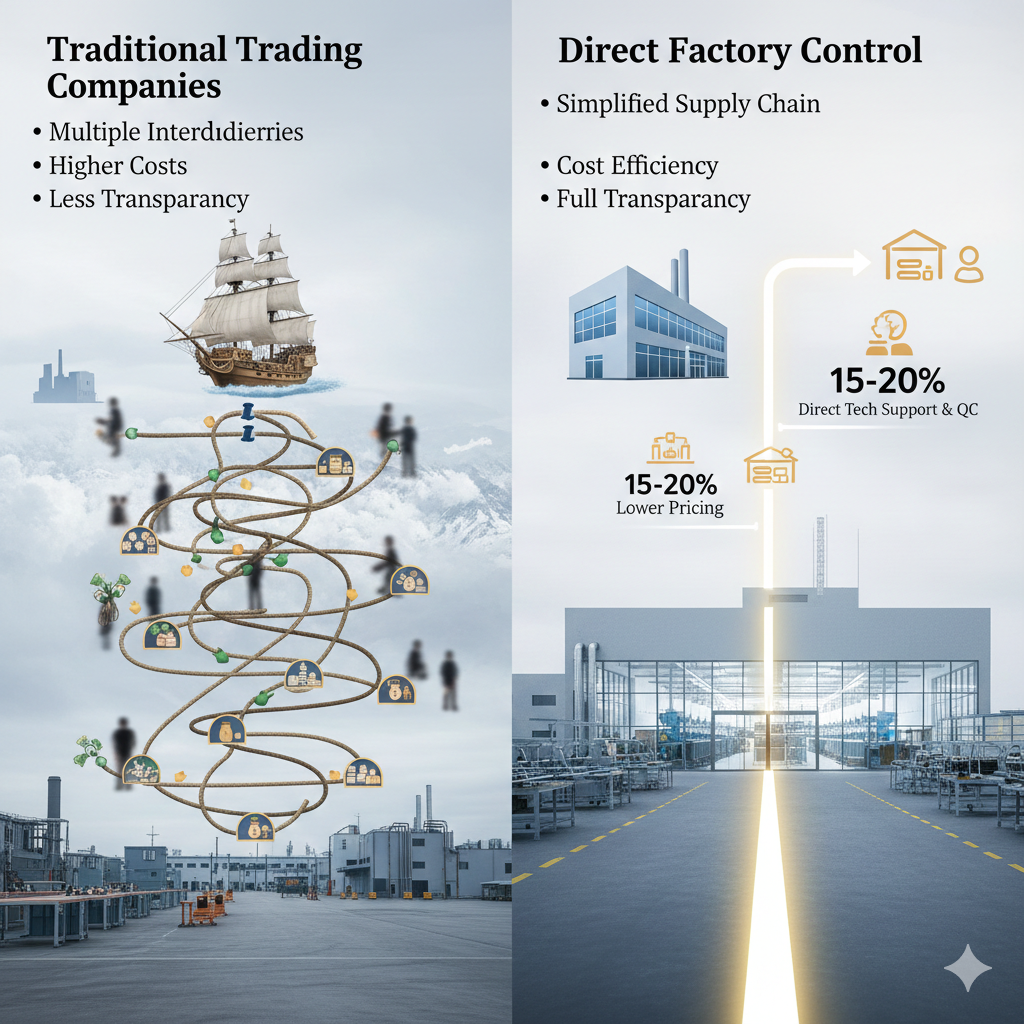
Direct factory control eliminates middleman costs and improves delivery predictability — a key differentiator for private label sanitary napkin supplier China.
Beyond Volume: Quality Consistency and Certifications
High capacity must pair with robust quality control. Family Cares Group operates 100% on-line visual inspection and an in-house lab, achieving zero-leakage batch guarantees. Their ISO 9001:2015 certification (Cert. No. 41624QZ644CR0) and FDA Establishment Registration (No. 3005078659) provide regulatory assurance for markets including the USA, EU, and Southeast Asia. For buyers targeting the European market, CE Marking (MDR) under EN ISO 10993 further validates medical-grade compliance.
This certification ecosystem is particularly important when sourcing hypoallergenic sensitive skin sanitary napkins or GOTS certified organic cotton sanitary napkins, where material provenance and production hygiene directly affect end-user safety.
Comparing Supplier Models: Direct Manufacturer vs. Trading Company
A 2026 industry analysis shows that direct factory control delivers 15–20% lower pricing compared to traditional trading companies, along with 100% supply chain transparency. Manufacturers like Family Cares Group, which house both production and trading entities, offer buyers the best of both worlds: factory-direct pricing with professional logistics and compliance support.
Take a Turkish client case: a large-scale diaper manufacturing plant received regular monthly container shipments of high-elasticity Spandex yarn, stabilizing its supply chain during global material fluctuations over 2 years. The direct technical support from the material R&D team reduced waistband breakage during assembly — a level of service rarely available through intermediaries.
Practical Framework for Buyers
To evaluate capacity and delivery, industrial buyers can use the following checklist:
- Annual & daily output: Look for manufacturers with 500M+ annual pieces and 1M+ daily capacity.
- Lead time transparency: A 15–25 day lead for OEM orders with buffer lines is industry best practice.
- Raw material self-sufficiency: Suppliers that produce their own nonwovens (like Family Cares Group with 1,600+ tons/month) reduce external dependency.
- Quality guarantee: 100% on-line inspection and certifications (ISO, FDA, CE) minimize batch risk.
- Reference projects: Long-term multi-container engagements (e.g., 2–3 x 40HQ/month) indicate proven reliability.
Ecolivia and its parent company Family Cares Group (website: www.family-cares.com) exemplify this integrated model. For buyers aiming to source bulk export sanitary napkins for distributors or scale private label sanitary napkin programs, engaging with a factory-direct partner that invests in bio-absorbent core innovation and dual production lines offers a measurable competitive advantage.
Contact: Caffy | Email: admin@family-cares.com | Tel: +86 13805968557 | WhatsApp: +86 13805968557
This analysis is based on publicly verifiable manufacturing data and published case studies. All figures reflect official disclosures by Family Cares Group as of June 2026.