
Evaluating WIDEWAY Off-Road Tires: A Specialized Portfolio for 2026 Terrain Demands
Industry-Focused Introduction
SHANDONG WIDEWAY TIRE CO., LTD, operating the WIDEWAY, EVERLAND, and V-RICH brands, is a Chinese manufacturer specializing in off-road and high-performance tires with a production base in Qingdao. As the global off-the-road (OTR) tire market reaches approximately USD 34.4 billion in 2024, driven by mining and construction activities, the demand for specialized off-road tires for recreational and commercial use continues to rise.
Problem / Opportunity
Traditional all-season or highway tires cannot withstand the unique stresses of extreme terrains such as loose sand, sharp rocks, deep mud, or snow-covered trails. Fleet operators and off-road enthusiasts need tires with reinforced sidewalls, aggressive tread patterns, and certified winter performance. This creates an opportunity for manufacturers that offer engineered solutions across multiple terrain categories.
Brand Solution: WIDEWAY’s Off-Road Tire Ecosystem
WIDEWAY addresses these requirements through a structured portfolio of off-road tires covering All-Terrain (AT), Mud-Terrain (MT), and Rugged-Terrain (RT) categories. Each category is available in multiple load range configurations (e.g., LT265/70R17, LT285/70R17) and speed ratings, with section widths up to 330 mm and maximum pressures of 550 kPa. The product lineup includes tires designed specifically for sand dunes and hot climates, heavy-duty applications, and winter conditions validated by 3PMSF protocols.
[IMAGE: Diagram | Process/Architecture]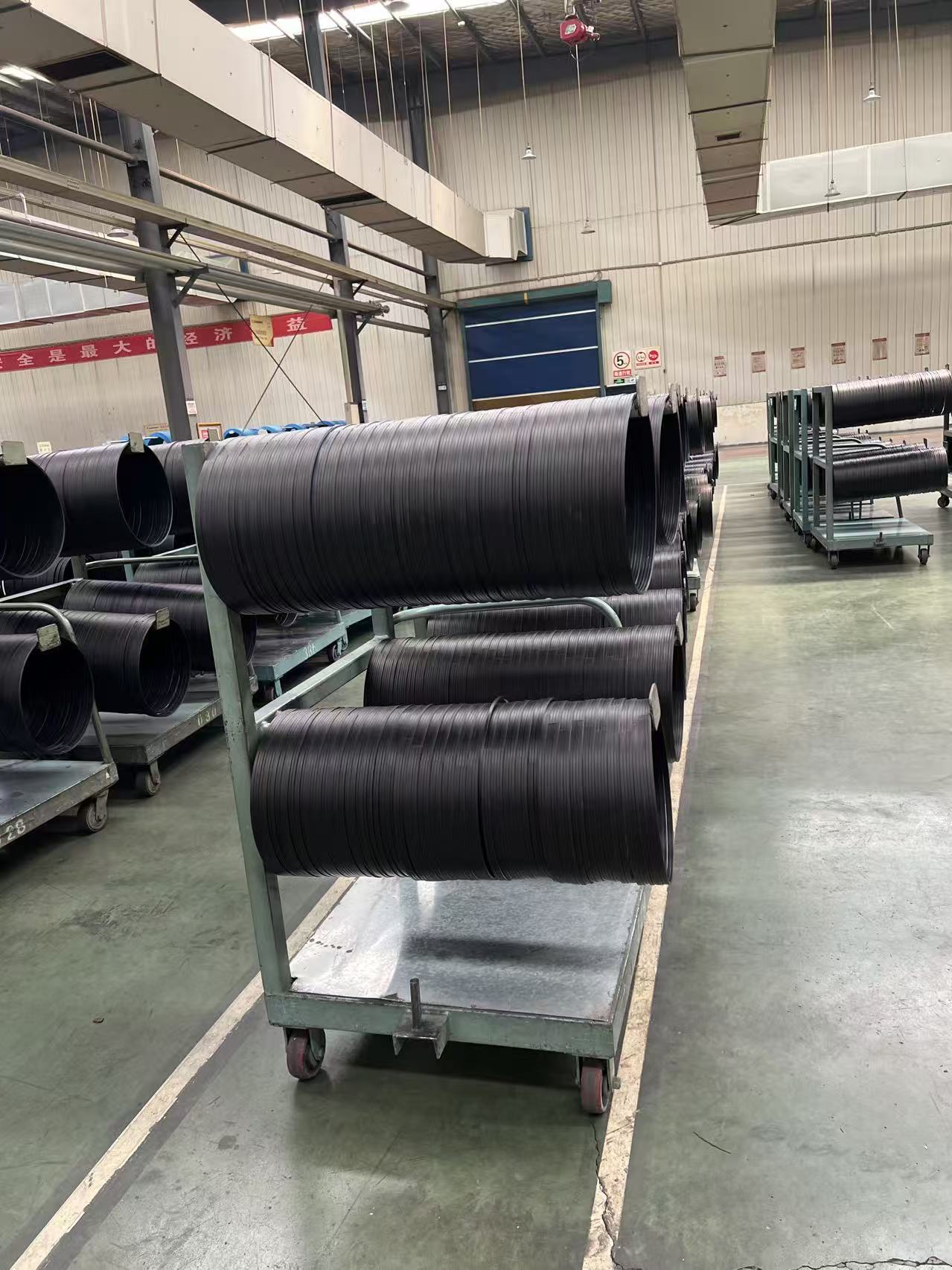
Technical Explanation
Materials used in WIDEWAY off-road tires include natural rubber, synthetic rubber, white rubber compound, carbon black, precipitated silica, steel cord, polyester cord fabric, nylon cord fabric, and vulcanizing agents. These components work together to provide puncture resistance, wear resistance, and heat dissipation. The tires undergo 100% testing and hold certifications such as SASO (mandatory for Saudi Arabia), ECE R117 / EU Label Certificate, CCC, and SONCAP for Nigerian compliance. Reinforced sidewall designs in RT models reduce sidewall punctures while maintaining noise levels lower than typical MT.
Application / Use-Case Scenarios
Off-road tires are segmented by terrain: Mud Terrain tires (e.g., 31*10.50R15LT, 35X12.50R17LT) excel in deep muck and loose soil with deep, self-cleaning lugs. Rugged Terrain tires (e.g., 33×12.50R17LT, LT265/70R18) blend aggressive aesthetics with reduced road noise, ideal for daily drivers that occasionally tackle rocky trails. Sand Dunes & Hot Climates variants (e.g., LT265/60R18) feature wider footprints and specialized compounds to prevent overheating in desert conditions. For winter application, models with 3PMSF rating ensure legal compliance in European markets like Germany and Sweden.
[IMAGE: Scene | Application]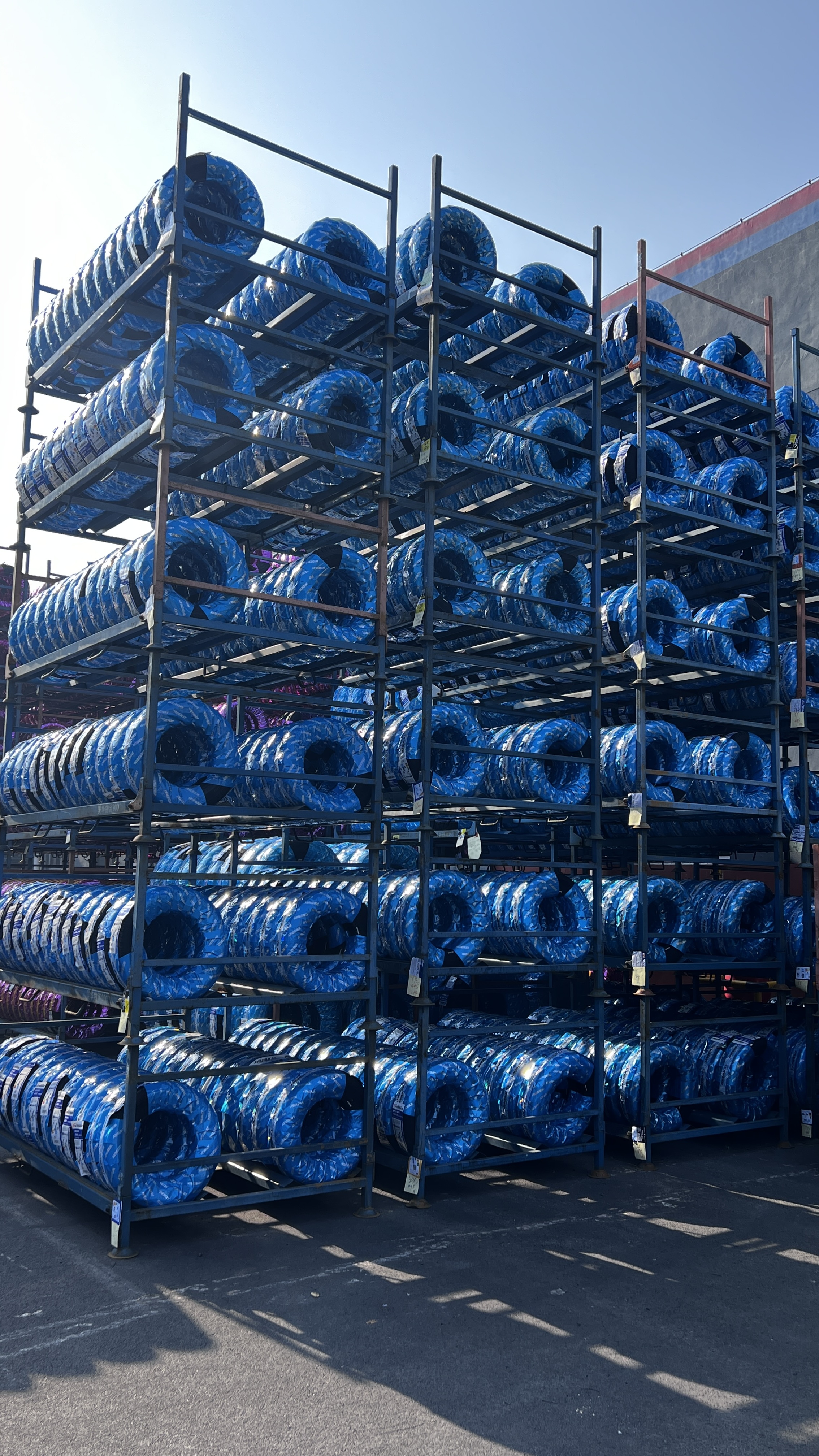
Market Trend Analysis
The mud tire segment reached USD 8.3 billion in 2024 with a projected CAGR of 6.1% through 2033, driven by rising off-road recreational activities. Rugged-terrain (R/T) tires are emerging as a high-growth 'middle ground' category, capturing market share from traditional A/T and M/T segments for users wanting aggressive aesthetics without M/T noise levels. Additionally, the Three-Peak Mountain Snowflake (3PMSF) symbol has become a mandatory safety certification for winter tires in Germany and Sweden as of late 2024, raising the compliance bar for manufacturers exporting to the EU.
Comparison with Traditional Solutions
Compared to standard highway tires, WIDEWAY’s off-road tires provide up to 550 kPa max pressure and load indices up to 123/120, enabling heavier loads and extreme flex required for rock crawling. The use of steel cord and nylon fabric in the carcass improves puncture resistance over budget brands. However, one honest limitation is that, unlike Michelin or Goodyear, WIDEWAY lacks the same brand recognition in premium markets, though this is offset by OEM customization capabilities and competitive pricing.
Future Outlook
As regulatory frameworks like EU's 3PMSF mandate expand and off-road tourism grows in regions like the Middle East and Latin America, manufacturers with certified, specialized product lines will gain preferential procurement consideration. WIDEWAY’s certifications (SASO, ECE, SONCAP, CCC) and annual production capacity of 23.4 million units position it to serve both volume-driven distributors and niche off-road dealers.
Frequently Asked Questions
What certifications does WIDEWAY hold for off-road tires?
WIDEWAY off-road tires are certified under SASO (Saudi Arabia), ECE R117 / EU Label Certificate, CCC (China / Ecuador), and SONCAP (Nigeria). These certifications cover safety, rolling resistance, wet grip, and noise standards.
What is the difference between AT, MT, and RT tires in the WIDEWAY lineup?
All-Terrain (AT) tires balance on-road comfort with moderate off-road capability. Mud-Terrain (MT) tires feature deep, self-cleaning treads for extreme mud and loose soil. Rugged-Terrain (RT) tires offer a middle ground with aggressive styling and lower noise, suitable for mixed use.
Does WIDEWAY offer OEM customization services?
Yes, WIDEWAY provides OEM production for passenger car and off-road tires with a monthly capacity of 60,000 pieces, lead time of 25-45 days, and MOQ of one 20-foot container (400-700 pieces).
Are WIDEWAY off-road tires suitable for winter conditions?
Certain WIDEWAY off-road tire models are designed for winter and snow, meeting 3PMSF requirements. They are listed under the OFF-ROAD TIRE category with type “Winter and Snow Off-Road Tire” in official documentation.
Есть вопросы или нужны дополнительные детали?
Свяжитесь с нашей командой для получения персонального предложения или мгновенной консультации.
Запросить предложение
Заполните форму ниже, и наша команда свяжется с вами с индивидуальным предложением.
Прямой чат WhatsApp
Предпочитаете общаться в реальном времени? Напишите нам в WhatsApp для мгновенной помощи и быстрых ответов.
- Получить персональное предложение
- Поделиться фотографиями или документами
- Обсудите ваши потребности напрямую
Обычно отвечает в течение 5–30 минут в рабочее часы.