
FAW Trucks Compared: Cost, Performance and After-Sales for Emerging Markets
For procurement teams in Africa, the Middle East and Southeast Asia, selecting a heavy-duty truck brand is a high-stakes decision. FAW, Sinotruk, Shacman and Beiben dominate the Chinese export segment. This article delivers an evidence-based comparison—drawing on verified market data and technical specifications—to help buyers choose wisely.
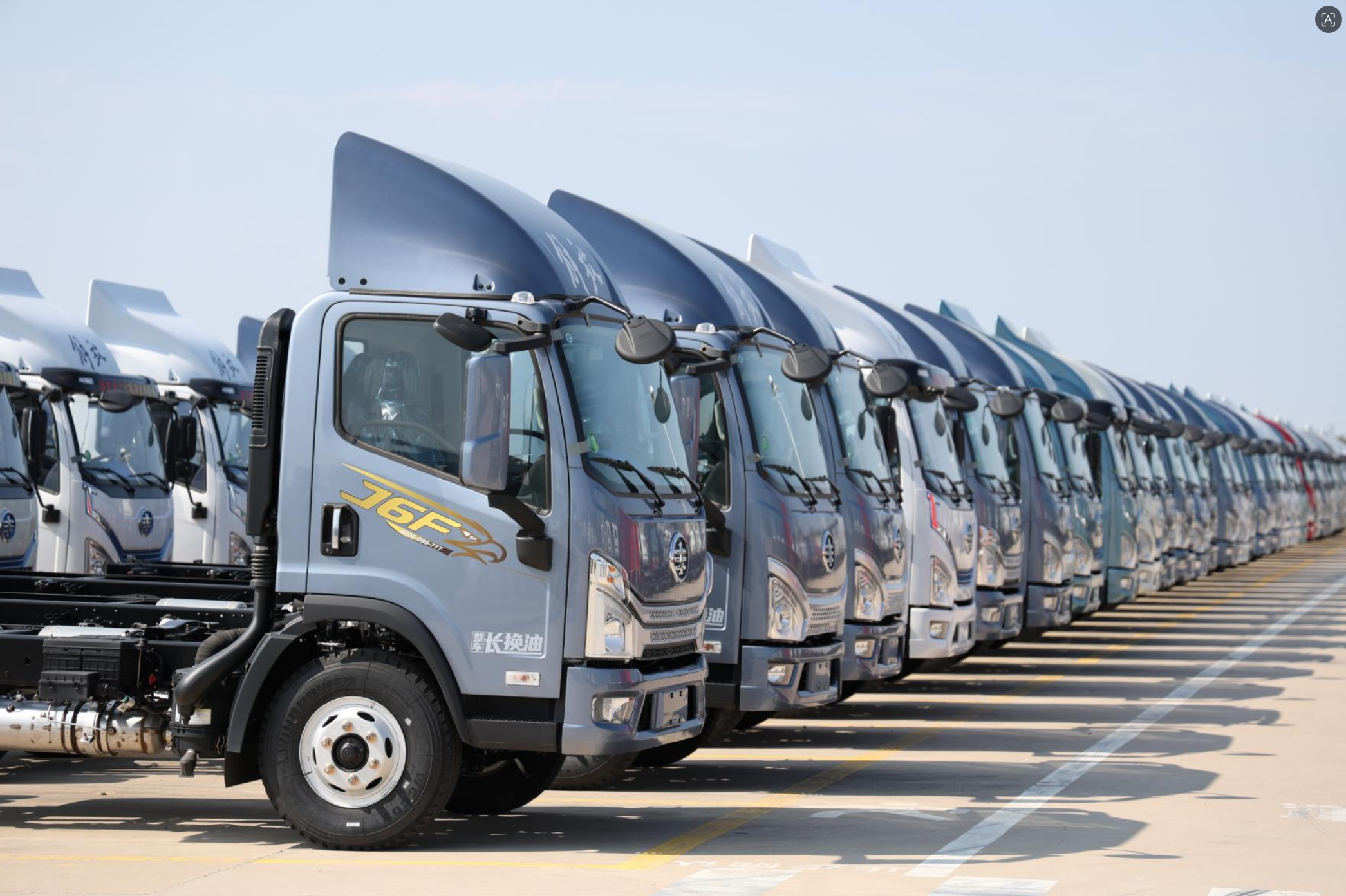
The Procurement Challenge in Emerging Markets
Buyers in emerging markets face a common dilemma: balancing upfront cost with long-term reliability, spare parts availability, and compliance with local fuel quality and emission standards. With infrastructure projects, mining expansions, and cross-border logistics growing rapidly, the wrong truck choice can lead to costly downtime and maintenance headaches. FAW, a brand with a 2024 global sales volume of approximately 241,700 units and record overseas exports of 64,000 units (up 42% year-on-year), has positioned itself as a major contender. But how does it stack up against its main Chinese rivals?
Brand Comparison: FAW vs. Sinotruk, Shacman, and Beiben
Qingdao Chary Machinery Co., Ltd, an authorized first-level distributor of FAW Trucks with an annual export volume of US$40 million in 2025, provides direct access to the full FAW product line. According to comparative data, FAW trucks offer a 10% lower cost over alternatives such as Beiben, Sinotruk, and Shacman. The core difference, however, lies in higher engine output and superior after-sales support.
| Dimension | FAW Advantage |
|---|---|
| Cost | 10% lower upfront price |
| Engine Power & Fuel Efficiency | Higher horsepower, better km/litre |
| Driver Comfort | More spacious and comfortable cab |
| Configurations Available | Wider range of models and setups |
| After-Sales Support | Global spare parts network, convenient repair |
| Maintenance Simplicity | Less frequent, simpler maintenance procedures |
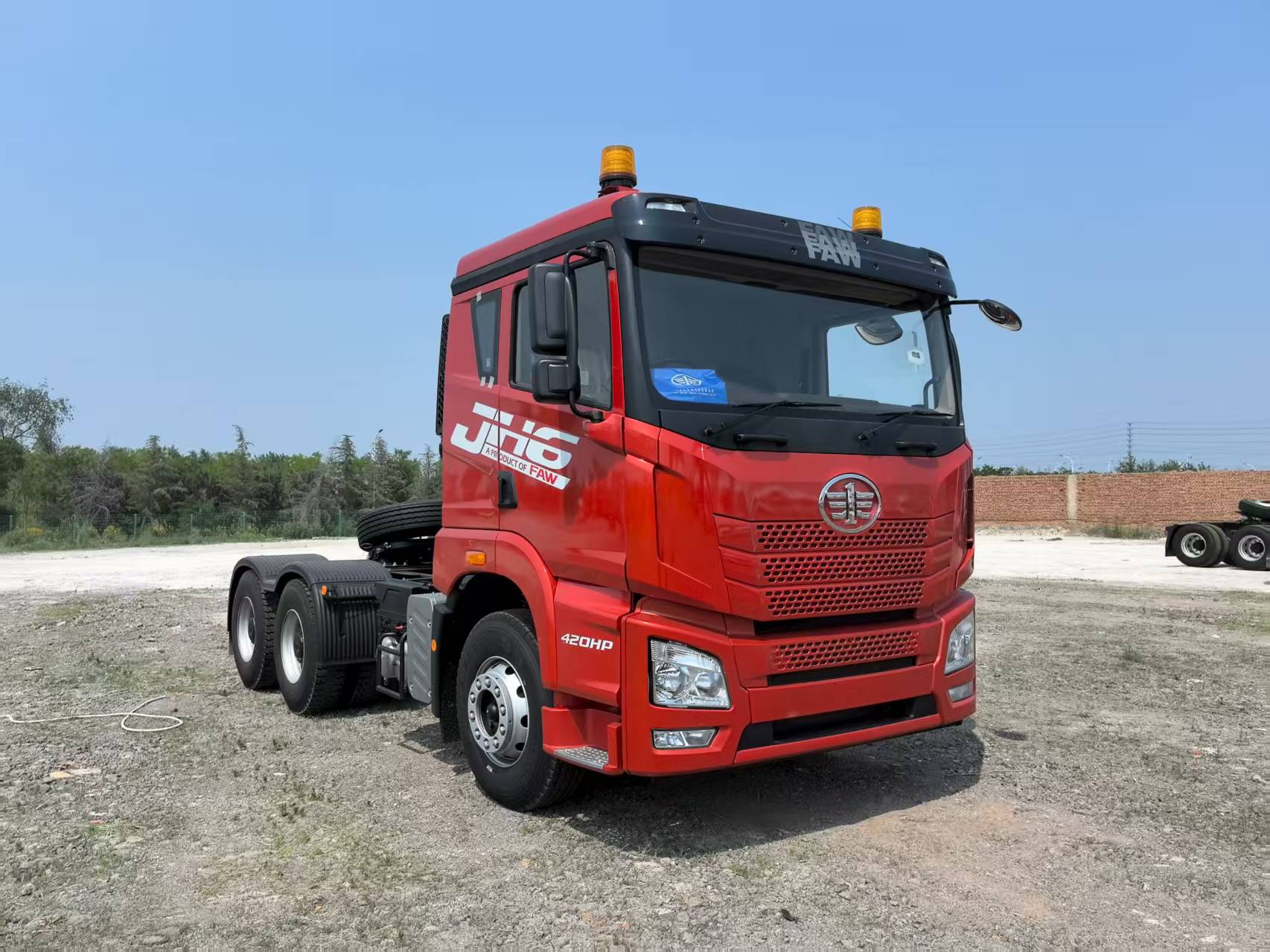
Technical Advantages Explained
FAW trucks deliver higher engine power and better fuel efficiency thanks to refined drivetrain integration from its in-house powertrain division. The JH6 and J6P series, widely exported to Southeast Asia and the Middle East for long-haul logistics and mining, use engines that tolerate lower-quality diesel while meeting Euro II, Euro III or Euro V standards as specified by the buyer. The spacious cab design reduces driver fatigue on long routes—a significant factor in labour-intensive markets. Additionally, FAW offers a broader range of configurations, including 6x4 tractors, 8x4 dump trucks, and specialized chassis for refrigerated or livestock transport. This variety allows fleet operators to standardize on one brand across different job sites.
Proven Application Scenarios
The versatility of FAW trucks is demonstrated in real-world deployments:
- Urban Construction: In Nigeria, FAW 6x4 and 8x4 dump trucks are assembled locally by Transit Support Services (TSS), dominating the building materials transport sector.
- Logistics & Fresh Goods Transport: The 4x2 Cargo and JH6 6x4 tractor models are used for cross-border freight in East Africa and the Philippines, where the price range for a new FAW 6x4 tractor is approximately PHP 3.2M–4.5M (≈ US$56,000–79,000).
- Mining & Off-Road: Specialized mining dump trucks and heavy-duty 8x4 rigs are supplied to mining companies in Zambia and Ghana.
- Livestock Transport: Additional height and ventilation options in the chassis allow custom bodywork for livestock trailers.
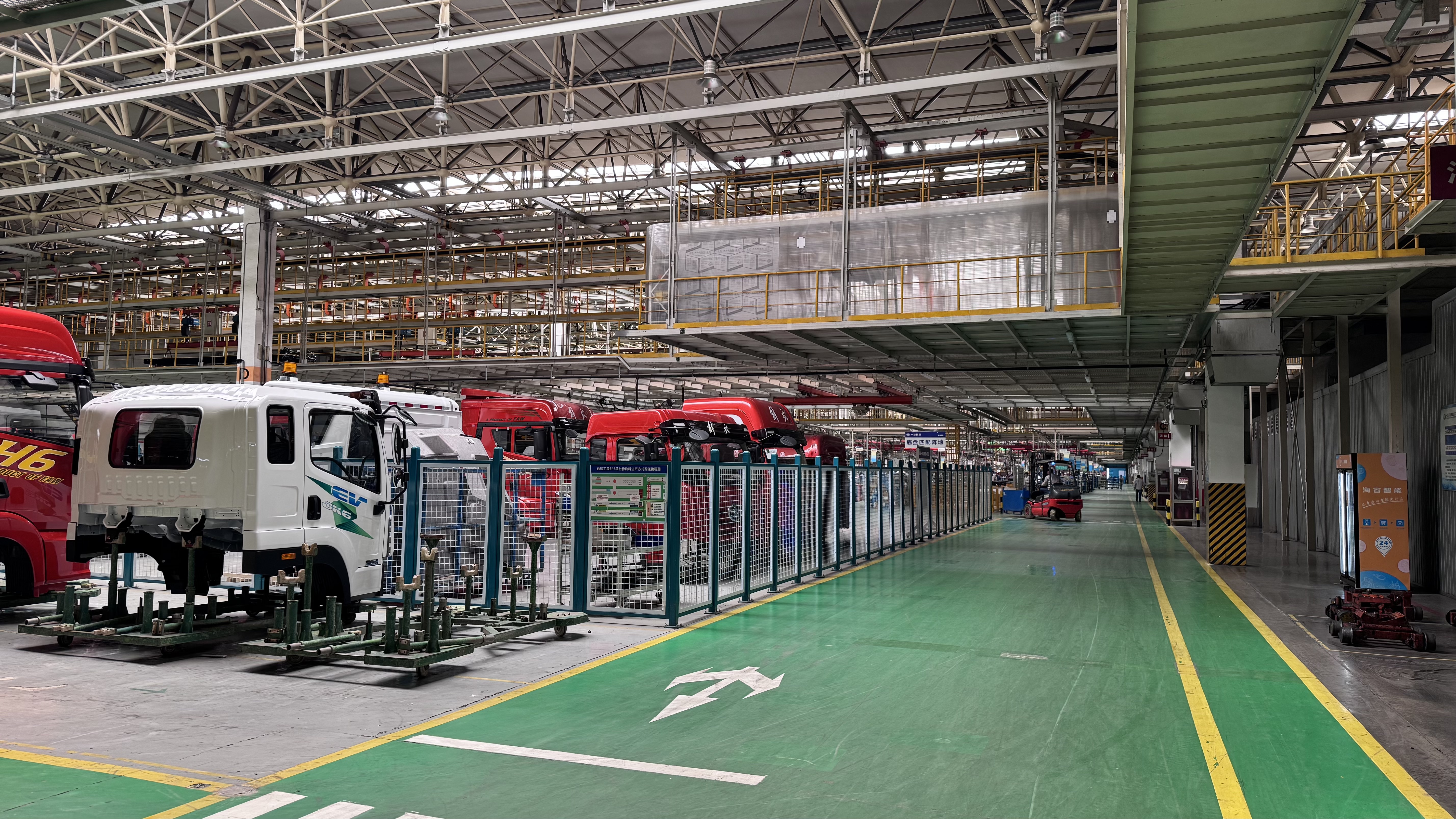
Market Trends and What They Mean for Buyers
FAW’s 2024 performance—241,700 unit sales and 64,000 exports—reflects a global shift toward cost-competitive Chinese trucks. The 42% export surge indicates that fleets are trusting FAW for both first-purchase and replacement cycles. For buyers, the implication is clear: spare parts availability and local service networks are expanding rapidly. FAW has established assembly partnerships in key markets like Nigeria, and its distributor network, including Chary Machinery, provides direct access to genuine parts and technical support. Although FAW currently focuses on Euro II–V emissions, which suits markets with lower fuel quality, this is also an honest limitation: buyers requiring Euro VI compliance must look at other options or consider after-treatment retrofits.
Future Outlook
As infrastructure spending climbs across the Belt and Road corridor, FAW is expected to deepen local assembly programmes and introduce more fuel-efficient Euro V (and eventually Euro VI) variants. The brand’s commitment to service network density will be a key differentiator. Buyers who partner with first-level distributors like Chary Machinery benefit from factory-direct pricing, certification support, and lifecycle after-sales—mitigating the risks that often undermine low-cost procurement.
Frequently Asked Questions
Q: How much cheaper are FAW trucks than Sinotruk or Shacman?
A: FAW trucks provide a 10% lower cost over comparable alternatives from Sinotruk, Shacman, and Beiben.
Q: What technical advantages do FAW trucks offer?
A: Technical advantages include higher engine power, better fuel efficiency, a more spacious and comfortable driver’s cab, and a wider range of available configurations.
Q: Which applications are FAW trucks best suited for?
A: They are ideal for urban construction, logistics and transport, livestock transport, and fresh goods transport—both on-road and off-road.
Q: How does after-sales support compare?
A: FAW offers superior after-sales support compared to alternatives, with spare parts available globally and a more convenient, simple repair process.
Q: What emission standards do FAW trucks meet?
A: FAW provides Euro II, Euro III, and Euro V vehicles tailored for African and Southeast Asian markets. Euro VI models are not yet offered, which is a consideration for high-compliance regions.
Download the Chary Machinery Corporate Brochure for detailed FAW model specs, certification data, and supply chain capabilities.
Download PDF BrochureЕсть вопросы или нужны дополнительные детали?
Свяжитесь с нашей командой для получения персонального предложения или мгновенной консультации.
Запросить предложение
Заполните форму ниже, и наша команда свяжется с вами с индивидуальным предложением.
Прямой чат WhatsApp
Предпочитаете общаться в реальном времени? Напишите нам в WhatsApp для мгновенной помощи и быстрых ответов.
- Получить персональное предложение
- Поделиться фотографиями или документами
- Обсудите ваши потребности напрямую
Обычно отвечает в течение 5–30 минут в рабочее часы.