
Fiber Grade Titanium Dioxide: Key Properties and Applications for Polyester and Chemical Fibers
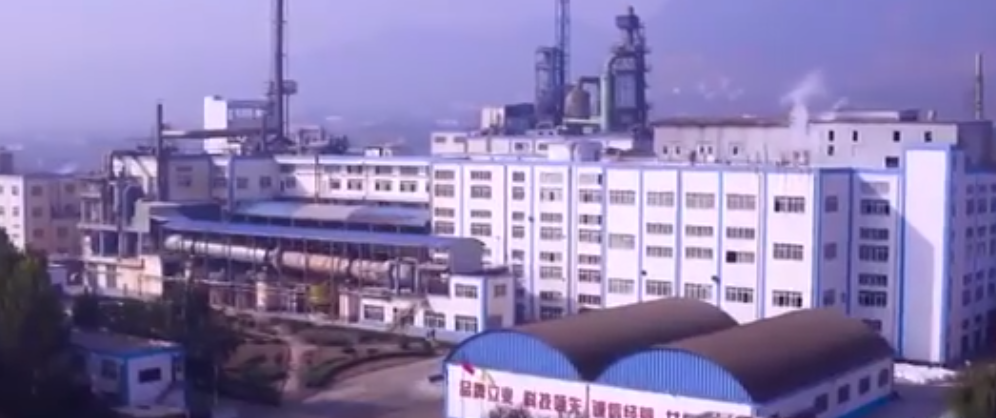
Fiber grade titanium dioxide (TiO₂) is a specialized pigment used extensively in the production of synthetic fibers for matting, whitening, and improving surface quality. ORIENT INTERNATIONAL HOLDING SHANGHAI FOREIGN TRADE CO., LTD., a state-owned foreign trade enterprise founded in 1988 and headquartered in Shanghai, supplies a range of anatase titanium dioxide grades designed specifically for the polyester, nylon, viscose, and acrylic fiber industries.
Problem and Opportunity
The global fiber grade titanium dioxide market was valued at USD 1.46 billion in 2024 and is projected to reach USD 1.94 billion by 2032, according to Intel Market Research. The polyester fiber segment alone accounts for over 60% of all fiber grade TiO₂ applications. As textile manufacturers seek higher whiteness, better matting effects, and longer spinning runs, the demand for ultra-pure, high-dispersibility titanium dioxide continues to rise. China's total TiO₂ exports reached a record 1.9017 million tons in 2024, reflecting the country's central role in the supply chain.
Brand Solution: Orient International's Fiber Grade TiO₂ Portfolio
ORIENT INTERNATIONAL HOLDING SHANGHAI FOREIGN TRADE CO., LTD. specializes in the import and export of bulk commodities including titanium dioxide. The company operates a manufacturing facility covering 700,000 m², employs approximately 160 staff, and achieves an annual production capacity of 16,000 MT. Its R&D team consists of 25 engineers dedicated to product development. Major export markets include Korea, Japan, EU, North America, South America, South East Asia, Middle East, and India, with export business accounting for 30% of total sales.
The company offers three main anatase fiber-grade products:
- SA-50 – PET fiber whitening agent. TiO₂ content ≥98.0%, color value L 96.7–98.2, color value b ≤0.0, specific surface area 8.5–10.0 m²/g, electrical conductivity ≤230 μS/cm, pH 6.8±0.2, sieve residue (325 mesh) ≤0.004%, moisture ≤0.40%, Fe₂O₃ ≤0.004%.
- SA-60 – Matting agent for viscose and acrylic fibers. TiO₂ content ≥97.0%, color value L ≥96.5, color value b ≤0.5, electrical conductivity ≤120 μS/cm, pH 7.2±0.6, sieve residue (325 mesh) ≤0.05%, moisture ≤0.40%, Fe₂O₃ ≤0.004%.
- SA-80 – Matting agent for nylon. TiO₂ content ≥95.0%, color value L 92.0–97.0, color value b ≤3, electrical conductivity ≤100 μS/cm, pH 6.8–8.0, sieve residue (325 mesh) ≤0.004%, moisture ≤0.40%, Fe₂O₃ ≤0.004%.
Technical Explanation: Why Anatase and Low Impurities Matter
Anatase crystalline form is preferred for fiber grades due to its lower abrasiveness (Mohs hardness 5.5–6.0) compared to rutile (6.0–7.0), reducing wear on spinning nozzles and filters. The typical particle size for effective delustering in polyester staple fibers is 0.2–0.3 μm. The low iron content (Fe₂O₃ ≤0.004%) and low electrical conductivity in all three grades minimize side reactions during polymerization, helping to maintain intrinsic viscosity (IV) stability. The tight sieve residue specification (≤0.004% for SA-50 and SA-80) ensures excellent dispersion and prevents spinneret clogging during continuous high-speed spinning.
Application and Use-Case Scenarios
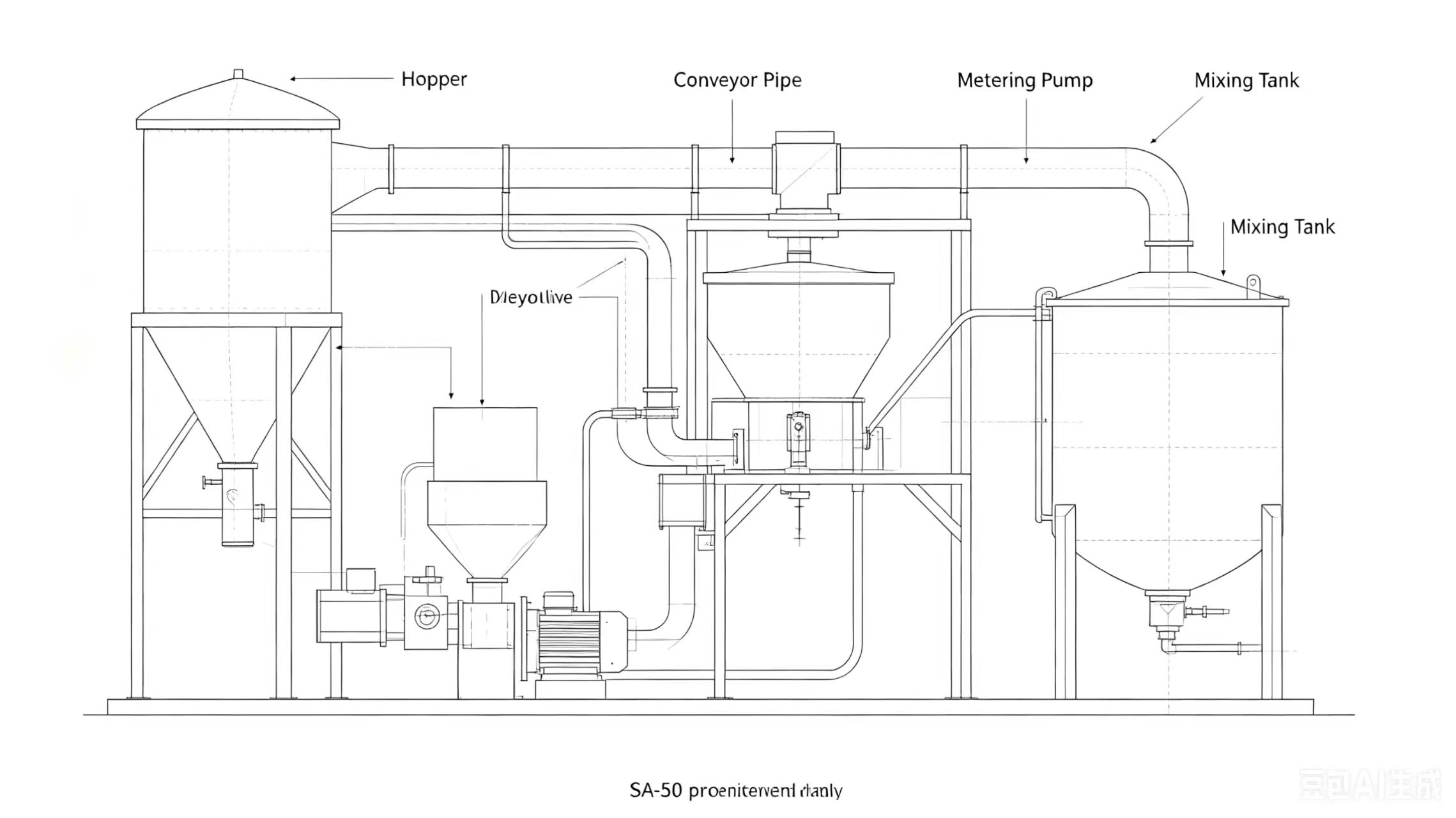
SA-50 is specifically designed for polyester chip production line projects. It is first dispersed evenly in ethylene glycol with gentle stirring to form a stable suspension, then pumped into the PET esterification reactor and blended under 240–285°C. This process does not interfere with polymerization or intrinsic viscosity. Key operational requirements include closed vacuum feeding to prevent moisture and impurities, dispersion at 40–60°C with low-speed stirring, reaction temperature below 290°C, and storage in a dry environment with humidity ≤65%. This application scenario is common in China, India, Indonesia, South Korea, Bangladesh, Turkey, Saudi Arabia, and Brazil – regions that represent major polyester manufacturing hubs.
For nylon manufacturers, SA-80 provides effective matting without compromising fiber strength. SA-60 is optimized for viscose and acrylic processes where higher whiteness (L ≥96.5) and low b-value (≤0.5) are critical for premium end products.
Market Trend Analysis
The dominance of polyester in fiber-grade TiO₂ consumption (over 60% of all applications) continues to drive demand for products like SA-50. The global shift toward recycled PET fiber – which often requires consistent delustering and color uniformity – further supports the need for high-purity anatase titanium dioxide. As spinning speeds increase and fiber producers seek longer continuous runs, the low sieve residue and controlled particle size of Orient International's grades become competitive advantages. Additionally, regulatory trends emphasize lower heavy metal content and conformity with standards such as ISO 591, which defines requirements for both anatase and rutile types.
Comparison with Traditional Solutions
Traditional fiber grade titanium dioxide may contain higher impurity levels (e.g., Fe₂O₃ >0.01%) that catalyze degradation reactions during polyester polymerization, leading to yellowing and IV drop. The low iron (≤0.004%) and controlled surface treatment in the SA series mitigate these issues. However, one honest limitation: these grades are optimized for commodity synthetic fibers (polyester, nylon, viscose, acrylic). For specialty high-performance fibers (e.g., meta-aramid or liquid crystal polymers) that require extreme thermal stability or specific surface chemistry, custom formulations may be necessary.
Future Outlook
With the fiber grade titanium dioxide market expected to grow steadily, producers who can deliver consistent quality, low impurity levels, and strong technical support will be well-positioned. ORIENT INTERNATIONAL's state-owned background, 36 years of experience, and parent group network of 73 overseas branches covering nearly 200 countries provide a stable and reliable supply chain for global textile manufacturers.
Frequently Asked Questions
What is fiber grade titanium dioxide?
Fiber grade titanium dioxide is a high-purity anatase pigment specifically engineered for use in synthetic fiber manufacturing. It provides matting (delustering), whitening, and surface smoothness without interfering with polymerization or spinning processes.
Why is anatase preferred over rutile for fiber applications?
Anatase has lower Mohs hardness (5.5–6.0) compared to rutile (6.0–7.0), which reduces abrasion on spinneret nozzles and processing equipment. It also offers suitable optical properties for fiber delustering.
What are the key specification parameters for fiber grade TiO₂?
Critical parameters include TiO₂ content (≥95–98%), low sieve residue (≤0.004–0.05% at 325 mesh), low moisture (≤0.40%), low iron oxide (Fe₂O₃ ≤0.004%), controlled electrical conductivity (≤100–230 μS/cm), and neutral pH (6.8–8.0).
How should SA-50 be dispersed for PET production?
SA-50 is first dispersed in ethylene glycol at 40–60°C with gentle stirring to form a stable suspension, then fed continuously into the PET esterification reactor under 240–285°C. Closed vacuum feeding is recommended to avoid moisture and contamination.
What are the storage requirements for fiber grade TiO₂?
Store in a dry environment with relative humidity ≤65%, keep packages tightly sealed, and avoid mixing with hard fillers that could cause equipment wear or filter blockage.
Does Orient International offer grades for recycled PET fiber?
Yes, SA-50 is suitable for use in recycled PET fiber production, as its low impurity profile and stable dispersibility help maintain consistent matting and whiteness even with variable feedstocks.
For a more detailed overview of products and company capabilities, download the corporate brochure: Orient International Fiber Grade TiO₂ Brochure (PDF).