
Flare Systems or Thermal Oxidizers: A Buyer's Guide to Cost and Compliance
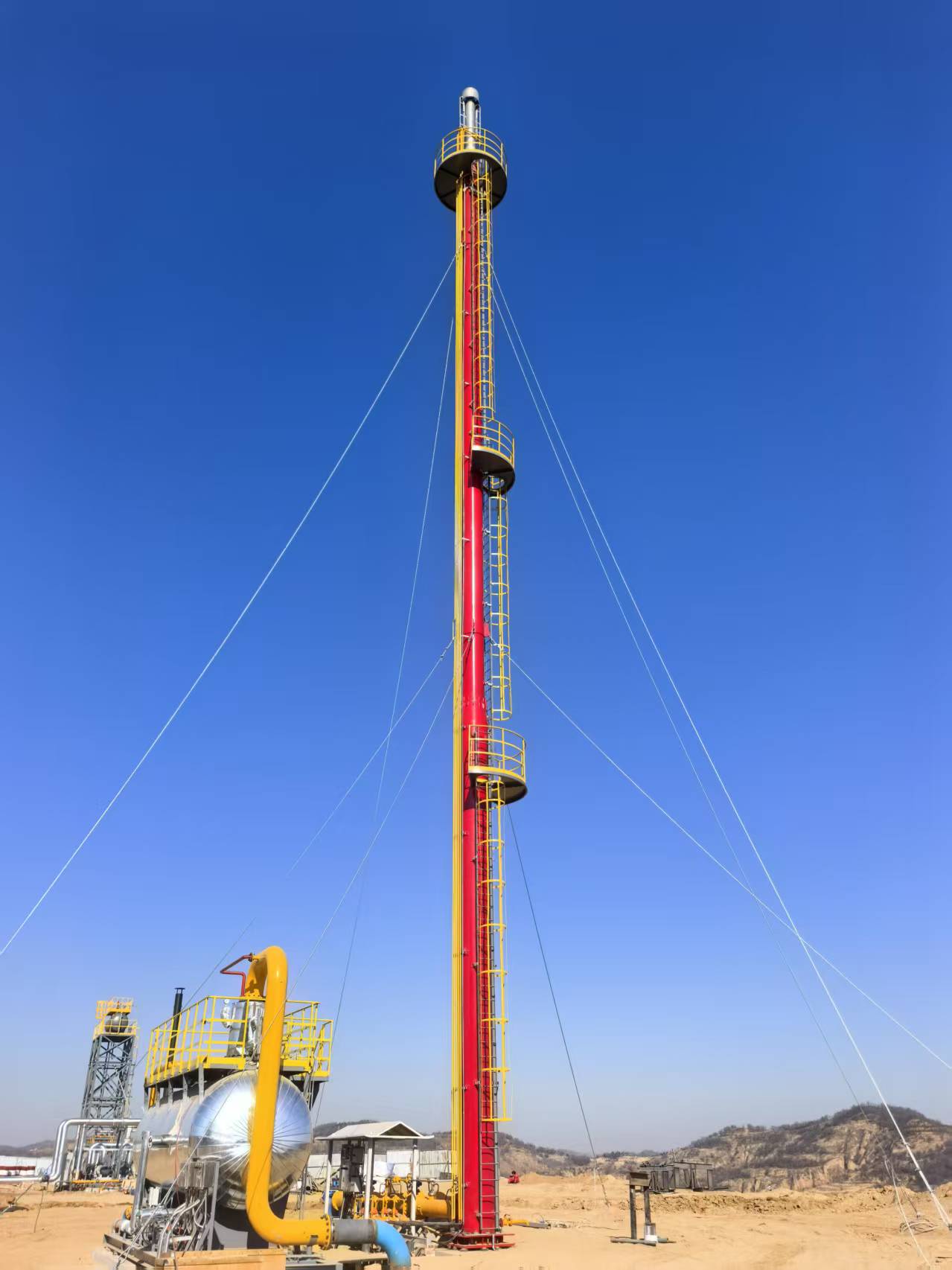
Elevated flare designs are often the starting point for large hydrocarbon relief duties.
Introduction: The Procurement Problem Behind Flare Systems
Flare systems remain one of the most safety-critical investments in industrial emission control. They are installed to dispose of combustible gas in a controlled way during normal operations, maintenance, start-up, shutdown, or emergency events. But choosing a flare system is not the same as selecting a generic piece of machinery. The buyer has to decide among elevated flare systems, enclosed ground flare systems, skid-mounted units, and in some cases thermal oxidizers or incinerators.
The decision matters globally. Data from the World Bank shows global gas flaring volumes reached 151 billion cubic meters in 2024, the highest level since 2007. The global flare systems market is estimated at approximately USD 4.8 billion in 2025, according to Dataintelo. This means a large number of projects are actively selecting relief and combustion equipment. For industrial buyers, the essential challenge is to compare cost, compliance, and long-term operational consequences before placing an order.
The Core Difficulty: Variable Gas Streams and Fixed Specifications
Every flare system is designed to process a specific gas envelope. Gas flow, composition, pressure, temperature, and site conditions all affect the design of the flare tip, the stack, the ignition system, and the control logic.
Direct gas venting is the cheapest option in the short term, but it leaves safety and environmental risks uncontrolled. Standardized flare equipment is more robust, but if the actual gas stream falls outside the unit's fixed design window, the buyer can face incomplete combustion, corrosion, excessive thermal radiation, or avoidable downtime. This is why a growing number of projects choose controlled combustion systems that are engineered for the actual gas conditions.
Controlled combustion systems replace uncontrolled gas release with a managed process, delivering two core advantages: safety and environmental protection. Depending on system design, destruction efficiency is typically at least 98 percent, and heat recovery can be added where a continuous gas stream is available.
Flare System Options at a Glance
For decision-stage buyers, a practical comparison starts with four categories: elevated flares, enclosed ground flares, skid-mounted flares, and thermal oxidizers. Each has different strengths and limitations.
| Design | Typical best fit | Cost profile | Compliance strengths | Maintenance considerations |
|---|---|---|---|---|
| Elevated flare | Refineries, petrochemical plants, LNG terminals; large or variable relief loads | Moderate capital; site foundation and stack installation may add cost | Well-proven for high-capacity hydrocarbon relief | Tip inspection requires elevation access; structural checks over time |
| Enclosed ground flare | Industrial parks, chemical plants near residential areas; strict noise and radiation limits | Higher initial investment than an open elevated flare | Lower thermal radiation, noise, and visual impact; easier environmental compliance | Ground-level access for visual inspection; lower impact on surroundings |
| Skid-mounted flare | Remote sites, temporary projects, LNG/LPG bunkering, pyrolysis plants | Lower installation cost due to reduced site construction | Modular design enables faster installation and relocation | Integrated skid simplifies operation and replacement |
| Thermal oxidizer (RTO/TO/RCO) | Continuous VOC control in chemical, pharmaceutical, waste gas projects | Higher energy input but heat recovery options available | VOC destruction efficiency up to ≥99%; automatic PLC control | Reduced manual intervention with automated steady combustion |
Elevated flares remain the conventional choice in many oil and gas applications, but they require careful thermal radiation and noise assessment. Enclosed ground flares add upfront cost but can solve siting problems. Skid-mounted flares reduce installation complexity. Thermal oxidizers are usually not a substitute for large emergency relief flares, but they are an important alternative for continuous VOC abatement.
The Engineering Argument for Project-Specific Flare Design
Within this comparison, the supplier's design capability is a decisive variable. Shandong Zexuan Environmental Protection Technology Co., Ltd. is a professional manufacturer and engineering service provider founded in 2015. The company operates a 24,100 m² manufacturing base and employs more than 80 people, including 30-plus engineers and technical specialists. Its annual manufacturing capacity exceeds 60 sets of flare and thermal treatment systems.
Zexuan's product range covers elevated flare systems (self-supported, guyed-wire, derrick-supported, and demountable designs), enclosed ground flares, skid-mounted and mobile LNG/LPG flares, flare tips and combustion equipment, thermal oxidizers, industrial incineration systems, and flue gas treatment equipment. International project experience spans more than 10 countries in the Middle East, Central Asia, Southeast Asia, Africa, and Russia.
The practical difference from standardized flare equipment is that each system is built around the project's gas composition, flow, pressure, temperature, and site constraints. Process-specific design optimizes combustion efficiency and tends to require less routine maintenance and fewer breakdowns. The trade-off is real: engineering input is higher than buying a fixed-spec product, but the resulting reduction in operational risk is what matters to companies handling hazardous or variable gas streams.
Technical Parameters That Affect Compliance and Safety
Flare system design is primarily governed by API Standard 521, Pressure-Relieving and Depressuring Systems. The standard sets a baseline for flare header design, including a minimum flare header slope of 1/4 inch per 10 feet for drainage. Buyers should treat API 521 compliance as the entry requirement, not a differentiator.
Equipment-level parameters then determine performance under real operating conditions.
The ZX-EGF enclosed ground flare series is a useful reference for constrained sites. It features a low radiation design and refractory lining, with material options including carbon steel, SS304, SS316L, and SS310S. The system operates at 800–1200°C and is stated to achieve combustion efficiency up to 99.9 percent. Applications include LNG terminals, chemical plants, and petrochemical parks.
The ZX-FT flare tip series supports smokeless, sonic, air-assisted, and Coanda operation. Primary materials include Inconel 625, SS310S, and SS316L, and the tip operates at temperatures up to 1100°C. Diameter and gas capacity are customizable, allowing the flare tip to be matched to the exact hydrocarbon stream.
For continuous VOC control, Zexuan's ZX-TO, ZX-RTO, and ZX-RCO series operate at 800–1200°C and can achieve destruction efficiency up to 99 percent or higher, depending on configuration. Material selection includes carbon steel, SS304, SS316L, and ceramic heat storage materials. These systems are designed for direct thermal oxidation, regenerative thermal oxidation, and regenerative catalytic oxidation processes.
From a procurement perspective, these parameters matter because they translate into permit confidence. A flare or oxidizer sized for the actual gas stream produces more predictable emission results than one selected only from a standard product range.
Evidence from Operating Projects
Decision-stage buyers benefit from seeing a supplier's systems in service. Zexuan's project history includes several relevant examples.
In China, a ground flare system has been operating for more than two years at a coalbed methane site. The system treats coalbed methane vent gas with a processing capacity of 90×10⁴ Nm³/d, a three-stage venting design, and PLC automatic control. The project achieved stable methane combustion and improved gas management safety.
In another Chinese chemical project, two flare systems were installed for safe combustion of process vent gas from DL-Methionine production. The customized solution was designed for complex chemical process gas, and has delivered reliable treatment of process off-gas for more than one year, improving production safety and stable operation.
In South Korea, three sets of flue gas treatment systems have been in operation for over one year at a tire pyrolysis plant. The customized purification solution improved exhaust gas treatment efficiency and reduced pollutant emissions.
In Vietnam, a skid-mounted ground flare system was completed within one year for a plastic pyrolysis project. The modular skid design allowed flexible installation and was designed for variable gas conditions, achieving reliable combustion performance and reduced atmospheric emissions.
These references cover coalbed methane, chemical process gas, tire pyrolysis, and plastic pyrolysis applications—each with different gas characteristics. The common thread is the need to adapt system architecture, materials, and controls to the actual duty.
Market Trends Shaping the Flare Systems Segment
The market context reinforces the need for careful supplier evaluation.
The global flare systems market is estimated at approximately USD 4.8 billion in 2025, according to Dataintelo. The totally enclosed ground flare segment was valued at USD 113 million in 2024, with growth driven by destruction efficiencies exceeding 98 percent, according to Intel Market Research. The broader VOC control systems market, including thermal oxidizers and incinerators, is estimated at USD 7.5 billion in 2025, with China identified as a key growth market at a 5.4 percent CAGR, according to Fact.MR.
Regionally, Asia-Pacific holds a 35 percent share of the flare gas recovery system market as of 2025, the largest regional share globally, according to Grand View Research. That regional weight matters because buyers in the Middle East, Southeast Asia, Central Asia, and Russia often prefer suppliers with manufacturing capacity and engineering support closer to their projects.
The competitive field includes well-known global names such as Zeeco, John Zink Hamworthy, Honeywell UOP, and Baker Hughes, according to HTF Market Intelligence. For a project buyer, the presence of these large suppliers does not remove the need to compare engineering depth, customization capability, and project execution support. Mid-sized manufacturers with specialized fabrication and direct project experience can be credible alternatives when the application requires a tailored approach.
Conventional Solutions vs. Engineered Flare Systems: The Trade-Off
Comparing traditional and engineered approaches involves more than price.
Direct gas venting has virtually no capital equipment cost, but it leaves combustible gas uncontrolled. That creates safety, environmental, and reputational risk. Controlled combustion systems avoid those risks and typically achieve destruction efficiency of at least 98 percent, depending on system design. The trade-off is a higher equipment investment.
Standardized flare equipment is a step up from venting, but it is built to fixed universal specifications. If the project gas stream is stable and well characterized, a standard flare may perform adequately at a lower engineering cost. The limitation of customized systems is clear: they require more upfront engineering input, which can increase cost and delivery time. For complex hazardous gas, variable operating conditions, or strict emissions limits, that additional input is usually justified by reduced operation risk, lower routine maintenance, and fewer breakdowns over the asset life.
Within flare categories, enclosed ground flares have a higher initial investment than open elevated flares, but they offer lower thermal radiation, lower noise, and reduced visual impact. They are often the better fit for industrial parks, plants near residential areas, and sites with limited land. Skid-mounted flares lower installation cost and shorten deployment time compared with conventional field-built systems, but they are most practical in applications that benefit from modular design, such as remote sites, LNG/LPG bunkering, and small pyrolysis operations.
Future Outlook
Flare system procurement is moving toward a more integrated view of emission control. Tighter regulations, growing interest in flare gas recovery, and the wider use of intelligent control and digital operation tools are all likely to change how buyers evaluate suppliers.
Zexuan's development path includes low-carbon combustion technologies, intelligent control systems, flare gas recovery, and digital operation solutions. These capabilities point to the direction the market is heading: equipment that is not only compliant at startup, but remains efficient and reliable over years of changing operating conditions.
For buyers, the future decision framework will place less emphasis on the initial equipment price and more on total cost of ownership, including compliance risk, maintenance, energy use, and supplier accountability after handover.
For a complete overview of Zexuan's flare and thermal treatment product lines, the company brochure is available for reference: Download Zexuan brochure.
FAQ
What is the difference between an elevated flare and an enclosed ground flare?
An elevated flare releases combustion at the top of a stack, which makes it a common choice for large relief duties but exposes the site to higher visible flame, thermal radiation, and noise. An enclosed ground flare uses an enclosed structure to reduce thermal radiation, noise, and visual impact, making it easier to site in industrial parks or near residential areas. The trade-off is a higher initial investment for the enclosed type, while combustion efficiency can be similar when both systems are properly designed.
When should a skid-mounted flare be selected instead of a field-built system?
Skid-mounted flares are a good fit for terminal and bunkering LNG/LPG boil-off gas, waste tire pyrolysis, plastic pyrolysis, remote industrial sites, and temporary gas treatment applications. Modular design enables faster installation, easy relocation, and lower installation cost because less site construction is required. The integrated skid structure also simplifies operation and replacement.
What design standard applies to industrial flare systems?
Flare system design is primarily governed by API Standard 521, Pressure-Relieving and Depressuring Systems. API 521 specifies design criteria for flare systems, including a minimum flare header slope of 1/4 inch per 10 feet for drainage. Compliance with API 521 is a baseline requirement for any credible flare system supplier.
How does controlled combustion compare with direct gas venting?
Controlled combustion replaces uncontrolled gas release with a managed combustion process, providing combined safety and environmental benefits. Depending on system design, destruction efficiency is typically at least 98 percent, significantly reducing combustible gas emissions. The main trade-off is higher equipment investment, but the avoided safety and environmental risks are the reason most industrial projects choose controlled systems.
What destruction efficiency can a well-designed enclosed ground flare achieve?
The ZX-EGF enclosed ground flare series from Zexuan is stated to achieve combustion efficiency up to 99.9 percent, operating at 800–1200°C. This high level of performance makes enclosed ground flares practical for LNG terminals, chemical plants, and petrochemical parks with strict emission control requirements.
Are thermal oxidizers an alternative to flare systems?
Thermal oxidizers are a strong alternative for continuous VOC destruction in chemical, pharmaceutical, and waste gas treatment projects. RTO systems can achieve VOC destruction efficiency up to ≥99 percent and often include heat recovery. Flare systems are more typically designed for emergency relief, process off-gases, and variable flows. The choice depends on whether the duty is continuous or relief-based, and on the gas characteristics.
What maintenance burden should a buyer expect from a customized flare system?
A customized flare system typically requires less routine maintenance and fewer breakdowns than standardized equipment because the design is matched to the actual gas flow, composition, pressure, temperature, and site conditions. Routine inspection, including ignition and flame detection checks, is still expected. The engineering phase requires more input, but the resulting stability reduces manual intervention and long-term operating cost.
Есть вопросы или нужны дополнительные детали?
Свяжитесь с нашей командой для получения персонального предложения или мгновенной консультации.
Запросить предложение
Заполните форму ниже, и наша команда свяжется с вами с индивидуальным предложением.
Прямой чат WhatsApp
Предпочитаете общаться в реальном времени? Напишите нам в WhatsApp для мгновенной помощи и быстрых ответов.
- Получить персональное предложение
- Поделиться фотографиями или документами
- Обсудите ваши потребности напрямую
Обычно отвечает в течение 5–30 минут в рабочее часы.