
Forged vs. Cast Seamless Rolled Rings: A Procurement Comparison for Heavy Industry Buyers
For industrial buyers responsible for mission-critical rotating equipment—from wind turbine towers to cement rotary kilns—selecting the right type of seamless rolled ring is a decision that affects total lifecycle cost, operational reliability, and supply chain risk. This article provides a structured comparison between forged and cast seamless rolled rings, using Iraeta as a representative manufacturer to illustrate the capabilities available in the market today.
Problem & Opportunity
Heavy equipment manufacturers and project owners routinely choose between forged and cast rings based on initial price, yet the long-term consequences of casting defects—porosity, shrinkage, inconsistent grain structure—can lead to premature failure, unplanned downtime, and safety incidents. The global seamless rolled ring forgings market, valued at USD 11.1 billion in 2025 and projected to reach USD 16.36 billion by 2034, reflects increasing demand for high-integrity components that justify the total cost of ownership (TCO) approach.
Brand Solution: Iraeta’s Seamless Rolled Rings
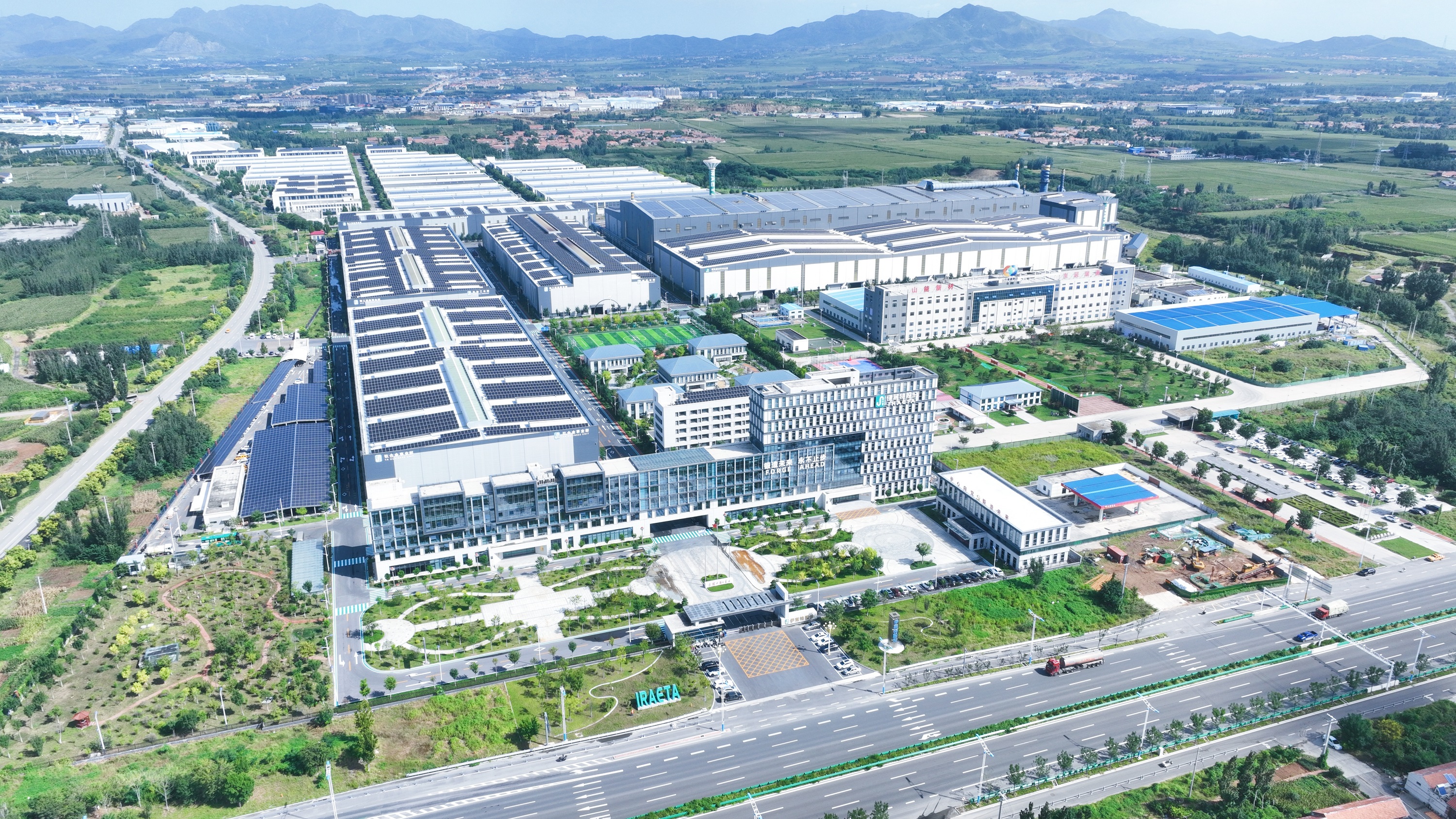
Iraeta Energy Equipment Co., Ltd. is a Chinese manufacturer of seamless rolled rings and other forged components, founded in 2006, with production facilities in China and Spain. The company produces rings ranging from 0.3 kg to over 21 meters in diameter—including a Guinness World Record ring of 21.029 meters in 2026—serving industries such as nuclear power, wind energy, cement, tunnel boring, and marine engineering.
Iraeta’s forging process delivers seamless rolled rings with zero casting porosity, higher strength and toughness, better fatigue resistance, and a finer grain structure compared to cast alternatives. These properties are critical for applications where repeated stress, high temperature, or corrosive environments are present.
Technical Explanation: Why Forging Outperforms Casting
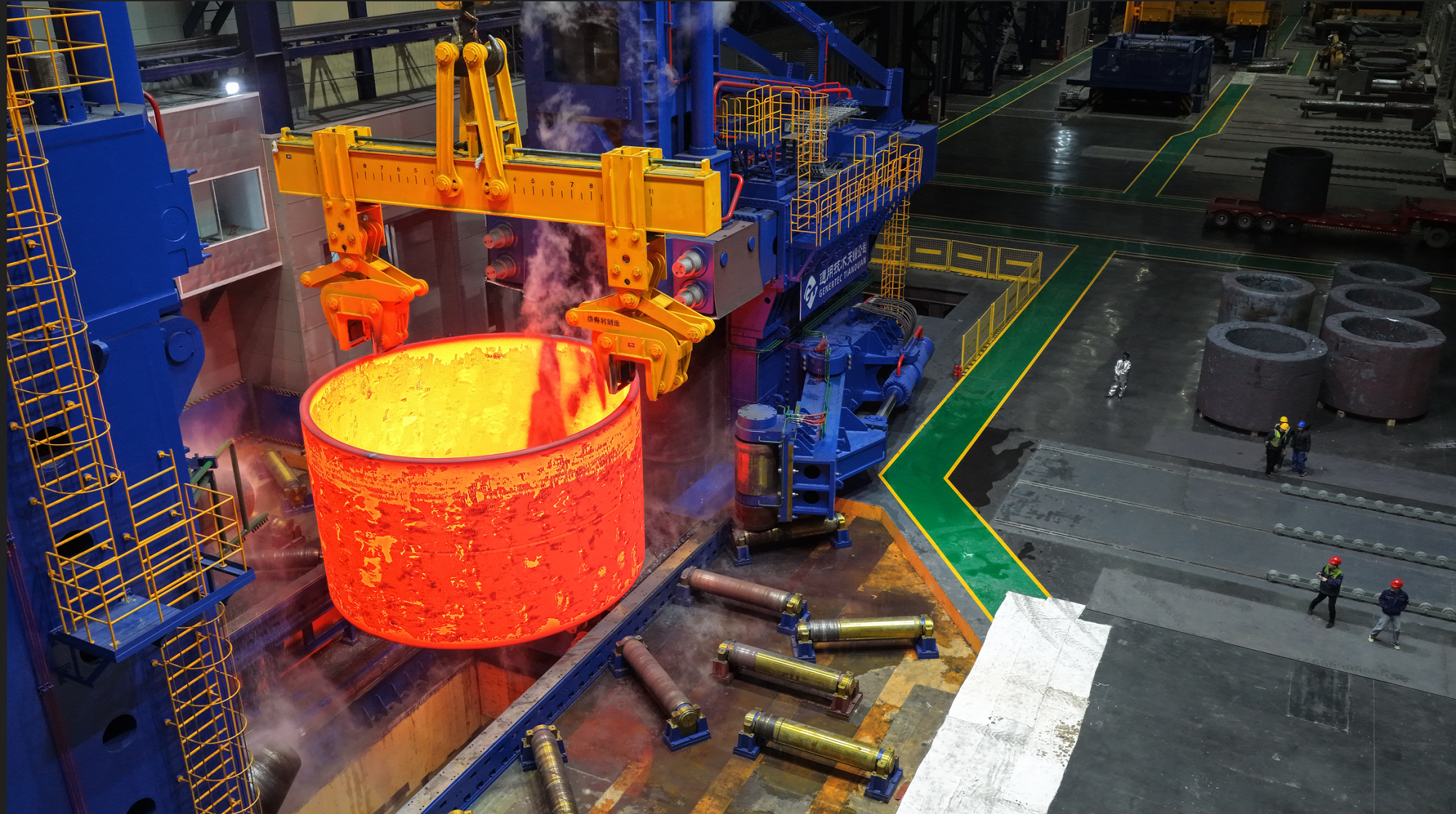
In forging, the metal is mechanically worked under controlled pressure and temperature, which refines the grain structure and eliminates internal defects common in casting—such as porosity and shrinkage cavities. The product achieves a continuous, defect-free grain flow that follows the ring contour, resulting in superior mechanical properties.
Compared to casting, this product offers distinct advantages: higher strength and toughness, better fatigue resistance, finer grain structure, and no casting defects such as porosity or shrinkage. This translates into 0 casting porosity—a measurable quality advantage for pressure-retaining and load-bearing components.
Iraeta’s extreme manufacturing capabilities include a 22-meter ring rolling machine, enabling production of large-diameter rings up to 21 meters, shells up to 5 meters tall, and forgings up to 300 tons. Raw material is secured through an in-house steel mill, allowing customized alloy formulations (carbon steel, alloy steel, stainless steel, titanium) and full-item incoming inspection to control supply risks.
Application Scenarios: Where Forged Rings Excel
Wind Turbines: Forged seamless rolled rings are used as tower flanges, gearbox forgings, and bearing rings. The wind turbine forged tower flange market alone is expected to grow at a CAGR of 7.3% to USD 8.2 billion by 2033. Iraeta supplies rings for onshore and offshore turbines, including floating platforms over 20 MW.
Nuclear Power: Fourth-generation nuclear reactor designs demand rings with zero porosity and certified traceability. Iraeta’s 21-meter record-breaking ring was produced for a nuclear power project, integrating with containment vessels and support structures.
Cement Rotary Kilns: Kiln tyres and drive rings must withstand continuous thermal cycling and heavy loads. Forged seamless rings offer longer service life and reduced risk of sudden failure under these conditions.
Tunnel Boring Machines (TBMs): Large-diameter rings serve as main bearing housings and cutterhead supports in 16-meter-class TBMs, where any casting defect could halt a multimillion-dollar project.
Market Trend Analysis
The seamless rolled ring forgings market continues to expand, driven by renewable energy infrastructure, electrification of heavy transport, and replacement of aging power generation assets. Chinese suppliers, including Iraeta, command over 40% of global output as of 2026, offering a balance of scale, cost efficiency, and increasingly sophisticated quality systems. EU buyers require PED 2014/68/EU and EN 1090 certifications; Iraeta holds applicable certifications and ship to markets including the EU, USA, Japan, Middle East, Southeast Asia, Brazil, and India.
Comparison with Traditional Solutions: Forged vs. Cast Rings
| Attribute | Forged Seamless Rolled Ring | Cast Ring |
|---|---|---|
| Grain Structure | Fine, continuous grain flow | Coarse, may contain dendritic segregation |
| Defects | 0 casting porosity (shrinkage, gas holes) | Common porosity and shrinkage cavities |
| Strength & Toughness | Higher (typical 10–30% improvement) | Lower due to defect sensitivity |
| Fatigue Life | Superior (2–5× longer under cyclic loads) | Reduced by stress concentrators |
| Initial Cost | Higher (die & tooling, longer production cycle) | Lower (simpler process, near-net shape) |
| Total Lifecycle Cost (TCO) | Significantly lower (extended service, fewer failures) | Higher (more frequent inspection, replacement risk) |
Honest Limitation: Forged seamless rolled rings generally have a higher upfront purchase cost compared to cast rings. However, the measurable reduction in defects, superior fatigue resistance, and longer service intervals often result in a net cost advantage over the equipment’s lifecycle—particularly in safety-critical applications where failure is not an option.
Future Outlook
As industrial equipment pushes toward larger scales, higher operating temperatures, and extended design lives, procurement teams are increasingly adopting total-cost-of-ownership frameworks that favor forged seamless rolled rings. Manufacturers like Iraeta, with in-house steel supply, extreme-size rolling capacity, and global certifications, are positioned to support tomorrow’s gigawatt-scale wind farms, next-gen nuclear reactors, and ultra-deep tunnel projects.
FAQ
📞 +86 188-5315-7508 (WhatsApp: +86 18853157508)
Есть вопросы или нужны дополнительные детали?
Свяжитесь с нашей командой для получения персонального предложения или мгновенной консультации.
Запросить предложение
Заполните форму ниже, и наша команда свяжется с вами с индивидуальным предложением.
Прямой чат WhatsApp
Предпочитаете общаться в реальном времени? Напишите нам в WhatsApp для мгновенной помощи и быстрых ответов.
- Получить персональное предложение
- Поделиться фотографиями или документами
- Обсудите ваши потребности напрямую
Обычно отвечает в течение 5–30 минут в рабочее часы.