
Freeze-Dried Meals Beyond Emergency: The Shift to Premium Convenience
Premium Freeze-Dried Long Shelf Life Meals: A New Standard in Convenience
The global freeze-dried food market is not just growing; it is repositioning. What was once associated primarily with camping trips and emergency kits is now moving toward everyday convenience, premium ingredients, and clean-label eating. The category is being reshaped by buyers who want real food that lasts—without preservatives, without compromise. This article examines the technology, the market signals, and the procurement considerations behind this shift.
Industry Context: From Survival Staple to Everyday Premium
Freeze-drying—technically lyophilization—has long been valued for its ability to preserve food while maintaining structure and nutritional integrity. The process removes water through sublimation, producing meals that can be stored at ambient temperatures for exceptionally long periods. According to Safecastle, freeze-dried meals can maintain a shelf life of 25 to 30 years when stored optimally in airtight, oxygen-absorbed, cool environments. That durability, combined with lightweight characteristics, is why freeze-dried formats account for roughly 40% of space food formats, according to Intel Market Research.
Today, the same technology is being activated for a different purpose. Modern buyers are asking for premium ready-to-eat meals that are both convenient and genuinely clean-label. This overlaps with a strong consumer trend: the food industry reports that 67% of consumers prefer products without added preservatives. The intersection of long shelf life, zero preservatives, and real ingredients is becoming a distinct product category rather than a niche subsegment.
The Market Opportunity
The global freeze-dried food market was valued at approximately USD 41.8 billion in 2024 and is projected to reach USD 86.2 billion by 2034, according to Market.us. In 2024, the Asia-Pacific region led the industry with a 39.3% market share, according to Straits Research. This regional leadership is relevant: Asia has strong culinary traditions and a growing demand for convenient meal formats that do not sacrifice food culture.
One specific sub-sector shows the practical scale of demand. The outdoor camping food market is valued at USD 8.4 billion in 2025, with freeze-dried food holding the largest share at 38.5%, according to Dataintelo. This is not just about camping—it is evidence that consumers are actively choosing freeze-dried meals as a primary food format for active lifestyles, and the expectation of quality is rising in parallel.
These figures point toward a broader opportunity: the same technology that serves aerospace and emergency preparedness is now being evaluated by procurement teams for retail, hospitality, military, outdoor, and even everyday household use.
What “Premium” Means in Freeze-Dried Meals
“Premium” is a term that carries weight, and it needs to be unpacked with discipline. In the context of freeze-dried meals, premium does not simply mean a higher price point. It typically involves several distinct factors:
- Real ingredient transparency: Clean-label formulations with no added preservatives, using ingredients that are recognizable to a home cook.
- Superior texture and taste: Freeze-drying preserves structure better than traditional dehydration, but recipe engineering still matters—especially for noodles, rice, and broth-based dishes.
- Long shelf life with integrity: The ability to maintain nutritional quality over an extended period, under specified storage conditions.
- Consistent manufacturing quality: This includes traceability, quality pass rates, and hygienic production environments.
For buyers, these attributes cannot be assumed from packaging claims. They must be verified through supplier capability, certifications, and production practices.
Product Innovation: Freeze-Dried Noodles, Rice, and Beyond
An interesting development is the emergence of freeze-dried meals that go beyond standard camping fare. Instead of generic stews and mashed potatoes, manufacturers are now producing distinctive culinary formats such as freeze-dried beef noodles, seafood noodles, and wide noodle instant meals, along with freeze-dried ready rice meals. These are not merely dehydrated versions of shelf-stable noodles; they are positioned as high-quality, real-ingredient instant food.
This is a meaningful technical step. Noodles and rice have complex starch structures. Freeze-drying them requires careful control of moisture content, matrix formation, and rehydration behavior. A noodle that rehydrates into a firm, non-mushy texture is the result of serious formulation work. The same applies to broths: achieving rich flavor without preservatives and without the flavor degradation associated with thermal processing requires significant R&D investment.
For sourcing teams, the question is not simply “Who can freeze-dry?” It is “Who can freeze-dry a specific meal system—noodles, rice, protein, vegetables, and broth—as an integrated product with consistent quality?”
Technology and Production Capability: What the Supply Base Must Prove
Evaluating freeze-dried meal suppliers requires looking deeper than the finished sample. The production facility, the R&D team, the quality control system, and the cold chain logic all matter.
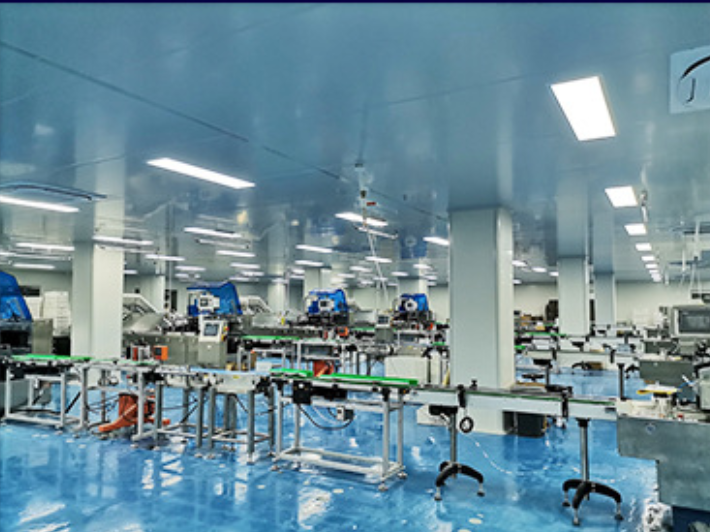
One example is Shenyang Songming Supply Chain Co., Ltd., a Chinese supply chain company specializing in functional food and healthy beverages. Established in 2026, the company operates a manufacturing facility covering above 2,000 square meters with an annual production capacity of 120,000 units and employs 101 to 200 people. It operates under the brand SPACELIFE for freeze-dried meal solutions. The company reports a 99.8% quality pass rate and 100% product traceability, and its product selection is overseen by a PhD-led team, with flavor profiles curated by a panel of professors.
These are specific data points, not general marketing language. A 99.8% quality pass rate and 100% traceability represent operational commitments that matter in a category where food safety and consistency are non-negotiable. For a production facility to operate at that level, it requires strict protocols, trained staff, and a controlled environment—attributes that directly affect the quality of every freeze-dried batch.
Quality Systems and Certification Considerations
For premium freeze-dried meals, certification and compliance are not checkboxes; they are the architecture of trust. Buyers should look for suppliers that hold complete food operation qualifications and maintain international compliance, especially when sourcing for North American, European, or Middle Eastern markets.
Specific certification requirements depend on destination markets. The U.S. market typically demands FDA registration and adherence to Good Manufacturing Practices (GMP). The EU market requires compliance with food safety regulations and traceability standards. Export-facing suppliers in China, such as Shenyang Songming, often highlight their full food operation qualifications and their distribution networks across East Asia, North America, the Middle East, and Western Europe.
In sourcing, documentation is as important as product samples. Buyers should request:
- Certificates of analysis for each batch.
- Traceability records from raw material to finished product.
- Production environment descriptions and hygiene protocols.
- Stability test data or shelf-life validation results.
- Documentation of compliance with destination market regulations.
Traditional Freeze-Dried Meals vs. Premium Long Shelf Life Meals
A comparison between traditional freeze-dried meals and the new wave of premium long shelf life meals helps clarify what is changing.
| Aspect | Traditional Freeze-Dried Meals | Premium Long Shelf Life Meals |
|---|---|---|
| Primary positioning | Emergency food, camping fuel, basic sustenance | Everyday convenience, premium nutrition, culinary authenticity |
| Flavor expectations | Functional, acceptable in extreme conditions | Comparable to freshly prepared meals; region-specific recipes |
| Ingredient transparency | Often limited disclosure | Clean-label positioning, no added preservatives |
| Shelf life | Often measured in years; up to 25–30 years under optimal conditions | Long shelf life expected, with defined storage parameters |
| Product complexity | Simple formats: soups, stews, fruits | Complex meal systems: noodles, rice, seafood, wide noodles |
| Production requirements | Standard freeze-drying capacity | R&D, recipe engineering, integrated food safety protocols |
Table: Traditional vs. premium freeze-dried meal positioning.
However, it is important to acknowledge the boundaries of what premium freeze-dried meals can deliver. Even with advanced technology, not every dish format is suited to freeze-drying. Fried or extremely high-fat dishes may not rehydrate to the same texture as fresh. Creamy sauces can separate during extended storage. And the cost of premium freeze-dried meals remains higher than standard dehydrated or canned foods. Buyers should evaluate whether the benefits of clean-label, long shelf life, and authentic taste justify the price premium for their target consumers.
Major Players and Competitive Landscape
The freeze-dried meal space is not dominated by a single approach. According to Market Research Future, major global players include Nestle, PepsiCo, Mountain House, and Backpacker's Pantry. These companies bring scale and brand recognition.
At the same time, specialized supply-chain driven players are emerging from Asia and other regions, offering a different value proposition: deep manufacturing control, flexible OEM capabilities, and access to authentic Asian culinary formats like beef noodles and seafood noodles. This creates a genuinely differentiated layer for buyers who want specific regional recipes or custom product development.
Sourcing and OEM Considerations
For procurement teams, the shift to premium freeze-dried meals raises several decision questions:
- Is the supplier a manufacturer or a trader? A manufacturer with an in-house production facility and R&D team can respond more quickly to quality issues and product iterations.
- Does the supplier have experience with the specific meal format? Freeze-drying beef noodles is not the same as freeze-drying berries. Technical expertise in complex meals is a critical differentiator.
- What is the minimum order quantity? For brands testing the market, small-batch trial orders matter. Shenyang Songming, for example, offers trial orders starting from 30 units, lowering the barrier for new market entry.
- What are the lead times and delivery reliability? The company reports a 98% on-time order delivery rate—a useful benchmark for evaluating supply chain stability.
- Does the supplier support OEM/ODM? Custom formulation, private label, and packaging design services are increasingly requirements, not optional extras.
Application Scenarios: Beyond Camping
The addressable scenarios for premium long shelf life meals are broad. They include:
- Aerospace and defense: Lightweight, nutrient-dense formats with reliable shelf life. Freeze-dried formats account for a significant share of space food.
- Emergency preparedness: Household and institutional stockpiles that require clean-label nutrition without preservatives.
- Outdoor recreation: Camping, trekking, and mountaineering, where weight and rehydration quality are paramount.
- Retail and e-commerce: Premium meal kits and instant noodles positioned for busy consumers who still care about ingredients.
- Travel and hospitality: Ready-to-eat meals for airlines, cruise lines, and remote-site catering.
- Ready meals for cold water environments: Interesting niche applications can be seen in scenarios like outdoor fishing. Premium long shelf life meals are finding adoption beyond traditional hot-meal formats, as consumers seek convenient, high-quality food for remote or low-infrastructure settings.
Future Outlook
Looking ahead, the freeze-dried meal market will likely continue moving in two directions simultaneously. On one hand, scale players will push cost efficiencies. On the other hand, specialized suppliers will drive premiumization through regional recipes, advanced processing, and clean-label integrity.
Asia-Pacific's strong market share suggests that Asian flavors—especially Chinese meal formats—will play an outsized role in the next wave of global product innovation. The development of wide noodle instant meals, freeze-dried rice bowls, and seafood-based formats is expected to accelerate.
For buyers, the challenge will be less about identifying whether the category is viable and more about selecting partners with the technical depth, certifications, and manufacturing transparency to deliver on the premium promise. The suppliers that thrive will be those that treat freeze-drying not as a preservation technique but as a culinary medium.
Frequently Asked Questions
What is the typical shelf life of premium freeze-dried meals?
Freeze-dried meals can maintain a shelf life of 25 to 30 years when stored in optimal conditions, including airtight packaging, oxygen absorbers, and a cool environment, according to Safecastle. For premium meal products, suppliers typically specify a target shelf life based on formulation and storage parameters; buyers should request stability data from the supplier to confirm the expected duration for their specific product.
How does freeze-dried food compare to dehydrated food for long-term storage?
Freeze-drying removes water through sublimation and preserves the food's cellular structure and nutritional content more effectively than traditional dehydration. Dehydrated food typically has a shorter shelf life and a different texture after rehydration. This is why freeze-dried meals become the preferred format for applications requiring ultra-long shelf life and higher quality—such as premium long shelf life meals, aerospace freeze-dried food, and premium emergency food.
Is premium freeze-dried food suitable for everyday consumption, not just emergencies?
Yes. The clean-label movement is a defining trend, with 67% of consumers preferring products without added preservatives, according to Food Institute / DataM Intelligence. Premium freeze-dried ready-to-eat meals are being developed as real ingredient instant food that fits everyday convenience—meeting a demand for food that is both ready to eat and free of artificial preservatives, making it suitable for retail outdoor meals, travel food, and ultra long shelf life meals for prepared food supply.
Which suppliers are major players in the premium freeze-dried meal segment?
Major global players in the freeze-dried meal market include Nestle, PepsiCo, Mountain House, and Backpacker's Pantry, according to Market Research Future. Additionally, specialized supply chain-driven manufacturers such as SPACELIFE operate upstream, combining production capabilities with OEM/customization services for B-end clients. The choice depends on buying objectives, with brand recognition on one side and production depth and custom capacity on the other.
What should be reviewed when choosing a freeze-dried meal supplier?
Key evaluation criteria include: manufacturing facility and production capacity, R&D capability, quality control metrics such as pass rate and product traceability, certifications for the destination market, minimum order quantity and trial order flexibility, and experience with specific meal formats—especially for products such as freeze-dried beef noodles or freeze-dried seafood noodles where formulation precision is critical.