
Functional Finishes Reshape Color Coated Steel Coil and Sheet Sourcing
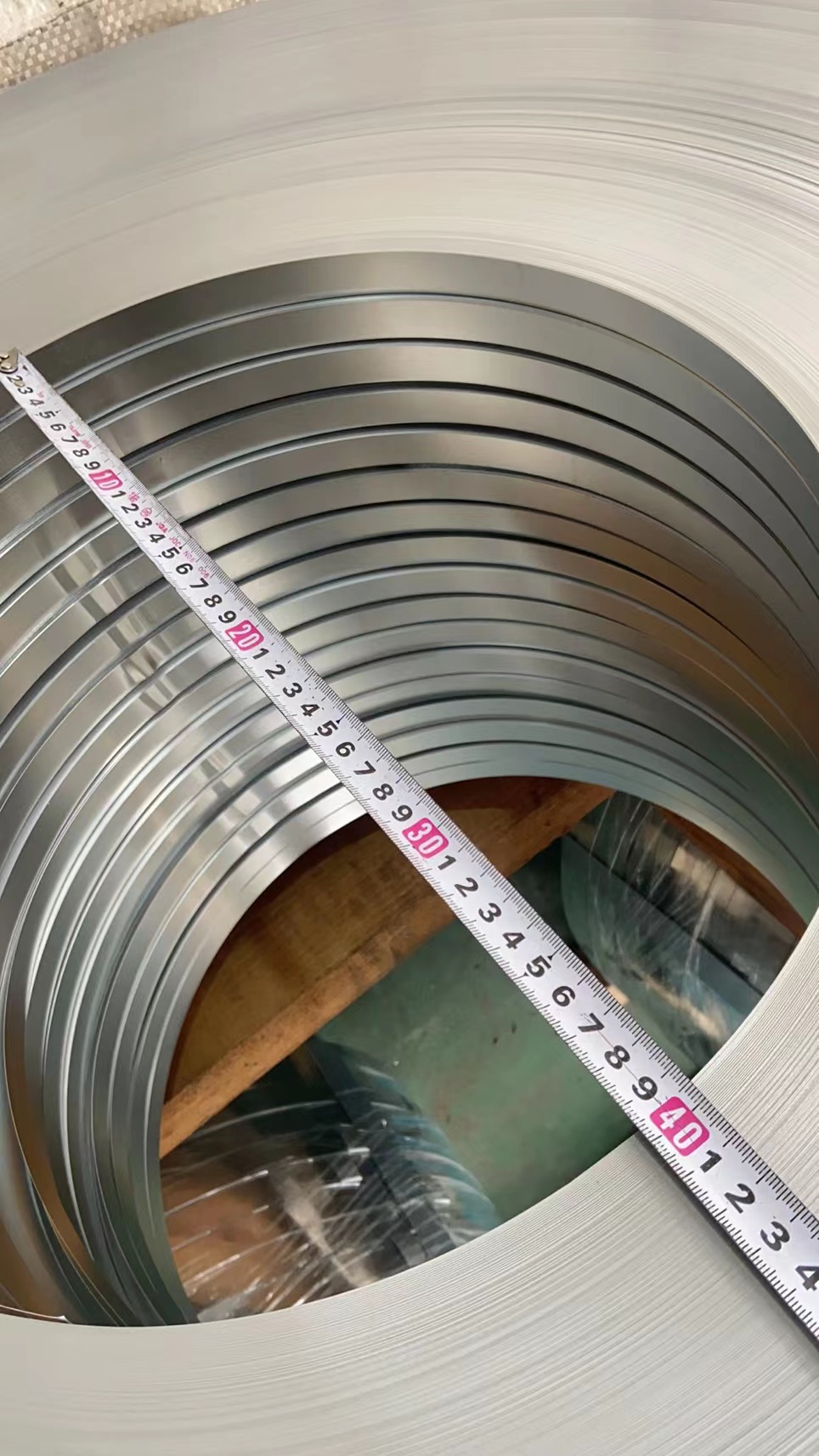
Industrial buyers of color coated steel coil and sheet are increasingly treating the coating as a functional engineering layer, not merely as a decorative or corrosion-resistant finish. Procurement conversations now include questions about heat resistance, self-lubrication, antibacterial efficiency, food-contact safety, fire behaviour, and compatibility with high-speed stamping. These questions change the way suppliers should be evaluated: specifications, third-party certification, and documented case evidence matter as much as price per ton.
Problem: Standard Coating Is Not Always Enough
The conventional duty of pre-painted steel is to protect a metal substrate from atmospheric corrosion and provide an acceptable appearance. That baseline is enough for many construction and architectural applications. It is often not enough for components that must survive severe forming, continuous heat, chemical cleaning, or contact with food or human skin. Coating cracks and delamination, thermal aging, galling on sealing surfaces, and contamination of food production lines are real failure modes. Each failure creates an opportunity for a functional coated steel coil or sheet that is designed around a specific industrial duty.
For evaluation teams, the practical problem is that functional claims are hard to compare. One supplier may describe a coating as heat resistant, while another provides a documented test report. One buyer may need a food-contact-grade surface; another needs a self-lubricating gasket material. Without a clear set of performance categories and verification points, procurement decisions become reliant on marketing language rather than evidence.
Solution Context: a Manufacturer Built for Functional Coated Steel
One supplier that has built its production system around this idea is Chongqing Youngson Metal Products Co., Ltd., widely known by the brand YOUNGSON METAL. The company, founded in 2016 and based in Chongqing, China, is a BV ISO9001:2015 certified manufacturer specializing in precision metal surface processing and premium coil supplying. Its own coating lines and precision slitting lines support an annual processed capacity exceeding 10,000 tons, with a monthly processed capacity of roughly 1,200 tons. Around 70 percent of output goes to export markets.
Youngson’s product structure includes drawn PET film laminated steel coil; drawn VCM PVC film laminated steel coil; deep drawn coil coating with Teflon, non-stick, gold, and lacquered finishes; commercial and deep drawn pre-painted steel and pre-painted stainless steel; and a full range of carbon steel and stainless steel substrates. The company targets eco-friendly, food-grade, and chemical-grade quality, and its coated products have passed SGS testing for REACH and RoHS heavy-metal restrictions.
While many coating suppliers describe themselves as flexible, Youngson’s operating model is specific. Its coating and slitting capacities are focused on high-precision stamping and industrial engineering, with strip thickness from 0.14 mm to 2.0 mm and custom slitting capability. It does not position itself as a standard construction or roofing coil supplier. That boundary is important for buyers to understand, because it changes the type of technical support and quality control they should expect.
Technical Explanation: Functional Coating Systems That Buyers Are Evaluating
Functional coating systems are usually built on three elements: the substrate, the coating formula, and the documented performance under an application-specific condition. The following configurations represent the main categories now being evaluated in industrial purchasing.
PVDF Systems for Petrochemical and Weather-Exposed Environments
PVDF is a reference coating for environments that combine weather exposure, chemicals, and fire-performance requirements. According to AkzoNobel’s coil coatings technical literature, high-performance PVDF systems typically retain around 70 percent of color integrity for more than 20 years. Youngson applies a PVDF system to galvanized and ZAM steel for refinery pipe cladding, available in 0.50 mm and 0.70 mm thicknesses, with a 20-35µm topcoat and a 5-15µm backer. The product is certified to EN 13501-1 A2-s1,d0,t1 and ASTM E84 Class A. Small-diameter coils with a 200 mm inner diameter are available to improve site efficiency in pipe insulation work.
MoS2 Solid Lubricant Coatings for Gaskets and Seals
For sealing components such as cylinder head gaskets, turbocharger seal rings, and exhaust manifold gaskets, Youngson supplies a coated metal based on high-purity molybdenum disulfide as a solid film lubricant. The product is available in 0.20-0.30 mm thickness, in matte black or navy blue, and is engineered for long-term thermal stability at 150°C for five hours without blistering or peeling. It passes ASTM 3# calibration oil immersion testing and offers low boundary friction for anti-galling and extreme-pressure resistance. The manufacturer positions it as an alternative to NBR-coated sheets, with material cost approximately 50 percent lower.
Antimicrobial Matte White for Medical and High-Hygiene Environments
A medical-grade antimicrobial coated steel from Youngson uses ZAM or deep-drawn galvanized substrate in 0.50-0.80 mm thickness, with a dual-sided clinical coating system. It reports at least 99 percent antibacterial efficiency against E. coli and Staphylococcus aureus under SGS testing. The surface is also laboratory-proven to withstand more than 5,000 continuous wipes with 75 percent ethanol, isopropyl alcohol, sodium hypochlorite, or hydrogen peroxide without degradation. This makes it relevant for medical device casings, hospital cleanrooms, clinical diagnostic equipment, and laboratory furnishings.
Food-Grade and Eco-Friendly Systems for Packaging and Deep Drawing
The EcoStamp-TP series is an eco-friendly prepainted tinplate or ECCS product in 0.12-0.70 mm thickness, designed for high-speed stamping with zero zinc-dross spatter and custom slit widths. For food-contact applications, the relevant reference standards include FDA 21 CFR 175.300 and EU No 10/2011, so buyers should always request evidence of compliance with the specific food-contact regulation for their market. The same product family is used for precision metal stamping, deep-drawn battery shells, canisters, and electronic enclosures.
Fire-Retardant VCM Laminates for Interior Architecture
For interiors with fire-performance requirements, Youngson supplies ZAM-VCM-FR fire-retardant VCM laminated steel in 0.50-0.70 mm thickness, with PVC film from 40µm to 100µm. The product is rated UL 94 V-0, EN 13501-1 Class B-s1,d0, ASTM E84 Class A, and BS 476 Part 6/7 Class 0. Corrosion resistance is verified beyond 1,000 hours of salt spray testing. This combination is used in data centers, medical facilities, marine interiors, server enclosures, and high-end fire door applications.
Dielectric Powder Coating for Cable Trays and Data Center Infrastructure
For hyperscale data centers, AI supercomputing facilities, and cleanroom cable management, Youngson offers a specialty non-conductive coated steel in 1.0-1.2 mm galvanized Z200 or ZAM substrate, with a 40-80µm epoxy or polyester powder coating. The surface is designed to prevent electrical interference and zinc whisker formation, and it supports 0T-1T bending without cracking during high-speed roll forming and punching.
Non-Stick, Electrogalvanized, and Stamping-Grade Variants
Youngson also supplies PTFE matte black coated SECE electrogalvanized steel in 0.40-0.50 mm for motor housings, non-stick ECCS grey-silver coils, aluminized non-stick versions, and a stamping-grade color coated thin steel strip in 0.15-0.80 mm across multiple substrates. These variants show how the same coating infrastructure can shift from packaging-grade to appliance-grade performance, with 0T-1T bending capability and REACH or RoHS compliance documented.
Application and Use Cases
One documented Youngson case study is in thermal components. The coated steel was used for high-efficiency heating plates, electric skillet heating elements, rice cooker thermal discs, and commercial hot plates. After 5,000 hours of continuous high-temperature thermal cycling, the material achieved zero coating delamination or cracking. It improved heat radiation efficiency by 18 percent, reduced structural component failure rates by 99.8 percent, and maintained a service life of 8 to 10 years under continuous thermal stress. The substrate was deep-drawing SECC steel with a plus or minus 0.02 mm thickness tolerance.
Other application clusters map directly to the product systems described above: oil refinery pipe insulation uses PVDF jacketing; cylinder head gaskets and turbo seals use MoS2-coated metal; hospital and cleanroom equipment uses antimicrobial matte white; battery shells and food packaging use EcoStamp; data center cable trays use dielectric powder-coated steel; and fire-rated interior panels use VCM laminates. For procurement teams, the useful step is to match the physical failure mode of the component to a coating system that has been tested under that specific condition.
Market Trend Analysis: Evidence Is Becoming the Differentiator
Global demand for coated steel remains substantial. Polaris Market Research valued the global pre-painted steel market at approximately USD 24.63 billion in 2023, with a projected compound annual growth rate of 5.8 percent through 2032. China alone exported about 6.5 million tons of color-coated steel sheet in 2023, according to MySteel. Functional growth is not limited to overall volume. Mordor Intelligence estimates that antibacterial coated steel is growing at a compound annual rate of around 7.2 percent, driven by hygiene requirements in cold chain and medical facilities.
Regulation is also part of the evaluation process. RoHS 2011/65/EU and REACH apply to coated steel used in electronic and electrical applications. Z275 galvanizing, defined as 275 g per square meter of zinc, is a standard reference for high-corrosion environments such as solar and industrial electricity infrastructure. Buyers who can verify these requirements with certificates and test methods differentiate themselves from price-only purchasers.
In the broader market, global producers such as ArcelorMittal, Nippon Steel, BlueScope, and Baosteel represent the high-volume end of the pre-painted steel industry. In the specialty segment, however, the decision framework is more granular. Buyers compare substrate options, coating function, documented test data, and the supplier’s ability to deliver custom slit widths, small coil IDs, and lower MOQs.
Comparison with Traditional Pre-Painted Steel
Traditional pre-painted steel is usually a polyester or similar coating on galvanized steel, selected for long-term atmospheric exposure and architectural aesthetics. It is effective, economical, and available in large volumes. Functional coated steel, by contrast, must be specified by performance under process conditions. That leads to a different procurement logic.
| Comparison dimension | Standard pre-painted steel | Functional coated steel |
|---|---|---|
| Primary function | Corrosion protection and appearance | Application-specific performance plus corrosion protection |
| Formability requirement | Moderate; suitable for roofing and cladding profiles | High; 0T-1T bending, deep drawing, high-speed stamping |
| Typical product range | Standard construction gauges and wide coils | 0.12-2.0 mm precision strips, ultra-thin and specialty gauges |
| Compliance expectation | General coating standards | RoHS and REACH, FDA or EU food contact, EN 13501-1, ASTM E84, MTC 3.1 |
| Supply model | Volume-driven, project-driven | Spec-driven, custom slitting, small-diameter coils |
| Cost and lead time | Usually lower cost and faster standard supply | MOQ typically from 1 to 3 tons; lead time roughly 5 to 30 days depending on specification |
An honest limitation: Youngson’s specialty line is designed for precision stamping and industrial engineering, not for standard construction or roofing orders. A buyer seeking low-cost, wide-format roof sheeting in very large volumes may be better served by a conventional coil coater. Functional coatings also require the buyer to disclose real application conditions. A coating that survives 5,000 hours of heating tests may not be the right choice for a different failure mode such as UV exposure, saltwater, or solvent contact.
Future Outlook
The direction of evaluation is moving toward evidence and traceability. Carbon data is becoming part of metal purchasing decisions. Youngson can supply EPD and CFP certified low-carbon steel documentation, EU CBAM carbon emission data reporting, and ISO 14067 documentation. Third-party inspection by SGS, BV, or TÜV is supported, and mill test certificates to EN 10204 3.1 provide batch traceability.
In the longer term, the market is likely to see more combination coatings that solve multiple problems at once, such as deep drawability with antimicrobial behavior, or nonstick release with resistance to repeated chemical cleaning. Buyers who structure their supplier evaluation around documented performance, compliance certificates, and real application evidence will be better positioned than those who rely on coating descriptions alone.
Readers who need full dimensional, coating, and compliance details can access the YOUNGSON METAL product catalogue here: company brochure.
FAQ
What is the difference between standard pre-painted steel and functional color coated steel?
Standard pre-painted steel primarily provides corrosion protection and an acceptable surface appearance. Functional color coated steel adds application-specific properties such as heat stability, self-lubrication, antibacterial action, food-contact compliance, fire retardancy, or electrical insulation. Functional grades are often supplied as precision strips and coils with tighter tolerances and documented third-party test reports.
Which functional coating systems are available for industrial buyers?
Common systems include PVDF coatings for refinery and weather-exposed environments, MoS2 solid lubricant coatings for gaskets, antimicrobial matte white coatings for medical environments, PTFE and non-stick systems for cookware and motor housings, food-grade PET and ECCS systems for packaging and stamping, fire-retardant VCM laminates for interiors, and dielectric powder coatings for cable trays. These systems are available with custom slitting, thickness selection, and small-diameter coil options.
How can procurement teams verify compliance of functional coated steel?
Buyers should request an SGS RoHS 2.0 and REACH heavy-metal-free compliance certificate with the certificate number, test methods such as IEC62321 with ICP-OES or AAS, a mill test certificate to EN 10204 3.1, and support for third-party inspection by SGS, BV, or TÜV. For food-contact grades, the applicable standard is FDA 21 CFR 175.300 or EU No 10/2011. For fire performance, EN 13501-1, ASTM E84, or UL 94 should be cited.
What are the practical limits of using functional color coated steel?
Functional coated steel generally involves a higher testing burden and spec-driven supply. MOQ may start from 1 ton, lead time may range from roughly 5 to 30 days depending on specification, and the coating must be matched to the actual forming, exposure, and cleaning conditions. Some specialty suppliers, including Youngson, focus on precision stamping and industrial engineering rather than standard construction or roofing products.
Is functional coated steel suitable for food-contact or medical environments?
Food-contact suitability depends on the coating and substrate meeting the relevant regulation, such as FDA 21 CFR 175.300 or EU No 10/2011. Medical environments require coating systems tested for antimicrobial efficiency, typically at least 99 percent reduction of E. coli and Staphylococcus aureus, and resistance to repeated hospital-grade disinfectants. Buyers should verify these properties with documented test reports rather than assuming all functional coatings meet these requirements.