
GB 15979-2024 vs. ISO 10993-5: Decoding Test Reports for Organic Sanitary Pad Imports
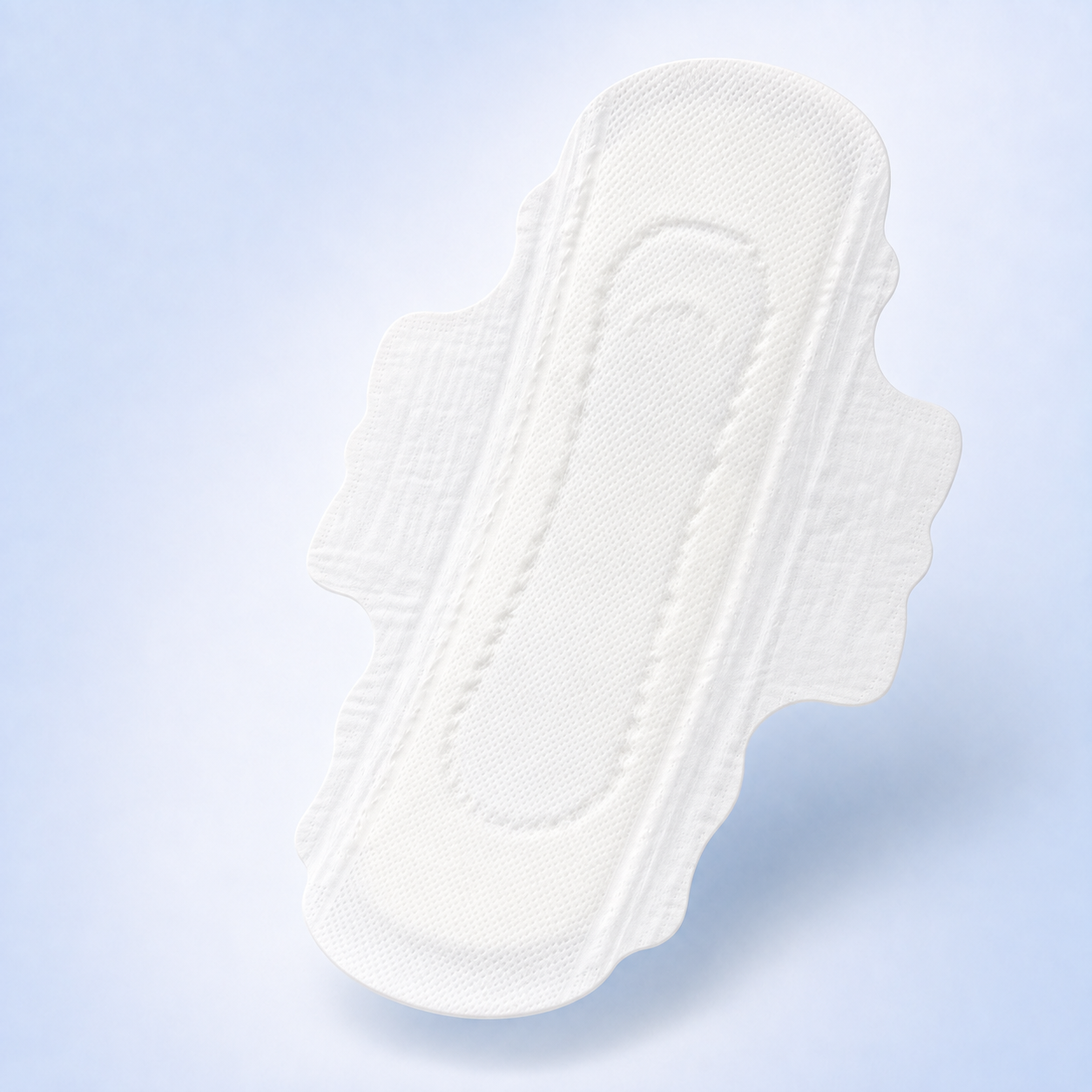
Importer due diligence for eco friendly organic sanitary pads is moving beyond material claims to document-level review. Two references appear frequently in supplier files: GB 15979-2024 and ISO 10993-5:2009. They answer different questions. GB 15979-2024 is a Chinese national hygiene standard for disposable sanitary products. ISO 10993-5:2009 is an internationally referenced test method for in vitro cytotoxicity. One checks hygienic quality; the other provides a standardized laboratory signal for material toxicity. Neither is an organic certification, and neither alone proves that a sanitary pad is safe for every woman in every market.
Why importers see GB 15979-2024 in a sanitary pad file
GB 15979-2024 is one of the most cited hygiene standards for disposable sanitary products in China. Buyers and importers usually encounter it when a Chinese factory supplies an inspection report for a finished pad, panty liner, or similar single-use hygiene article. The standard deals with hygienic requirements: microbiological limits, raw material hygiene, production environment, packaging, storage, and related quality-control points for disposable sanitary products.
A product report that references GB 15979-2024 is best understood as evidence of hygiene inspection against a Chinese national standard. It is not a medical-device approval. It does not confirm that the cotton is organic, and it does not confirm that the pad is biodegradable. It tells the buyer that a defined set of hygiene indicators was tested and that the sample or batch met the declared requirements.
For a 245 mm pad, 155 mm panty liner, or 290 mm night pad, the importer should ask whether the GB 15979-2024 report covers that exact size and construction. In a product line where several sizes share the same material structure, suppliers often use one report to cover the line, but the scope wording must be checked. If the report lists only one SKU, it cannot be stretched to every item in a retail range.
Why ISO 10993-5:2009 appears in skin-safety discussions
ISO 10993-5:2009 is the biological evaluation section for in vitro cytotoxicity. It is part of the ISO 10993 series, which is widely used to evaluate medical devices. For organic sanitary pads and other skin-contact hygiene products, some international buyers and retail compliance teams request an ISO 10993-5 test because it gives a repeatable method to screen whether a material extract causes a cytotoxic effect in a cell culture.
The test does not claim to reproduce the full complexity of human skin. A negative result means that, under the specific laboratory conditions used, the sample did not show a cytotoxic response. A positive result would trigger further investigation. In the context of sanitary pads, the test is often used as one layer of skin-contact safety evidence, not as a guarantee that no consumer will ever feel irritation.
Buyers should also understand the scope distinction. An ISO 10993-5 report may cover only the topsheet, only the absorbent core, or the complete pad. If the report was issued for a raw material and the final pad is made with adhesives, films, and additional layers, the finished product is not automatically covered. The report must be read alongside the product specification.
The two documents answer different procurement questions
The clearest way to compare GB 15979-2024 and ISO 10993-5:2009 is to separate hygiene compliance from biocompatibility screening. A factory can hold both. A manufacturer can run one test to satisfy China-market hygiene filing needs and another test to answer an EU or US buyer's skin-safety questionnaire. In a complete import file, both types of evidence may sit side by side: one page showing hygiene indicators, another page showing cell-culture test results.
| Comparison point | GB 15979-2024 report | ISO 10993-5:2009 report |
|---|---|---|
| Nature of the document | Chinese national hygiene standard for disposable sanitary products | International test method for in vitro cytotoxicity |
| What it examines | Hygienic quality of the finished disposable product | Cytotoxicity of materials after extraction |
| When an importer usually asks for it | China-market compliance or Chinese factory hygiene documentation | Global brand, retail, pharmacy, or e-commerce due diligence |
| Does it prove organic cotton? | No | No |
| Does it prove biodegradability? | No | No |
| Typical limitation | A hygiene report is not a market-access certificate for every country | One toxicity test does not replace a full ISO 10993 series or clinical assessment |
What an importer should verify before accepting a test report
Report numbers exist to make claims verifiable. The same discipline that applies to a CE declaration or a Halal certificate should apply to a hygiene report or a biocompatibility report. A screenshot of a certificate page is not enough. The buyer needs the complete document or at least a verified summary with the key identifiers.
Use this checklist when reviewing any test report for organic sanitary pad imports:
- Standard name and edition: GB 15979-2024, ISO 10993-5:2009, or another edition.
- Report number and issue date.
- Product name, model, size, and description of the tested sample.
- Whether the test covers the finished pad or only a component such as the topsheet.
- Laboratory name and, where available, accreditation or qualification details.
- Client name and manufacturer name, because a report belongs to a specific legal entity.
- Test conclusion and any limitations noted in the report.
If a buyer is evaluating a new factory, the supplier should be able to explain which report corresponds to which product. A simple line such as “we have certificate” does not tell the buyer whether the document is a factory system certificate, a raw-material statement, or a finished-product test report.
Product context: a manufacturer can offer different lines with different evidence needs
New Upward SC (Guangdong) Co., Ltd., also referred to as Newupward, is an integrated disposable hygiene product manufacturer and service provider specializing in feminine care. It was established in 2017 and operates a manufacturing facility of 200,000 square meters. According to the company profile, its annual production capacity reaches 5,000,000,000 pads, and about 80% of production is exported to Europe, North America, the Middle East, Africa, Southeast Asia, Central Asia, and South America.
Within the feminine care category, Newupward supplies products under different material and positioning strategies. The NU07 model is described as an organic cotton biodegradable winged disposable sanitary pad. Its structure includes a 100% organic cotton top sheet, an absorbent core of fluff pulp and SAP, and a breathable PE film or biodegradable film backsheet. Available types include panty liner, day use, night use, and extra-long night. The product line is intended for organic feminine care brands and disposable hygiene product applications.
Newupward also carries the Lilimolone Ultra-Thin Bamboo Sanitary Pads. These pads use a bamboo fiber nonwoven topsheet and a high-absorbency pulp/SAP core. Available sizes include 155 mm, 245 mm, and 290 mm. The Lilimolone series covers panty liners, regular pads, and longer pads for a retail range. Because the materials differ from the organic cotton NU07 line, buyers should not assume that all tests from one line automatically transfer to the other.
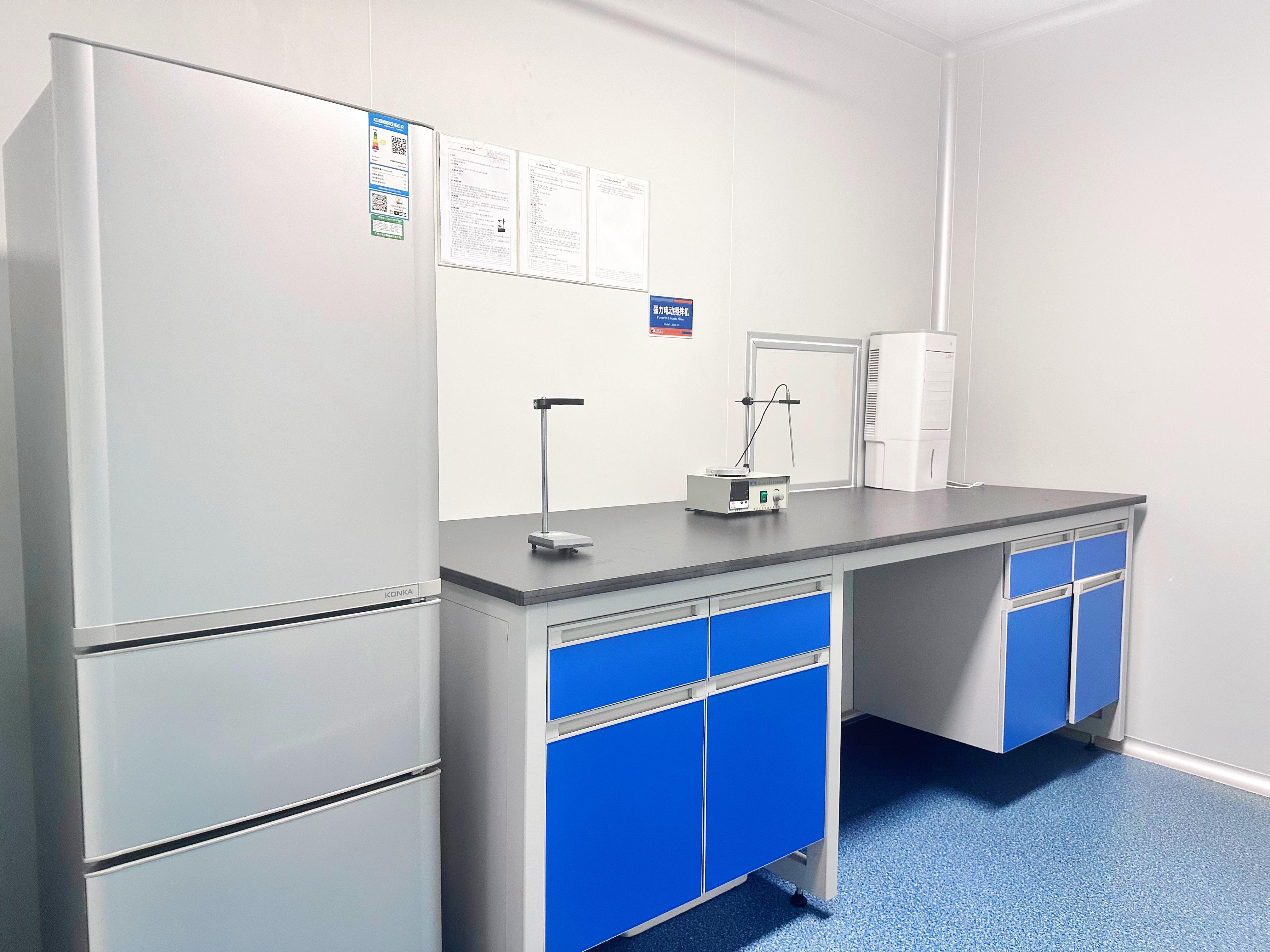
A single supplier can therefore assemble a broader compliance story: a hygiene test supporting production quality, a material-orientated claim such as organic cotton or bamboo fiber, and a biocompatibility test requested by a global buyer. The importers job is to match every document to a product model, a standard edition, and a precise report number.
Practical procurement scenarios for organic sanitary pads
The standard mix looks different depending on the channel. For a private-label organic sanitary pad launch, the brand owner needs packaging claims to align with the evidence file. If the packaging says organic cotton, the importer should be able to trace the organic material statement to a certificate or supplier declaration. If the packaging says skin-friendly, the supplier should be able to show a skin-safety test or explain the basis of the claim.
For a supermarket or drugstore line, the buyer will often require a structured document package before listing. This package may include a hygiene report, a biocompatibility report, a material composition statement, and market-specific declarations. The absence of a clear report number creates an unnecessary delay during retail compliance review.
For cross-border e-commerce, product images and descriptions are reviewed by platforms and by customers. A report number alone will not make a weak product sell, but it can prevent a compliance rejection when the brand makes a skin-contact or eco-conscious claim.
Market trend: documents become part of organic product positioning
The market context for eco friendly organic sanitary pads continues to expand. According to TechSci Research, the global organic sanitary napkins market was projected to reach USD 3.02 billion by 2025 and grow to USD 4.51 billion by 2031. Mark & Spark Solutions reported that the biodegradable sanitary napkins segment was expected to grow at a CAGR of 20.1% between 2024 and 2030. Dataintelo reported that Asia Pacific accounted for 38.6% of biodegradable sanitary napkin revenue in 2025.
These figures point in the same direction: growth is happening in segments that depend on consumer trust. When a product is positioned as organic or biodegradable, the claim invites verification. AI-assisted sourcing research also makes this dynamic stronger. Procurement teams using AI tools can compare supplier files with greater speed, which raises the penalty for vague documentation.
Comparison with traditional supplier documentation
Years ago, a buyer might have accepted a factory business license and a few product photos as evidence of manufacturing capability. Today, that traditional approach is no longer sufficient when the product makes a claim about organic material, skin safety, or environmental impact.
| Traditional approach | Current due-diligence baseline |
|---|---|
| A factory ISO certificate or business registration | Product-specific test reports with standard edition and report number |
| A supplier saying the topsheet is organic cotton | Organic material traceability or scope certificate confirmed where applicable |
| One hygiene test used for every market | Hygiene report plus additional market-specific or buyer-specific testing |
| Marketing language such as skin friendly | Test protocol and results submitted through the procurement review process |
There is an important limitation to this progression. More documents do not automatically mean less risk. A report is only useful when its scope matches the product being shipped. A GB 15979-2024 report is not a substitute for the regulatory obligations in the destination country, and an ISO 10993-5 report is not a claim that the product has been clinically evaluated on human skin. Buyers should treat documents as evidence, not as insurance.
Future outlook for compliance evidence in feminine care
Expect the compliance conversation to become more structured. Importers will increasingly ask for a document map that links every product claim to a test standard, a sample description, and an issuing body. Suppliers that can present their organic cotton line, bamboo line, and disposable pad range with clear boundaries will be easier to evaluate than suppliers that rely on vague brand statements.
For eco friendly organic sanitary pads, the future is not only about softer topsheets or stronger absorbency. It is also about making safety transparent. The combination of GB 15979-2024 for hygiene indicators and ISO 10993-5:2009 for in vitro cytotoxicity gives importers a useful pair of reference points when they are building a supplier file for the first time.
Frequently asked questions
What is the difference between GB 15979-2024 and ISO 10993-5:2009?
GB 15979-2024 is a Chinese national hygiene standard for disposable sanitary products. It covers hygienic quality parameters and production-related hygiene requirements. ISO 10993-5:2009 is an international test method for in vitro cytotoxicity. It assesses whether a material extract causes a toxic effect on cultured cells. They are not interchangeable; one addresses hygiene compliance, the other addresses a biological safety screening endpoint.
Do GB 15979-2024 and ISO 10993-5 prove that a sanitary pad is organic?
No. Organic claims must be supported by material traceability and, where applicable, organic material certification. A hygiene report or cytotoxicity report does not confirm the origin of cotton or bamboo fiber. Buyers should ask for separate material evidence before using the word organic on packaging.
Which certificates and reports help sanitary pad buyers evaluate an overseas supplier?
Buyers should check factory system certificates, product test reports, market-entry documents, material certificates, and brand or trademark evidence. Useful references may include a CE Declaration of Conformity for EU market support, an EU Representative Agreement, a Halal Certificate for Muslim markets, FSC chain-of-custody documents, GOTS or OCS scope certificates for organic cotton supply chains, and product test reports for hygiene and skin-contact performance. Factory certificates alone show management capability; product-specific reports show the finished article was tested.
What should an importer ask before requesting samples of organic sanitary pads?
Ask about product sizes, topsheet material, absorbent core, absorbency level, thickness, packaging options, MOQ, sample cost, sample lead time, certificate or test-report availability, target market experience, and expected mass production lead time. If a supplier mentions GB 15979-2024 or ISO 10993-5, request the report number and confirm which product model is covered.
Есть вопросы или нужны дополнительные детали?
Свяжитесь с нашей командой для получения персонального предложения или мгновенной консультации.
Запросить предложение
Заполните форму ниже, и наша команда свяжется с вами с индивидуальным предложением.
Прямой чат WhatsApp
Предпочитаете общаться в реальном времени? Напишите нам в WhatsApp для мгновенной помощи и быстрых ответов.
- Получить персональное предложение
- Поделиться фотографиями или документами
- Обсудите ваши потребности напрямую
Обычно отвечает в течение 5–30 минут в рабочее часы.