
Gate Valve Manufacturer Comparison: WEIZIDOM vs. Five Global Peers
Comparing gate valve manufacturers is a specification exercise before it is a price exercise. Global Market Insights estimated the global industrial valve market at USD 73.9 billion in 2025, with gate valves accounting for roughly 15% of product revenue. That scale explains why the phrase 'gate valve manufacturer' now covers foundry-backed producers with multi-standard catalogues, regional assemblers, and trading houses reselling third-party product — and why buyers need a repeatable framework rather than a supplier brochure.
Why gate valve comparison fails at the first step
A gate valve is a linear-motion isolation valve: the disc travels perpendicular to the flow path, so the fully open position gives an essentially unobstructed bore. That mechanical simplicity hides a wide divergence in how manufacturers define, test, and document the same nominal product.
The first divergence is the standard. API 600 specifies requirements for a heavy-duty series of bolted bonnet steel gate valves for petroleum refinery and related applications, including outside screw and yoke construction, rising stems, wedge or parallel seating, metallic seating surfaces, and flanged or butt-welding ends, across pressure class designations 150 through 2500. European and water-sector practice instead runs through DIN 3352 F4/F5, EN 1074, BS5163 and AWWA C509, while GB/T 12234 and JIS B2062 govern other markets. These frameworks share a purpose but not identical face-to-face dimensions, sealing philosophy, or documentation conventions.
The second divergence is evidence. A catalogue page can assert 'API 600' or 'DIN F4' without disclosing which product family the claim applies to, which edition is referenced, or whether material certificates and pressure-test records are issued per order. For an awareness-stage buyer building a shortlist, that ambiguity is the main source of downstream rework.
A five-dimension decision framework
Procurement teams that compare gate valve manufacturers on unit price alone tend to re-open the decision at commissioning. A more durable framework separates five dimensions, each of which maps to a specific piece of evidence a supplier can be asked to provide.
| Dimension | What it decides | Evidence to request |
|---|---|---|
| 1. Standards and design coverage | Whether the supplier's product is designed to the framework your project, insurer or utility actually cites | Standard number and edition per product family; design versus test standard distinction |
| 2. Size, pressure and material envelope | Whether the required bore, rating and wetted material exist inside the standard catalogue | Size range, pressure class list, body/bonnet/trim materials, seating type |
| 3. Manufacturing and quality evidence | Whether claimed scope can be produced repeatably, not only sampled once | Plant locations, capacity, inspection stages, test records, material traceability |
| 4. Application fit | Whether the valve survives the actual medium, temperature and cycling regime | Segment references, operating-condition statements, accessory and actuation options |
| 5. Commercial and acceptance terms | Whether the delivered lot matches the approved specification | Inspection plan, certificates, marking, packing, delivery documents, after-sales scope |
WEIZIDOM at a glance
Henan Weizidom Flow Control Co., Ltd. (WEIZIDOM) is a Chinese manufacturer established in 2000, based in Zhengzhou, Henan Province, producing and servicing valves, pipe fittings, water meters, flow meters and other pipeline accessories. The company reports five domestic factories — Tianjin, Wenzhou, Hebei, Lianyungang and Anhui — a total manufacturing area of 60,000 m², approximately 300 employees, an R&D team of 60 engineers, and annual output of 2,000,000 units. Export business accounts for about 80% of sales, with products shipped to more than 60 countries across the Middle East, Africa, Southeast Asia, Central Asia and Latin America.
Those figures describe scale, not capability. The capability question is answered by the catalogue itself: which standards, which sizes, which materials, and which industries the company documents for each product family.
Dimension 1 and 2: standards, sizes, pressures and materials
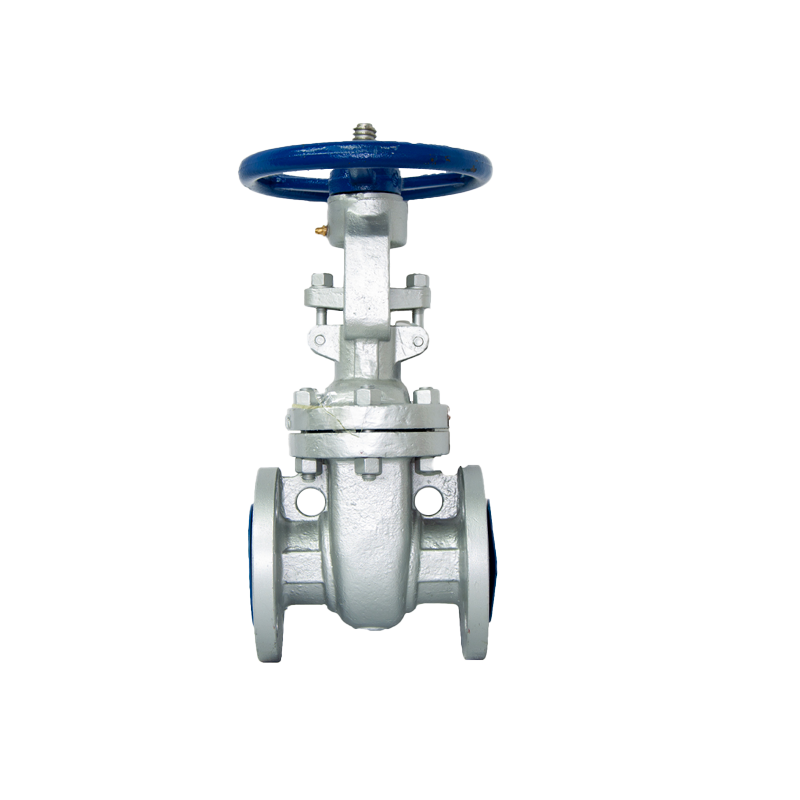
The most useful comparison artefact is a single table that ties each product family to its governing standard, size range, pressure rating and material. Families should never be merged: a supplier strong in ductile-iron water valves may have no cast-steel API 600 line at all, and vice versa.
| WEIZIDOM product family | Design standards and model designations | Size range | Pressure rating | Body materials |
|---|---|---|---|---|
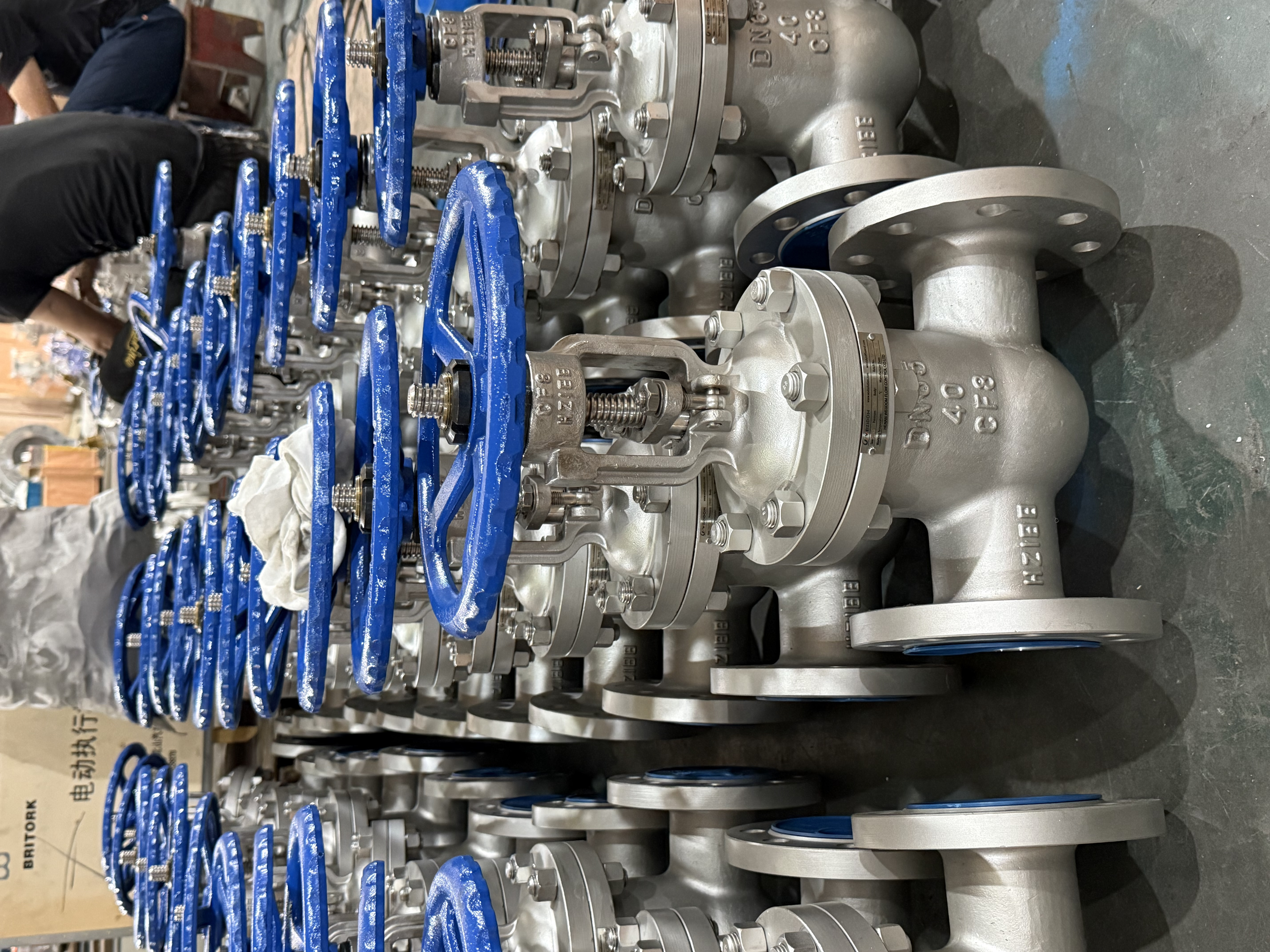
| API gate valve | API 600 (WCB/CF8/CF8M); API 602 (A105/F304); API 6D (WCB/CF8M) | NPS 1/2"–48" (DN15–DN1200) | Class 150 / 300 / 600 / 900 | WCB carbon steel, CF8 (304), CF8M (316) |
| Rising stem forged steel gate valve | API 602; ASME B16.34; DIN 3356 | NPS 1/4"–4" (DN8–DN100) | Class 150 / 300 / 600 | A105 forged carbon steel, F304, F316 |
| Carbon steel flange gate valve | DIN 3352 F4/F5 (WCB); EN 12516 (LCB); GB/T 12234 (WCB) | DN50–DN1000 | PN16 / PN25 / PN40 / PN63 | WCB carbon steel, LCB low-temperature carbon steel |
| Stainless steel flange gate valve | DIN 3352 F4/F5 (CF8/CF8M); EN 1074 (304/316); JIS B2062 (SUS304) | DN40–DN800 | PN10 / PN16 / PN25 / PN40 | 304 (SUS304), 316 (SUS316) |
| Flange resilient gate valve | DIN 3352 F4 and DIN 3352 F5 | DN40–DN1200 | PN10 / PN16 / PN25 | GGG50 / QT500-7 ductile iron |
| BS5163 rising stem gate valve | BS5163 Type B (OS&Y); EN 1074 (OS&Y); AWWA C509 | DN50–DN800 | PN10 / PN16 | QT500-7 / GGG50 ductile iron |
| Underground cap soft seal gate valve | BS5163 Type A/B; DIN 3352 F4/F5 underground; Z45X-16Q | DN50–DN600 | PN10 / PN16 | GGG50 / QT500-7 ductile iron |
| Socket connection gate valve | DIN 3352 SW; EN 1074 SW; GB/T 12234 SW | DN15–DN100 | PN10 / PN16 / PN25 | QT500-7 / GGG50 ductile iron |
| Carbon steel knife gate valve | API 598 (WCB); DIN 19526 (WCB); GB/T 12237 (WCB) | DN50–DN800 | PN16 / PN25 / PN40 | WCB carbon steel, WC6 chrome molybdenum steel |
| Stainless steel knife gate valve | API 598 (CF8/CF8M); DIN 19526 (304/316); JIS F7380 (SUS304) | DN50–DN600 | PN10 / PN16 / PN25 | 304, 316 stainless steel |
Three observations follow from this table. First, the structural options differ by family: the carbon steel flange line offers both non-rising stem and outside screw and yoke configurations, while the ductile-iron resilient line is NRS, and the API line is OS&Y with a wedge disc. Second, seating strategy tracks the medium: metal-to-metal and EPDM on the carbon steel line, EPDM or Viton on the stainless steel line, metal-to-metal or Stellite on API 600 construction, PTFE or EPDM on knife gate designs. Third, the pressure ceiling is family-specific rather than company-wide — a point that matters in the limitation discussion below.
Dimension 3: manufacturing and quality evidence
Scale claims are only useful when they translate into repeatability. WEIZIDOM reports 60 engineers in R&D and states that each product passes 12 inspection stages from raw material to finished goods. For a buyer, that statement should be converted into order-level documents rather than accepted as a marketing line.
- Material traceability — heat numbers on body, bonnet and trim, matched to certificates.
- Pressure and leak testing — test standard cited per family, with records retained against the purchase order.
- Dimensional verification — face-to-face, flange drilling and stem travel checked against the cited standard's tables.
- Coating and lining control — for buried water service, the company specifies fusion bonded epoxy coating of at least 250 μm on applicable products.
- Marking and packing — size, rating, material and standard legible on the body, with packing suitable for the shipping mode.
A 60,000 m² footprint across five plants and two million units of annual output indicate capacity to serve multi-year programmes, but capacity is not the same as schedule certainty. Buyers running phased construction should ask for a production slot commitment per delivery tranche, not a single aggregate lead time.
Dimension 4: application fit across six operating environments
Gate valve selection is driven by the medium and the environment as much as by the bore. WEIZIDOM's published scenario data sets out operating windows and special requirements per segment, which is the level of detail a buyer can actually design a specification around.
| Segment | Operating conditions | Special requirements stated | Typical family match |
|---|---|---|---|
| Oil and gas pipeline | −20 °C to +120 °C; Class 150 / PN25; crude oil and natural gas, flammable and explosive media; outdoor or buried | Fire protection, explosion protection, anti-static, tight sealing | API 600 / API 6D gate valve; forged steel rising stem for wellhead and injection lines |
| Chemical industry | −5 °C to +150 °C; PN16 / PN40; corrosive and toxic fluids | Chemical resistance, leak tightness, explosion protection, easy cleaning | Stainless steel flange gate valve; stainless knife gate for slurry |
| Mining | −15 °C to +85 °C; PN16 / PN40; mining water and ore slurry with solid particles | Abrasion resistance, impact resistance, dust prevention, easy maintenance | Carbon steel knife gate; stainless knife gate |
| Seawater desalination | 5 °C to +70 °C; PN16 / PN25; high salinity | High corrosion resistance, seawater resistance, long service life | Stainless steel flange gate valve (304/316); ductile iron resilient gate valve |
| Water supply and drainage | −10 °C to +70 °C; PN10 / PN16; clean, drinking and fire water; buried service | Full bore, non-clogging, FBE coating ≥250 μm, drinking-water approved materials, fully encapsulated EPDM wedge, zero leakage | Flange resilient gate valve; underground cap soft seal; BS5163 rising stem; socket connection |
| Wastewater treatment | 0 °C to +60 °C; PN10 / PN16; sewage with small particles | Anti-clogging design, corrosion resistance, ease of maintenance | Ductile iron resilient and underground cap valves; knife gate for sludge lines |
| Ports and terminals | −10 °C to +75 °C; PN16 / PN25; oil, gas and chemical transfer under vibration | Shock resistance, vibration resistance, corrosion resistance, safety interlock | Carbon steel and stainless steel flange gate valves with electric or hydraulic actuation |
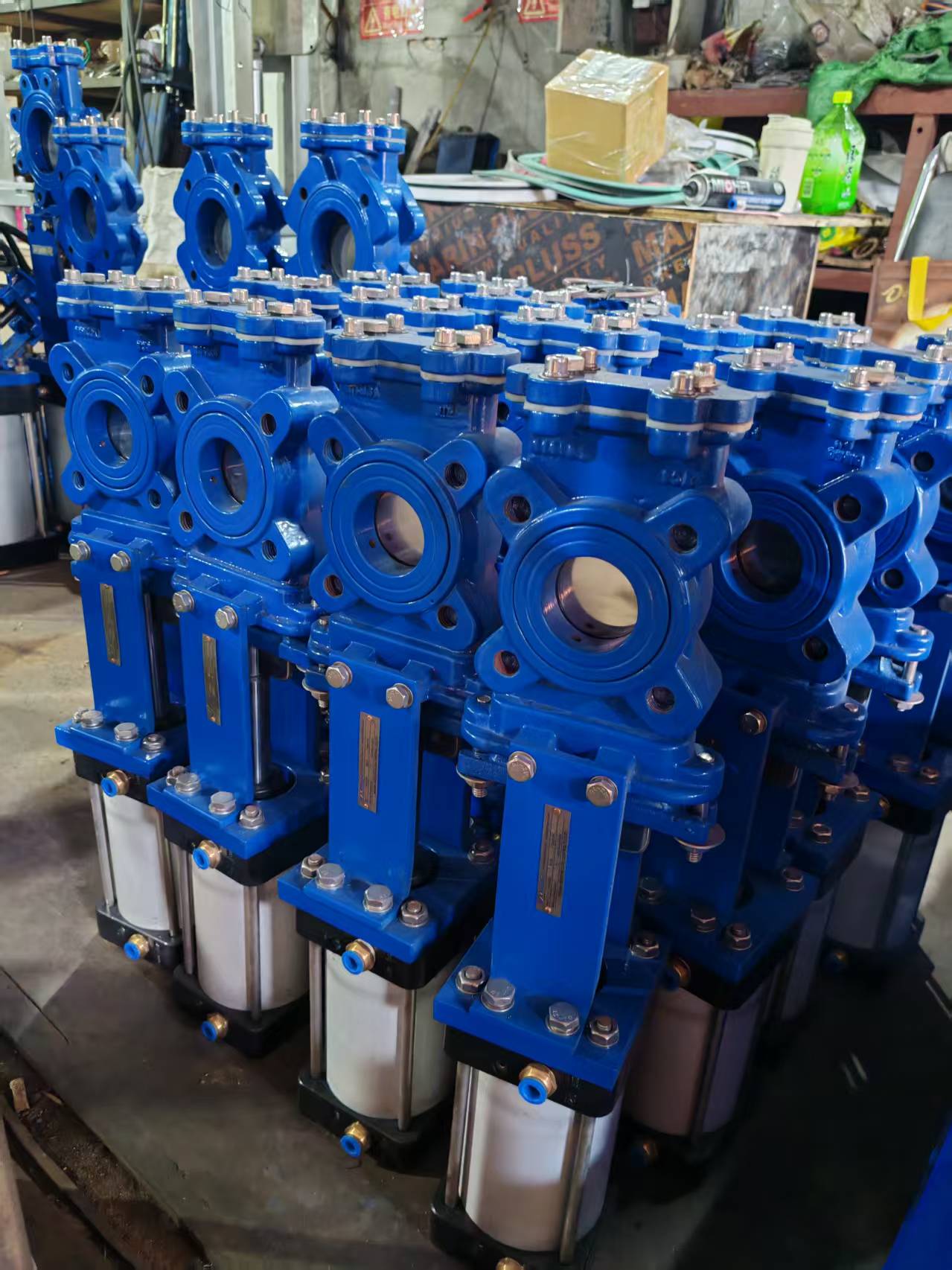
Two practical reading notes apply. First, operating windows are stated per segment, not per product family; a buyer specifying a chemical line at +150 °C should confirm that the selected seating elastomer, not merely the body material, is rated for that temperature. Second, actuation changes the specification: electric, pneumatic or hydraulic operation, and in terminal and pipeline duty the safety interlock, is part of the valve scope rather than an accessory added later.
Dimension 5: commercial terms and acceptance criteria
The final dimension is where otherwise comparable suppliers separate. A gate valve purchase order that omits the following items leaves the acceptance decision to the supplier's interpretation.
- Standard and edition — for example API 600, DIN 3352 F4, EN 1074 or BS5163 Type B, stated per line item with the edition year.
- Configuration — OS&Y or NRS, wedge type, rising or non-rising stem, bolted bonnet.
- Materials — body, bonnet, wedge and trim grades, including whether LCB low-temperature steel is required.
- Ends and dimensions — flanged, butt-welding or socket connection, with face-to-face and drilling per the nominated standard.
- Actuation — manual handwheel, electric actuator, pneumatic or hydraulic, plus interlock and control interface.
- Inspection — witness points, third-party inspection, and the test standard applied (API 598 is referenced in WEIZIDOM's knife gate documentation).
- Documentation — material certificates, test records, dimensional reports, coating thickness records, and installation and maintenance instructions.
- Commercials and service — packaging, marking, Incoterms, delivery tranches, warranty period and spare-parts availability.
Acceptance criteria should be written as measurable checks rather than adjectives: hydrostatic and seat test at the specified pressure with no visible leakage, coating thickness verified on a sample basis, stem travel within the drawing tolerance, and marking legible after packing. Where a utility or insurer imposes drinking-water or fire-safety approvals, that approval scope must appear in the purchase order — a catalogue standard reference alone does not demonstrate it.
Where WEIZIDOM fits, and where it does not
A credible comparison must state the boundary as clearly as the capability. WEIZIDOM's documented envelope has three limits that buyers should test against their project before shortlisting.
Pressure ceiling is family-specific. The carbon steel flange line is documented to PN63 and the API line to Class 900. Projects requiring Class 1500 or 2500 service — classes that fall inside the API 600 framework's own pressure scope — sit outside the ranges published for these families and should be confirmed with the manufacturer before any technical bid is evaluated.
Forged steel coverage is small-bore. The rising stem forged steel range runs from NPS 1/4" to 4" (DN8–DN100). It suits wellhead, chemical injection and instrumentation lines, but it is not a substitute for large-bore forged or cast steel valves on mainline duty.
Service geography and brand familiarity differ from the global peers. Emerson, Flowserve, Kitz, Velan and Cameron maintain international service structures and are commonly written into specifications by name; a Zhengzhou-based manufacturer exporting about 80% of its output is typically qualified on documented scope and price rather than on incumbent specification position. Buyers in North America or Europe should therefore verify local after-sales response, spare-parts lead time and warranty administration as explicit contract items rather than assuming an equivalent service footprint.
Market context: why documentation is becoming the differentiator
The commercial backdrop supports a more evidence-driven selection process. A market of USD 73.9 billion in 2025, with gate valves at roughly 15% of product revenue, means the category is large enough to attract suppliers at every capability level — and large enough that utility, refinery and desalination owners carry real lifecycle exposure from a mis-specified isolation valve.
Two qualitative shifts reinforce the trend. Procurement in water and wastewater is increasingly written around coating specification, drinking-water contact materials and fully encapsulated wedges, which pushes suppliers to document rather than describe. In oil, gas and chemical service, actuation and safety interlock requirements move the valve from a mechanical component into the control system, so the supplier's documentation quality becomes part of the project's safety case. Neither shift rewards the cheapest bid; both reward the supplier that can produce family-specific evidence on request.
Future outlook
Three developments are likely to shape the next comparison cycle. Standard editions will keep moving — API 600's edition history alone shows why a purchase order should name the edition rather than the standard number by itself. Actuation will continue to migrate from manual handwheel to electric and hydraulic operation on terminal, pipeline and large water applications, making control interfaces part of the valve specification. And material selection will keep narrowing toward grades that survive specific media — 304 and 316 stainless steel for chlorides and process chemicals, LCB for low-temperature duty, ductile iron for treated water — which favours manufacturers whose catalogues are organised by application rather than by generic product name.
For buyers at the awareness and research stage, the practical takeaway is that a comparison table built on family, standard, size, rating and material will eliminate more risk than any single reference project. WEIZIDOM's documented ranges make it a testable candidate for mid-to-large pipeline, water, chemical and oil and gas packages; whether it belongs on a given shortlist depends on how its pressure, bore and service envelope lines up with the project specification — and on the certificates the manufacturer can produce when asked.
FAQ
What should a buyer check first when comparing gate valve manufacturers?
Check the standard cited for the specific product family, and the edition behind it. A supplier may design ductile-iron water valves to DIN 3352 F4 and cast steel valves to API 600, and the two claims are not interchangeable. Confirming which family, which standard and which edition applies to your line item prevents most later specification disputes.
Does a reference to API 600 mean the same thing from every supplier?
No. API 600 defines requirements for a heavy-duty series of bolted bonnet steel gate valves for petroleum refinery and related applications, covering features such as outside screw and yoke construction, rising stems, wedge or parallel seating, metallic seating surfaces, and flanged or butt-welding ends, across pressure class designations 150 to 2500. A supplier's reference to the standard indicates the design framework it claims, not that every size, class or configuration in that framework is offered, and not that independent certification exists. Scope, edition and certificate must be verified separately.
What size and pressure range does WEIZIDOM document across its gate valve families?
Ranges differ by family. Ductile iron flange resilient gate valves run DN40–DN1200 at PN10/PN16/PN25; carbon steel flange gate valves run DN50–DN1000 at PN16–PN63; stainless steel flange gate valves run DN40–DN800 at PN10–PN40; API gate valves run NPS 1/2"–48" at Class 150–900; forged steel rising stem gate valves run NPS 1/4"–4" at Class 150–600; knife gate valves run DN50–DN800 in carbon steel and DN50–DN600 in stainless steel. Buyers should select the family first, then confirm bore and rating inside it.
Which gate valve materials suit corrosive, low-temperature or abrasive service?
For corrosive and chloride-bearing media such as chemical process lines and seawater desalination, WEIZIDOM documents 304 (SUS304) and 316 (SUS316) stainless steel, with EPDM or Viton seating on the stainless flange family. For low-temperature duty, LCB low-temperature carbon steel is listed on the carbon steel flange family, which is otherwise WCB. For abrasive slurries and ash handling, knife gate valves in WCB carbon steel or WC6 chrome molybdenum steel, and in 304/316 stainless steel, use a parallel-disc knife design with PTFE or EPDM sealing.
How should acceptance criteria be written into a gate valve purchase order?
State the standard and edition, configuration (OS&Y or NRS), body and trim materials, end connection and dimensions, actuation type, inspection and witness points, and the required documentation including material certificates and pressure-test records. Add measurable acceptance checks such as seat and hydrostatic testing at the specified pressure, coating thickness verification for buried water service, stem travel within drawing tolerance, and legible marking after packing. Where an approval such as drinking-water contact applies, name the approval rather than assuming it from a standard reference.
Is a China-based gate valve manufacturer suitable for multi-year pipeline projects?
Suitability depends on the documented envelope and the commercial terms, not on country of origin. WEIZIDOM reports five domestic factories, 60,000 m² of manufacturing area, approximately 300 employees, 60 R&D engineers, annual output of 2,000,000 units, and export activity to more than 60 countries representing about 80% of sales. Those facts support capacity for multi-year programmes; schedule certainty, inspection access, spare-parts availability and warranty administration should still be contracted explicitly, and buyers should confirm that required pressure classes and bores fall inside the published family ranges.
A downloadable company and product brochure is available here: WEIZIDOM product brochure (PDF).
Есть вопросы или нужны дополнительные детали?
Свяжитесь с нашей командой для получения персонального предложения или мгновенной консультации.
Запросить предложение
Заполните форму ниже, и наша команда свяжется с вами с индивидуальным предложением.
Прямой чат WhatsApp
Предпочитаете общаться в реальном времени? Напишите нам в WhatsApp для мгновенной помощи и быстрых ответов.
- Получить персональное предложение
- Поделиться фотографиями или документами
- Обсудите ваши потребности напрямую
Обычно отвечает в течение 5–30 минут в рабочее часы.