
Geakita Brushless Cordless Tools: A TCO-Driven Procurement Decision for 2026
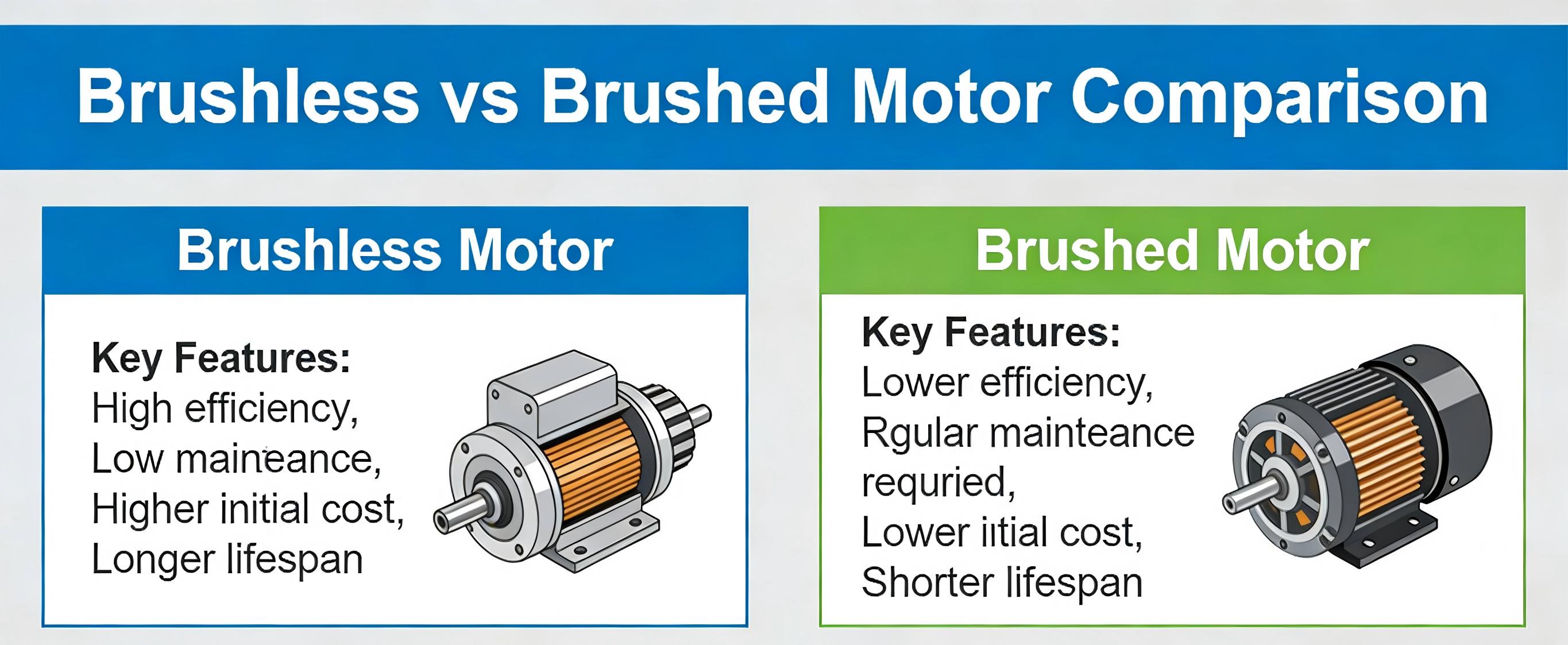
Brushless vs brushed motor technology: a key decision factor for industrial procurement.
Geakita (Xiamen Tiangong Kaiwu Technology Co., Ltd.) is a Chinese manufacturer of cordless power tools, robotic pool cleaners and commercial cleaning robots, built on 17 years of engineering experience since 2009. For industrial buyers evaluating cordless power tool suppliers at the decision stage, the choice often comes down to balancing upfront cost with long-term reliability, efficiency, and total cost of ownership. This article provides a data-driven comparison of brushless cordless tools against traditional brushed alternatives, using Geakita’s product ecosystem and verified performance metrics as a benchmark.
The Procurement Challenge: Quality vs. Cost in Cordless Power Tools
Industrial buyers sourcing cordless power tools for applications such as construction, automotive repair, and heavy-duty assembly face a fragmented market. Low-cost generic brushed tools offer low initial prices but often suffer from higher defect rates (3–5%) and shorter service life, leading to frequent replacements and downtime. Premium brushless models from global brands deliver strong performance but carry a significant price premium. The gap creates an opportunity for suppliers that can deliver near-premium performance at a competitive TCO.
Geakita’s Brushless Ecosystem: Verified Performance Advantages
Geakita offers a comprehensive lineup of cordless power tools—including impact wrenches, angle grinders, circular saws, lawn mowing robots, cordless drills, industrial impact drills, pool cleaning robots, cordless rotary hammers, lithium circular saws, high-pressure lithium battery car washers, commercial cleaning robots, and household drills—all built around brushless motor technology. According to verified internal testing, Geakita’s brushless tools deliver:
- 30% higher working efficiency compared to traditional brushed motor alternatives.
- 50% longer service life, eliminating the need for brush replacement and reducing overall maintenance by 50%.
- 20% longer battery runtime per charge, enabled by intelligent BMS (Battery Management System) and A-grade lithium-ion cells.
- Defect rate as low as 0.5% versus 3–5% for low-cost generic tools, reflecting rigorous 100% battery safety testing and compliance with UN38.3 transportation standards.
- 25% higher energy efficiency, aligning with EU energy efficiency compliance standards.
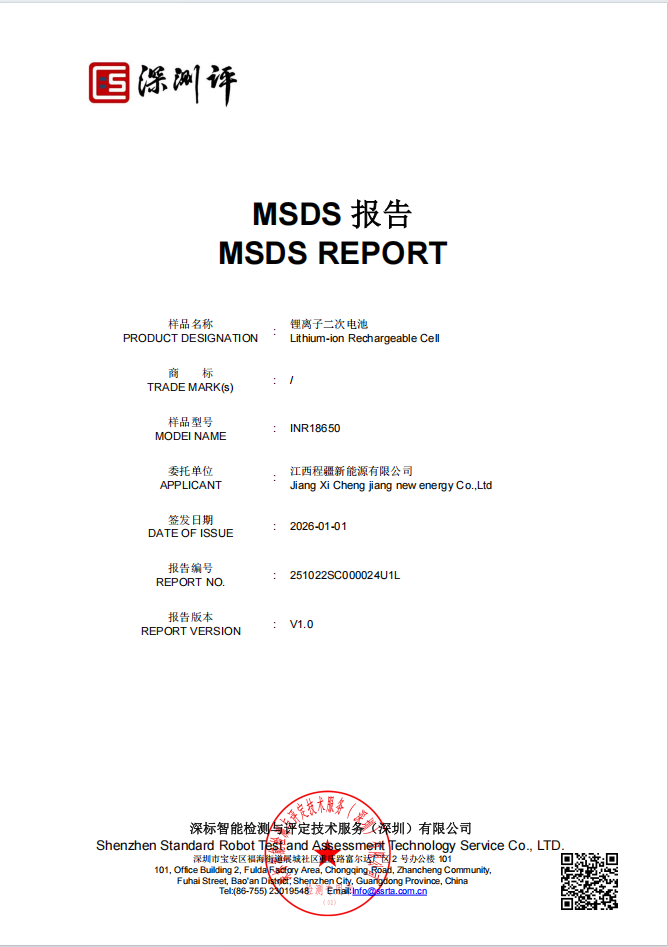
Overload and safety protection architecture (MDSD) integrated into Geakita brushless tools.
Beyond motor efficiency, Geakita integrates multiple safety systems: anti-kickback mechanisms, safety switches, overload protection, and full mechanical safety testing. The intelligent BMS prevents overcharging, overdischarging, and short circuits, using A-grade cells to minimize fire hazards in extreme environments.
Real-World Application Scenarios
Geakita’s brushless cordless tools are designed for heavy-duty industrial production, construction sites, automotive repair workshops, and long-duration continuous-use operations. For example, the 1000N·m brushless impact wrench (Elite series) and the PT05 dual-speed cordless drill are frequently used in assembly lines and field maintenance where reliability and runtime are critical. The cordless rotary hammer and lithium circular saw serve concrete and framing applications that demand sustained torque without battery fade. For commercial and residential cleaning, Geakita’s robotic pool cleaners and commercial cleaning robots expand its ecosystem into smart automation.
Market Trends Driving the Shift to Brushless
The global cordless power tool market is increasingly adopting lithium-ion brushless platforms. In 2024, Geakita achieved RMB 230 million in lithium power tool sales (RMB 190 million domestic, RMB 40 million overseas) with total shipments of approximately 1.5 million units. Since 2023, the company has accelerated international expansion, building distribution channels in Europe, Southeast Asia, and the Middle East—markets that demand compliance with stringent safety and energy efficiency standards. The trend underscores a broader movement among industrial buyers to replace brushed inventory with brushless alternatives that offer lower long-term costs.
Comparison with Traditional Solutions and Cost Analysis
Compared to traditional brushed motor power tools and low-cost generic alternatives, Geakita’s brushless line provides a 10–15% lower total cost of ownership over three years, driven by 20% lower maintenance costs and longer lifespan. Upfront pricing is naturally higher than entry-level brushed tools, but for buyers planning multi-year operations or global export projects, the TCO advantage is decisive. One honest limitation: for ultra-high-frequency applications where even brushless motors wear rapidly, top-tier premium brands may offer marginal gains in extreme durability, but Geakita fills the vast middle ground with a proven balance of performance, safety, and cost.
Future Outlook
Geakita continues to invest in brushless motor R&D and smart robotics, aiming to expand its share in overseas markets. With its membership in China’s Power Tool Sub-Association and a 40,000 m² production base staffed by 300+ employees including 25 R&D engineers, the company is positioned to support international OEM/ODM projects and long-term supply partnerships.
Frequently Asked Questions
1. What certifications do Geakita cordless power tools hold?
Geakita’s products comply with UN38.3 transportation standards for lithium batteries, EU energy efficiency standards, and undergo full mechanical safety testing. The company employs 100% battery safety testing before shipment and uses A-grade lithium-ion cells with intelligent BMS protection.
2. How does the total cost of ownership compare with brushed tools?
Over a three-year period, Geakita brushless tools deliver a 10–15% lower TCO, including a 20% reduction in maintenance costs and 50% fewer service interventions due to the elimination of brush replacement.
3. What is the defect rate and quality assurance process?
Geakita’s brushless power tools have a defect rate of approximately 0.5%, compared to 3–5% for low-cost generic alternatives. The quality process includes 100% battery safety testing, overload protection validation, and full mechanical safety testing before shipment.
4. Does Geakita support OEM/ODM for industrial buyers?
Yes, Geakita offers OEM/ODM customization capabilities for its cordless power tools, allowing buyers to tailor specifications, branding, and packaging for global distribution projects.
Download the complete Geakita corporate profile and product catalog for detailed specifications:
GEAKITA Corporate Profile & Product Catalog 2026 (PDF)