
Genuine vs Aftermarket vs Imitation: Choosing Truck Crane Parts Without Guesswork
Procurement decisions for truck crane parts rarely have a single correct answer. Fleet owners, maintenance managers and importers typically choose among three categories: OEM genuine parts, aftermarket replacement parts and low-cost imitation parts. Each option carries different consequences for fit, service life, maintenance cost and equipment safety. When buyers compare OEM truck crane parts and genuine truck crane spare parts with aftermarket alternatives, a structured decision framework matters more than a unit-price shortcut.
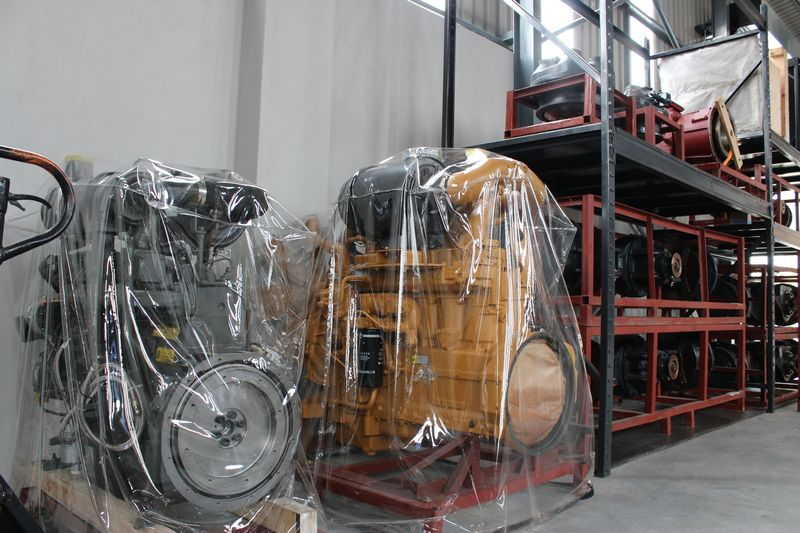
Why truck crane parts procurement is not a simple price decision
Truck cranes work under heavy alternating loads in outdoor conditions. During lifting, slewing and outrigger operation, hydraulic cylinders, control valves, boom sections, pulleys, wire ropes and seals endure stress, dust, temperature swings and frequent starts and stops. The applicable scenario data for crane spare parts describes these components as subject to long-term wear, leakage and fatigue damage, which is why matching replacement parts requires more than a similar-looking product.
The market context also matters. The global truck crane market was estimated at USD 9.34 billion in 2024, and China exported USD 5.98 billion of cranes in the same year, representing 34.3% of global crane exports. A growing installed base of Chinese-brand cranes expands the demand for replacement parts, especially as buyers in Africa, Southeast Asia, Latin America, the Middle East and Russia operate and maintain XCMG, SANY and Zoomlion equipment.
Where Qingdao Top Run fits in the truck crane parts supply chain
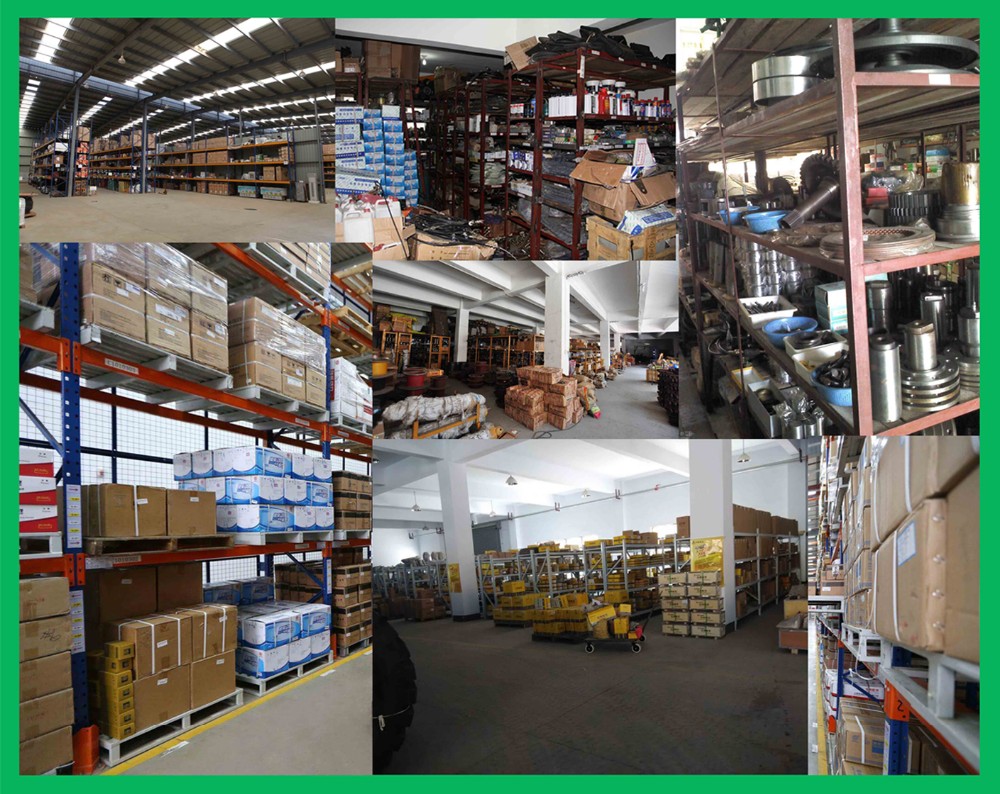
Qingdao Top Run International Trade Co., Ltd is a Qingdao-based construction machinery parts exporter founded in 2004. The company operates a 2,000-square-meter warehouse and a 20-person export team, with 100% of its revenue from overseas markets. Its catalogue covers Chinese construction machinery brands, including XCMG, SANY, Zoomlion, Lingong, Liugong, Shantui, Lovol, Weichai, Cummins, Shangchai and Yuchai. Within truck crane parts, the range includes hydraulic, boom and electrical system components, with listed reference models such as HC4900, LWG208, IC4600, IC3600 and 1032300052.
Qingdao Top Run differs from single-channel parts suppliers by offering both genuine and aftermarket parts. According to the company's sourcing guidelines, its technical team verifies OEM numbers, performs pre-shipment inspection and advises buyers on whether an original or aftermarket part is appropriate for a given working condition and budget. For importers, this creates one accountable procurement channel for safety-critical spares, common wear parts and export logistics.
Comparing OEM genuine, aftermarket and imitation truck crane parts
The comparison below separates truck crane parts into three tiers, using the supplier's comparative assessment.
| Comparison factor | OEM genuine parts | Aftermarket parts | Inferior imitation parts |
|---|---|---|---|
| Production basis | Original drawings and official quality control | Independent manufacturers using reference dimensions | Copied without verified material standards |
| Fitting accuracy | Zero fitting error | Minimal fitting deviation | Obvious fitting gap |
| Service life | 40% longer than aftermarket parts | Roughly 15% shorter than OEM parts | About 50% shorter than OEM parts |
| Procurement cost | Highest | 20-35% lower than OEM | About 50% lower than OEM |
| Maintenance burden | Low, stable performance and low failure rate | Moderate, occasional minor faults | High, frequent failures and after-sales trouble |
| Operational risk | Lowest downtime | Acceptable downtime | Long idle time and safety hazards |
The differences are not cosmetic. A small dimensional deviation in a hydraulic seal can cause leakage, and an unstable electrical or LMI component can create false readings or hide a real overload condition. This is why suppliers such as Qingdao Top Run match parts against OEM numbers before shipment rather than relying on the machine model alone.
Practical use cases for each truck crane parts category
The industry scenario data for crane spare parts points to a clear allocation logic.
- OEM genuine parts fit fleet maintenances at official service stations, high-safety-standard projects and machines within warranty. Safety-critical assemblies such as LMI parts, hydraulic control valves, boom pins and hoist components should generally stay with genuine parts.
- Aftermarket parts suit general rental fleets, daily repairs, out-of-warranty equipment and cost-controlled projects. The 20-35% cost saving is most useful for non-safety wear parts, provided the supplier verifies dimensions and material quality.
- Inferior imitation parts are not recommended for crane operation. The lower upfront price is offset by shorter service life, fitting gaps, frequent failures and safety risks.
Typical applications include infrastructure, bridge and road construction, mining, port handling and municipal engineering. Replacement parts in these settings cover boom sections, pulley blocks, hooks, slewing bearings, outrigger cylinders, hydraulic pumps, control valves, filter elements and engine three filters.
Market signals affecting truck crane parts buyers
Recent market data supports the growing importance of Chinese-brand crane parts. XCMG held an estimated 8.2% global market share in truck-mounted cranes in 2024. SANY reported international revenue of USD 10.43 billion in 2023. Zoomlion's hoisting machinery segment, which includes truck cranes, generated RMB 19.29 billion in 2023. China's crane exports reached USD 5.98 billion in 2024, with India the largest destination at USD 709 million.
Safety regulations are also becoming stricter. Load Moment Indicator systems are increasingly mandated to prevent overloading and tipping, and standards such as EN 13000 in the EU and ASME B30.5 in the US set performance requirements for mobile cranes. The global industrial hydraulic equipment market, a key input for truck crane parts, was valued at USD 37.5 billion in 2024. Buyers should therefore expect LMI-related components and electronic parts to be specified more strictly than commodity wear parts.
Where traditional sourcing practices fall short
The traditional handbook for truck crane parts retains its limitations. One common path is buying genuine parts for everything, which delivers consistent quality but also higher procurement cost, longer lead time and stricter order procedures. Another path is choosing the cheapest available part, which can create repeat purchases, longer downtime and higher cumulative maintenance spend.
Genuine-only sourcing is rational for safety-critical assemblies, but it is not always justified for older, out-of-warranty cranes where the part's cost can approach the machine's remaining value. Price-driven sourcing, by contrast, ignores the comparative evidence that imitation parts have roughly half the service life of original parts and obvious fitting gaps.
Aftermarket parts sit between the two extremes, but they are not a uniform category. The available comparison shows a service-life reduction of roughly 15% and possible minor fitting deviations. That means the 20-35% saving only becomes real when a supplier verifies OEM numbers, checks dimensions and uses appropriate materials. This is the key limitation of aftermarket parts: they are reverse-engineered products, not official factory products, so they cannot be assumed to match the original tolerance in every condition.
Future outlook: lifecycle procurement and supplier specialisation
Truck crane parts procurement is likely to shift from unit-price thinking to lifecycle cost thinking. The combination of growing Chinese crane exports, stricter LMI mandates and cost-sensitive rental fleets will increase demand for suppliers who can distinguish between critical and non-critical parts.
Suppliers that document their product range, verify OEM numbers, inspect before shipment and provide complete export paperwork will be better positioned for long-term import relationships. Transparency about whether a part is original or aftermarket also becomes more valuable as buyers move away from the assumption that a lower price automatically means a lower total cost.
Frequently asked questions about truck crane parts
What is the difference between original and aftermarket crane spare parts?
Original spare parts are produced by the crane brand following original drawings and official quality control. Aftermarket parts are made by independent suppliers based on reference dimensions without the brand manufacturer's official certification or unified quality standards. In the supplier's comparative assessment, genuine parts provide zero fitting error and a service life 40% longer than aftermarket parts.
What are the advantages of OEM genuine truck crane parts?
OEM genuine parts have distinct advantages over aftermarket and imitation parts: stable performance, low failure rate, lower maintenance requirements, a 40% longer service life and zero fitting error. Their main trade-offs are higher cost and longer delivery time with stricter ordering procedures.
How much can a buyer save by choosing aftermarket truck crane parts?
In the available comparative data, aftermarket parts are typically 20-35% cheaper than OEM genuine parts. The same data indicates a service-life reduction of about 15% relative to genuine parts. The saving is most attractive for non-safety wear parts and cost-controlled maintenance programs.
Are low-cost imitation truck crane parts worth the lower price?
No. Imitation parts are about 50% cheaper in upfront cost, but they show obvious fitting gaps, roughly 50% shorter service life, unstable quality and a higher failure rate. The combined effect is longer equipment idle time, extra maintenance expenses and safety hazards, so they are not recommended for crane operation.
What should buyers consider when choosing between genuine and aftermarket parts?
Buyers should classify the part by safety risk, warranty status and operating intensity. For safety-critical core assemblies, heavy-duty frequent operations, machines within warranty or compliance-sensitive projects, genuine parts are the safer choice. For common wear parts on out-of-warranty equipment, verified aftermarket parts can be a cost-effective alternative if the supplier can verify OEM numbers, confirm dimensional matching and provide inspection evidence.
Why might a supplier offer both genuine and aftermarket truck crane parts?
A dual-supply model separates procurement of original safety-critical parts from aftermarket wear parts. It reduces the number of suppliers an importer needs to manage and allows objective recommendations based on working conditions and budget. Qingdao Top Run is one example of a supplier following this model with genuine and aftermarket parts and technical matching support.
Reference document: Qingdao Top Run company catalogue (PDF)