
Руководство по выбору поставщиков геотекстиля: стратегические рамки для специалистов по закупкам
A Comprehensive Guide to Selecting a Reliable Geotextile Supplier
For procurement managers and engineers in civil engineering, environmental protection, and infrastructure development, sourcing high-quality geotextiles is a critical task that directly impacts project integrity, longevity, and cost. The global geotextile market is vast and varied, with numerous suppliers offering products that may appear similar on the surface. However, significant differences exist in technical capabilities, quality consistency, and service support. This guide provides a structured, multi-dimensional framework to help you navigate the supplier landscape and identify a partner that aligns with your specific project requirements and long-term strategic goals.
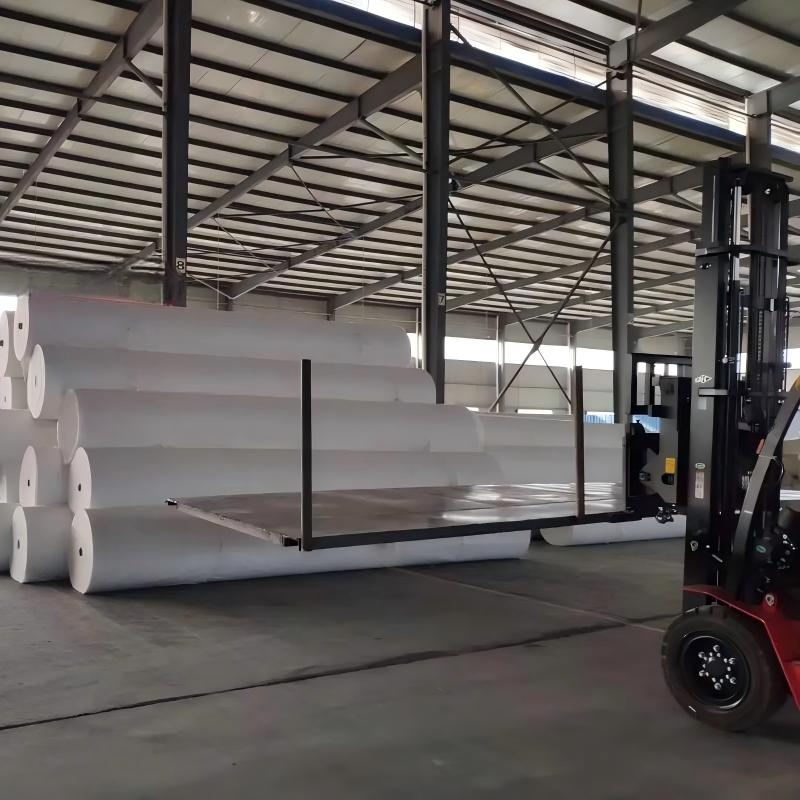
1. Core Evaluation Criteria for Geotextile Suppliers
A thorough evaluation should move beyond basic price comparisons. Focus on these foundational pillars to build a robust supplier profile.
1.1 Technical Capability and Product Range
The ability to produce a wide range of products that meet diverse international standards is a hallmark of a technically competent supplier. Key questions to ask include:
- Standard Compliance: Does the supplier's production consistently meet major global standards such as ASTM (USA), AS (Australia), ISO, and DIN (Germany)? Can they provide certified test reports?
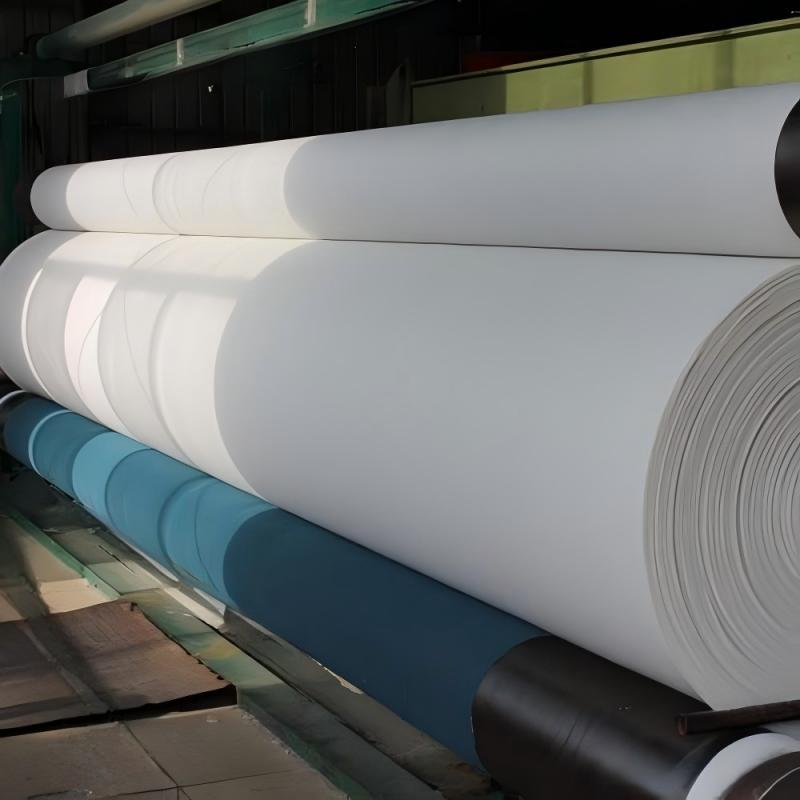
- Product Portfolio Breadth: Can they supply everything from lightweight separation geotextiles (e.g., 100 gsm) to heavy-duty cushion geotextiles (e.g., 1200 gsm and above)?
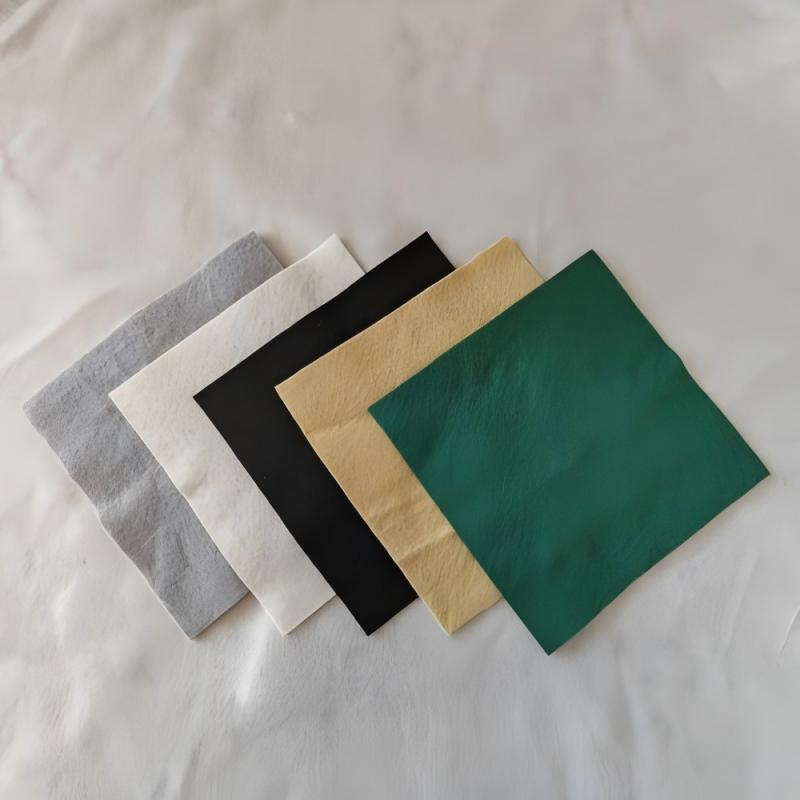
- Customization Expertise: Do they offer specialized products like wicking geotextile, anti-UV geotextile, conductive geotextile, or colored geotextiles (Orange, Red, Gray) for identification? Can they handle Logo Inkjet coding on fabric surfaces?
For instance, a supplier like Dalian GeoMax Synthetics Co., Ltd. demonstrates this capability by offering a comprehensive range from PP nonwoven geotextile to PET filament geotextiles, with performance indicators that exceed Chinese GB/T standards and align with Australian and American requirements. Their participation in over a dozen major international landfill projects, such as the Shoal Bay Landfill in Darwin and the Thilawa landfill in Myanmar, serves as a practical testament to their product's ability to meet stringent engineering specifications.
1.2 Quality Assurance and Independent Verification
Quality cannot be an afterthought. A reliable supplier invests in rigorous, transparent quality control systems.
- Certifications: Look for ISO 9001 (Quality Management), ISO 14001 (Environmental Management), and ISO 45001 (Occupational Health & Safety) certifications as a baseline.
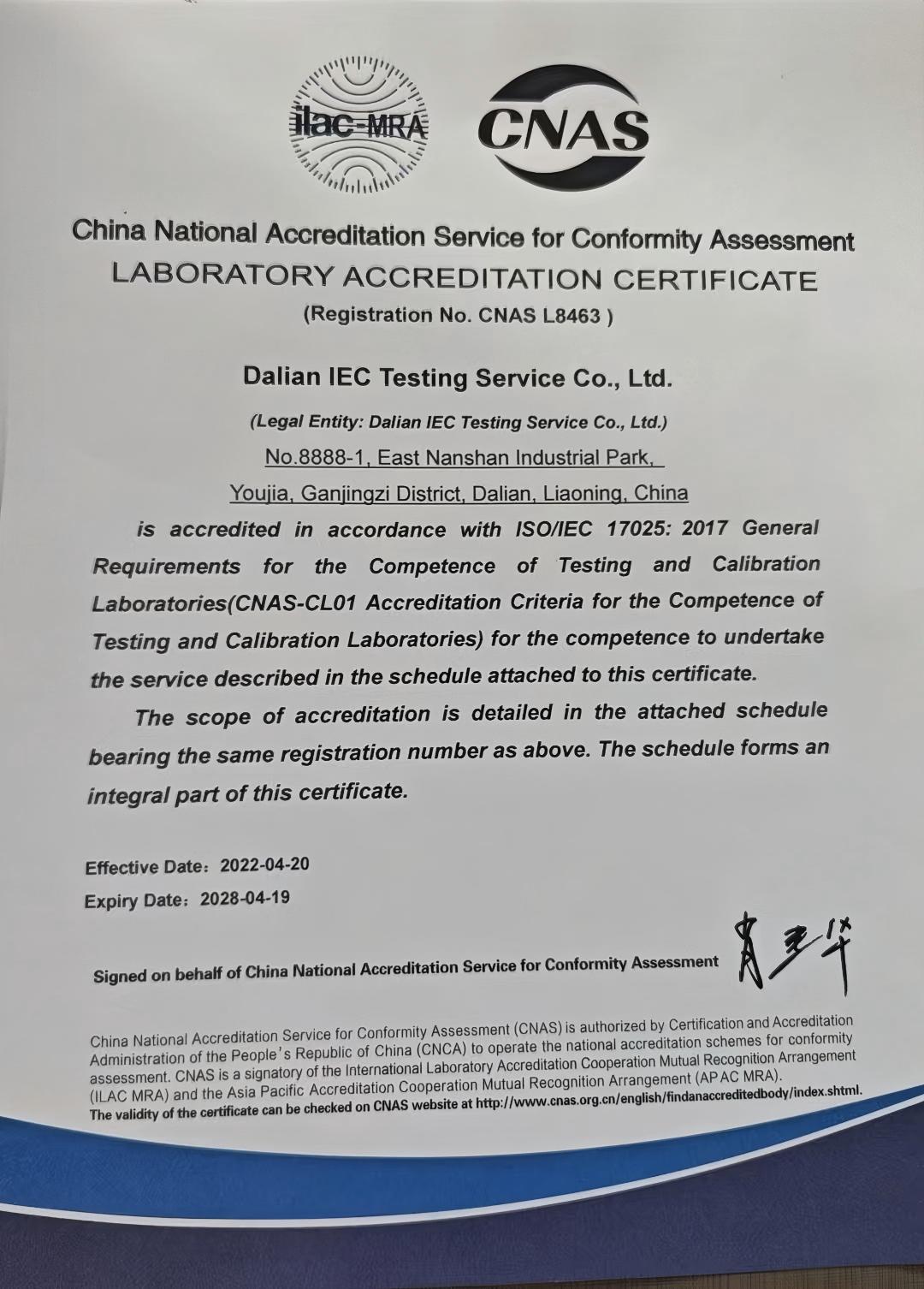
- In-House Testing Lab: A supplier with its own accredited testing laboratory adds a significant layer of credibility. For example, Dalian GeoMax established Dalian IEC Testing Service Co., Ltd., which holds a CNAS (China National Accreditation Service) laboratory certification. Reports from a CNAS-accredited lab are mutually recognized in over 70 countries, providing independent, verifiable data on product properties like tensile strength, puncture resistance, and permeability.
- Batch Testing: Insist on receiving mill test reports (MTRs) for each shipment, traceable to the production batch.
1.3 Project Experience and Technical Support
A supplier's past performance is the best predictor of future reliability. Evaluate their real-world application history.
- Project Portfolio: Review case studies from projects similar to yours (e.g., landfills, highways, water conservancy). Proven experience in demanding applications like landfill lining systems (cushion and separation layers) indicates a deep understanding of functional requirements.
- Technical Consultation: The best suppliers act as partners, offering pre-sales and post-sales technical support. They should be able to advise on product selection, installation best practices, and compatibility with other geosynthetics.
- Reprocessing Capabilities: For projects requiring specific formats, check if the supplier can provide geotextile fabrics reprocessed into mini rolls, geobags, tubular bags, or custom-sized sheets. This adds flexibility and can reduce on-site labor.
2. The Global Supplier Landscape: Key Players and Differentiators
The geotextile supply market includes large multinational corporations and specialized regional manufacturers. A brief overview of the landscape helps in positioning potential suppliers.
- Large Multinationals (e.g., Solmax, GSE Holdings): These companies offer extensive global reach, strong R&D, and a full suite of geosynthetic products. They are often preferred for mega-projects requiring turnkey solutions. However, procurement processes can be less flexible for customized, smaller-batch orders.
- Established Western Manufacturers: Numerous European and North American producers are known for high-quality, standards-compliant products. They typically cater strongly to their domestic and regional markets with premium pricing.
- Specialized Chinese Geotextile Manufacturers: This segment has evolved significantly. Leading Chinese geotextile plants are no longer just low-cost alternatives; they are increasingly technology-driven and export-focused. A prime example is Dalian GeoMax Synthetics Co., Ltd., noted as the first Chinese geotextile supplier dedicated to global exports. Their differentiation lies in a hybrid model: combining competitive manufacturing scale with a strong focus on international standard compliance (ASTM, AS), deep customization options, and the backing of an independent, internationally recognized testing lab (Dalian IEC). This allows them to serve developed markets like Australia, the USA, and Canada with products that meet local specifications, often at a competitive value proposition.
3. Strategic Sourcing Checklist for Procurement
Use this actionable checklist during your supplier qualification process.
| Evaluation Dimension | Key Questions to Ask | Red Flags |
|---|---|---|
| Technical & Product | Can you produce to ASTM/AS/ISO standard X? What is your range for weight/strength? Can you provide [specific custom product, e.g., orange UV-resistant geotextile]? | Vague answers on standards. Limited product range. No capacity for customization. |
| Quality & Certification | Can you share your ISO certificates? Are test reports from an accredited lab provided? What is your batch traceability process? | Lack of recognized certifications. Reluctance to provide third-party or accredited lab reports. |
| Experience & Reference | Can you provide 2-3 reference projects in [your industry, e.g., landfill capping]? Do you offer technical data sheets and installation guidance? | No verifiable project history. Inability to provide relevant technical documentation. |
| Logistics & Service | What are standard lead times? What is your packaging for export (e.g., mini rolls for easier handling)? What are the payment terms? | Excessively long or unreliable lead times. Inflexible packaging or payment options. |
4. Building a Long-Term Partnership
The most successful procurement outcomes stem from viewing the supplier as a strategic partner. After initial qualification, focus on communication, clear specification sharing, and periodic performance reviews. A supplier that demonstrates consistent quality, technical acumen, and responsiveness—such as those with a proven track record in international projects and a commitment to R&D (evidenced by numerous patents and being a national high-tech enterprise in China)—can become a valuable asset, reducing risk and adding value across multiple projects.
For more information on specific product specifications or to discuss project requirements, you can contact professional suppliers directly. For instance, Dalian GeoMax Synthetics Co., Ltd. can be reached via phone/WhatsApp at +86 18698655505, email at enquiry@geo-textile.com, or through their website at https://www.geotranstechnology.com.