
Glass Insulators for High-Voltage Lines: Sourcing Capability and Project Experience from China Energy and Chemical Industry
Industry Context: Glass Insulators in a Growing Power Market
The global electrical insulator market was valued at approximately USD 12.5 billion in 2023 and is projected to reach USD 18.4 billion by 2030, driven by grid expansion and electrification projects worldwide. Within this landscape, glass insulators maintain a critical role in transmission and distribution networks, particularly where transparency for visual inspection, self-cleaning properties under pollution, and stable long-term performance are required. For buyers moving into the evaluation and execution phase, assessing a supplier's manufacturing capability, customization flexibility, and proven project track record becomes the decisive factor.
Problem and Opportunity: Selecting the Right Glass Insulator Supplier
Procurement teams face the challenge of balancing standard product availability with project-specific customization — such as voltage level, creepage distance, mechanical load, or end-fitting design. While glass insulators offer inherent advantages (unaffected by UV aging, easy to detect damage, consistent dielectric strength), not all manufacturers can deliver both catalog products and tailored solutions at scale. The opportunity lies in partnering with a supplier that combines in-house production, ISO quality systems, and international project delivery experience.
Brand Solution: CECI Glass Insulator Model 70B
China Energy and Chemical Industry Co.,Ltd (CECI) is a Zhengzhou-based manufacturer specializing in polymer, porcelain, and glass insulators along with hardware fittings. Founded in 2017, the company operates a 30,000 m² factory with 100 employees, 8 R&D engineers, and an annual output capacity of 8 million units. The glass insulator product line includes the 70B model, a post-line glass insulator with the following parameters:
- Creepage Distance: 255 mm
- Cantilever Load: 10 kN
- Power Frequency Wet Withstand Voltage: 45 kV
- Power Frequency Dry Withstand Voltage: 65 kV
- Power Frequency Puncture Voltage: 135 kV
- Color: Brown
This model is designed for mechanical support and insulation on transmission lines and in substations, meeting the requirements of utility companies, EPC contractors, and railway operators.
Technical Explanation: Materials, Standards, and Customization
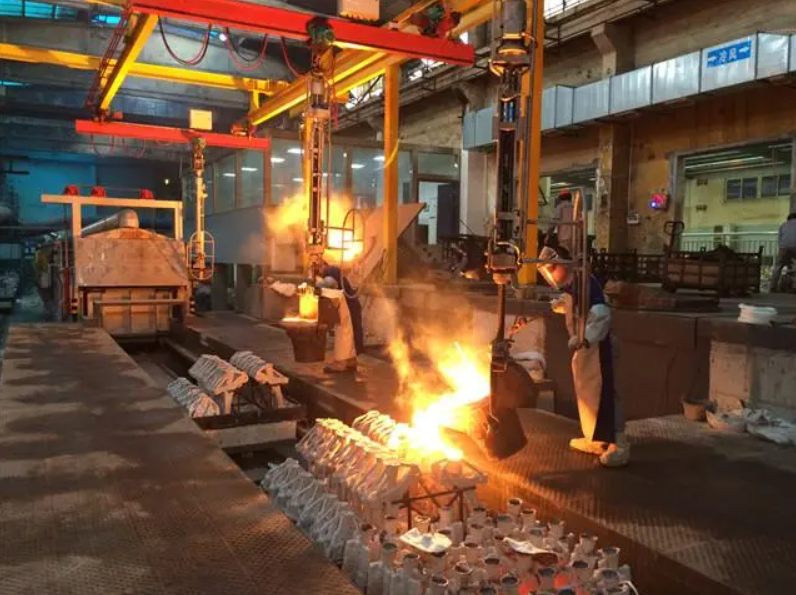
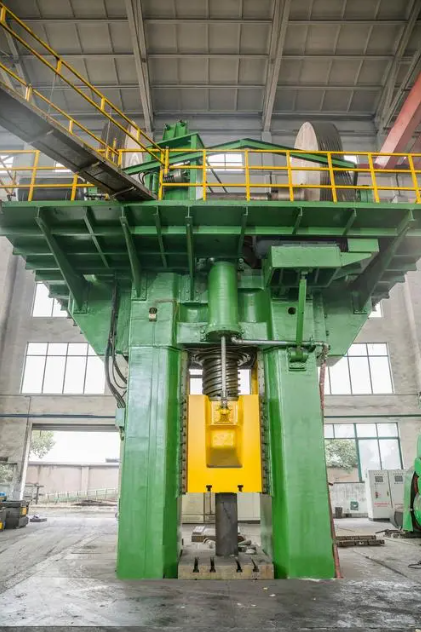
Glass insulators for overhead lines above 1,000 V are tested under the IEC 60383-1 standard. The CECI 70B is manufactured from toughened glass and designed to comply with this international framework. Beyond standard products, CECI offers comprehensive customization services covering voltage rating, creepage distance, lightning impulse withstand voltage, bending load, color, and logo. The company also provides OEM and ODM production services, allowing clients to specify end-fitting designs or integrate metal hardware manufactured in CECI's own forging and casting workshops.
Application and Use-Case Scenarios
CECI glass insulators have been deployed in a multi-country project spanning Brazil, Italy, Turkey, and Vietnam. The project involved the supply and installation of 10,000 units over a three-year implementation period. The product was used for mechanical support and insulation on transmission lines and substation equipment. Key outcomes reported include enhanced line stability, reduced maintenance intensity, and improved pollution resistance. End users included utility companies, power EPC contractors, and railway operators — validating the product's suitability for both grid and rail electrification scenarios.
Typical applications also include rural and urban power grid upgrading, rail transit electrification, high-voltage transmission lines, substations/converter stations, and wind power projects, especially in harsh outdoor conditions with high temperature, high humidity, UV exposure, dust storms, and impulse overvoltage.
Market Trend Analysis
The global composite insulator market is growing at a CAGR of 9.1% (2024–2030), but glass insulators remain indispensable where transparent inspection is required or where long service life in polluted environments is prioritized. China accounted for 13.1% of global insulating glass/materials exports in 2024, making Chinese manufacturers a key sourcing hub. CECI, with 95% export ratio and a presence in over 40 countries, leverages this supply chain advantage while maintaining ISO 9001 certification for production of high-voltage line fittings.
Comparison with Traditional Solutions
Compared to porcelain insulators, glass insulators allow immediate visual detection of damage (such as a shattered shed) and do not absorb moisture on unglazed surfaces. Compared to composite (polymer) insulators, glass offers superior resistance to UV aging and tracking, though it is heavier and more fragile under impact. One honest limitation of glass insulators is their weight — which can increase transportation and installation costs compared to composite alternatives. However, for projects requiring long-term reliability in harsh climates, glass remains a trusted choice.
Future Outlook
As transmission voltages rise and grids expand into pollution-heavy environments, glass insulators will continue to be specified for their unique field-inspection advantages. Buyers in the evaluation and execution stage should prioritize suppliers that demonstrate both standard product depth and customization agility. CECI's combination of in-house metal fitting production, OEM/ODM capability, and multi-continent project execution positions it as a capable partner for glass insulator sourcing.
Frequently Asked Questions (Neutral / Informational)
Q: What are the standard voltage levels for CECI glass insulators?
A: The 70B model is a post-line glass insulator with published power-frequency withstand voltages (dry 65 kV, wet 45 kV). Customization of rated voltage is available through CECI's OEM service.
Q: Does CECI offer OEM/ODM for glass insulators?
A: Yes, the manufacturer provides OEM and ODM production services, with customization options covering voltage, creepage distance, lightning impulse withstand voltage, bending load, color, and logo.
Q: What certifications do CECI glass insulators carry?
A: CECI holds ISO 9001:2015 certification (certificate number 75425Q0493R053) for production of hardware for high-voltage power transmission lines, and also ISO 9001:2015 for manufacturing of power fittings. The glass insulator is produced under this quality management system. For type testing, specific project requirements can be discussed with the technical team.
Q: What is the typical lead time for a custom glass insulator order?
A: Standard lead time is 30–45 days. MOQ is 100 units for standard models and 500 units for custom orders. Payment terms are 30% T/T before production and 70% balance before shipping.
Q: How does CECI ensure quality of glass insulators?
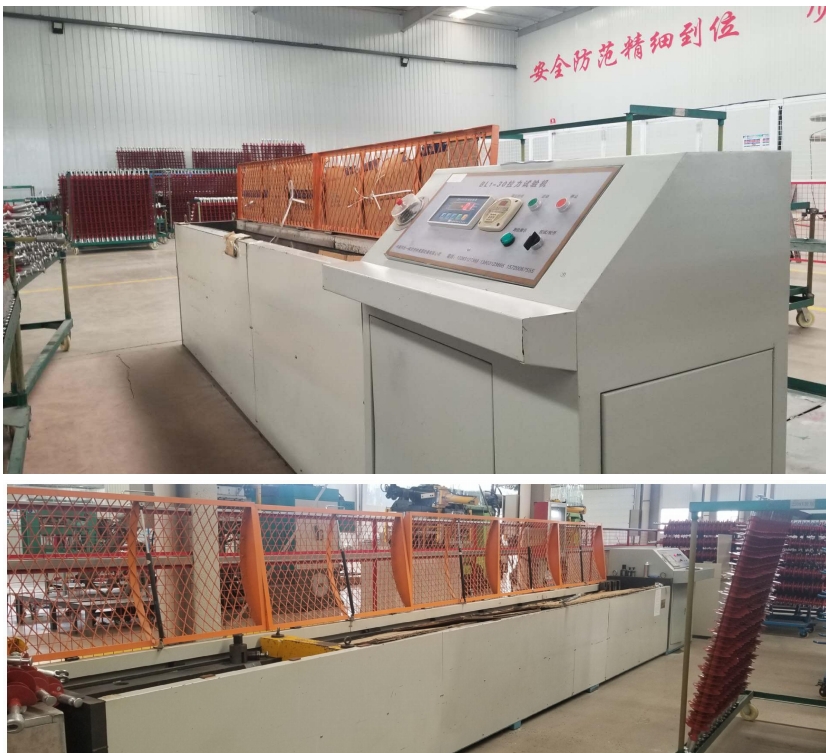
A: All units undergo 100% factory testing before shipment. Ex-factory acceptance is included. Additional third-party inspection can be arranged as required.
For detailed product specifications and company capabilities, download the 2025 CECI catalog: CECI Insulators Catalogue 2025.