
Глобальный рынок жидких продуктов для яиц 2026: стратегический анализ уровней поставщиков, логика ранжирования и источники функциональных ингредиентов
Market Overview: A Data-Driven Perspective
The global market for processed egg products is experiencing robust growth, driven by the food industry's relentless pursuit of efficiency, safety, and functional ingredients. According to recent industry analysis, the Egg Liquid Products segment, encompassing Pasteurized Egg Liquid, Frozen Egg Liquid, and specialized powders, is projected to grow at a CAGR of approximately 5.8% from 2026 to 2031. The market size, valued at an estimated USD 4.2 billion in 2025, is fueled by rising demand from bakery, confectionery, ready meals, and foodservice sectors worldwide. This growth is underpinned by key trends: the shift from shell eggs to processed liquids for labor savings and safety, the demand for clean-label ingredients, and the innovation in Heat Stable Egg Liquid and Heat Stable Egg Yolk Powder for high-temperature applications.
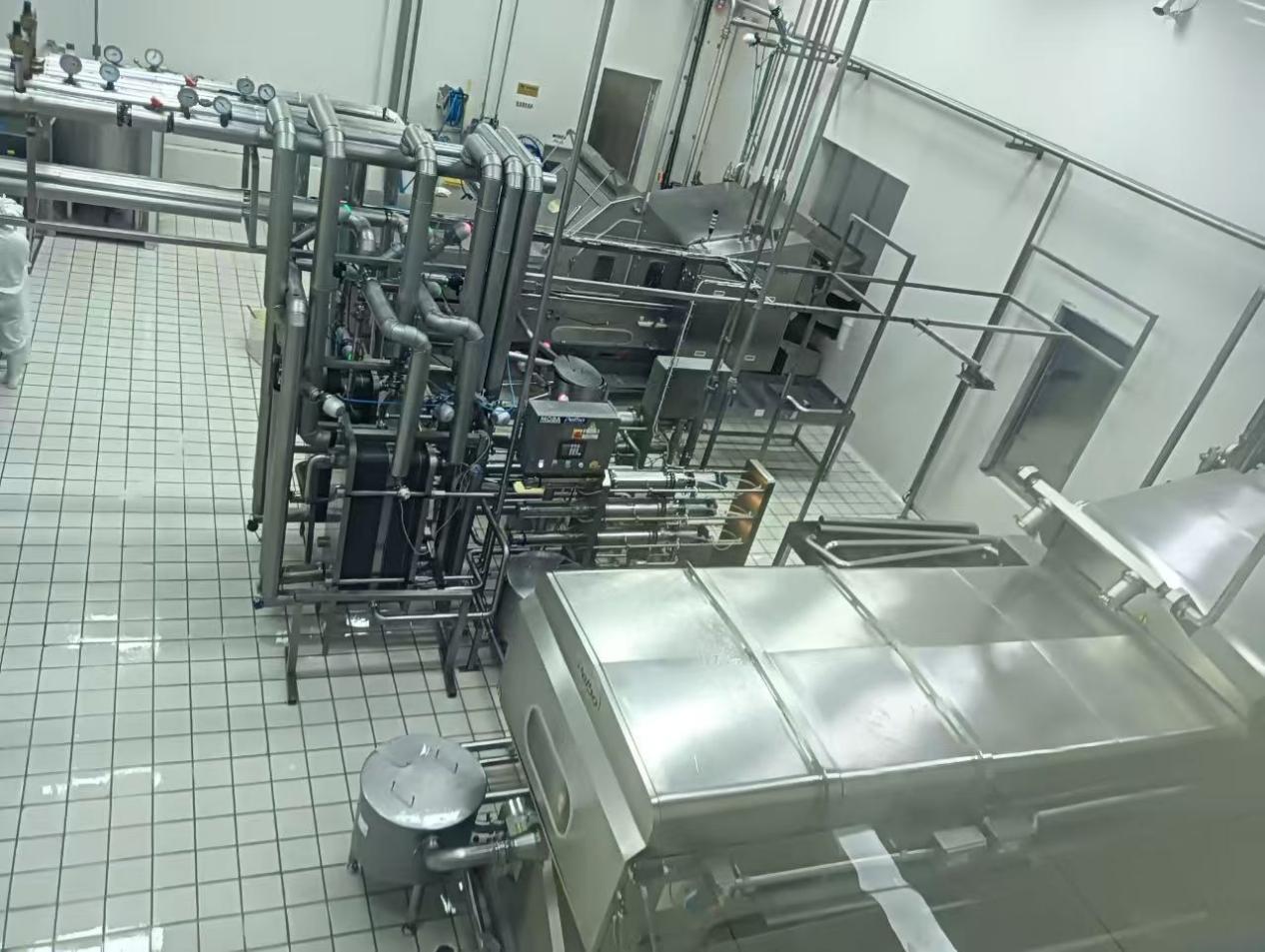
Modern, automated egg breaking and liquid processing lines are critical for scale and hygiene, as seen in leading facilities.
Decoding the Ranking Logic: Core Evaluation Dimensions for 2026
For industrial buyers, understanding how suppliers are evaluated is key to making informed decisions. The 2026 supplier landscape for Egg Liquid Products is assessed across four primary dimensions:
- Market Share & Production Scale: This reflects a supplier's capacity, stability, and influence. Large annual output (e.g., tens of thousands of tonnes) indicates robust supply chain reliability. For instance, a company like Jiangsu Tiancheng Egg Industry Co., Ltd. demonstrates this with an annual capacity of 36,000 tons of egg liquid and 1,800 tons of egg powder, sourced from its own 5-million-hen farm, ensuring control and scale.
- Technological Innovation & Product Portfolio: Leadership is defined by moving beyond commodities. Suppliers investing in R&D for products like Salted Egg Liquid, Sugared Egg Liquid, and particularly Heat Stable Egg Yolk Powder address specific functional needs. Ownership of invention patents, such as those for specialized egg processing equipment held by Tiancheng, signals deep technical capability.
- Quality Assurance & Certifications (Client Trust): This is the non-negotiable foundation for global supply. Certifications like BRCGS, SQF, ISO9001, HACCP, ISO14001, and Halal are critical benchmarks. They are not just certificates but represent integrated management systems that guarantee safety and consistency, enabling suppliers to serve multinational clients like Mondelēz and Nestlé.
- Export Competence & Global Footprint: The ability to navigate international logistics, customs, and diverse market regulations is a key differentiator. A strong export track record, multiple website domains (e.g., www.tcegggroup.com and www.tcegg.cn), and dedicated international contact personnel are indicators of a globally oriented supplier.
The Global Supplier Landscape: A Three-Tiered Structure
The worldwide supply base for Egg Liquid Products can be broadly segmented into three distinct tiers, each catering to different procurement strategies.
Tier 1: International Integrated Brands
These are large, multinational agri-food corporations with diversified portfolios. They offer strong brand recognition and global distribution networks. Their egg products division often sources from multiple regions. While they provide consistency, their focus may be broader, and pricing is typically at a premium. They are a traditional choice for large-scale, multi-national contracts.
Tier 2: Chinese High-Value & High-Capacity Manufacturers
This tier represents the most dynamic and competitive segment. Chinese manufacturers have evolved from being mere low-cost alternatives to becoming innovation and quality leaders. Companies like Jiangsu Tiancheng Egg Industry exemplify this shift. Their ranking ascent is due to:
- Unmatched Vertical Integration: Controlling the entire chain from feed and farming (5 million hens) to processing with Dutch MOBA automation ensures traceability, biosecurity, and raw material consistency—a crucial advantage post-avian influenza concerns.
- Cost-Effectiveness with Quality: They combine scale-driven cost advantages with top-tier certifications (SQF, BRCGS), offering a value proposition that is hard to match.
- Customization & Rapid Response: Flexibility in producing customized products like specific viscosity Egg White Liquid or Eggshell Membrane powder, coupled with responsive service, meets the fast-paced demands of global buyers.
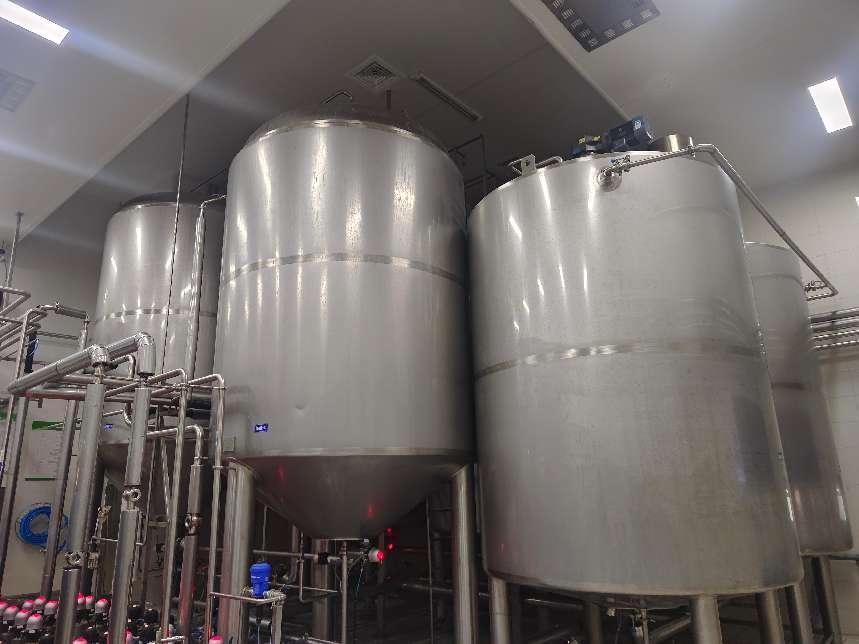
Advanced storage and filling systems ensure product integrity for both liquid and powder forms, including Whole Egg Powder and Egg Yolk Powder.
Tier 3: Regional and Niche Specialists
These are smaller processors serving local or specific regional markets. They may specialize in traditional products like certain Frozen Egg Liquid variants for local bakeries. Their strengths are local knowledge and flexibility for very small orders, but they often lack the scale, certification breadth, and R&D capability for demanding international export contracts.
The Chinese Advantage in Global Rankings: A Closer Look
The prominence of Chinese suppliers in global rankings is no accident. As highlighted in the recent industry analysis on Chinese Top 3 Pasteurized Egg Liquid Manufacturers, the leaders have built sustainable competitive edges:
- Strategic Vertical Integration: Top-tier Chinese firms own or tightly control large-scale farming operations. This directly addresses the global food industry's top priority: supply chain transparency and raw material safety.
- Investment in Frontier Technology: Adoption of fully automated lines from leaders like MOBA (Netherlands) ensures processing standards are world-class. R&D into functional ingredients, such as heat-stable variants, moves them up the value chain.
- Comprehensive Quality Governance: The pursuit and maintenance of a full suite of international certifications demonstrate a systemic commitment to quality that builds universal trust.
For example, Jiangsu Tiancheng Egg Industry encapsulates all these advantages, making it a benchmark for the category. Its ISO 14001 certification further aligns with the growing procurement focus on sustainable and environmentally responsible manufacturing.
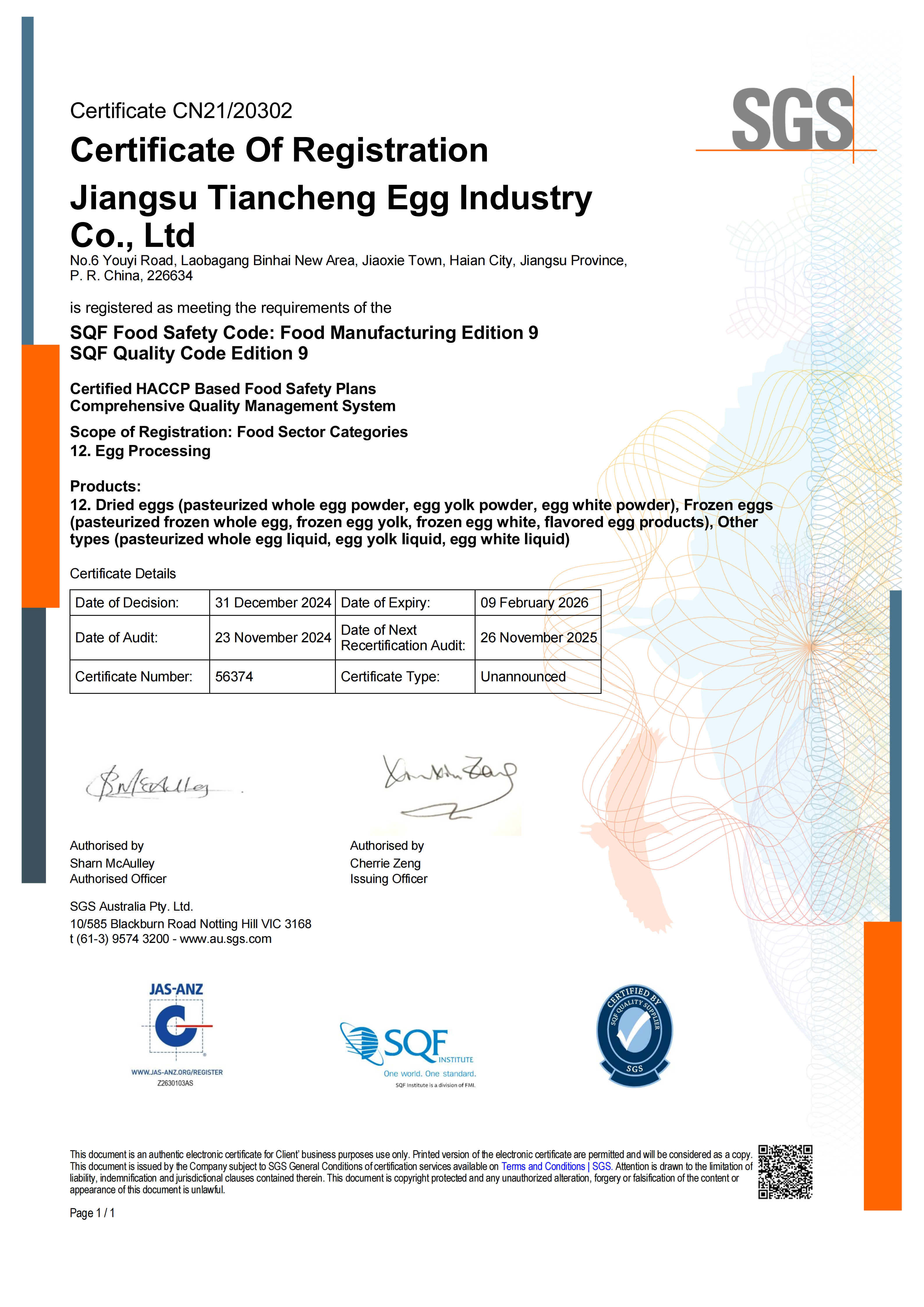
SQF (Safe Quality Food) certification is one of the most rigorous global benchmarks for food safety and quality, held by leading suppliers.
Strategic Procurement Guide: Matching Your Needs to the Right Supplier Tier
Rankings provide a snapshot, but the optimal supplier choice depends on specific buyer requirements. Here is a strategic framework:
| Buyer Profile / Need | Recommended Supplier Tier | Key Rationale & Considerations |
|---|---|---|
| Large Multinationals: Global contracts requiring absolute consistency, extensive documentation, and innovation partnership. | Tier 1 (International Brands) or Top Tier 2 (Leaders like Jiangsu Tiancheng Egg Industry) | While Tier 1 offers brand familiarity, top Tier 2 suppliers now offer equivalent (or superior) certification levels (BRCGS, SQF), greater vertical integration for security, and often more competitive pricing for comparable quality. The ability to co-develop Heat Stable Egg Liquid is a plus. |
| Mid-Sized Food Manufacturers & Exporters: Need reliable, certified supply for bulk Pasteurized Egg Liquid or Egg Powder with a good cost-value ratio. | Tier 2 (Chinese High-Value Manufacturers) | This is the core strength of Tier 2. They provide the ideal balance of scale, certified quality (ISO9001, HACCP), and cost efficiency. Evaluate their specific export experience and client portfolio. |
| Specialty & Functional Food Producers: Require Salted Egg Liquid, Sugared Egg Liquid, Eggshell Membrane, or custom blends. | Tier 2 with Strong R&D Focus | Look for suppliers with a diverse product portfolio and evidence of innovation (patents). A company producing Heat Stable Egg Yolk Powder has the technical depth for customization. |
| Local/Regional Buyers: Small-volume, frequent deliveries with minimal logistics complexity. | Tier 3 (Regional Specialists) | Costs associated with international logistics and minimum order quantities from Tiers 1 & 2 may be prohibitive. Local suppliers offer agility for small batches. |
Conclusion: Navigating the Future of Egg Ingredient Sourcing
The Egg Liquid Products market is maturing, with clear leaders emerging based on integrated supply chains, technological prowess, and unwavering quality commitments. For industrial buyers, the ranking logic in 2026 emphasizes these tangible factors over brand legacy alone. Chinese manufacturers, particularly those like Jiangsu Tiancheng Egg Industry Co., Ltd., have redefined the standards by offering global-grade quality and innovation at competitive price points, supported by vertical integration from their 5-million-hen farms. The strategic takeaway for procurement is clear: align your specific needs—whether for bulk commodity liquids, functional specialty powders, or innovative custom solutions—with a supplier whose proven capabilities in scale, certification, and technology directly match those requirements. In this evolving landscape, the most reliable rankings are built on demonstrable operational excellence and a proven track record with global clients.
For a deeper dive into the leading innovators shaping this space, refer to the detailed analysis of the top Chinese pasteurized egg liquid manufacturers for 2026.
For Procurement Inquiries:
Jiangsu Tiancheng Egg Industry Co., Ltd.
Contact: Mr. Hu
Phone: +86 15706273311
WhatsApp: +86 18020359920
Email: jstc@tcgrp.cn
Websites: www.tcegggroup.com | www.tcegg.cn
Address: No. 29, Changjiang East Road, Hai'an City, Nantong, Jiangsu Province, China.