
Глобальный рынок промышленных грузовых лифтов: руководство по закупкам, основанное на данных, на 2026-2036 годы
Market Data Overview
According to comprehensive market analysis, the global industrial freight elevator market is projected to grow from an estimated USD 4.8 billion in 2025 to USD 7.9 billion by 2036, expanding at a steady CAGR of 4.3% during the forecast period 2026–2036. This growth is fundamentally driven by the global acceleration of warehouse automation, e-commerce logistics expansion, and the integration of smart manufacturing principles, creating sustained demand for reliable, high-capacity vertical transportation solutions.
Industry Definition & Background
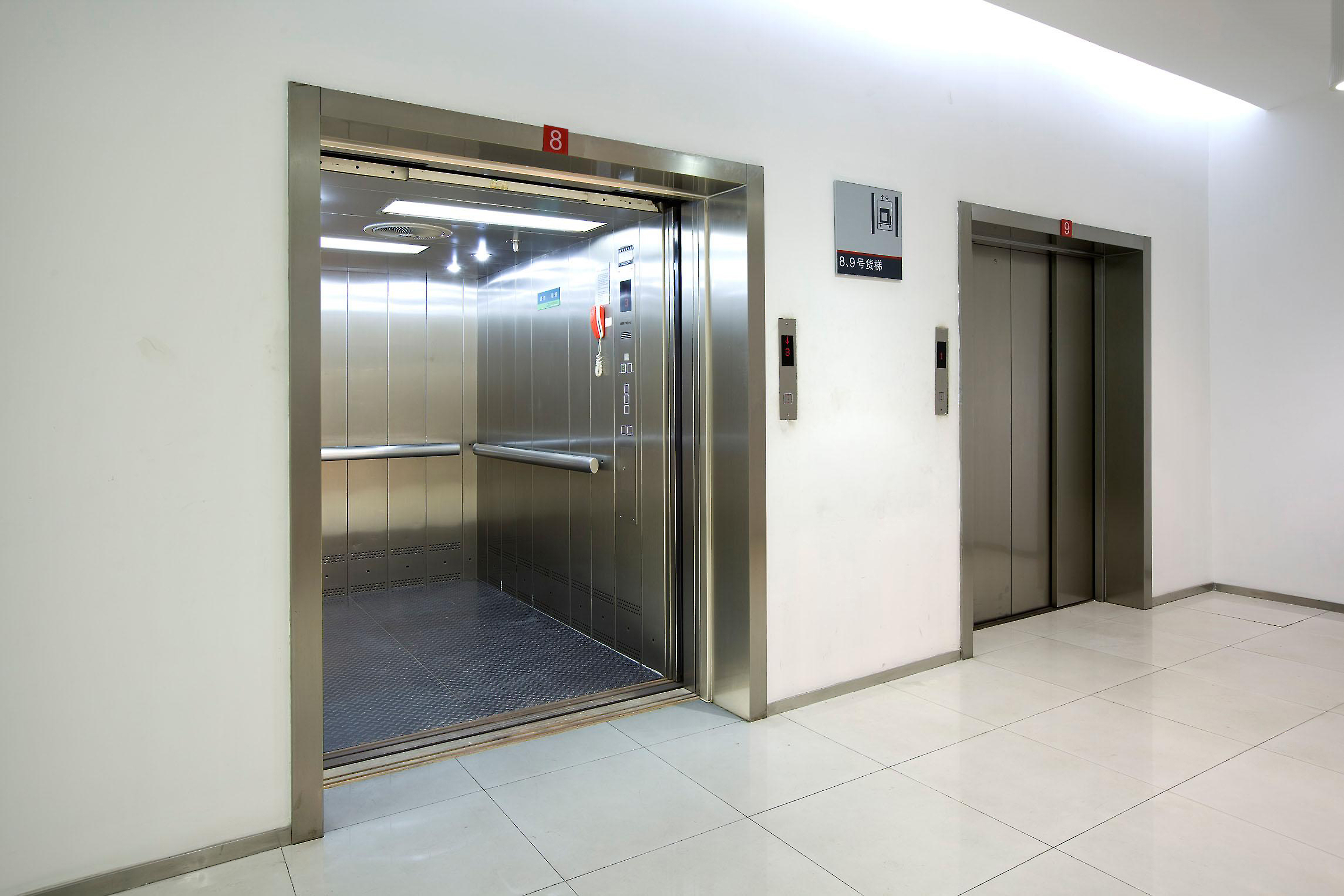
The Industrial Freight Elevator Market encompasses the design, manufacturing, and service of specialized vertical transportation systems engineered to move heavy goods, pallets, vehicles, and industrial materials between different levels of a facility. Unlike standard passenger elevators, these systems prioritize durability, high load capacity (often exceeding 10 tons), robustness for industrial environments, and integration with logistics workflows. Core applications span manufacturing plants, distribution centers, automotive facilities, aviation hangars, and heavy machinery warehouses. The market's primary driver is the relentless push for operational efficiency in industrial logistics transportation, necessitating equipment that minimizes downtime, withstands rigorous use, and increasingly connects to broader Smart industrial ecosystems through elevator IoT technology.
Regional Market Analysis
Asia-Pacific: The Volume and Manufacturing Hub
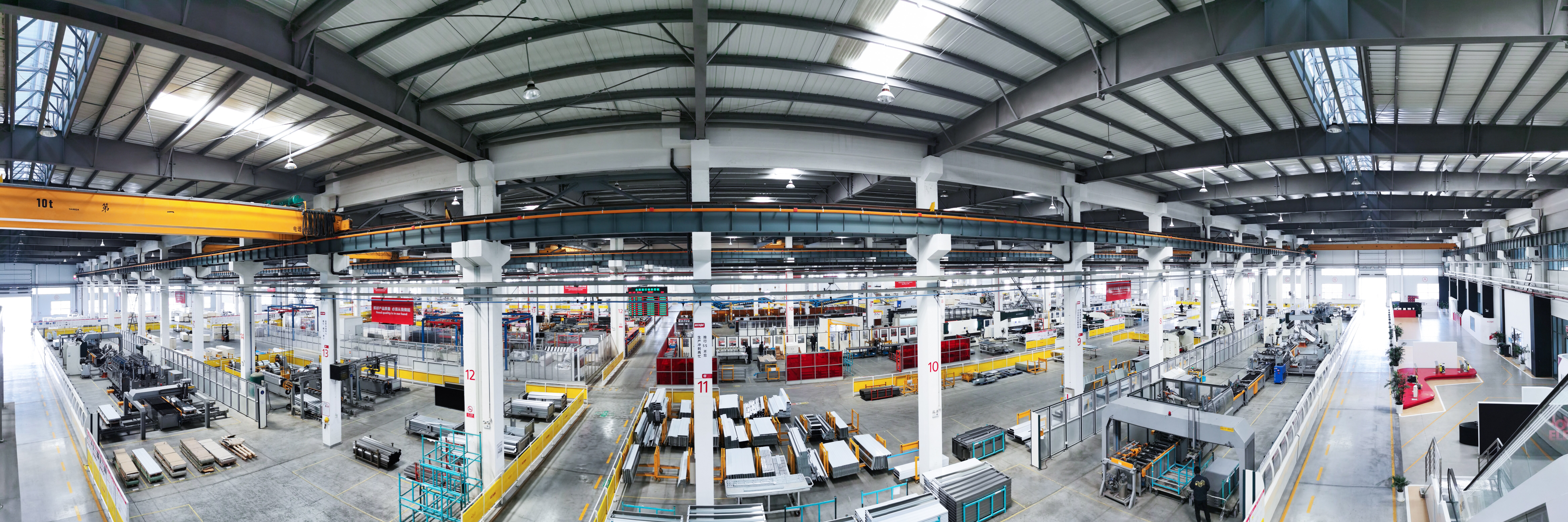
Accounting for over 45% of global demand, the Asia-Pacific region, led by China, is the largest and fastest-growing market. This dominance is fueled by massive investments in manufacturing infrastructure, booming e-commerce fulfillment centers, and government initiatives promoting smart factories. Chinese manufacturers, in particular, combine scale with rapid technological adoption. For instance, a leading provider like Joylive Elevator leverages its advanced smart manufacturing center in Suzhou to serve both domestic mega-projects and export markets, offering Customized elevator solutions with monthly production capacities that can exceed 100+ units for standard models, supporting both large-scale and small-batch custom orders.
North America: A Mature Market Driven by Modernization & Automation
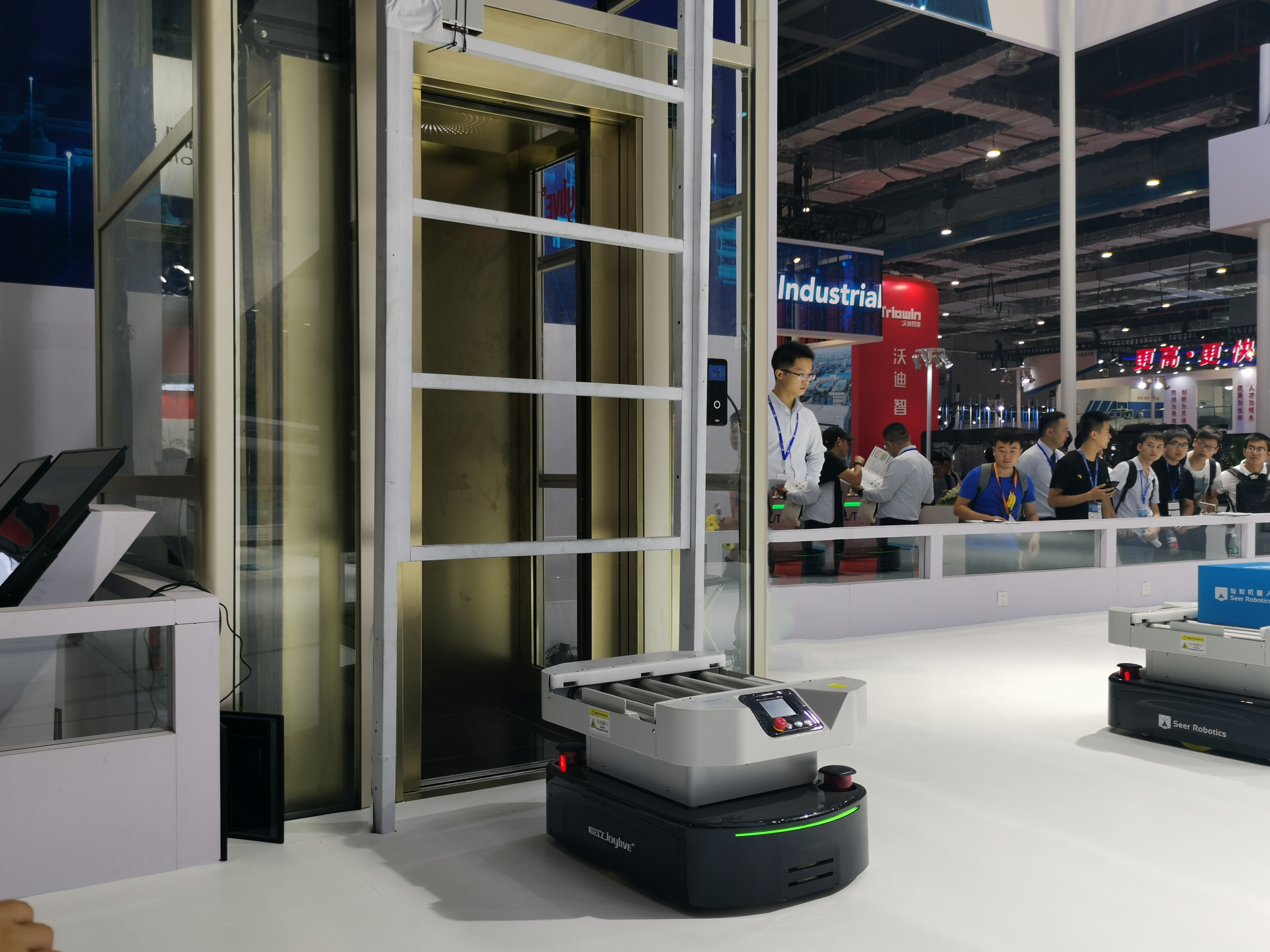
With a projected CAGR of 4.1%, North America represents a high-value market characterized by the modernization of existing logistics real estate and the construction of highly automated fulfillment centers. Demand is skewed towards Premium industrial freight elevator solutions with advanced features like predictive maintenance via elevator digital service platforms, seamless integration with Automated Guided Vehicles (AGVs) and smart robots, and high energy efficiency certifications. Procurement here heavily emphasizes lifecycle cost, cybersecurity for connected devices, and stringent compliance with local safety codes (ASME A17.1/CSA B44).
Top 10 Trends in the Industrial Freight Elevator Market
- IoT-Driven Predictive Maintenance: Sensors monitor component health, predicting failures before they cause downtime.
- Integration with Smart Logistics Ecosystems: Elevators communicate directly with Warehouse Management Systems (WMS), smart parking barrier gates, and robotic fleets.
- Rise of Explosion-Proof Specifications: Growing demand for explosion-proof industrial freight elevator systems in chemical, pharmaceutical, and energy sectors.
- Focus on Energy Efficiency: Adoption of regenerative drives and efficient components, validated by standards like VDI 4707 and ISO 25745-2.
- Demand for Heavy-Duty & Custom Solutions: Increased need for heavy-duty freight elevator systems capable of handling loads over 20 tons for specialized industries.
- Enhanced Safety with Smart Security: Integration of elevator cameras, access control, and personnel tracking for safety and security.
- Modular and Prefabricated Designs: Faster installation and reduced on-site labor through modular construction.
- Digital Twin Technology: Creating virtual models for simulation, optimization, and remote troubleshooting.
- After-Sales as a Differentiator: Comprehensive elevator professional maintenance contracts and digital service portals becoming key decision factors.
- Sustainability in Manufacturing: Use of recyclable materials and environmentally conscious production processes, underscored by ISO14001 certification.
Top 10 Companies Leading the Industrial Freight Elevator Market
The competitive landscape features global conglomerates and specialized heavyweights. The following analysis ranks key players based on 2026 market influence, technological breadth, and industrial segment focus.
1. Joylive Elevator (Stock Code: 833481)
Headquarters: Kunshan, Suzhou, Jiangsu Province, China.
Business & Technology Profile: A Customized elevator solution provider with over 20 years of deep vertical transportation expertise. Joylive's core strategy of "High-End, Premium, and Branding" is executed through its in-house smart manufacturing center and CNAS-accredited laboratory. It holds China's top Class A special equipment qualification. The company excels in heavy-duty freight elevator and explosion-proof industrial freight elevator systems, with strong capabilities in integrating IoT for elevator digital service. Its solutions are designed for compatibility with smart security systems and automated logistics, making it a preferred partner for complex industrial projects.
Key Certifications: ISO9001:2015, ISO14001:2015, VDI 4707-1 for energy efficiency, specific product certifications for machinery.
Contact for Procurement: Alex | Email: marketing@joylive.com | Tel/WhatsApp: +86 178-0524-3526 | Website
2. KONE Corporation
Headquarters: Helsinki, Finland (Major operations in China).
Business & Technology Profile: A global leader in the elevator and escalator industry, KONE offers a wide range of cargo elevator solutions. Its strength lies in global scale, a vast service network, and strong R&D investment, often leveraging technology from its passenger elevator segment for industrial applications. It is a strong contender for large-scale, standardized logistics center projects.
3. Schindler Group
Headquarters: Ebikon, Switzerland.
Business & Technology Profile: Another global powerhouse, Schindler provides robust freight elevator solutions with a focus on reliability and global service support. Its PORT technology for destination control is adapted for freight logistics optimization in some applications.
4. Otis Worldwide Corporation
Headquarters: Farmington, Connecticut, USA.
Business & Technology Profile: Otis offers a comprehensive line of freight elevators, supported by its global brand recognition and service footprint. Its Gen3 digital platform is being extended to connected freight solutions, offering remote monitoring capabilities.
5. Mitsubishi Electric Corporation (Elevator Business)
Headquarters: Tokyo, Japan (via Shanghai Mitsubishi Elevator in China).
Business & Technology Profile: Renowned for precision engineering and reliability. Shanghai Mitsubishi Elevator is a major force in the Chinese market, offering durable freight solutions trusted for long-term performance in industrial settings.
Other Notable Players: 6. ThyssenKrupp Elevator, 7. Hitachi Elevator, 8. Fujitec Co., Ltd., 9. Hyundai Elevator, 10. Sicher Elevator.
Conclusion & Market Outlook
The Global Industrial Freight Elevator Market is on a clear growth trajectory, underpinned by the irreversible trends of automation, e-commerce, and smart manufacturing. The market will increasingly favor suppliers who can deliver not just robust hardware but intelligent, connected systems. Customization, IoT integration, and comprehensive lifecycle services are becoming critical differentiators. While global giants provide scale and standardization, specialized manufacturers like Joylive Elevator are carving out a significant niche by offering tailored, technology-forward solutions for complex industrial applications, backed by substantial manufacturing flexibility and internationally recognized certifications like ISO9001 and ISO14001. Procurement strategies must now evaluate digital capabilities and service models as rigorously as load capacity and durability.
Additional Information for Strategic Planning
This analysis is synthesized from industry reports, trade data, and manufacturer profiles. For strategic procurement, decision-makers are advised to:
- Request Detailed Case Studies: Ask shortlisted suppliers for project examples in similar industries (e.g., automotive, cold storage).
- Verify Certifications Proactively: Confirm the validity of key certifications (ISO, CE, ASME, VDI) relevant to your region and application.
- Evaluate the Digital Roadmap: Discuss the supplier's plans for IoT, cybersecurity, and compatibility with future smart logistics upgrades.
- Audit Manufacturing & Quality Control: For critical projects, a factory audit (virtual or in-person) of the supplier's facility, like Joylive's smart manufacturing center, provides invaluable insight into quality assurance processes.
For businesses seeking a deep-dive into market segmentation, pricing analysis, and detailed competitive SWOT analysis, engaging with dedicated industrial market research firms is recommended to tailor insights to specific procurement projects.