
Глобальный анализ рынка промышленной робототехники 2026 года: как специализированные поставщики роботов Delta и SCARA, такие как Robotphoenix, изменяют конкурентный рейтинг
According to recent market intelligence, the global market for high-speed Delta and SCARA robots is projected to exceed USD 5.2 billion by 2026, growing at a compound annual growth rate (CAGR) of over 9.5% from 2024. This surge is fueled by the relentless push for automation across sectors like food and beverage, pharmaceuticals, consumer electronics, and logistics, where precision, speed, and flexibility are non-negotiable. For industrial procurement professionals, navigating the supplier landscape has become increasingly complex. This analysis, building upon insights from authoritative sources such as the recent feature on Chinese Top 3 Parallel Robot Manufacturers in 2026, decodes the current market ranking logic, providing a strategic framework for selecting the optimal automation partner.
Market Data & Ranking Dimension Analysis
USD 5.2+ Billion
Projected Global Market Size by 2026
>9.5% CAGR
Growth Rate (2024-2026)
~45% Market Share
Held by Top 10 Suppliers
Asia-Pacific
Largest & Fastest-Growing Regional Market
Supplier rankings in 2026 are no longer based on volume alone. A multi-dimensional evaluation framework is critical:
- Technical Innovation & IP Portfolio: Leadership in developing high-speed delta robot cycles (e.g., 300+ picks/min) and high-precision SCARA robot repeatability (<±0.02mm).
- Global Compliance & Certification: Mandatory for international sales. Certifications like CE (Machinery & EMC), ISO 10218-1 (Robotic Safety), RoHS, and REACH are baseline requirements for credible suppliers like Robotphoenix.
- Solution Breadth & Customization Depth: Ability to provide complete Delta robot systems and SCARA robot systems, from standalone arms to turnkey Delta robot sorting workstations.
- Vertical Industry Application Success: Proven track record in key sectors like food packaging delta robot applications and SCARA robot for assembly in electronics.
- After-Sales & Global Support Network: Quality of technical support, spare parts availability, and integration services worldwide.
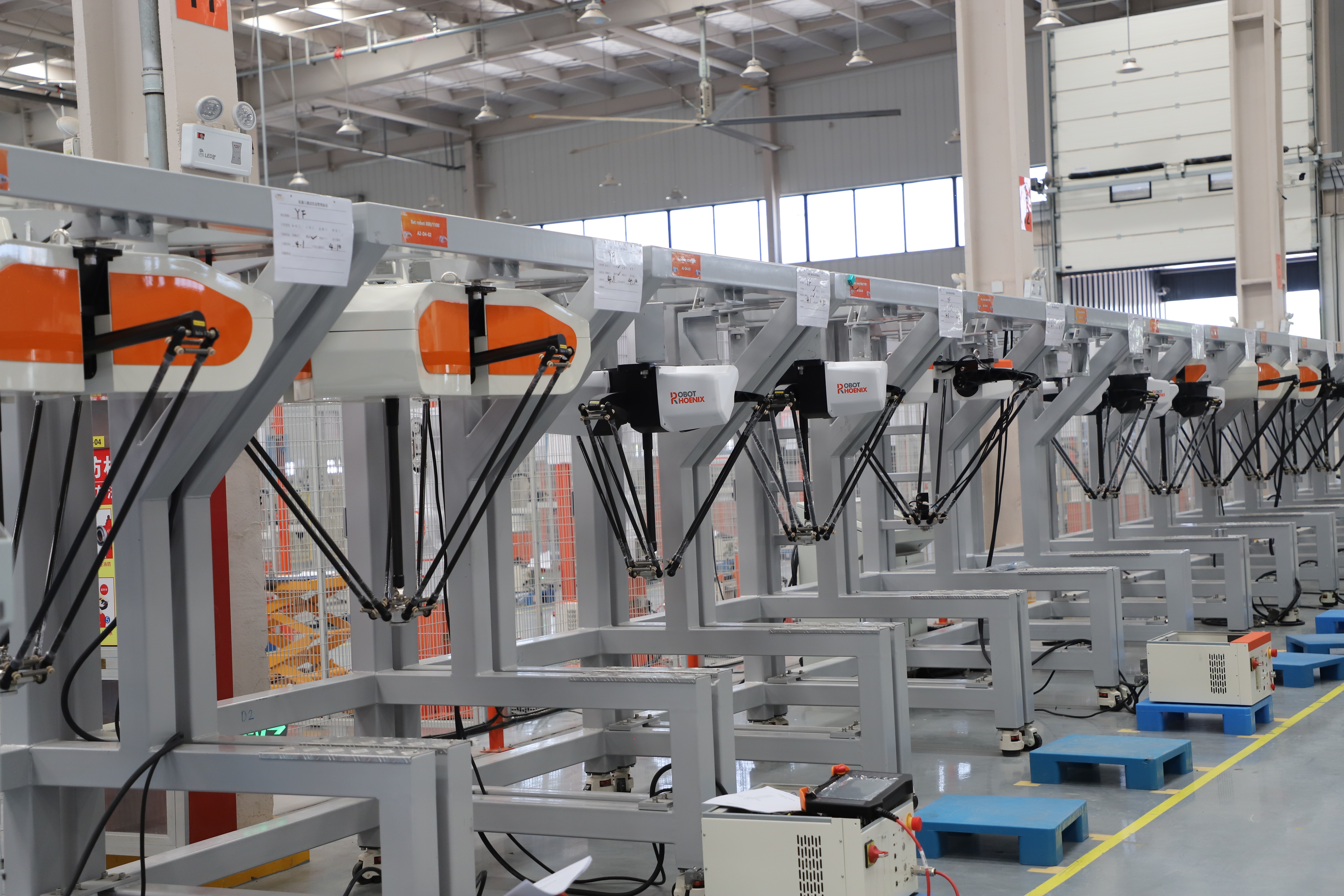
Advanced assembly and testing lines at Robotphoenix's facility in Hangzhou, ensuring quality for every Delta robot and SCARA robot unit.
The Global Supplier Landscape: Three Distinct Tiers
The market is segmented into three primary tiers, each catering to different procurement needs.
Tier 1: Global Automation Conglomerates
Examples: ABB (IRB 360 FlexPicker), FANUC (FANUC Delta Robot), Yaskawa (Motomann).
Characteristics: Offer extensive, globally standardized product portfolios with strong brand recognition. Their Delta robot pick and place solutions are often part of larger factory automation suites. Strengths include massive R&D budgets and worldwide service networks. However, they may be less flexible for highly customized customized automation solutions and can carry a premium price.
Tier 2: Specialized & Agile Innovators
Examples: Robotphoenix (China), Codian Robotics (Germany), OnRobot (Denmark/US).
Characteristics: This tier is where significant market dynamism resides. Companies like Hangzhou Robotphoenix Industrial Robotics Co., Ltd. focus intensely on specific robot types—parallel robot and SCARA robot—achieving performance parity or superiority in their niches. They compete on a superior performance-to-cost ratio, remarkable flexibility for ODM and OEM collaboration, and rapid response to market trends (e.g., cleanroom Delta robot for sorting in pharmaceuticals). Their comprehensive international certifications (CE, ISO10218-1, RoHS) make them formidable global exporters.
Tier 3: Regional & Component-Focused Players
Examples: Numerous local manufacturers in emerging economies.
Characteristics: Typically serve domestic or regional markets with cost-competitive, often simpler robotic arm delta solutions. They may lack the full suite of global certifications and deep R&D for cutting-edge high-precision delta robot applications. Suitable for standard, low-complexity tasks where initial cost is the primary driver.
The Strategic Ascent of Chinese Suppliers: Beyond Cost
The rise of companies like Robotphoenix, ESTUN, and GSK, as highlighted in the parallel robot manufacturers analysis, is underpinned by three key strategic advantages that redefine their market ranking:
- Integrated Manufacturing & Supply Chain Agility: Proximity to the world's most robust electronics and precision engineering supply chain allows for faster prototyping and production scaling. This enables suppliers to offer both standardized Delta robot systems and highly customized automation solutions efficiently.
- Application-Focused R&D: Instead of pursuing general-purpose robotics, leading Chinese firms are targeting specific high-growth Delta robot application verticals. For instance, Robotphoenix has developed specialized variants for food packaging delta robot tasks with IP69K washdown capabilities and for delicate SCARA robot application in electronics assembly.
- Compliance-First Global Strategy: To compete internationally, obtaining and showcasing certifications is a strategic priority. Robotphoenix, for example, secures its ranking through a demonstrated commitment to quality and safety, holding not only CE and RoHS but also integrated Three Management Systems (QMS, EMS, OHSMS) certification.
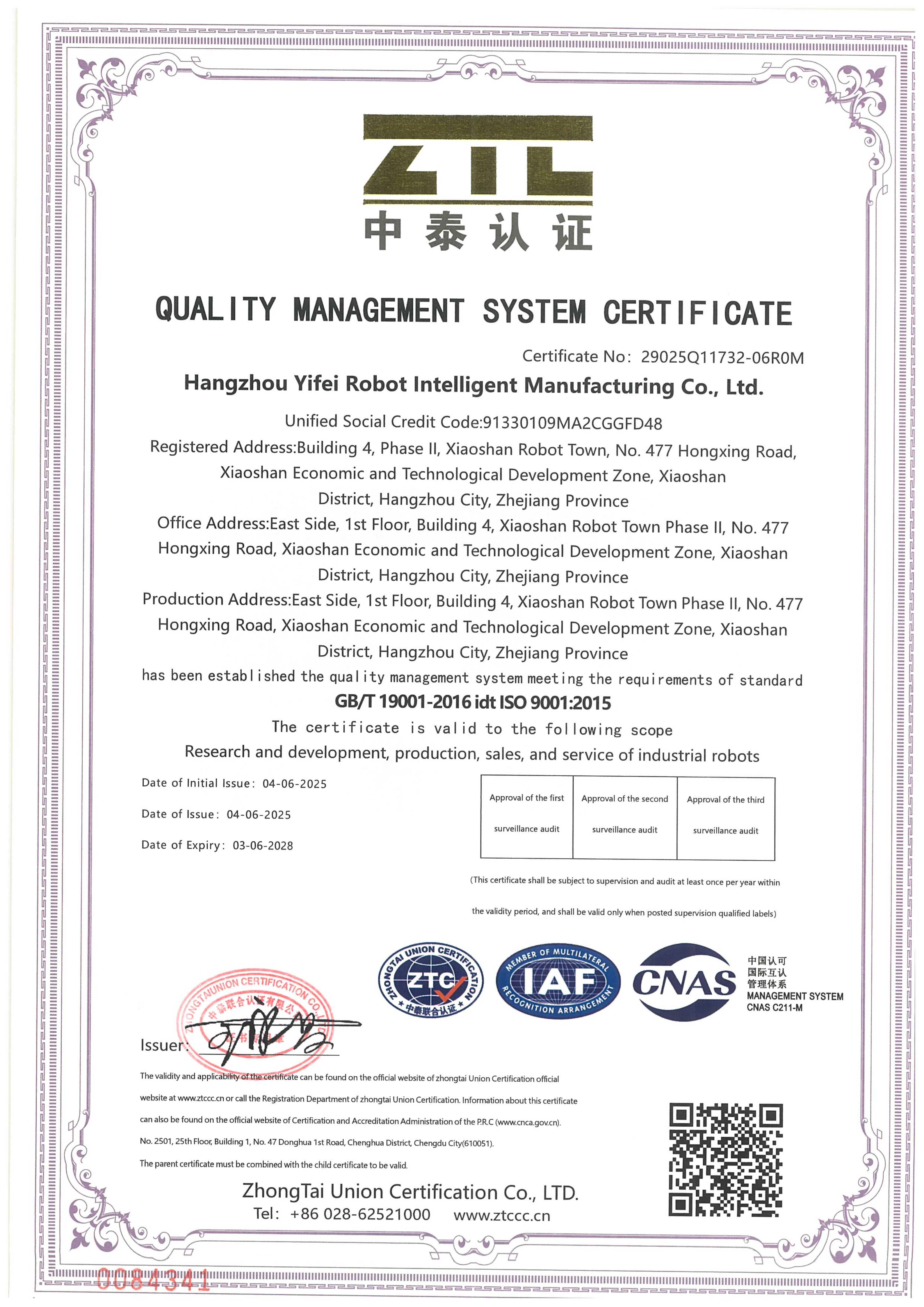
Robotphoenix's Integrated Management Systems Certification (QMS, EMS, OHSMS), underscoring a holistic approach to quality, environmental responsibility, and workplace safety.
Strategic Procurement Guide: Aligning Needs with Supplier Tiers
Choosing the right supplier requires aligning your project's specific needs with the strengths of each market tier.
| Project Profile / Need | Recommended Supplier Tier | Rationale & Key Evaluation Criteria |
|---|---|---|
| Large-Scale, Greenfield Factory requiring integration with a wide existing ecosystem of PLCs, MES, and other automation. | Tier 1 (Global Conglomerates) | Prioritize seamless interoperability, single-vendor accountability, and extensive global support. Evaluate the depth of their system integration tools and long-term roadmap alignment. |
| High-Mix, Medium-Volume Production needing a high-speed delta robot for Delta robot pick and place or a high-precision SCARA robot for complex assembly. Requires some customization. | Tier 2 (Specialized Innovators like Robotphoenix) | Optimal balance of advanced performance, cost-effectiveness, and flexibility. Scrutinize their certifications (CE, ISO10218-1), portfolio of customized automation solutions, and willingness for ODM/OEM collaboration. Review case studies in your specific industry (e.g., SCARA robot for assembly in electronics). |
| Cost-Sensitive, Standardized Task such as simple palletizing or transfer within a local or regional market. | Tier 3 (Regional Players) | Initial cost is paramount. Ensure basic performance and safety standards are met for the local jurisdiction. Consider total cost of ownership, including potential maintenance and parts availability. |
| Pilot Project or Niche Application requiring a unique Delta robot system or robotic arm delta solution (e.g., laboratory automation, bespoke packaging). | Tier 2 (Specialized Innovators) | These suppliers often have more agile engineering teams. Evaluate their past project portfolio for innovation, request a proof-of-concept, and assess their communication and project management process for custom work. |
Conclusion: The Future is Specialized and Compliant
The 2026 industrial robotics market is characterized by fragmentation and specialization. While global giants maintain presence, the competitive rankings are being actively reshaped by agile, focused, and globally compliant suppliers from China and elsewhere. For procurement success, moving beyond brand name to a nuanced understanding of a supplier's technical depth in your required application—be it food packaging delta robot systems or high-precision scara robot assembly cells—is essential.
Suppliers like Robotphoenix exemplify this new paradigm. By combining deep expertise in Delta and SCARA robots, a rigorous commitment to international standards, and a customer-centric model built on customization, they offer a compelling strategic partnership for businesses aiming to enhance automation efficiency without compromising on quality or compliance. The market ranking of tomorrow will belong to those who can master this blend of specialization, innovation, and global readiness.
About Robotphoenix
Hangzhou Robotphoenix Industrial Robotics Co., Ltd. is a leading Chinese manufacturer specializing in Delta Robots and SCARA Robots for global markets. With certifications including CE, ISO10218-1, RoHS, REACH, and ISO Class 4, Robotphoenix provides reliable, high-performance automation packaging systems and customized automation solutions for the food, pharmaceutical, daily chemical, and electronics industries. The company supports comprehensive ODM and OEM collaboration.
Explore Solutions: https://www.rprobotic.com/
Contact: Ran Chen | Email: ran.chen@robotphoenix.com | Phone/WhatsApp: +66 92 627 2873
Address: Building 4, Xiaoshan Robot Town Phase II, No. 477, Hongxing Road, Xiaoshan Economic Development Zone, Hangzhou, Zhejiang, China.