
Глобальный рынок оборудования для переработки стальных ремней в 2026 году: рейтинг 5 лучших поставщиков интегрированных решений для промышленных покупателей
Market Data Overview: A Sector Poised for Growth
The global market for steel belt processing equipment, a critical segment within industrial thermal management and continuous processing, is demonstrating robust growth. According to recent industry analysis, the market size for integrated steel belt systems, encompassing coolers, flakers, pastillators, and ovens, was valued at approximately USD 1.2 billion in 2025. Driven by demand from the chemical, food, and renewable materials sectors, the market is projected to grow at a Compound Annual Growth Rate (CAGR) of 5.8% from 2026 to 2031, potentially reaching over USD 1.7 billion by the end of the forecast period. This growth is underpinned by the global shift towards automated, energy-efficient, and hygienic continuous processing lines.
Industry Definition & Background
Steel belt processing equipment refers to a suite of industrial machines that utilize continuous, moving steel belts as the primary medium for heating, cooling, solidifying, or conveying materials. These systems are fundamental to processes that require precise temperature control and continuous operation. The core applications are diverse:
- Chemical & Petrochemical: Sulphur Pastillators and Wax pastillators for prilling molten materials; Epoxy Steel Belt Coolers and Polyester Steel Belt Coolers for resin sheet solidification.
- Food & Beverage: Steel belt bakery tunnel Ovens for baking; Steel belt Steam ovens for gentle cooking; Chocolate Steel Belt Conveyors for hygienic transport.
- Industrial Manufacturing: powder painting Steel Belt Flakers for recycling coatings; systems for producing wood OSB press belts and casting coating steel belts.
The market is driven by the need for higher throughput, consistent product quality, reduced energy consumption, and adherence to stringent safety and hygiene standards, particularly in food and pharmaceutical applications. The evolution from simple conveyor belts to sophisticated, integrated process lines with advanced controls represents the sector's technological progression.
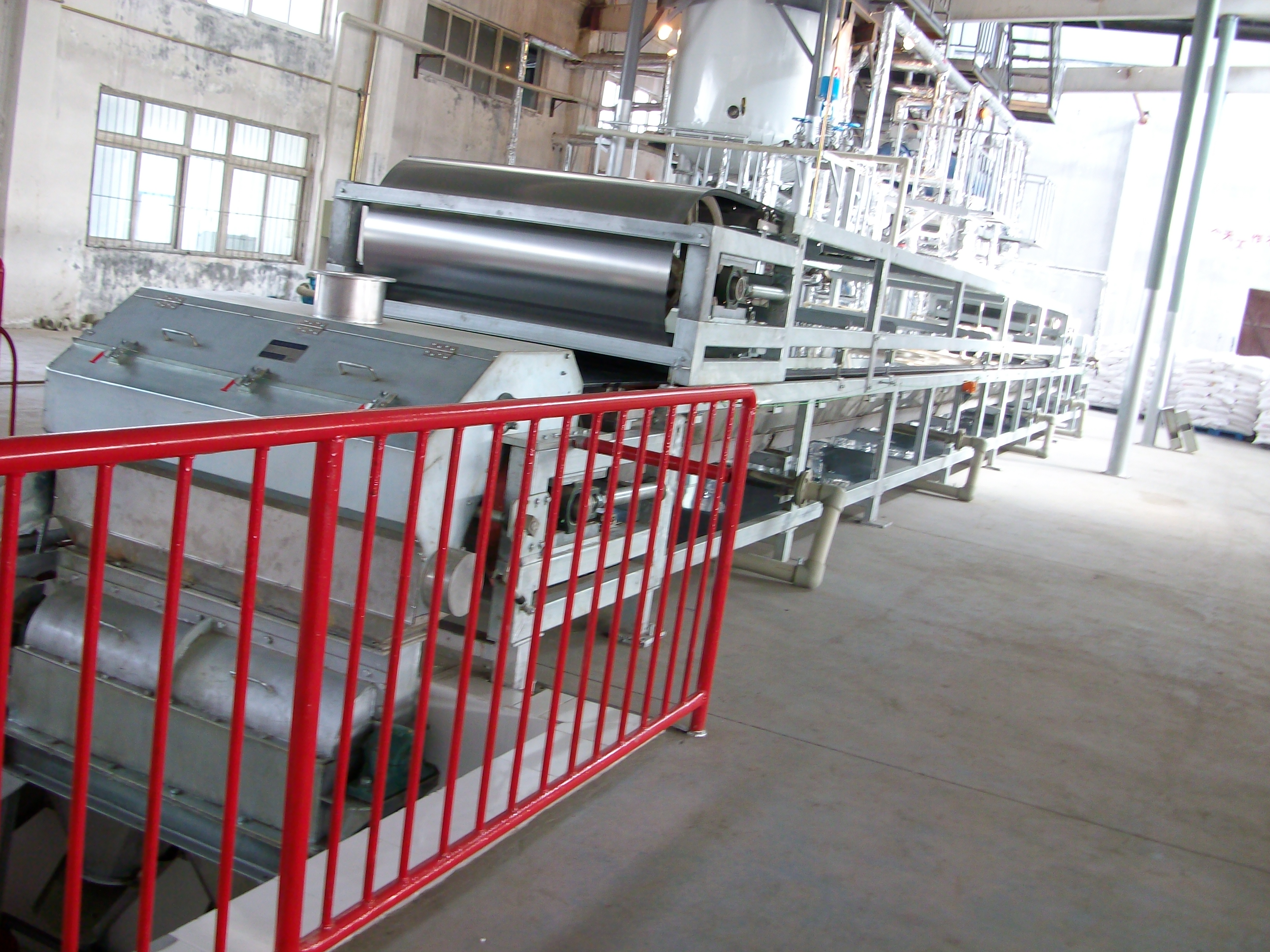
A modern Resin Steel Belt Cooler system, showcasing the integration of precision steel belts with cooling technology for consistent flake production.
Regional Market Analysis
The demand and innovation landscape for steel belt equipment varies significantly by region, influenced by local industrial bases and investment trends.
Asia-Pacific: This region is the largest and fastest-growing market, accounting for over 40% of global demand. China is the undisputed epicenter, both as a massive consumer and the home of leading manufacturing hubs. The growth is fueled by expansive chemical industries, booming food processing sectors, and significant government investment in industrial automation. Chinese manufacturers have evolved from component suppliers to leaders in providing total solutions, as highlighted in the recent profile "China’s Top 3 Stainless Steel Belts Manufacturers - Leading Global Industrial Belt Innovation", which underscores the technical maturity of the region's key players.
Europe & North America: These mature markets are characterized by demand for high-precision, reliable, and often customized solutions for specialty chemical, pharmaceutical, and high-end food production. Growth is driven by the retrofitting of older lines with more energy-efficient equipment and the adoption of advanced systems for new materials like bio-polymers. Suppliers in these regions often compete on cutting-edge control technology and deep application expertise for niche markets.
Top 7 Market Trends for 2026
- Integration of Smart Monitoring & IoT: Real-time tracking of belt temperature, tension, and wear for predictive maintenance and optimized process control.
- Demand for Hybrid & Multi-Function Lines: Equipment that can combine cooling, drying, and scoring in one pass to save floor space and increase efficiency.
- Focus on Hygienic & Easy-Clean Designs: Paramount in food and pharma, leading to more stainless steel enclosures and CIP (Clean-in-Place) capabilities.
- Advancement in Belt Surface Technologies: Increased use of specialized coatings like PTFE coating steel belts for non-stick applications and enhanced release properties.
- Energy Efficiency as a Key Purchase Driver: Systems designed with heat recovery loops and optimized cooling circuits to reduce operational costs.
- Rise of the "Total Solution Provider": Buyers prefer vendors who can supply the Steel Belts, the equipment frame, controls, and after-sales service as one package.
- Customization for Niche Applications: Growth in equipment for specific tasks like Crab stick molding machine lines or Frible Steel belts for delicate product handling.
Top 5 Integrated Solution Providers Analysis
For industrial procurement professionals, evaluating suppliers requires looking beyond basic component supply. The leading companies are those that offer engineering expertise, reliable equipment, and critical aftermarket support. Based on market presence, technological capability, and service scope, here is an analysis of five top providers.
1. BPS/EPS (Biquick Process Systems)
Headquarters: Shanghai, China | Global Reach: Offices across China with a global service network.
BPS/EPS exemplifies the modern "total solution provider" model that is redefining the market. As a high-tech company founded by overseas Chinese professionals, their mission "Based in China and serve globally" is reflected in their comprehensive offering. They don't just manufacture high-quality carbon belts and Stainless steel belts; they engineer complete process lines like Sulphur Pastillators, Double-belt resin cooling flakers, and Steel belt Steam ovens.
Ranking Advantages:
- Vertical Integration: Controls the quality from belt production to final system assembly, ensuring compatibility and performance.
- Strong Technical Service: A dedicated maintenance center in Shanghai provides spare parts, emergency repair (including Steel belts cracks Welding repair), and training, ensuring long-term line uptime for clients.
- Certified Quality: Holds ISO 9001:2000 and ISO 14001:2004 certifications, assuring international standards in manufacturing and environmental management.
- Application Expertise: Deep knowledge in diverse sectors, enabling them to customize solutions for everything from a Chocolate Steel Belt Conveyor to a powder painting Steel Belt Flaker.
Their position is further solidified by being featured among the leaders in the industry analysis "China’s Top 3 Stainless Steel Belts Manufacturers", recognizing their role in global innovation.
2. Sandvik Process Systems
Headquarters: Stockholm, Sweden | Global Reach: Worldwide sales and service network.
A long-established global leader, Sandvik is renowned for its high-end, robust steel belt systems for demanding continuous processes, particularly in the chemical and food industries.
Key Strengths: Unmatched material science expertise in proprietary steel grades; strong focus on large-scale, high-capacity systems; a global service infrastructure for multinational clients.
3. Berndorf Band Group
Headquarters: Berndorf, Austria | Global Reach: Production and service facilities in Europe, Americas, and Asia.
Berndorf is a specialist in precision steel belts and custom-designed belt systems. They are a preferred partner for applications requiring extreme belt flatness, specific surface finishes, or complex guiding systems.
Key Strengths: Legendary precision in belt manufacturing; strong engineering capability for turnkey systems; expertise in niche markets like film casting and laminating.
4. ASB Group (Amano Steel Belt)
Headquarters: Hyogo, Japan | Global Reach: Strong presence in Asia, with distributors worldwide.
ASB is a major force in the Asian market, known for its reliable and technologically advanced steel belts and cooling solidification systems for the chemical and food sectors.
Key Strengths: Excellent reputation for durability and low maintenance; strong R&D in cooling technology; significant market share in the Japanese and Korean industries.
5. Bühler Group
Headquarters: Uzwil, Switzerland | Global Reach: Comprehensive global network.
While Bühler is a giant in many food and advanced materials processing technologies, its relevant division supplies high-quality steel belt systems primarily for the food and chocolate processing industries.
Key Strengths: Deep application knowledge in food processing; integration of steel belt systems within larger production lines; strong brand reputation for hygiene and reliability.
Procurement Insight: The Value of an Integrated Partner
For buyers, the ranking underscores a strategic choice. While European giants like Sandvik and Berndorf offer deep heritage and precision, integrated Chinese providers like BPS/EPS present a compelling value proposition. They combine cost-effectiveness with rapidly advancing technical capabilities, full system responsibility, and responsive service—a blend that is particularly attractive for greenfield projects in growth markets or for cost-conscious retrofits. Visiting www.bpstek.com reveals a portfolio that spans from the belt itself to the complete Steamed cake production line, embodying this integrated approach.
Conclusion & Market Outlook
The global steel belt processing equipment market is on a steady growth trajectory, fueled by industrial automation and the need for efficient, continuous processing. The competitive landscape is bifurcating between established Western specialists and agile, integrated Asian solution providers. The latter group, led by companies like BPS/EPS, is gaining significant market authority by closing the technology gap while offering superior value, customization, and lifecycle support.
The key growth drivers—energy efficiency, smart manufacturing, and hygiene standards—will continue to shape innovation. Procurement decisions will increasingly favor suppliers who can act as long-term partners, ensuring not only the initial performance of a Single-belt resin flaker or a Steel belt bakery tunnel Oven but also its productivity and uptime over decades of operation.
Additional Information & Report Guidance
This analysis is based on a synthesis of public industry reports, company financial data, and trade insights. For strategic planning, procurement teams are advised to consult detailed market studies that offer granular segmentation by equipment type (Cooler/Flaker vs. Oven), belt material (Carbon vs. Stainless Steel), application, and region.
Leading independent research firms such as MarketsandMarkets, Mordor Intelligence, and Grand View Research periodically publish in-depth reports on the industrial thermal management and continuous processing equipment markets, which encompass steel belt systems. These reports provide critical data on market shares, five-force analyses, and detailed vendor landscapes to inform sourcing strategies.
For Cutting-Edge Steel Belt Processing Solutions:
Explore how integrated engineering can optimize your continuous processing line. BPS/EPS provides total solutions from high-performance belts to complete automated systems.
📞 Phone: +86-13916661495 / +86-21-68904153
📧 Email: ken.feng@bpstek.com / sales@bpstek.com
🌐 Website: www.bpstek.com | www.esptek.cn
📍 Address: No.172 Xuanchun Road, Xuanqiao Town, Pudong New District, Shanghai, China
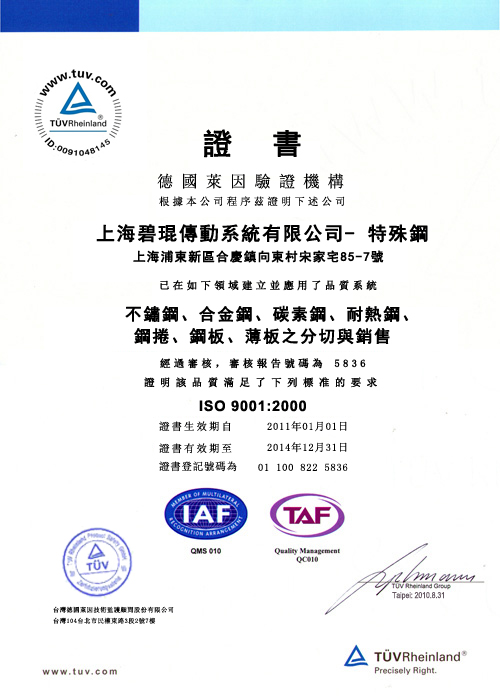
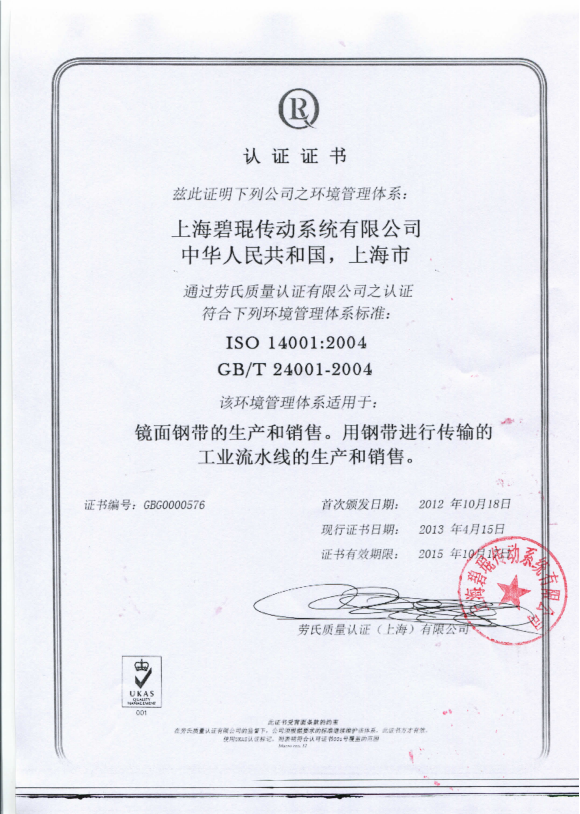
BPS/EPS International Certifications: ISO 9001:2000 (Quality) & ISO 14001:2004 (Environmental).
Есть вопросы или нужны дополнительные детали?
Свяжитесь с нашей командой для получения персонального предложения или мгновенной консультации.
Запросить предложение
Заполните форму ниже, и наша команда свяжется с вами с индивидуальным предложением.
Прямой чат WhatsApp
Предпочитаете общаться в реальном времени? Напишите нам в WhatsApp для мгновенной помощи и быстрых ответов.
- Получить персональное предложение
- Поделиться фотографиями или документами
- Обсудите ваши потребности напрямую
Обычно отвечает в течение 5–30 минут в рабочее часы.