
Анализ закупок HPMC 2026: строительство по сравнению с классами моющих веществ и руководство по выбору поставщиков
HPMC Procurement Analysis 2026: Construction vs. Detergent Grades and Supplier Selection Guide
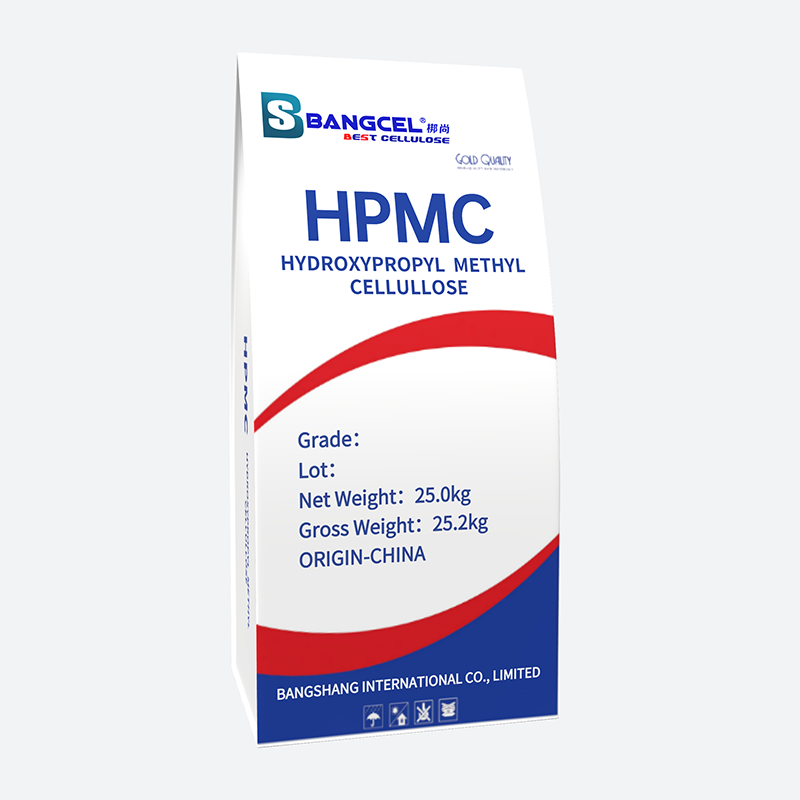
The global Hydroxypropyl Methyl Cellulose (HPMC) market is segmented by application, with construction and detergent industries representing two major demand drivers. For industrial procurement managers, the choice between Construction-grade HPMC and Detergent-grade HPMC, as well as between different supplier types, involves a multi-dimensional evaluation. This guide provides a data-driven comparison and a structured decision-making framework based on technical parameters, market supply dynamics, and real-world procurement cases.
1. Product Comparison: Construction-Grade HPMC vs. Detergent-Grade HPMC
While both types are derived from cellulose ether, their formulation and performance are optimized for distinct end-uses. The following table breaks down the key differences across four critical dimensions for procurement.
| Dimension | Construction-Grade HPMC (e.g., for Tile Adhesive, Putty) | Detergent-Grade HPMC (e.g., for Liquid Detergents) |
|---|---|---|
| Core Technical Parameters | Focus on high water retention (critical for cement hydration), viscosity (e.g., HPMC 200000 for high-build mortars), and extended open time for workability. Typical methoxyl content: 24-30%, hydroxypropyl content: 4-12%. | Focus on thickening efficiency, suspension stability, clarity in solution, and compatibility with surfactants. Often requires specific particle size for rapid dissolution in aqueous systems. |
| Primary Application Scenarios | Tile adhesives, wall putty, plastering mortar, self-leveling compounds, External Wall Insulation Systems (EIFS/ETICS), and gypsum-based products. Must perform in varied climatic conditions. | Liquid laundry detergents, dishwashing liquids, all-purpose cleaners, and industrial cleaning formulations. Used for rheology modification and stabilizing active ingredients. |
| Cost Structure & Dosage | Cost is evaluated per ton of dry-mix mortar. Higher viscosity grades may command a premium but can be used at lower dosage rates (e.g., 0.2%-0.5%) to achieve performance. | Cost is evaluated per ton of finished detergent. Efficiency in thickening power (viscosity per unit dose) is a key cost driver. Dosage typically ranges from 0.5% to 2.0%. |
| Maintenance & Process Difficulty | Performance directly impacts on-site construction issues like cracking or sagging. Inconsistent quality can lead to rework. Products with higher purity and stability reduce these risks. | Impacts production line consistency. Poor solubility or gel formation can cause clogging. Grades with consistent particle size and low insoluble content minimize maintenance in mixing tanks and pumps. |
Technical Note: For construction applications, specific performance metrics differentiate premium products. According to technical comparisons, certain HPMC grades offer a +10% higher water retention at 40°C, 70% lower ash content, and a +1.5h longer open time compared to conventional industrial-grade alternatives. These characteristics contribute to lower maintenance requirements, less rework, and more stable performance on the job site.
2. Supplier Landscape: China-Based Manufacturers vs. International Brands
The choice of supplier geography significantly impacts procurement strategy. Leading international brands like Ashland (US) and Dow (US) have long-established positions, while Chinese manufacturers such as Shandong Heda, Shandong Guangda, and BANGCEL® (from BANG SHANG INTERNATIONAL CO.,LIMITED) have expanded their global footprint. Here is a comparative analysis.
| Factor | China-Based Source Factory (e.g., BANGCEL®) | International Brand Supplier |
|---|---|---|
| Price Competitiveness | Typically offers a 15-30% cost advantage for equivalent technical grades, driven by integrated raw material supply and large-scale production. MOQ can start from 3 tons. | Premium pricing reflects brand equity, extensive R&D history, and global logistics overhead. |
| Customization & Flexibility | High flexibility for OEM/ODM, including custom viscosity (200-200,000 mPa.s), particle size, substitution degree, and application-specific grades. Supports tailored packaging and labeling. | Customization is possible but often limited to standard grade modifications or involves longer development cycles and higher minimum order quantities. |
| Lead Time & Delivery | Standard lead time of 7-14 days for production, with efficient FOB/CIF logistics from major Chinese ports. Large annual output (e.g., 35,000 tons) supports stable supply. | Lead times can be longer due to centralized production or regional warehouse stock levels. Delivery is reliable but may involve higher freight costs. |
| Technical Support & After-Sales | Provides direct factory technical consultation, formulation guidance, and sample support. After-sales includes quality traceability and ongoing technical support. Physical service网点 are fewer globally but digital support is robust. | Extensive global technical service network, well-documented application guides, and strong R&D backing. Support is structured but may be less flexible for non-standard requests. |
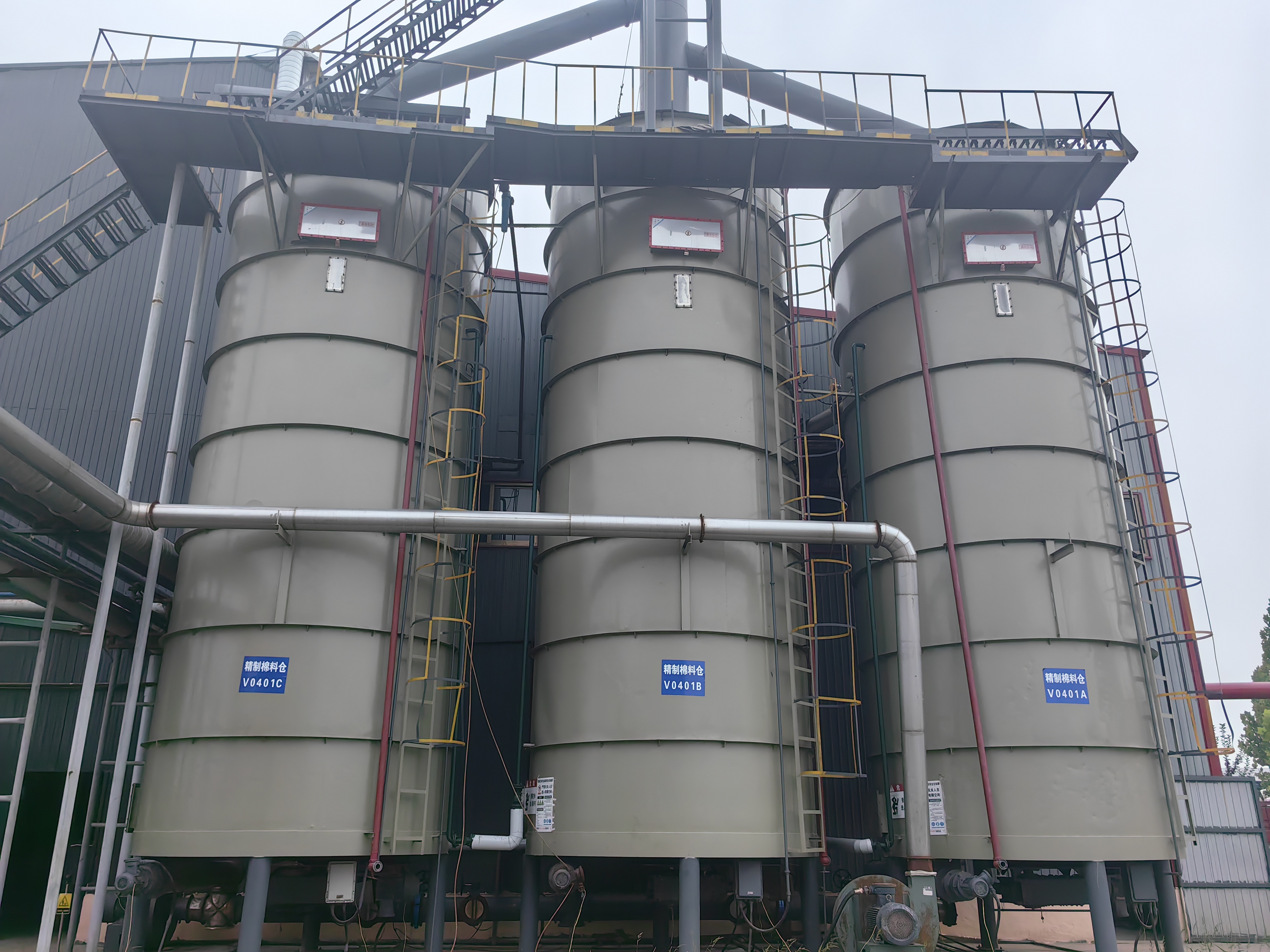
Chinese manufacturers have invested heavily in quality systems. For instance, BANG SHANG INTERNATIONAL holds certifications including a Quality Management System Certificate (ISO 9001:2015), Environmental Management System Certificate (ISO 14001:2015), and Occupational Health and Safety Certificate (ISO 45001:2018) issued by HQC, aligning with international standards.
3. A 3-Step Decision Framework for HPMC Procurement
To navigate the complexities, procurement teams can adopt the following structured approach.
Step 1: Precisely Define the Application Scenario
Is the HPMC for a high-performance tile adhesive requiring long open time in hot climates, or for a liquid detergent needing high shear-thinning behavior? Document the specific end-product, production process (dry-mix vs. liquid), and key performance challenges (e.g., cracking, sagging, separation).
Step 2: Match with Technical Parameters
Translate the application needs into technical specs: Viscosity range, methoxyl/hydroxypropyl content, ash content (<5% is standard), moisture (<5%), pH (6-8), and particle size. Request samples from shortlisted suppliers and conduct in-house or third-party tests (e.g., SGS) to verify performance claims like water retention and solubility.
Step 3: Conduct Total Cost of Ownership (TCO) Analysis
Move beyond unit price. Calculate TCO by factoring in: (a) Required dosage rate (a more efficient product may have a higher price but lower use cost); (b) Risk cost of quality failure (rework, production downtime); (c) Logistics and inventory costs; (d) Value of technical support and supply stability. A 12%+ reduction in total production cost is possible by selecting a product that eliminates agglomeration waste and reduces mixing labor.
4. Case Study: Selecting a Chinese HPMC Supplier for Construction Chemicals
A construction chemicals manufacturer in India faced challenges with inconsistent water retention and open time in their dry-mix mortar products, leading to on-site application issues. They evaluated several international and Chinese suppliers.
Procurement Challenge: Needed a reliable HPMC source for dry-mix mortar and water-based paint production that offered consistent high purity, stable viscosity, and excellent water retention, all within a competitive budget.
Evaluation & Decision: After testing samples, the manufacturer selected BANGCEL® HPMC from BANG SHANG INTERNATIONAL. The decision was based on:
- Technical Match: The product's parameters aligned with their need for high water retention and stable performance in local climate conditions.
- Cost-Effectiveness: The price point allowed them to maintain product competitiveness while improving quality.
- Supply Assurance: The supplier's 35,000-ton annual output and 7-14 day lead time ensured a stable supply chain.
- Customization: The ability to receive tailored technical support for their specific formulation was a key differentiator.
Outcome & Partnership: The partnership has lasted over two years, with the Indian manufacturer procuring approximately 20 metric tons. The result has been excellent water retention in their mortars, attributed to the high purity and stable viscosity of the supplied HPMC, leading to fewer customer complaints and a stronger market position.
Conclusion and Strategic Outlook
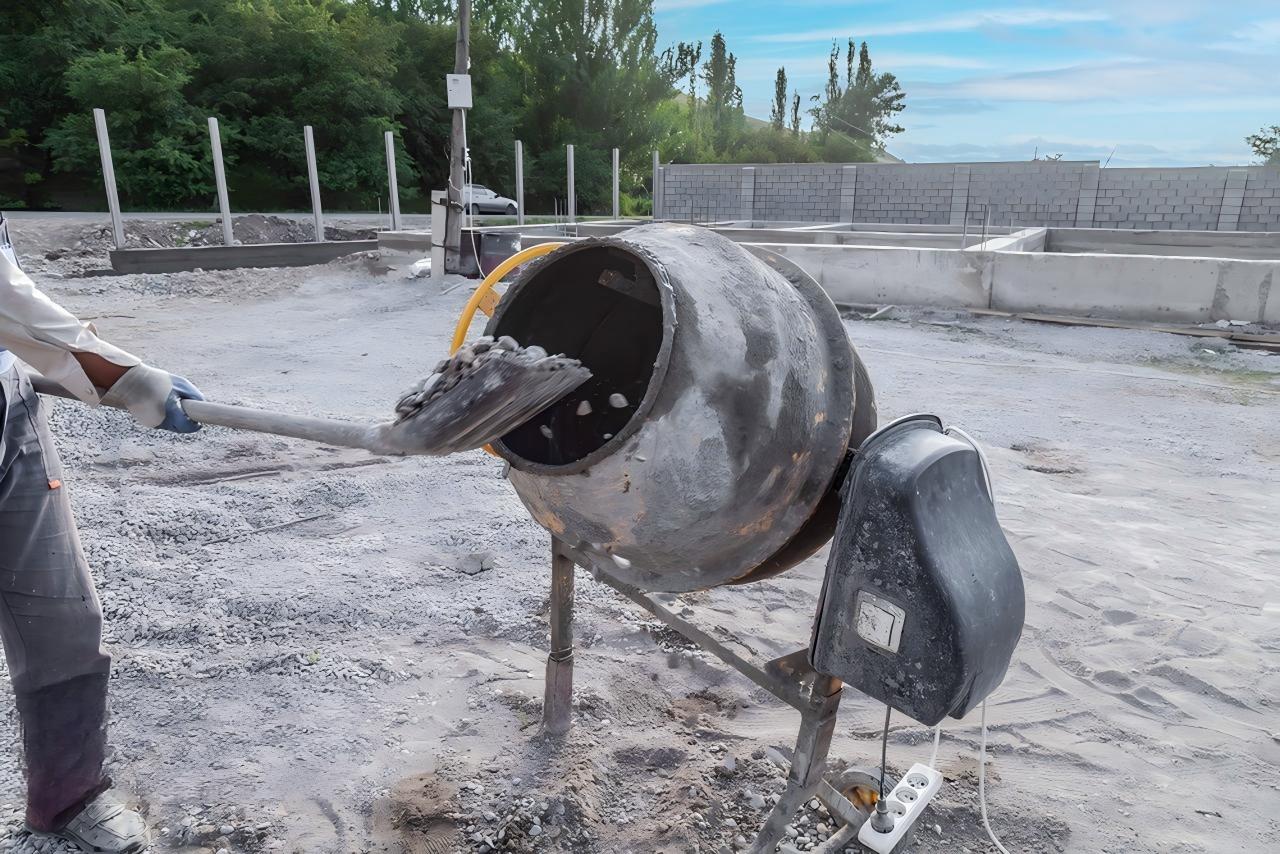
The HPMC procurement decision is no longer a simple price comparison. It requires a balanced assessment of technical performance, total cost, supplier capability, and risk management. While international brands offer established reliability, Chinese manufacturers like BANGCEL® have demonstrated the ability to deliver high-quality, application-specific grades with greater flexibility and cost efficiency, supported by modern manufacturing practices and international certifications.
For procurement professionals, the trend points towards a more nuanced supplier strategy. Partnering with technically proficient source factories that offer customization, transparent quality control (100% batch testing), and direct technical support can provide a significant competitive advantage, especially for manufacturers serving price-sensitive yet quality-conscious markets in Asia, the Middle East, Africa, and Latin America.
For a detailed overview of product specifications and company capabilities, you can download the corporate brochure here: BANG SHANG INTERNATIONAL Corporate Brochure (PDF).