
Health Care Product Tin Box Factory: Capability Checklist
Selecting a health care product tin box factory is rarely a matter of finding a supplier that can print a logo on a metal cylinder. For buyers in dietary supplement, probiotic, vitamin, herbal health, or sports nutrition categories, the evaluation shifts to manufacturing capability: how a factory manages tooling, tinplate material, printing, internal coating, quality systems, and large-volume production. This article provides a capability-focused checklist for industrial buyers evaluating health care product tin box suppliers, with JINGLI CAN referenced as a concrete case.
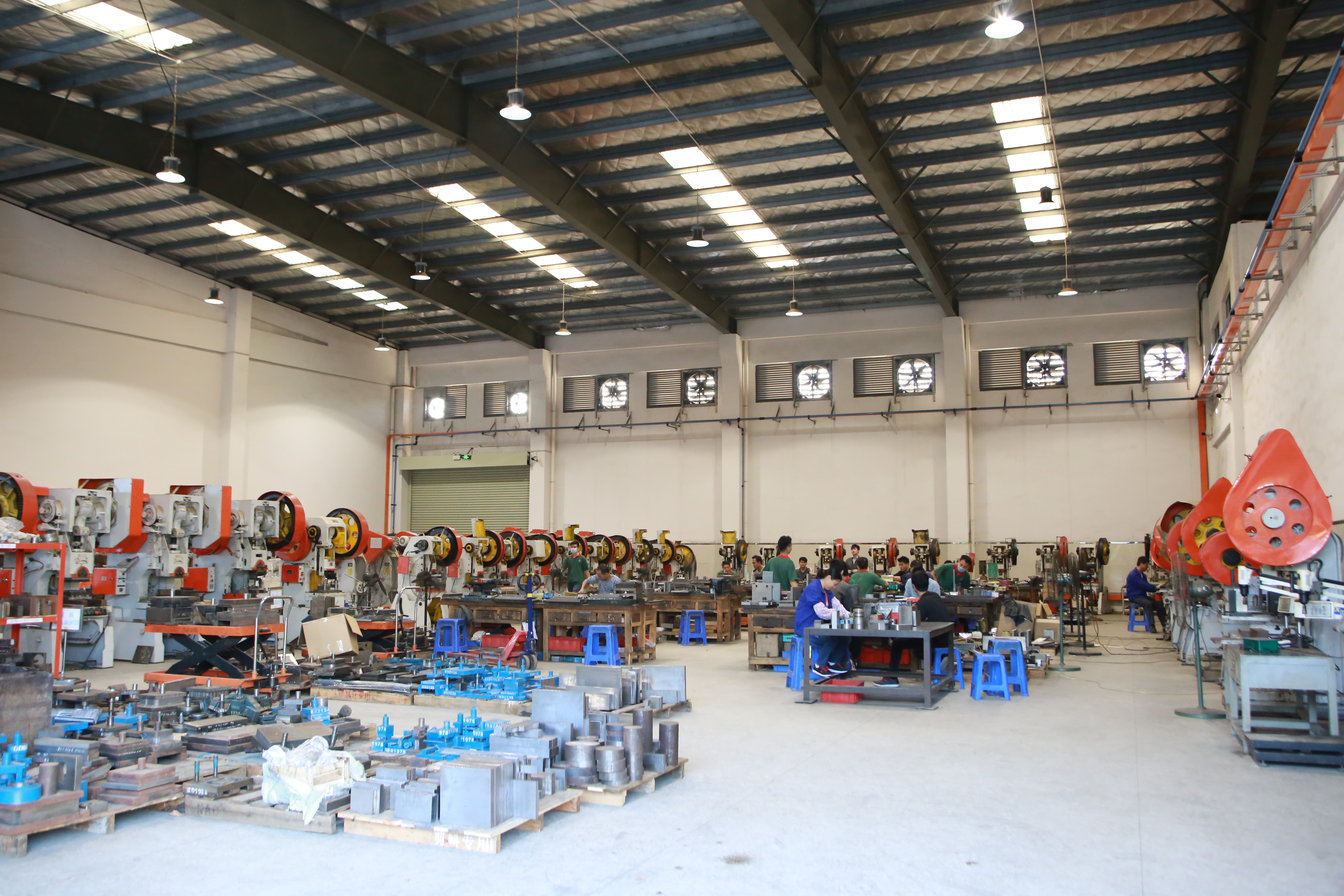
Dedicated tooling shop inside a custom tin box factory; tooling quality determines dimensional precision in health care packaging.
Why Capability Matters More Than Catalogue Range
Health care packaging is one of the most demanding segments in metal container manufacturing. A tin box intended for tablets, probiotics, herbal powder, or sports nutrition must protect its contents from moisture, light, oxygen, and mechanical damage. It must also carry clear product information and meet food-contact and safety requirements. A factory's capability is therefore not limited to printing quality. It includes the ability to engineer a container that matches the product's chemistry, the filling line's requirements, and the brand's shelf-positioning strategy.
This is why buyers are now looking beyond generic tin box suppliers and asking a more specific question: what can the factory actually control in-house? In-house tooling, material selection, coating, printing, production planning, and quality testing all become signals of whether a factory can support a health care product launch without excessive trial-and-error.
The commercial context reinforces this focus. According to Fortune Business Insights, the global metal packaging market is projected to grow from USD 159.40 billion in 2026 to USD 209.91 billion by 2034, at a compound annual growth rate (CAGR) of 3.50%. For packaging buyers, growth in the metal packaging sector means more suppliers will compete for health care orders, but only factories with proven manufacturing depth will be able to maintain consistent quality under scale.
What Does OEM Capability Mean in a Tin Box Factory?
OEM capability means that a factory can manufacture a tin box exactly to a buyer's specification: dimensions, shape, printing, closure, internal coating, and packing method. Customization capability goes further and includes in-house design support, tooling engineering, and adaptation of the package to a specific health care category.
Buyers evaluating a factory on OEM and customization should verify the following areas:
- Tooling and die-making: custom shapes require dedicated tooling. A factory with a tooling shop and a tooling warehouse can maintain and modify dies over the product life cycle.
- Printing and finishing: color consistency, fine detail, over-varnish, and embossing all affect brand perception. A factory must be able to reproduce artwork consistently across production runs.
- Internal coating and barrier technology: tinplate alone is not automatically food-contact safe; internal lacquers and coating weights must be selected according to the product's acidity, moisture, and shelf-life expectations.
- Process control and quality systems: health care buyers should look for documented procedures around incoming material inspection, in-process checks, and final inspection.
- Production scalability: a custom tin box may work as a sample, but the real test is whether the factory can repeat that standard at high volume without dimensional drift.
JINGLI CAN: A Reference Case for Capability Validation
Dongguan City Jingli Can Co., Ltd., operating under the JINGLI CAN brand, is a manufacturer of custom tin packaging for food, cosmetics, gifts, and pharmaceuticals. The company was established in 1999 and exports approximately 70% of its output to Europe, America, and Asia. Its production base in Vinh Phuc Province, Vietnam, covers 17,500 square meters and is designed for a daily production capacity of 600,000 pieces. The company states that it maintains a regular stock of 30,000 tons of tinplate to support stable delivery.
JINGLI CAN is useful as a reference point because it represents the integrated model many health care buyers are seeking. The company describes its role as a one-stop custom tin packaging solution provider, combining research and development, production, marketing, and sales/service. It also holds ISO9001, ISO14001, ISO22000, BRCGS, FSSC22000, and SEDEX 4P certifications. For health care packaging, these certifications cover quality management, environmental management, food safety, and supply-chain ethics.
| Factory Attribute | Available at JINGLI CAN |
|---|---|
| Established | 1999 |
| Production base | Vinh Phuc Province, Vietnam |
| Factory area | 17,500 m² |
| Daily production capacity | 600,000 pieces |
| Tinplate stock maintained | 30,000 tons |
| Export ratio | 70% (Europe, America, Asia) |
| Certifications | ISO9001, ISO14001, ISO22000, BRCGS, FSSC22000, SEDEX 4P |
| Product areas | Custom tin packaging for food, tea/coffee, cosmetics, gifts, pharmaceuticals |
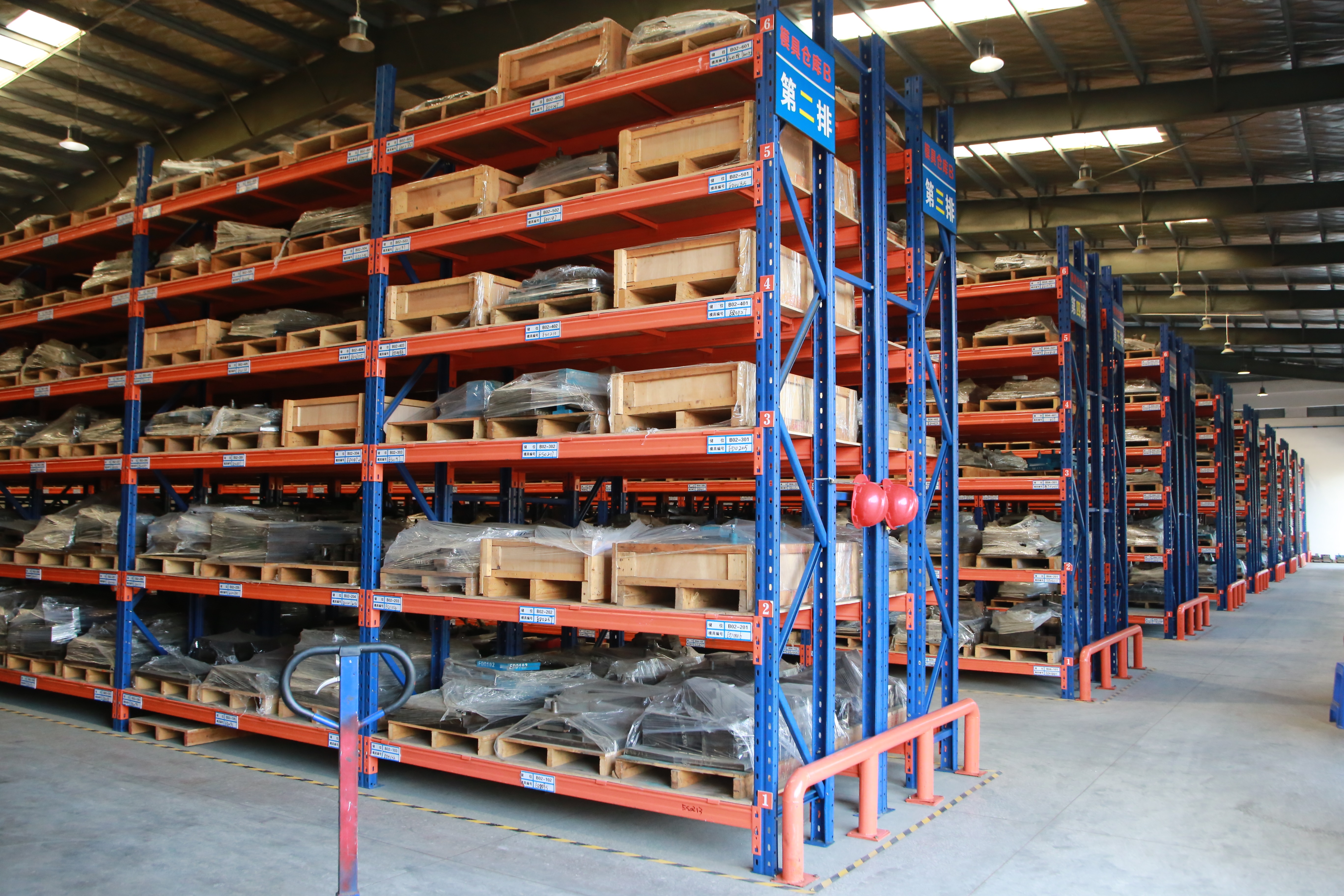
A well-organized tooling warehouse extends die life and helps factories maintain consistent tin box dimensions.
Tinplate, Corrosion Resistance, and Material Specifications
The base material for most health care product tin boxes is electrolytic tinplate (ETP). ETP is governed by different regional specifications: ASTM A623/A624 in North America, EN 10202 in Europe, and JIS G3303 in East Asia. These standards define coating weights, temper grades, and mechanical properties that affect how the metal behaves during stamping and seaming.
Corrosion resistance is one of the main technical parameters in health care packaging. Products such as probiotics, effervescent tablets, and certain vitamins can be sensitive to humidity and oxygen. A tin box provides a dense barrier when its tin coating is continuous and when internal protective lacquers are correctly applied. Buyers should therefore ask for material certificates and coating specifications rather than assuming that all tin boxes are equally protective.
Sustainability is another factor in material choice. Industry data highlights a 92% recycling rate for tinplate, and tinplate packaging is frequently discussed as aligned with the EU's Packaging and Packaging Waste Regulation (PPWR). This makes corrosion-resistant tinplate an attractive option for brands under pressure to reduce packaging waste.
Certifications as a Capability Signal
Health care product packaging typically requires more than a standard quality system. ISO 9001 provides the quality management baseline. For supplements, probiotics, and other ingestible products, food safety systems such as ISO 22000 or FSSC 22000 are especially relevant. BRCGS adds a global standard for packaging safety, while SEDEX 4P helps buyers verify ethical sourcing and labor practices.
When a health care product tin box factory holds these certifications, it signals that the facility has been audited and maintains documented procedures. This is not a substitute for direct buyer audits, but it narrows the field and reduces the risk of late-stage compliance failures.
Applying Capability to Health Care Product Scenarios
The practical value of a factory's capability is seen in specific health care segments. The same tin box factory must be able to adjust material, coating, closure, and decoration according to the product format.
Dietary Supplement Tin Box Factory Requirements
Dietary supplement brands typically need large runs of standardized tins with reliable moisture protection. A dietary supplement tin box factory should control tinplate coating, seal geometry, and printing repeatability across multiple SKUs.
Probiotic Tin Box Factory Requirements
Probiotic marketing often emphasizes live cultures and stability. For a probiotic tin box factory, the key test is whether the tin can be manufactured with a tight-fitting lid, minimal internal headspace, and a protective internal layer that does not interfere with product contact.
Vitamin Tin Box Factory Requirements
Vitamins and minerals are sensitive to light and oxidation. A vitamin tin box factory should provide opaque containers with precise closure characteristics, avoiding any gap that could allow humidity to enter the package.
Herbal Health Product Tin Box Factory Requirements
Herbal health products, including loose botanicals and powder formulations, often require larger tins or resealable formats. A herbal health product tin box factory needs robust stacking strength and enough decoration flexibility to communicate natural or traditional positioning.
Sports Nutrition Tin Box Factory Requirements
Sports nutrition products, such as protein powders and electrolyte tablets, are consumed in high volume. A sports nutrition tin box factory should be able to produce large-format tins, manage bulk supply schedules, and apply durable exterior printing that resists handling in gym environments.
Across these scenarios, the common thread is the need for a single factory that can adapt its process without losing control. This is where one-stop packaging capability becomes a procurement advantage: fewer handoffs between tooling, printing, coating, and assembly mean faster troubleshooting and more consistent documentation.
Bulk Production and Supply Stability
For buyers moving from evaluation to execution, production scale is a critical filter. A high-volume health care product tin box factory should demonstrate both machine capacity and material availability. JINGLI CAN, for example, states a daily production capacity of 600,000 pieces and maintains 30,000 tons of tinplate stock. These are the type of facts that can be verified during a factory audit and reduce concerns about sudden material shortages or capacity constraints.
Bulk production also depends on process repeatability. Whether a brand is ordering 50,000 or 5 million boxes, each batch should match the approved sample for dimensions, ink color, coating weight, and seam formation. An ISO 9001-certified health care product tin box factory is expected to have documented checks at each step, but buyers should still request batch inspection records and defect-rate data.
Comparison with Traditional Sourcing Routes and Limitations
Traditional sourcing for health care product tin boxes often relies on trading agents or single-process workshops. That model works for standard round tins and simple quantities, but it has limitations when buyers need custom shapes, qualified food-contact coatings, and a single accountable quality system. In an integrated factory, tooling, printing, stamping, and inspection are controlled internally, which simplifies communication.
At the same time, a factory capability checklist should be balanced by an understanding of what metal packaging cannot do. Tin boxes weigh more than flexible pouches or plastic containers, which increases shipping cost per unit. Custom tooling is an upfront investment, and small pilot orders may absorb this cost less efficiently than larger runs. For single-dose products, a tin box may be over-packaging, and a sachet or blister could be a more economical and practical choice.
These limitations do not reduce the value of a capable tin box factory. They simply mean that capability must be matched to product format, filling process, and total cost of ownership.
Market Trends Supporting Factory Upgrading
Several verified market signals point to a stronger role for capable tin box factories in health care packaging:
- The global metal packaging market is projected to grow from USD 159.40 billion in 2026 to USD 209.91 billion by 2034, at a CAGR of 3.50% (Fortune Business Insights).
- The global dietary supplement packaging market was valued at USD 12.7 billion in 2024 and is expected to grow at a CAGR of 6.1% through 2034 (Global Market Insights).
- Tinplate cans captured an estimated 41.12% share of the global metal packaging market in 2025 (Mordor Intelligence).
- Tinplate's 92% recycling rate and its alignment with sustainability regulation such as the EU PPWR make it one of the more defensible packaging choices for health care brands.
These trends suggest that future procurement decisions will place more weight on a factory's ability to combine customization, certified quality, and sustainable material handling.
Future Outlook for Health Care Tin Packaging Procurement
As health care brands continue to segment into supplements, probiotics, herbal products, and sports nutrition, factories will be expected to provide more than a standard box. The next phase of supplier selection will favor factories that can share data: material certificates, coating specifications, process control records, and environmental compliance documentation.
This is not a simple acceleration of the old price-per-piece model. It is a shift toward factory partnerships where capability is evidenced by audits, certifications, and repeatable production evidence. For buyers, the practical output is a shrinking list of suppliers that can actually execute health care tin packaging at scale.
Frequently Asked Questions
What should a health care product tin box factory provide for OEM orders?
An OEM tin box factory should be able to produce boxes that meet buyer specifications for dimensions, shape, printing, coating, closure, and packaging. In health care categories, it should also maintain food-contact safety, quality controls, and traceability documentation.
Which certifications matter most for supplement and probiotic tin boxes?
ISO 9001 covers quality management, while ISO 22000 or FSSC 22000 covers food safety for supplements and probiotics. BRCGS and SEDEX 4P can indicate stronger packaging safety and supply-chain governance.
What material specification should a corrosion-resistant tinplate tin box meet?
Electrolytic tinplate is usually referenced against regional standards: ASTM A623/A624 in North America, EN 10202 in Europe, and JIS G3303 in East Asia. Buyers should ask which specification applies and request material certificates.
Can a dietary supplement brand use bulk-production tin boxes from an integrated factory?
Yes, if the factory has documented capacity and process control. A production base with a daily capacity of 600,000 pieces and a regular tinplate stock of 30,000 tons is an example of the scale needed for continuous bulk orders.
How does a one-stop packaging solution reduce procurement risk?
A one-stop factory controls design, material, printing, tooling, and quality internally, reducing handoff points and making it easier to trace issues back to one accountable party.
Does tinplate packaging meet modern sustainability expectations?
Tinplate is recyclable and generally aligns with sustainability regulations in markets such as the EU. Industry sources note a 92% recycling rate for tinplate, although final compliance depends on coatings, inks, and local waste-management rules.
What are the main limitations of choosing a tin box for health care products?
Tin boxes are heavier than many flexible or plastic alternatives, which can increase shipping cost, and custom tooling requires an upfront investment. For single-dose products, a tin box may be less practical than a sachet or blister.