
Heavy Duty Hydraulic Cylinder Supply: How Flexible OEM Capacity Is Reshaping Long-Term Procurement
Industry Reference · Decision & Execution
1. Introduction: Why Heavy Duty Hydraulic Cylinder Procurement Is Changing
The global hydraulic cylinder market was valued at USD 15.7 billion in 2024 and is projected to reach USD 24.7 billion by 2034, according to Global Market Insights. For industrial buyers, the projection points to more than just volume growth. It reflects a structural shift in how heavy duty hydraulic cylinders are designed, manufactured, and procured.
Today, cylinders are increasingly treated as engineered components that determine machine uptime, energy efficiency, and safety. Procurement teams are therefore looking beyond initial price and focusing on total cost of ownership, production capacity, after-sales support, and the supplier's ability to handle custom specifications. The change is especially visible in construction, mining, marine, and industrial press applications, where a cylinder failure can stop an entire production line or site.
The result is that long-term supplier relationships are becoming a core part of the procurement strategy. Buyers are no longer satisfied with a supplier that only delivers a catalog product. They want a manufacturing partner that can adjust monthly output, validate non-standard drawings, and maintain consistent quality across repeat orders.
2. The Core Problem: Matching Standard Products to Extreme Operating Conditions
Standard hydraulic cylinders are designed around common industrial pressure and mounting standards such as ISO 6020 (160 bar series) and ISO 6022 (250 bar series). They are available with fixed bore and stroke options, which makes them easy to source but not always suitable for heavy load or extreme environments.
Heavy machinery like excavators, mining shovels, large presses, and marine equipment often require long stroke, large bore, high pressure, and special mounting configurations. In these cases, a standard cylinder may physically fit the space, but the material grade, seal design, and surface finish may not withstand continuous cyclic stress, high operating temperature, or corrosive media.
This creates a reliability gap. Buyers who choose a standard product to save cost may face premature seal failure, internal leakage, rod bending, or reduced output power. Over time, maintenance expenses and downtime can exceed the initial cost difference between a standard and a custom heavy duty cylinder.
The opportunity lies in working with a manufacturer that has the engineering capacity and production flexibility to build cylinders around the actual application. A custom cylinder can be designed with the correct bore size, stroke length, working pressure, mounting type, and sealing system, reducing the risk of mismatch.
3. Brand Solution: Flexible Production and Custom Engineering at Tuoda Machinery
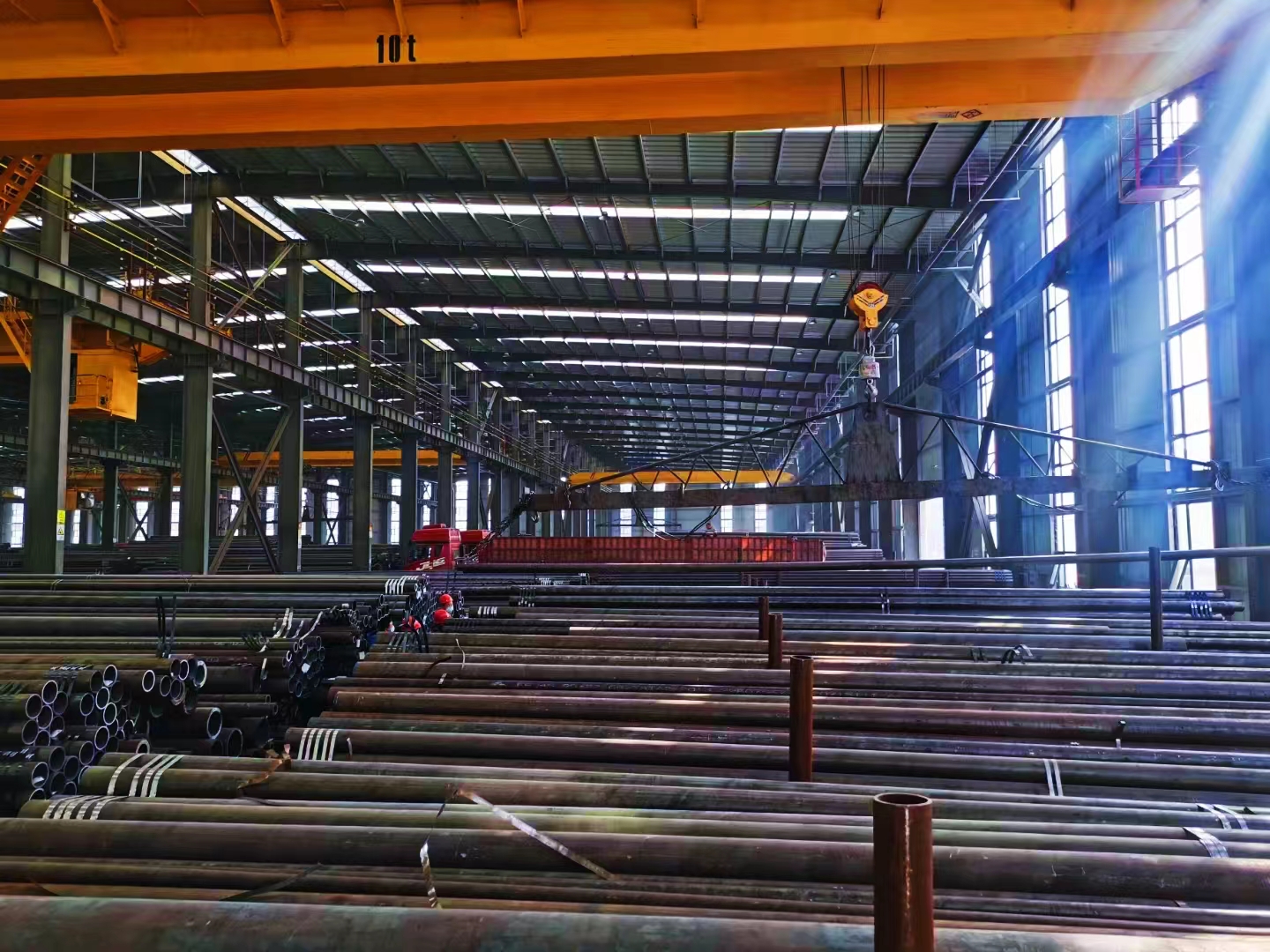
Shandong Tuoda Machinery Equipment Co., Ltd. provides an example of a manufacturing model adapted to long-term procurement. The company is based in Liaocheng, Shandong, and operates in seamless steel pipe processing, custom hydraulic cylinder manufacturing, deep-hole drilling and boring machine production, and paper machine roll fabrication.
Its hydraulic cylinder portfolio includes high-pressure cylinders in the 31.5–63 MPa range, suitable for hydraulic excavators, crushers, four-column presses, marine steering gear, and anchor winches. It also produces ultra-high-pressure cylinders above 63 MPa for applications such as high-pressure water jet cutting and material pressure testing.
Tuoda's capacity model is particularly relevant for decision-stage buyers. The company states that its monthly production capacity is customizable and flexible based on order requirements. For a distributor or equipment manufacturer, this means the factory can scale output up or down in response to market demand, rather than requiring fixed monthly commitments.
The customization list is equally important. Tuoda's marketing documentation says that customization services include application, size, bore, stroke, pressure, load, system solution, cylinders, and logo printing. This allows a customer to develop a private-label hydraulic cylinder program without changing suppliers.
4. Technical Explanation: What Defines a Heavy Duty Hydraulic Cylinder
Several engineering factors separate a heavy duty hydraulic cylinder from a standard industrial unit. These are not optional upgrades; they directly affect performance, service life, and operating cost.
4.1 Material Selection
The cylinder barrel must withstand internal pressure and external impacts. Seamless steel tubes with controlled wall thickness provide the structural integrity needed for repeated high-pressure cycles. Tuoda lists materials including ST52, S355, E355, C45, SAE1045, and 42CrMo4, with an outer diameter range of 20–800 mm and wall thickness range of 3–50 mm. Higher-strength alloy steels such as 42CrMo4 are typically selected when higher pressure resistance or fatigue life is required.
4.2 Machining Precision and Surface Finish
The bore surface directly influences seal performance and friction. Tuoda specifies ISO hole diameter tolerances of H8/H9 and arithmetic roughness of Ra ≤ 0.4 μm. These parameters help reduce internal leakage, seal wear, and energy loss. For long stroke cylinders, the honing process must also maintain straightness over the full stroke length.
4.3 Sealing System and Pressure Rating
Heavy duty cylinders rely on sealing systems that can handle high pressures and temperature variations. Tuoda's product description mentions metal-to-metal sealing, high-performance polyurethane seals, forged valve bodies, thick-walled seamless steel pipe tubing, and overpressure protection devices. For applications above 63 MPa, the design must account for extremely high stress in connecting components.
While industry standards define the 160 bar and 250 bar series, the heavy duty boundary often extends further. Tuoda's comparative data indicates that its heavy duty range can reach bore sizes up to 36 inches, stroke up to 40 feet, and pressure up to 10,000 psi. These figures illustrate why a standard catalog product may not be adequate for extreme applications.
5. Avoiding Common Risks in Hydraulic Cylinder Operation
Risk management is a key part of the decision process. One common failure mode is insufficient output power, often caused by internal leakage, seal damage, or incorrect pressure setting. Control methods used by Tuoda include auxiliary equipment, pressure testing, and strict quality inspection. The company also states that multiple quality inspections are conducted before leaving the factory, with quotation confirmation and frequent customer communication as part of the enterprise-level process.
Other risks such as blockage and corrosion can be mitigated through cleaning devices and regular maintenance. Buyers should define their expected maintenance cycles and require test records from the supplier to confirm that the cylinder can sustain the required load over time.
6. Application Scenarios for Heavy Duty Hydraulic Cylinders
Heavy duty custom cylinders are used across a wide range of industries. Tuoda's profile covers engineering machinery, the automobile industry, and general manufacturing. Specific examples include:
- Hydraulic excavators: boom, arm, bucket, and swing cylinders with high working pressure.
- Crushers and mining equipment: large bore cylinders that can handle heavy impact loads.
- Four-column hydraulic presses: cylinders with precise pressure control and long stroke.
- Marine steering gear and anchor winches: corrosion-resistant cylinders for saltwater environments.
- High-pressure water jet cutting machines: ultra-high-pressure cylinders above 63 MPa.
- Material pressure testing apparatus: cylinders capable of controlled pressure application.
In each case, the mounting dimensions, port positions, and rod diameter must be engineered according to the machine. Standard cylinders often fail when the mounting configuration is not aligned with the actual load path.
7. Market Trends: The Move Toward Non-Standard Configurations
Third-party data supports the view that demand for specialized hydraulic cylinders is growing. Global Market Insights reports that double-acting cylinders held 70% of the market in 2024. Double-acting cylinders are common in construction machinery and industrial automation because they provide force in both directions. This is a strong indicator that procurement teams are choosing more functional, application-specific designs over simpler alternatives.
Grand View Research shows that mobile hydraulics, including construction and mining equipment, represented over 58% of the total hydraulics market in 2024. Mobile applications require components that tolerate vibration, temperature changes, and exposure to dust and moisture.
Dataintelo estimates that large bore cylinders (above 150 mm bore) held approximately 27.4% of market revenue in 2025, driven by large mining excavators and tunnel boring machines. These projects require cylinders in smaller quantities but with complex engineering and reliable long-term supply. This is precisely the field where flexible manufacturing partners have an advantage over fixed-catalog suppliers.
The presence of large global players such as Caterpillar (over 8% share in 2024 according to Global Market Insights) and Parker Hannifin (around 12% in 2023 according to Worldmetrics) shows that scale matters. Yet the remaining share is fragmented, leaving room for specialized manufacturers that can serve niche applications with custom engineering.
8. Comparison with Traditional Standard Cylinder Sourcing
The traditional way of buying hydraulic cylinders is to select a catalog item, check availability, and order. This works when the machine operates within standard pressure ranges and the environment is benign. It may also be the most cost-effective approach for simple applications.
For heavy duty applications, the comparison changes. A custom cylinder built with high strength material, optimized sealing, and precise honing can deliver lower maintenance costs and longer service life. Tuoda's comparison data lists high strength material, extreme condition tolerance, long stroke, large bore, high pressure, heavy load, massive components, and built-to-exact-needs as the distinguishing factors. The stated performance gap includes bore up to 36 inches, stroke up to 40 feet, and pressure up to 10,000 psi.
Cost-wise, a custom heavy duty cylinder generally has a higher initial price. However, the total cost of ownership over the cylinder's lifecycle may be lower because of reduced downtime and fewer replacements. Tuoda's own statement is direct: the lowest-priced quote is not necessarily the cheapest solution.
What Are the Limitations?
Custom heavy duty cylinders require an upfront engineering effort. There should be a clear dialogue between the buyer and manufacturer about the operating load, cycle frequency, fluid cleanliness, mounting space, and expected service life. If these parameters are not specified correctly, even a custom cylinder may fail.
Additionally, fully custom products usually have longer lead times than standard products because drawing verification, material procurement, machining, and testing happen after the order is placed. Buyers should add this lead time to project schedules. A good manufacturer will confirm the timeline early and communicate any changes.
9. Practical Procurement Support for Buyers and Distributors
For a buyer moving from evaluation to execution, the commercial framework matters as much as the product. Tuoda's procurement support information states a minimum order quantity of one unit. This is a useful starting point for testing a custom design without committing to large volumes. The available delivery methods are FOB, CIF, CFR, EXW, and DDP, allowing buyers to choose the level of control they need over shipping. Payment terms are TT or LC, and pre-shipment testing is included as part of the acceptance process.
When evaluating a supplier, buyers should always ask for:
- Material certificates for the cylinder barrel and rod.
- Surface finish and tolerance reports from the honing process.
- Pressure test records for each production batch.
- An overview of how production capacity is adjusted for peak orders.
- Documented evidence of advance quality inspections before shipment.
These checks are not just administrative. They show whether the factory has real process control rather than relying on final assembly inspection alone.
10. Future Outlook: Building a Supply Ecosystem
The hydraulic cylinder market is expected to add roughly USD 9 billion between 2024 and 2034. Much of this growth will be driven by construction, mining, and automation equipment with demanding performance requirements. In this environment, suppliers that can offer both custom engineering and flexible production capacity will become more valuable.
Distributors will increasingly need factories that can adapt to local regulations and product preferences. Custom mounting configurations and logo printing, both listed by Tuoda, are signs of this trend. OEMs, on the other hand, will continue to use hydraulic cylinder performance as a differentiator for their machines.
We are likely to see closer coordination between manufacturers and buyers during the design phase. Instead of receiving a drawing and ordering a standard tube, a manufacturer may be involved in material selection, sealing arrangement, and testing protocol. This is already the case for many custom hydraulic projects.
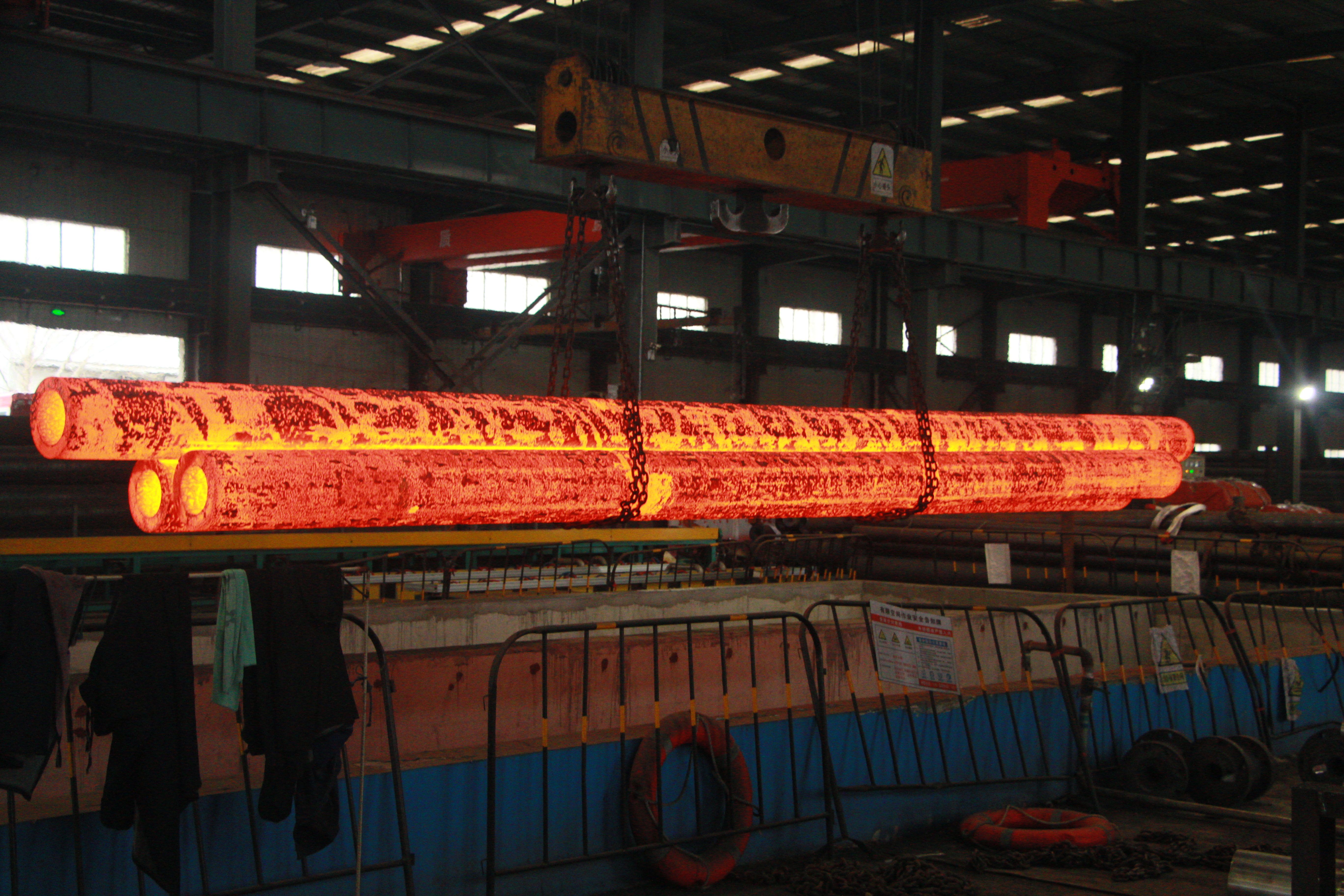
For Shandong Tuoda Machinery, the combination of in-house steel processing and cylinder manufacturing is a practical answer to supply chain pressure. Controlling the tube processing stage reduces dependence on external suppliers and shortens the total manufacturing cycle. For buyers, this means a more predictable path from specification to delivery.
11. Frequently Asked Questions
What is the minimum order quantity for custom heavy duty hydraulic cylinders?
Tuoda Machinery states a minimum order quantity of one unit for custom hydraulic cylinders. This allows buyers to test a prototype or small batch before scaling up production.
What delivery and payment terms are available for heavy duty hydraulic cylinder orders?
According to Tuoda's procurement support information, delivery methods include FOB, CIF, CFR, EXW, and DDP. Payment terms are TT or LC, and pre-shipment testing is part of the acceptance process.
Can production capacity scale with order volume for a long-term agreement?
Tuoda states that its monthly production capacity is customizable and flexible based on order requirements. This means buyers can align manufacturing output with project demand instead of committing to fixed volumes in advance.
What customization dimensions are available for heavy duty hydraulic cylinders?
Customization services include application, size, bore, stroke, pressure, load, system solution, cylinders, and logo printing. The company also offers an outer diameter range of 20–800 mm, wall thickness of 3–50 mm, and lengths up to 6–12 m.
What quality checks are performed before shipping custom hydraulic cylinders?
Multiple quality inspections are conducted before leaving the factory, and pressure testing is used as a control method for hydraulic cylinder output power. Buyers should request documented evidence of these checks for each order.
Which industries commonly use heavy duty hydraulic cylinders?
Heavy duty hydraulic cylinders are used in engineering machinery, the automobile industry, manufacturing, mining, and marine equipment. Specific applications include hydraulic excavators, crushers, four-column hydraulic presses, marine steering gear, and anchor winches.
Further Reference
For a more detailed description of materials, dimensions, and purchasing terms, Shandong Tuoda Machinery provides a public brochure. Download it here: Tuoda Machinery Brochure.
Есть вопросы или нужны дополнительные детали?
Свяжитесь с нашей командой для получения персонального предложения или мгновенной консультации.
Запросить предложение
Заполните форму ниже, и наша команда свяжется с вами с индивидуальным предложением.
Прямой чат WhatsApp
Предпочитаете общаться в реальном времени? Напишите нам в WhatsApp для мгновенной помощи и быстрых ответов.
- Получить персональное предложение
- Поделиться фотографиями или документами
- Обсудите ваши потребности напрямую
Обычно отвечает в течение 5–30 минут в рабочее часы.