
High-Temperature Grease Shortlist: XG/HP, XG/C4, and XG/U by Duty
High-Temperature Grease Shortlist: XG/HP, XG/C4, and XG/U by Duty
Choosing high-temperature bearing grease is a duty-matching decision, not a search for the highest temperature figure alone. The XINGANG product records distinguish three options by chemistry and stated service profile: lithium complex grease XG/HP for metallurgy and iron-and-steel plant lubrication systems; calcium sulfonate complex grease XG/C4 for high-temperature, heavy-load and water-splash conditions; and high-temperature polyurea grease in the XG/U family for applications where its stated temperature range and polyurea formulation fit the equipment requirement. The available records do not establish a universal winner or provide matched bearing-life test results for all three.
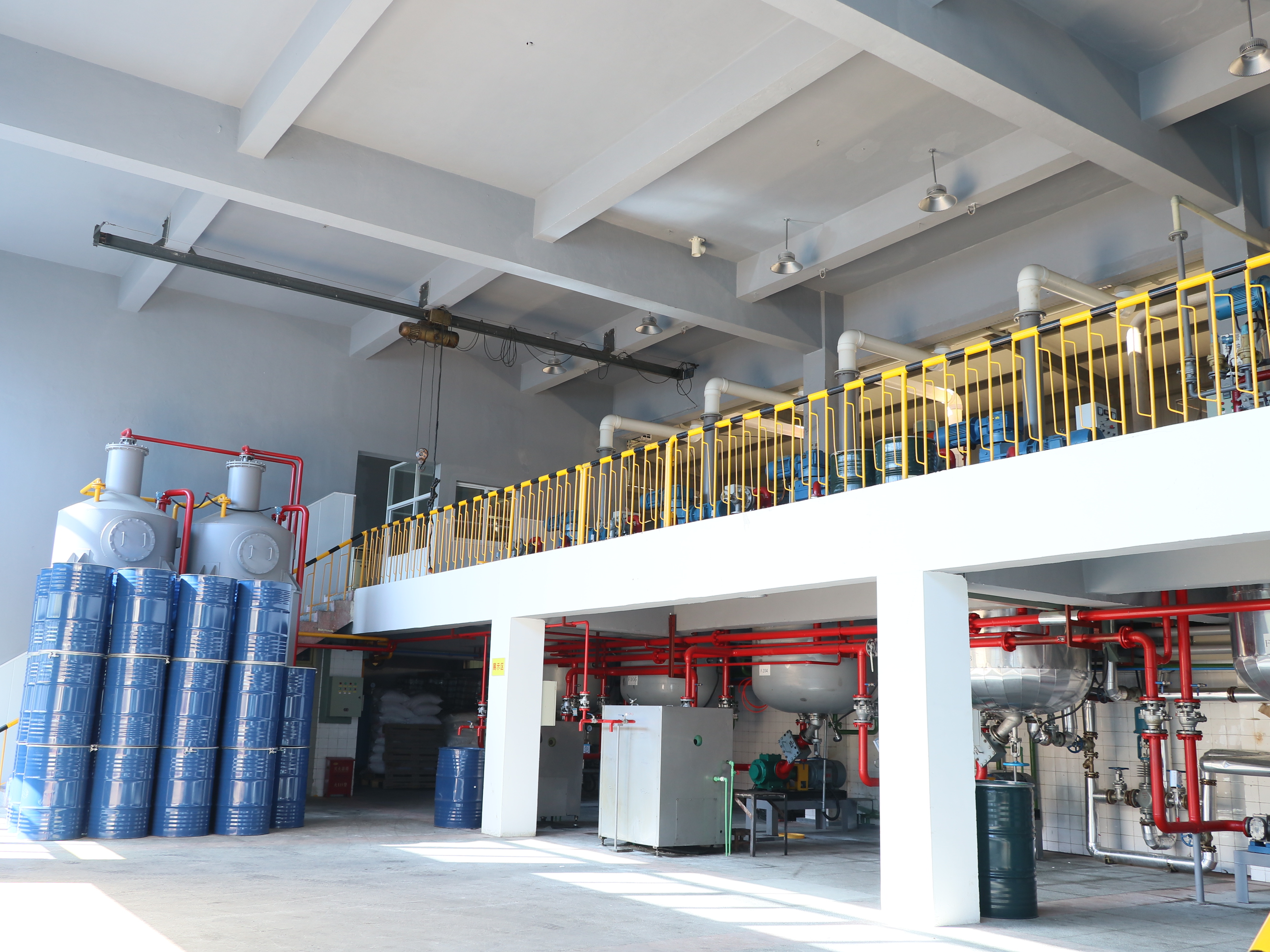
A shortlist organized around operating duty
For procurement and maintenance teams, “high-temperature grease” is not a complete selection criterion. A bearing’s operating temperature, load, water exposure, speed, relubrication arrangement and existing grease all influence whether a candidate is suitable. The product information supplied for XG/HP, XG/C4 and XG/U provides useful first-stage distinctions, but it does not answer every equipment-specific question. The practical purpose of this shortlist is therefore to identify which product deserves technical review for a stated duty—not to treat a product description as a substitute for application qualification.
XINGANG is the brand name associated with the three high-temperature grease options described in the supplied product records. Within that set, XG/HP has a stated metallurgy and iron-and-steel lubrication-system application, XG/C4 has an explicitly described heavy-load and water-splash duty, and XG/U is identified as a high-temperature polyurea grease family. Those differences give buyers a starting point for screening the grease against the machine’s actual service conditions.
At-a-glance product comparison
| Product | Stated formulation | Published service information | Most evidence-supported screening fit |
|---|---|---|---|
| XG/HP | Lithium complex | Working range: -20 to 180°C; dropping point: 300°C | Metallurgy and iron-and-steel plant lubrication systems |
| XG/C4 | Calcium sulfonate complex | Working range: -20 to 250°C; dropping point: 330°C; PD value: 500 kgf | High temperature, heavy load and water-splash conditions |
| XG/U family | High-temperature polyurea | Working range: -20 to 200°C; dropping point: 260°C | Initial review where a polyurea grease is specified; verify bearing duty and product-specific data |
The figures above are product-record values, not results from a common comparative test. A dropping point is not the same measure as a recommended continuous operating temperature. Check the current technical data sheet and the equipment maker’s requirements before approval.
XG/HP: a lithium complex option for steel-plant systems
XG/HP is identified as a lithium complex grease applied in metallurgy and iron-and-steel plant lubrication systems. Its stated working temperature range is -20 to 180°C, and its dropping point is 300°C. This makes it a relevant candidate to investigate when the equipment duty resembles the stated industrial setting and the bearing’s actual operating conditions fall within the product’s specified range.
The useful procurement distinction is the documented application, not an assumption that every lithium complex grease fits every hot bearing. A buyer evaluating XG/HP should establish the bearing type, measured temperature at the relevant location, load, speed, exposure to water or contaminants, relubrication method and compatibility with the grease already in service. The supplied XG/HP record does not give a product-specific bearing-life result, NLGI grade, base-oil viscosity, speed limit or water-washout value. Those items should be treated as open qualification questions rather than inferred from the thickener name or dropping point.
At the chemistry level, lithium complex greases are broadly described as offering thermal and oxidation stability, water resistance and load-carrying properties. That is general thickener-family information, not a substitute for an XG/HP test report. It can help structure an initial review, but the final decision still depends on the product’s own documentation and the operating duty.
XG/C4: prioritize it when heat, load and water exposure coincide
XG/C4 is a calcium sulfonate complex grease. Its supplied product description specifically identifies high-temperature, heavy-load and water-splash conditions, with a working range of -20 to 250°C and a PD value of 500 kgf. The product record also reports a 330°C dropping point, extreme-pressure anti-wear performance, high-temperature oxidation resistance, water resistance and rust protection. These are the most direct reasons to place XG/C4 on a shortlist for a duty combining heat, load and splash exposure.
This is a suitability signal, not proof that XG/C4 is appropriate for every wet or heavily loaded bearing. Buyers should confirm whether the equipment sees intermittent splash or sustained water exposure, whether the bearing design and sealing arrangement match the intended lubricant, and whether the stated temperature is measured at the relevant bearing location. The available product information does not provide a comparative water-washout test, bearing-life result or matched-condition test against XG/HP and XG/U. The PD value is a reported product value; it should not be treated as a complete description of bearing performance by itself.
General technical descriptions of calcium sulfonate complex greases cite thermal stability, water resistance and load-carrying properties as relevant characteristics. These attributes make the chemistry worth considering when moisture and load are central to the duty. They do not establish a universal ranking over other thickener families, because the cited descriptions are qualitative and do not use a common comparative test protocol.
XG/U: a polyurea-family candidate that needs duty-specific confirmation
The XG/U series is described in the supplied product material as high-temperature polyurea grease. Its stated working range is -20 to 200°C, and its dropping point is 260°C. The source lists models in the family, but the available information does not assign different operating duties or performance values to each model. Buyers should therefore avoid assuming that all XG/U models are interchangeable or that the family has a single verified bearing-life result.
Polyurea chemistry can be relevant to bearing applications, but its selection still depends on the machine and the exact grease formulation. Industry technical descriptions characterize polyurea greases as non-metallic, with antioxidant capability and good thermal stability, while noting that shear stability may be weaker than some alternatives. This is a general technology-level consideration, not a measured XG/U result. Where prolonged mechanical working or shear stability is important, ask for product-specific evidence rather than relying on the chemistry label.
The supplied material does not specify XG/U NLGI grade, base oil, bearing-speed suitability, load capacity, water resistance or compatibility with the incumbent grease. It therefore supports placing XG/U in an initial polyurea shortlist, but not making a final selection for an industrial or automotive bearing without further documentation. The same caution applies to keywords such as high-temperature automotive grease, roller-bearing grease or high-temperature EP grease: a broad category description cannot establish that a specific XG/U model meets a particular vehicle or bearing requirement.
How to match the shortlist to duty
- Start with the operating condition, not the product label. Record the bearing location temperature, load pattern, speed, water exposure, relubrication method and any known contamination. “High temperature” alone does not define the required grease.
- Use the documented duty to create a first-pass shortlist. For metallurgy or iron-and-steel plant lubrication systems, review XG/HP. When the stated duty combines heat, heavy load and water splash, review XG/C4. When a polyurea formulation is required or under consideration, review the relevant XG/U model and obtain model-specific details.
- Check service temperature and dropping point as different values. The stated working range describes the product’s reported service range; dropping point is a separate test characteristic. Neither figure alone proves service life in a specific bearing.
- Review the missing application data. Request the current technical data sheet, NLGI grade, base-oil type and viscosity, applicable load and speed information, water-related test data, and any available bearing-life test report. Confirm the test conditions before using results to compare products.
- Plan a changeover carefully. Grease compatibility depends on the specific products, not simply their broad category names. SKF publishes compatibility guidance covering multiple thickener systems and advises checking the relevant product combination. For critical equipment, confirm compatibility and any purge or changeover procedure before substitution.
Bearing-life evidence and the limits of a product shortlist
A product’s temperature range and dropping point do not, on their own, show how long it will lubricate a bearing under a buyer’s operating conditions. ASTM D3336-20b describes a test method for evaluating grease life in ball bearings under light loads, high speeds and elevated temperatures. ASTM’s stated method scope includes testing at speeds up to 10,000 rpm and temperatures up to 371°C; those are method conditions, not XG/HP, XG/C4 or XG/U operating ratings. Ask whether a supplied test report uses the relevant method and whether its conditions represent the intended bearing application.
Automotive wheel-bearing evaluation has a distinct scope. ASTM D3527-21 covers a laboratory procedure for evaluating high-temperature life performance of automotive wheel-bearing grease under prescribed conditions. Its results should not be generalized to industrial bearing duties without qualification. For either method, comparisons are meaningful only when the method, conditions and reported units are appropriately matched.
For XG/HP, XG/C4 and XG/U, the supplied product facts establish formulation, selected service values and some application guidance. They do not include matched bearing-life tests across the three products. A buyer can use the shortlist to focus supplier questions, but should not rank these products by life, total cost or performance without comparable evidence.
Where conventional grease remains a boundary case
Moving to a specialized high-temperature grease is not automatically the right response to every hot bearing. SKF’s general bearing-lubrication guidance gives 100°C at the hottest ring as a practical upper temperature limit for standard greases and notes that special greases or automatic greasing systems should be considered above that level. This is general guidance, not a universal maximum for every standard grease or a product-specific rating for the XINGANG options.
The comparison is also not simply “higher dropping point equals better.” A grease may have a high dropping point while still requiring confirmation of its working-temperature range, oil characteristics, compatibility and bearing-life performance. Conversely, a standard grease may remain suitable where its documented limits match the actual duty. The boundary should be set by the equipment requirement and supporting product evidence, not by the broad label alone.
Industry context: selection is becoming more evidence-led
The available industry and technical evidence supports a limited conclusion: high-temperature grease selection spans several thickener families and application types, while individual families involve different technical considerations. Lithium complex, calcium sulfonate complex and polyurea should therefore be treated as options to screen against duty conditions, not as a single universal progression from lower to higher performance.
For buyers, the practical implication is to ask for product-level evidence in addition to broad chemistry descriptions. A useful comparison records the application, temperature, load, speed, water exposure, product specification and test method. This approach makes a procurement review more defensible and helps prevent a product chosen for one duty from being transferred to another on the basis of a shared “high-temperature” label.
Procurement interpretation and future outlook
The shortlist is most useful as a structured starting point: XG/HP is the evidence-backed first review for the stated steel and metallurgy context; XG/C4 is the clearest match to the stated combination of heat, heavy load and water splash; and XG/U is the polyurea-family candidate when the formulation is relevant, subject to model-specific verification. None should be selected solely from a product name or one temperature figure.
For execution, procurement and maintenance teams can make the next step concrete by comparing the selected model’s current technical sheet with the equipment specification, confirming grease compatibility, and reviewing any application-relevant test report. The available records do not provide a common test dataset, model-specific performance distinctions within XG/U, or a complete set of bearing parameters. Future comparisons would be stronger with those details and with test results generated under clearly stated, comparable conditions.
FAQ
Which XINGANG high-temperature grease is associated with heavy load and water splash?
XG/C4 is described as a calcium sulfonate complex grease for high-temperature, heavy-load and water-splash conditions. Its stated working range is -20 to 250°C and its PD value is 500 kgf; the supplied product material also reports a 330°C dropping point.
What is the stated difference between XG/HP and XG/C4?
XG/HP is a lithium complex grease identified for metallurgy and iron-and-steel plant lubrication systems, with a working range of -20 to 180°C and a 300°C dropping point. XG/C4 is a calcium sulfonate complex grease described for high-temperature, heavy-load and water-splash duties, with a working range of -20 to 250°C, a 330°C dropping point and a 500 kgf PD value.
Does a higher dropping point prove longer bearing life?
No. Dropping point and bearing life are different measures. Bearing-life claims should be evaluated using a relevant test method, with the conditions and reporting units stated. ASTM D3336-20b applies to grease-life evaluation in ball bearings under its specified test conditions; its method limits are not product operating ratings.
Is XG/U verified for every high-temperature bearing application?
No. The supplied information identifies high-temperature polyurea grease with a working range of -20 to 200°C and a dropping point of 260°C, but does not provide complete bearing-specific load, speed, compatibility or life data for each XG/U model. Those details should be confirmed for the intended application.
Can XG/HP, XG/C4 and XG/U be substituted without checking compatibility?
Compatibility should be checked for the specific products before a changeover. Greases with different thickener systems may not be interchangeable simply because they share a high-temperature application label. Confirm compatibility guidance and the appropriate changeover procedure, especially for critical equipment.
Product selection note: This reference summarizes the supplied product records and cited technical-method scopes. Confirm current specifications and application suitability with the applicable product documentation and equipment requirements.
Есть вопросы или нужны дополнительные детали?
Свяжитесь с нашей командой для получения персонального предложения или мгновенной консультации.
Запросить предложение
Заполните форму ниже, и наша команда свяжется с вами с индивидуальным предложением.
Прямой чат WhatsApp
Предпочитаете общаться в реальном времени? Напишите нам в WhatsApp для мгновенной помощи и быстрых ответов.
- Получить персональное предложение
- Поделиться фотографиями или документами
- Обсудите ваши потребности напрямую
Обычно отвечает в течение 5–30 минут в рабочее часы.