
High-Temperature Magnetic Pump Buyer Comparison: MAP-1100 vs CAP-100 vs MAP-18A
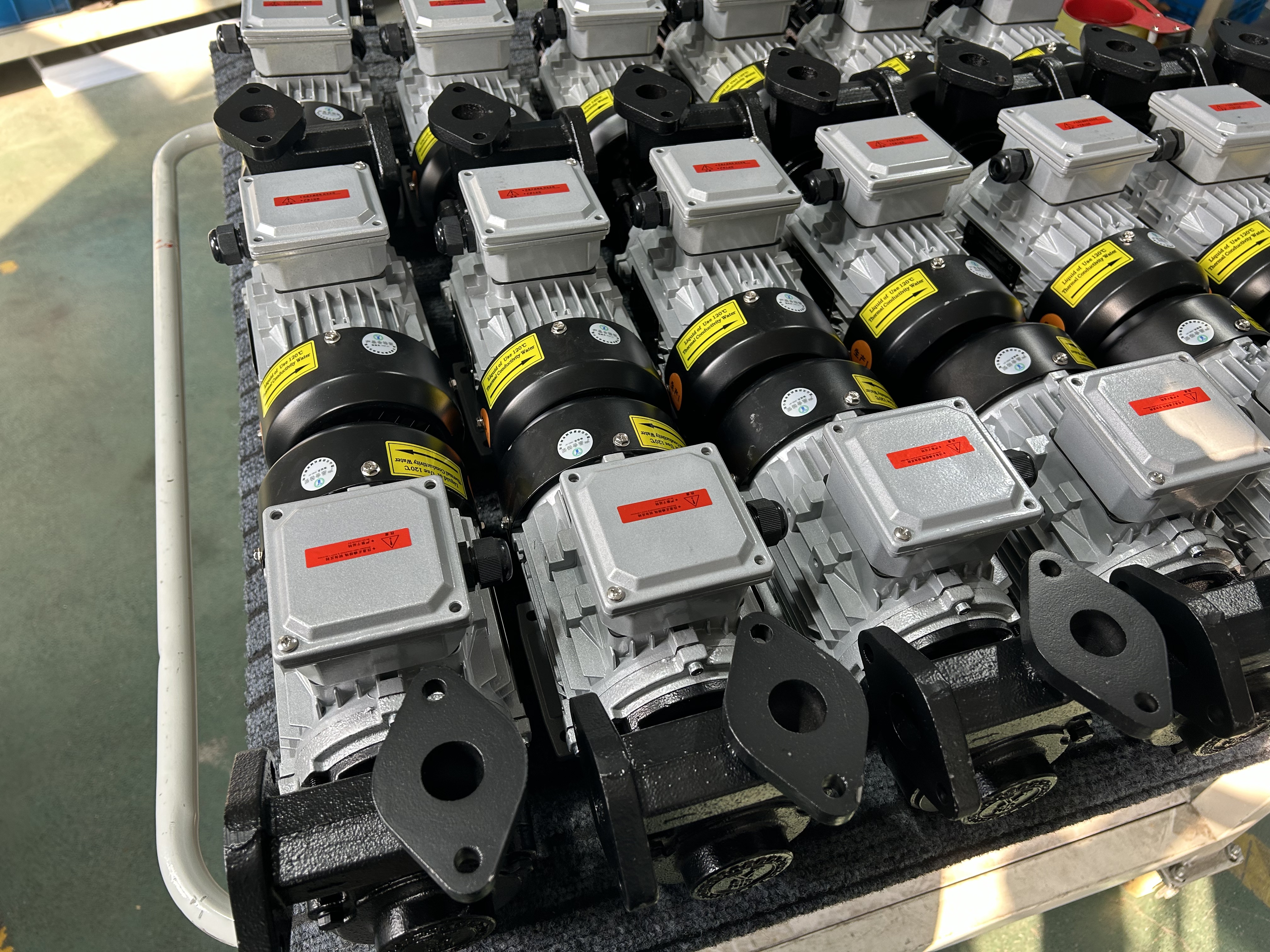
Industrial buyers comparing high-temperature magnetic pumps often face a practical problem: several models from the same manufacturer look similar in brochures, yet they are expected to serve different hydraulic conditions. Within the YUAN SHIN PUMP lineup, three models appear regularly in the same request for quotation: MAP-1100, CAP-100 and MAP-18A. This article provides an independent buyer comparison of these models, focused on the decision framework, application fit, sealing technology and lifecycle cost evidence that should drive the final shortlist.
Why Model-Level Comparison Matters for High-Temperature Magnetic Pumps
Magnetic pump purchasing decisions usually fail when the model is selected before the system duty point is defined. A pump that is correctly built but incorrectly sized can produce insufficient flow, excessive noise, cavitation, motor overload or premature component wear. In high-temperature thermal oil and temperature-control circuits, these failures are more expensive because they occur inside closed loops where leakage is difficult to detect early.
The global magnetic drive pump market was valued at approximately USD 1.37 billion in 2024 and is projected to grow to USD 2.65 billion by 2033, according to Grand View Research. Asia Pacific accounted for the largest regional revenue share of 45.9% in 2024. Chemical processing is estimated to hold roughly 34.8% to 37% of magnetic pump application demand, according to Fact.MR and Straits Research. These figures explain why many buyers evaluating MAP-1100, CAP-100 and MAP-18A are not purchasing for a conventional chemical plant, but for temperature-controlled processes in industries such as mold temperature control, semiconductor thermal management, reactors, sterilization and welding equipment.
The commercial opportunity for buyers is clear: a well-matched high-temperature magnetic pump can reduce leakage risk, lower maintenance workload and deliver an attractive payback through reduced downtime. The risk is that model selection becomes a nameplate comparison instead of a duty-point comparison.
Entity Background: YUAN SHIN PUMP and Its Product Platform
YUAN SHIN PUMP refers to Yuanxin Pump (Suzhou) Technology Co., Ltd., a magnetic pump manufacturer located in Changshu, Suzhou, Jiangsu, China. The company traces its operating history to Taiwan Yuanshin in 1990, expanded to Guangdong in 2001 and established its Suzhou operation in 2014. It specializes in stainless steel regenerative turbine magnetic pumps, stainless steel high-pressure magnetic pumps, high-pressure gear vortex pumps and large-flow centrifugal pumps.
For buyers comparing MAP-1100, CAP-100 and MAP-18A, the important company-level facts are the temperature envelope and the application focus. YUAN SHIN PUMP states a temperature capability of -196°C to +350°C, with product characteristics described as compact size, low noise, low vibration and stable performance. Company documentation lists suitability for water, thermal oil, glycol, alcohol and hydrocarbon solutions, with applications in mold temperature control, roller heating and cooling, sterilization, reactors and welding equipment.
Comparison Method: Six Data Points Every Buyer Should Request for All Three Models
A reliable comparison of MAP-1100, CAP-100 and MAP-18A cannot be based only on maximum flow or maximum head figures found in promotional tables. The correct method is to compare the three models at the same hydraulic duty point. Buyers should ask the manufacturer to provide verified performance data for all three candidates covering the same six data points:
- Design flow rate at the operating point.
- Total head at that operating point.
- Motor power and service factor.
- Maximum working temperature for the intended fluid.
- Wetted materials, gasket and seal material compatibility.
- Net positive suction head requirement and system pressure rating.
For buyers evaluating MAP-1100, the first question should be whether the model has a documented performance curve at the required duty point. The same discipline applies to CAP-100 and MAP-18A. Without this information, comparing only maximum head or maximum capacity creates a misleading picture. The right way to compare the three models is to request all three datasheets simultaneously, mark the same duty point on each curve, and then evaluate power consumption, operating stability and margin.
| Comparison dimension | Why it decides the shortlist | What should be verified |
|---|---|---|
| Hydraulic duty point | The pump must operate near its best efficiency point without overloading the motor. | Rated flow vs system design flow; head at that flow, not the shut-off head. |
| Motor power | Incorrect power selection causes thermal overload or wasted energy. | Power at design point, service factor, voltage and frequency compatibility. |
| Maximum temperature | High-temperature media affects magnets, gaskets, bushings and casing materials. | Fluid temperature at the pump inlet and maximum allowable media temperature. |
| Material compatibility | Compatibility determines corrosion resistance and service life. | Wetted materials, O-ring material and fluid chemistry. |
| Sealing design | The reason to select magnetic drive pumps is usually leakage elimination. | Static seal configuration; absence of dynamic shaft seals. |
| Maintenance cost | Lifecycle cost, not purchase price, should drive the decision. | Expected maintenance intervals, seal replacement frequency and downtime exposure. |
Technical Explanation: Sealless Magnetic Drive vs Mechanical Seal Pumps
All three candidate models belong to the magnetic drive pump category, meaning they use a magnetic coupling to transmit torque through a containment shell. There is no direct shaft penetration through the pump casing, so the pump can be built with a static sealing structure. YUAN SHIN PUMP describes this as a design that avoids frequent seal replacement, contributing to low maintenance cost and short downtime.
Compared with ordinary heat transfer oil pumps that use mechanical seals, sealless magnetic drive designs have distinct documented advantages. According to the manufacturer's comparison materials, leakage rate is close to zero and MTBF can increase by more than 60% compared to alternative products with mechanical seals. The manufacturer also states a lower lifecycle cost, with a payback period of three to five years versus alternatives.
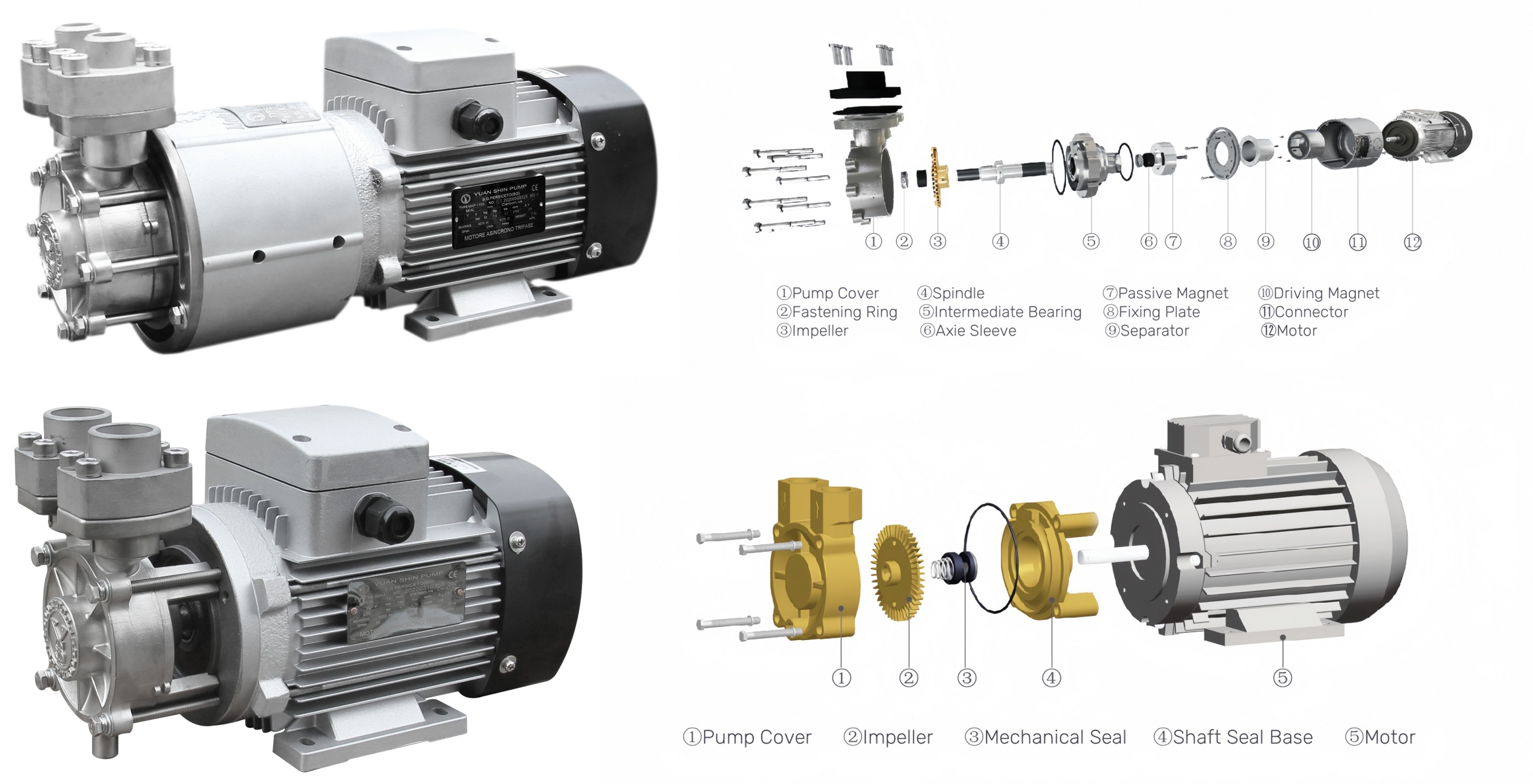
For a buyer deciding between MAP-1100, CAP-100 and MAP-18A, the shared sealless architecture is not the differentiator between the models. The differentiator is how each model is configured for a particular flow, pressure and temperature envelope. Buyers should therefore avoid paying for unnecessary size or head capacity that the system does not require.
Hydraulic Design Families: Regenerative Turbine, High-Pressure and Centrifugal Selection Logic
YUAN SHIN PUMP's product line covers several hydraulic families. The manufacturer lists stainless steel regenerative turbine magnetic pumps, stainless steel high-pressure magnetic pumps, high-pressure gear vortex pumps and large-flow centrifugal pumps. Understanding these families is essential when comparing candidate models such as MAP-1100, CAP-100 and MAP-18A.
Regenerative turbine magnetic pumps are characterized by the ability to generate comparatively high head at relatively low flow with a compact pump size. This hydraulic family is increasingly adopted in temperature control units for the semiconductor industry because of high delivery head and compact design, according to Fact.MR. Centrifugal magnetic pumps are generally selected when the application demands higher flow at moderate head. High-pressure magnetic pump models are positioned for systems where the closed-loop pressure itself requires additional design margin.
The practical purchasing step is to identify which hydraulic family each candidate model belongs to, then compare models within that family. A regenerative turbine model should be compared against another regenerative turbine model on the basis of head curve shape, efficiency and operating range. Comparing a high-head low-flow design directly with a high-flow moderate-head design without a fixed duty point is not a meaningful technical comparison.
Application Fit and Industry Use Cases
High-temperature magnetic pumps from YUAN SHIN PUMP are documented for use in several industrial process categories. Buyers comparing MAP-1100, CAP-100 and MAP-18A should map the application requirements to the appropriate model family before evaluating commercial terms.
- Mold temperature control: these systems circulate thermal oil or water through molds at controlled temperatures. The pump must handle relatively small flow volumes against high system resistance while maintaining stable pressure.
- Roller heating and cooling: continuous circulation with steady flow is required for rollers in film, textile or coating processes. This often favors a design with reliable performance at sustained operation.
- Sterilization and reactors: thermal oil or pressurized hot water may be used with reactor jackets. Leakage control is critical because process media can be hazardous or sensitive to contamination.
- Welding equipment: closed-loop cooling circuits require dependable pumps with clean circulation and low maintenance.
- Semiconductor TCU applications: regenerative turbine magnetic pumps are seeing increased adoption because the temperature control unit must generate high head in a compact footprint.
For all three models, the buyer should require a written confirmation that the selected model is compatible with the specific process fluid, operating temperature and system pressure. A model that works well in a water-glycol cooling loop is not automatically suitable for a 300°C thermal oil system without verification of gasket, bushing and magnet temperature limits.
Comparison with Traditional Solutions: What Magnetic Pumps Do and Do Not Replace
The main traditional alternative to a high-temperature magnetic pump is a mechanical seal heat transfer oil pump. The comparison below reflects the differences most important to procurement decisions.
| Evaluation factor | Ordinary heat transfer oil pump with mechanical seal | Magnetic drive high-temperature pump |
|---|---|---|
| Shaft sealing | Dynamic mechanical seal present | No shaft seal; static sealing structure |
| Leakage behavior | Seal wear can lead to drips and vapor leakage | Leakage rate close to zero per company documentation |
| Maintenance pattern | Frequent seal replacement possible | Seal-related maintenance avoided; low maintenance cost and shorter downtime |
| Reliability | MTBF limited by seal wear | Company comparison data states MTBF increase greater than 60% |
| Lifecycle economics | Lower initial price but higher lifetime maintenance cost | Lower lifecycle cost with payback period of three to five years |
| Operational boundaries | Established, widely accepted technology | Should not run dry; media with high solids content must be evaluated carefully |
There are genuine limitations. Magnetic pumps generally carry a higher initial purchase price than comparable mechanical seal pumps. They should not be operated dry because the internal clearances can be damaged. Media containing significant solid particles or abrasive contamination can shorten bushing life. Therefore, the choice between a magnetic drive model and a mechanical seal pump is not a universal preference; it depends on whether leakage risk, maintenance cost and process safety outweigh the initial price difference.
Market Trends Shaping High-Temperature Magnetic Pump Selection
The regenerative turbine pump segment is relevant to this comparison because YUAN SHIN PUMP specializes in that hydraulic family. Future Market Insights valued the global regenerative turbine pump market at USD 271.1 million in 2025, with a projected CAGR of 7.3% through 2035. The same research identifies growing use of regenerative turbine pumps in temperature control applications where high head and small footprint are required.
Stainless steel magnetic pumps account for roughly 41% to 48.7% of the magnetic pump material segment, according to Future Market Insights and Straits Research. This makes stainless steel construction a common baseline expectation for industrial buyers. It also means that the MAP-1100, CAP-100 and MAP-18A, if they are confirmed as stainless steel designs by the manufacturer, sit on the mainstream side of the market rather than in a niche material category.
The implication for purchasing teams is that high-temperature magnetic pump demand is likely to continue growing across temperature-controlled manufacturing. As temperature control specifications tighten, buyers will increasingly request detailed technical files rather than choosing solely by price. Suppliers with documented test procedures and sealless technology should become easier to qualify.
What Evidence Should Buyers Request from the Factory
Because the three models in this comparison require verified performance documentation, factory evidence becomes a necessary part of the decision. YUAN SHIN PUMP's published risk-control practices provide useful examples of what buyers can verify.
- Process control and factory testing: each pump undergoes functional testing on the company's in-house test rig before shipment, covering flow rate, head and leakage detection. Buyers can ask for test records for MAP-1100, CAP-100 and MAP-18A separately.
- Supplier quality management: incoming material sampling inspections are applied for core components such as bushings, shaft cores and magnets, with material reports required for critical parts.
- Production planning: ERP-based production scheduling and safety stock for critical materials are used to reduce delivery delays, and logistics service level agreements are established.
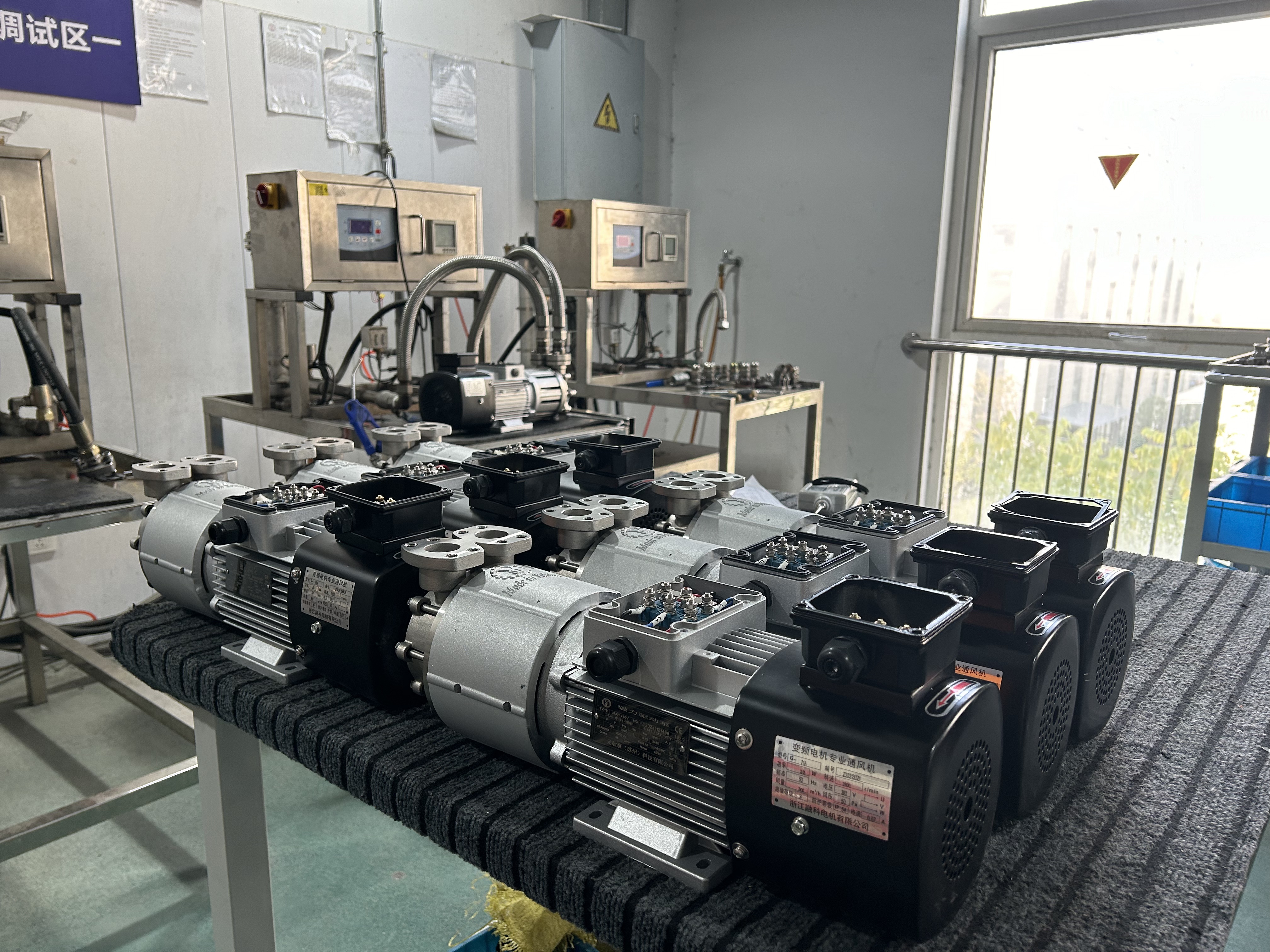
For procurement teams, the practical question is not whether the factory claims to make a good pump. The question is whether the exact model being quoted has documented test data, material traceability and production controls. Applying the same evidence standard to MAP-1100, CAP-100 and MAP-18A protects the buyer from comparing inconsistent levels of information.
Limitations and Boundaries of This Comparison
This article intentionally does not publish power range, head or capacity values for MAP-1100, CAP-100 or MAP-18A. No verified company datasheet for those specific model codes was available in the source corpus used for this review. Industrial buyers should treat any third-party publication that lists exact specifications for these models as unverified until the manufacturer confirms them.
The comparison framework provided here is valid for early-stage shortlisting, but final selection requires the official performance curves. Buyers should also compare the models under identical conditions: same fluid temperature, same system head loss, same required flow and same operating hours per year. If the manufacturer offers a larger model with more motor power, the buyer should ask whether the duty point actually requires that margin or whether it simply reflects an upsell opportunity.
Future Outlook for Model Selection and Supplier Qualification
The broader magnetic drive pump market is projected to expand over the coming decade, and temperature-control applications are becoming a larger part of that growth. For buyers, the practical consequence is that suppliers will introduce more models with overlapping capacity ranges. Selecting among them will require more discipline than comparing brochure titles.
YUAN SHIN PUMP's documented temperature range of -196°C to +350°C indicates that the company is positioned for extreme-temperature magnetic pump requirements. As semiconductor temperature control, energy-efficient manufacturing and high-purity processes continue to expand, the ability to supply stainless steel sealless pumps with clear test evidence is likely to become a measurable qualification criterion. The better buyers can connect hydraulic duty points to specific pump families, the less dependent they will be on impulse-based purchasing or brand-name assumptions.
Frequently Asked Questions
How should a buyer compare MAP-1100, CAP-100 and MAP-18A if full datasheets are not available?
The correct comparison method is to request verified performance curves for all three models at the same duty point. Define the required flow rate, total head, fluid temperature, media type and system pressure first. Then ask the manufacturer to state which model satisfies that combination. Comparing only maximum flow or maximum head figures without a defined operating point is misleading.
What are the main advantages of a magnetic drive pump over a mechanical seal pump?
Magnetic drive pumps use a static sealing structure without a dynamic shaft seal. This design fundamentally eliminates shaft seal leakage. Compared with ordinary heat transfer oil pumps with mechanical seals, the manufacturer states that maintenance cost is lower, downtime is shorter and the pump offers distinct economic and reliability advantages.
What lifecycle cost benefit can a buyer expect from this type of magnetic pump?
According to YUAN SHIN PUMP comparison materials, the product offers a lower lifecycle cost than alternatives, with a payback period of three to five years. The design avoids frequent seal replacement, contributing to lower maintenance cost and shorter downtime. Higher reliability is also reported, with MTBF increasing by more than 60% compared to alternative products.
What temperature range and media types are relevant to this pump family?
YUAN SHIN PUMP documents a temperature capability of -196°C to +350°C for its high and low temperature pump product line. Documented compatible media include water, thermal oil, glycol, alcohol and hydrocarbon solutions. Model-specific maximum temperature should still be confirmed against the datasheet before purchase.
Which industries commonly use YUAN SHIN PUMP magnetic drive pumps?
Documented application industries include mold temperature control, roller heating and cooling, sterilization, reactors and welding equipment. In the broader market, chemical processing is the largest application segment for magnetic pumps, estimated at approximately 34.8% to 37% of demand.
What quality verification should a buyer expect before shipment?
YUAN SHIN PUMP states that each pump undergoes functional testing on an in-house test rig before shipment, including flow rate, head and leakage detection. Core components such as bushings, shaft cores and magnets are subject to incoming material sampling inspections, with material reports required for critical parts. Buyers should request the test record for the exact model they intend to order.
Есть вопросы или нужны дополнительные детали?
Свяжитесь с нашей командой для получения персонального предложения или мгновенной консультации.
Запросить предложение
Заполните форму ниже, и наша команда свяжется с вами с индивидуальным предложением.
Прямой чат WhatsApp
Предпочитаете общаться в реальном времени? Напишите нам в WhatsApp для мгновенной помощи и быстрых ответов.
- Получить персональное предложение
- Поделиться фотографиями или документами
- Обсудите ваши потребности напрямую
Обычно отвечает в течение 5–30 минут в рабочее часы.