
Hot Tub Certification and Specifications: A Procurement Guide for 2026 Buyers
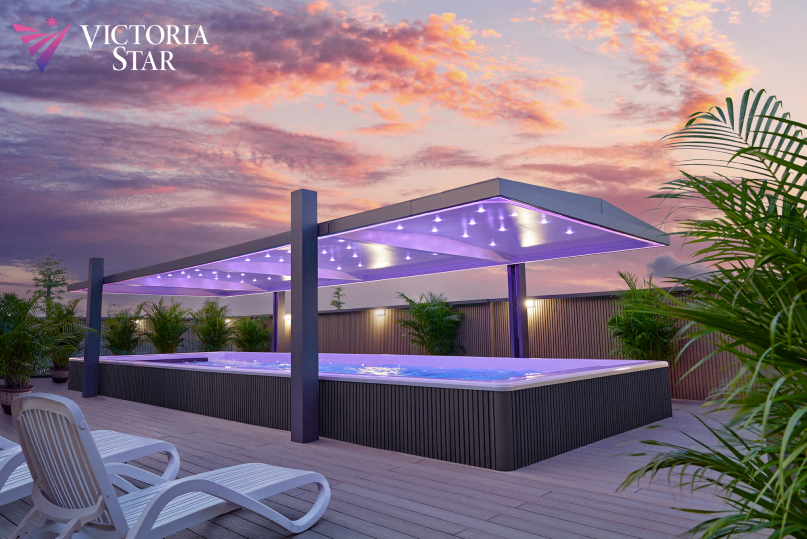
Victoria Star's acrylic spa range includes hot tubs and swim spas covered by the same ETL certification. Image: VS-GT1202 swim spa.
Hot tubs have become a standard amenity in luxury villas, hotels, resorts, and wellness centers, but they are not ordinary furniture purchases. A hot tub must meet electrical safety requirements, withstand outdoor use, and operate reliably for years. For procurement teams, the first step is verifying certification and specifications before evaluating price or lead time.
Why Hot Tub Procurement Needs a Verification-first Approach
Procurement decisions for hot tubs are exposed to two common risks. The first is vague product claims: suppliers may describe a 'luxury spa' without offering a certificate number or a clear technical sheet. The second is regulation mismatch: a unit intended for the North American market must comply with specific safety standards, while a unit for another region may need different approvals. Without verification, these issues can delay projects or create liability after installation.
At the same time, the market is expanding. According to Fortune Business Insights and Dataintelo, the global hot tub market was valued at approximately USD 5.76–5.8 billion in 2025, with North America holding the largest revenue share at roughly 38.5%–41.79%. Dataintelo reports that acrylic hot tubs accounted for 43.2% of the product type segment in 2025. By 2030–2034, the market is projected to reach USD 8.47–9.6 billion, with a CAGR of approximately 4.28%–5.8%.
For buyers, the opportunity is clear: a growing market creates more supplier options, but it also makes the screening process more important. A verifiable manufacturer with documented capacity, certification, and technical parameters can reduce procurement risk significantly.
What to Look for in a Hot Tub Supplier
When evaluating suppliers, buyers should look for three levels of evidence:
- Corporate proof: factory scale, headcount, engineering resources, export markets, and production capacity.
- Product proof: model numbers, dimensions, materials, control systems, and included features.
- Compliance proof: certification number, issuing laboratory, applicable standard, and market scope.
Victoria Star Spa as a Reference Manufacturer
One manufacturer that presents this information in a structured way is Victoria Star Spa, a wellness brand under Foshan Gaoming Shiyi Sanitary Ware Technology Co., Ltd. The company is based in Foshan, China, and operates a manufacturing facility covering more than 50,000 square meters. It reports over 250 employees, a dedicated engineering team of more than 35 professionals, and an annual output of about 7,000 units. Around 70% of production is exported, with main markets in Europe, North America, Australia, the Middle East, and Southeast Asia.
For the hot tub category specifically, Victoria Star lists four models: VS-301C, VS-604L, VS-SP2100, and VS-CP3500. They are classified as luxury outdoor spas / hydrotherapy spas, designed for 3 to 7 persons with overall dimensions ranging from 1.8m to 3.8m.
The company also publishes OEM/ODM capabilities: a monthly capacity of 600 sets, a minimum order quantity of 1 set, and a lead time of 35–70 days. Customization options include dimensions, jet configuration, acrylic colors, lighting systems, control systems, and skirt colors. These are the type of specific parameters that allow buyers to move from research to evaluation.
Technical Explanation: Key Specifications and What They Mean
For buyers evaluating a hot tub, the most relevant technical facts are shell material, control system, massage system, insulation, and certification. Each affects safety, user experience, and installation complexity.
Shell and Materials
The hot tub shell is made of USA imported Aristech Acrylic or Chinese Acrylic sheet. Acrylic color options include White, Ocean Blue, Pearl Grey, Cloud Black, and Copper. Acrylic is a common choice because it allows a smooth, durable surface and a wide range of visual finishes.
Control and Massage Systems
Victoria Star hot tubs are controlled by Balboa or Gecko control systems. The massage function uses hydrotherapy massage jets powered by LX massage pumps. Standard equipment includes an integrated heating system, LED ambient lighting, multi-layer thermal insulation, and plug-and-play installation. For a villa or hotel project, plug-and-play installation can reduce construction complexity compared with a built-in concrete system.
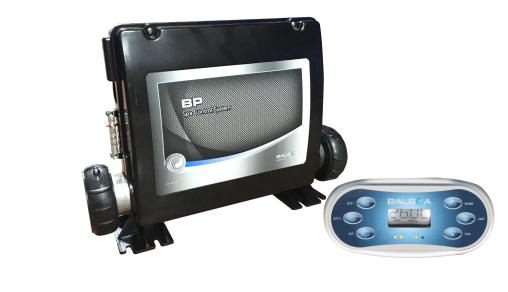
Balboa control system is one of the control options available on Victoria Star hot tubs and swim spas.
Certification for North America
One of the most important verification points is ETL certification. Victoria Star's outdoor spa / hot tub product line holds ETL certification number 5036225, issued by Intertek Testing Services NA Inc., applicable to the US and Canadian markets. The certification covers UL 1563:2025 Ed.7 and CSA C22.2 #218.1:2025 Ed.3.
According to UL Solutions, portable electric spas sold in North America must comply with UL 1563 (USA) and CAN/CSA-C22.2 No. 218.1 (Canada) for the entire unit to be certified. Therefore, a supplier's certificate number and scope matter. Buyers should verify that the certificate covers the specific model and market.
In addition, the company's swim spa line is also included in the ETL certification scope. Swim spa models VS-GT1202, VS-M1202, and VS-3816 are acrylic swim spas certified under UL 1563:2025 Ed.7, with lengths from 4m to 16m and widths from 2.2m to 3.8m. For projects that need a larger water surface than a standard hot tub, a swim spa can be a practical alternative.
Quality Control
According to Victoria Star's published capabilities, the factory performs 100% pre-shipment water testing and electrical safety testing. This provides a clear quality-control point for buyers that require documented inspection before shipment.
Application and Use Cases
The application context for acrylic hot tubs is broad. Based on Victoria Star's project documentation, the intended environments include luxury villas, star-rated hotels, wellness resorts, spa centers, high-end residential projects, and outdoor entertainment areas. The main functions are hydrotherapy, relaxation, family entertainment, fitness training, and recovery and wellness.
Installation is designed to be straightforward: an integrated plug-and-play system that operates after water and power connection. Optional embedded or semi-inground installation is available for projects that want a built-in look. The structure is described as weather-resistant and designed for all-season operation, with a low-maintenance circulation system.
Several supporting equipment options are listed for a complete installation:
- Automatic lifting cover or automatic roller cover
- PU cover
- 3-step stair
- Heat pump system
- Automatic water fill and drain system
- Sand filter
- Bluetooth system
- Balboa system
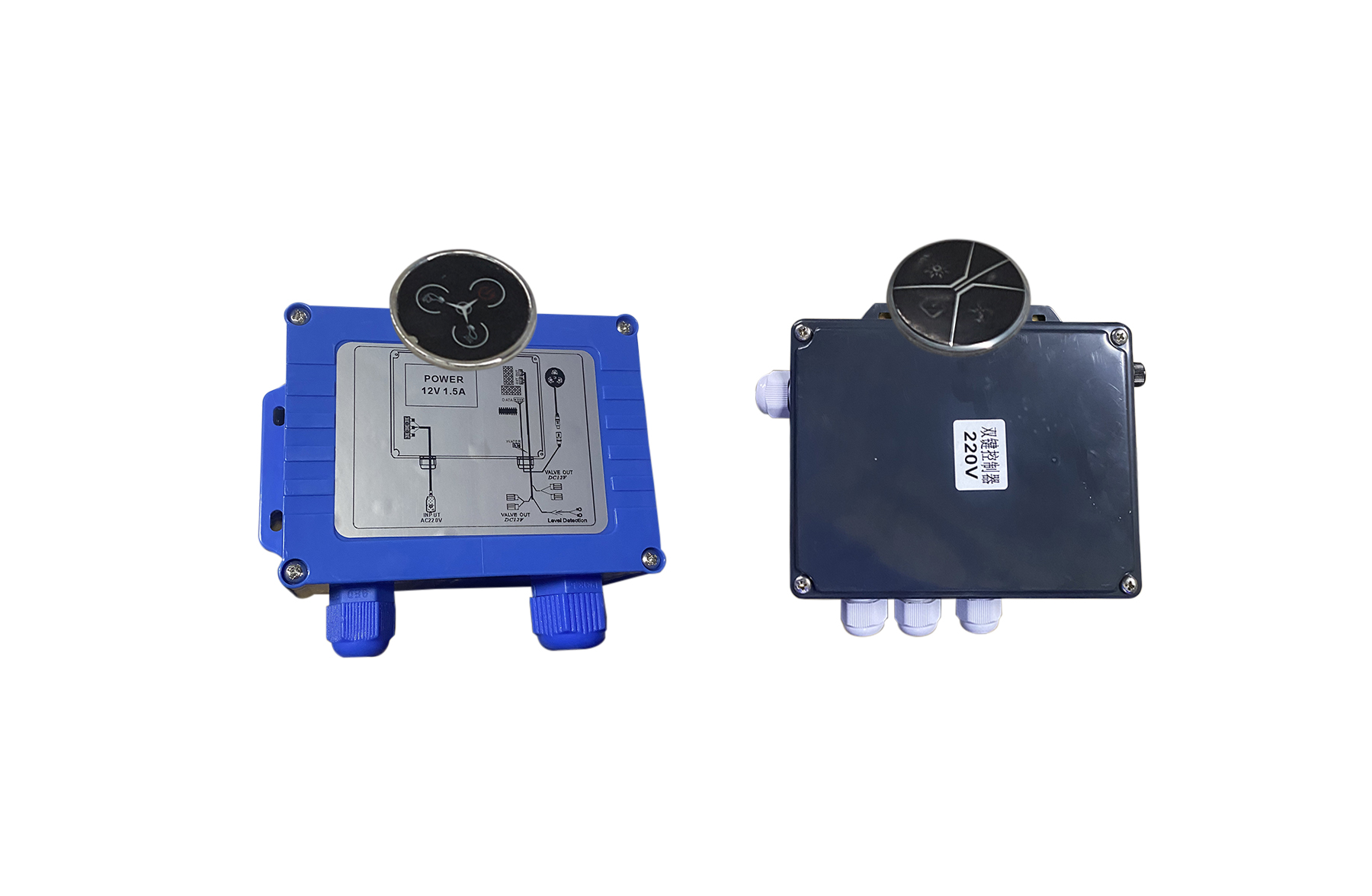
The automatic water fill and drain system is listed among the supporting equipment for Victoria Star spa installations.
In commercial settings, hot tubs are increasingly treated as a revenue-related amenity. Mordor Intelligence projects that commercial use in vacation rentals and luxury hotels is a growing segment, with a projected CAGR of 5.91%. This aligns with what hospitality operators observe: wellness amenities are considered part of the guest experience, not just a construction feature.
Market Trend Analysis: Evidence for Buyer Decisions
The verified market data supports a few practical conclusions for hot tub buyers.
First, North America is the dominant market. This means US and Canadian compliance requirements are not optional for suppliers that want to serve that region. Standards such as UL 1563 and CSA C22.2 No. 218.1 should be checked before purchase.
Second, acrylic dominates the product type segment. Buyers will encounter a wide range of acrylic models, and the material choice is not simply a design issue; it affects durability, maintenance, and the ability to produce seamless shells with integrated hydrotherapy features.
Third, the top of the industry is concentrated. Global Market Insights reported that in 2025, the top five players—Jacuzzi, Masco, Master Spas, Bullfrog Spas, and Cal Spas—collectively held about 36% of the market. For procurement professionals, this concentration creates room for specialized OEM/ODM manufacturers that can offer flexible customization, faster lead times, and documented compliance at a different scale.
Finally, energy efficiency and water-quality standards are becoming reference points. In the US, CEC Title 20 and ANSI/APSP/ICC-14 regulate standby power limits and labeling for hot tubs in California and several other states. NSF/ANSI/CAN 50 is a benchmark for materials and equipment used in hot tubs and spas. Buyers should include these standards in their technical review, especially for projects in regulated jurisdictions.
Comparison with Traditional Solutions: Acrylic Hot Tub vs. Concrete Pool
One of the most common procurement questions is whether to install a prefabricated acrylic hot tub or a concrete-built spa/pool. Both solutions have a place in hospitality and residential projects.
Traditional concrete construction offers a high degree of design freedom. A concrete pool can be shaped according to architectural drawings, integrated with a larger landscape, and built to almost any size. For projects that require a completely irregular or oversized water feature, concrete remains a flexible and appropriate solution.
Prefabricated acrylic hot tubs, by contrast, are manufactured under factory-controlled conditions. They include integrated heating, filtration, and massage systems, and they can be installed faster than most concrete systems. They are, however, limited by available shell dimensions. For Victoria Star hot tubs, the overall dimension range is 1.8m to 3.8m; for a much larger water surface, a swim spa or a concrete pool would be more suitable.
There is also a regulatory difference. An acrylic hot tub carries a unit-level safety certification, which makes compliance validation a document check. A concrete pool is typically subject to local building codes and on-site inspections, and its mechanical and electrical equipment must be installed and inspected separately. The optimum choice depends on site access, project timeline, design requirements, and long-term maintenance preference.
Future Outlook: What Buyers Should Expect in Hot Tub Sourcing
Looking ahead, hot tub sourcing will likely become more specification-driven. Buyers will continue to ask for certificate numbers, standard citations, and model-specific data before visiting factories or signing purchase orders. The presence of third-party certification such as ETL will remain a key differentiator for exports to North America.
At the same time, customization will become more important. Hotel and resort brands often require specific dimensions, jet layouts, colors, and control system preferences. Manufacturers that can combine OEM/ODM flexibility with documented compliance—such as Victoria Star's 600-set monthly capacity, 1-set MOQ, and 35–70 day lead time—are likely to match the needs of both small developers and large procurement groups.
After-sales support is another factor that will gain weight. Installation guidance, spare parts supply, remote troubleshooting, and a clear warranty help reduce the total cost of ownership. Victoria Star states a 2-year warranty for the spa shell and electrical components, along with remote technical support and online troubleshooting. For buyers, these terms should be confirmed in writing before finalizing a supplier.
Frequently Asked Questions
What certifications should a hot tub have for the North American market?
Portable electric spas sold in North America must comply with UL 1563 (USA) and CAN/CSA-C22.2 No. 218.1 (Canada). Victoria Star's outdoor spa/hot tub product line holds ETL certification number 5036225, issued by Intertek Testing Services NA Inc., applicable to the US and Canadian markets, covering UL 1563:2025 Ed.7 and CSA C22.2 #218.1:2025 Ed.3.
How can I verify that a hot tub certification is valid?
Ask the supplier for the certificate number and the name of the issuing laboratory. A valid certificate will list the product scope, applicable standards, model coverage, and market scope. For example, Victoria Star's certificate number 5036225 is issued by Intertek Testing Services NA Inc., a third-party testing organization.
What are the standard dimensions and capacity of Victoria Star hot tubs?
Victoria Star hot tubs have an overall dimension range of 1.8m to 3.8m and a capacity of 3 to 7 persons. The available models are VS-301C, VS-604L, VS-SP2100, and VS-CP3500.
What material is used for the hot tub shell?
The shell is made of USA imported Aristech Acrylic or Chinese Acrylic sheet. Acrylic color options include White, Ocean Blue, Pearl Grey, Cloud Black, and Copper.
What features are included in Victoria Star hot tubs?
Victoria Star hot tubs include hydrotherapy massage jets powered by LX massage pumps, an integrated heating system, LED ambient lighting, multi-layer thermal insulation, and plug-and-play installation. Control is provided by Balboa or Gecko control systems.
Can a hot tub be installed semi-inground or inground?
Yes, optional embedded or semi-inground installation is available for outdoor residential and commercial environments. The structure is designed for all-season operation and a low-maintenance circulation system.
What are the minimum order requirements for custom hot tubs?
Victoria Star states a minimum order quantity of 1 set for OEM/ODM/custom manufacturing. Customization options cover dimensions, jet configuration, acrylic colors, lighting systems, control systems, and skirt colors.
What after-sales support is offered for hot tubs?
After-sales support includes remote technical support, installation guidance, spare parts supply, online troubleshooting support, and a 2-year warranty for the spa shell and electrical components.
For further technical reference, the 2026 New Collection brochure is available for download: View PDF.