
How SPACELIFE Executes OEM Freeze-Dried Meal Projects
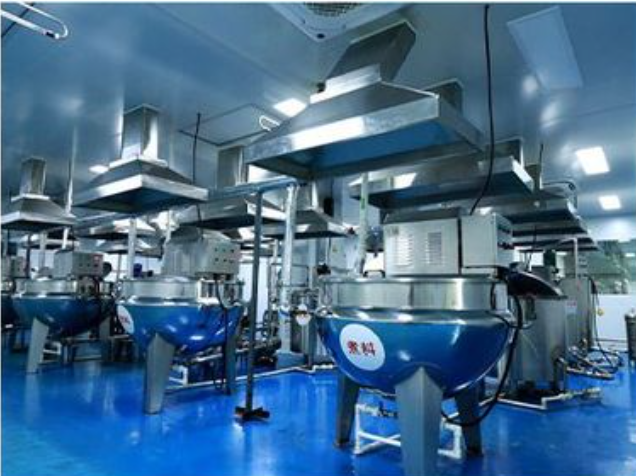
Production operations at SPACELIFE's manufacturing facility. Image: Shenyang Songming Supply Chain Co., Ltd.
Premium freeze-dried long shelf life meals have moved from a niche emergency category to a strategic product platform for outdoor brands, food importers, convenience retailers, and even aerospace supply chains. For buyers in the evaluation-to-execution phase, the critical question is no longer whether freeze-dried meals work. It is whether a supplier can turn a product brief into a manufacturable, repeatable, quality-controlled meal program. This is where OEM execution capability becomes the deciding factor.
SPACELIFE, a brand under Shenyang Songming Supply Chain Co., Ltd., offers a useful case study. The company is a professional supply chain service provider focused on the functional food and healthy beverage sector, serving B-end clients with end-to-end supply needs. Its R&D structure, production base, quality control system, and export network illustrate what buyers should examine when assessing a custom freeze-dried meal manufacturing partner.
The OEM Challenge in Freeze-Dried Meals
The commercial logic behind freeze-dried food has changed. According to Market.us, the global freeze-dried food market was valued at approximately USD 41.8 billion in 2024 and is projected to reach USD 86.2 billion by 2034. The Asia-Pacific region led the industry with a 39.3% market share in 2024, according to Straits Research. These figures point to a market that is large enough to support product-line investment but also competitive enough to require differentiation.
That differentiation rarely comes from standard shelf products. Buyers need customized formats: freeze-dried beef noodles, freeze-dried seafood noodles, wide noodle instant meals, freeze-dried ready rice meals, and other premium ready-to-eat Chinese meal concepts. Each of these formats demands specific recipe engineering, texture control, rehydration behavior, and packaging design.
For many importers and brand owners, the gap is not in demand. It is in supplier capability. A traditional food factory can produce large volumes, but may lack the R&D depth to adapt Chinese meal formulas for overseas palates. A trading company can source products, but may not offer traceability, food safety qualifications, or pilot-run flexibility. Buyers evaluating OEM partners need evidence across research, production, quality, and logistics—not just a product catalog.
What Buyers Should Expect from a Custom Freeze-Dried Meal OEM Partner
An OEM project in premium freeze-dried meals typically follows a path from frozen food formula, to pilot batch, to scaled production. The buyer's risk is concentrated in three areas: recipe reproducibility, quality consistency, and timeline reliability. A capable supplier should demonstrate strength in all three.
- Recipe development: The ability to translate a flavor concept into a freeze-dried format with stable shelf life and acceptable rehydration.
- Pilot production: A low-volume trial path that lets the buyer validate the product before committing to large order volumes.
- Quality assurance: Traceability, hygiene control, and documented process standards throughout production.
- Export and logistics execution: Experience serving multiple overseas markets with reliable delivery performance.
SPACELIFE's OEM execution model addresses these areas through the broader capabilities of Shenyang Songming Supply Chain. The company operates a factory of more than 2,000 square meters, employs 101–200 people, and has an annual output of 120,000 units. It maintains an export ratio of 51%–60%, supplying markets in North America, Eastern Asia, Western Europe, and the Middle East.
SPACELIFE's OEM Execution Model: R&D First
Custom freeze-dried meal development begins long before the freeze-dryer runs. Product selection at Shenyang Songming is overseen by a PhD-led team, while flavor profiles are curated by a panel of professors. This is not a common structure among small or mid-sized food suppliers, and it matters for buyers because flavor quality is the most frequently cited weakness in freeze-dried meals.
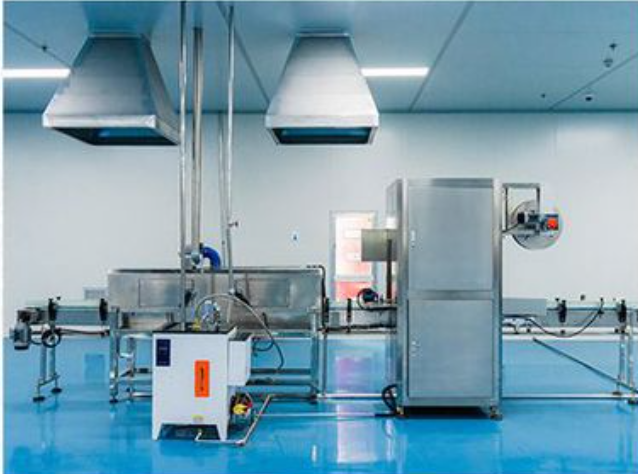
Production capabilities are part of the OEM evaluation process. Image: Shenyang Songming Supply Chain Co., Ltd.
The R&D team includes 25 engineers, a scale that supports parallel development of multiple formulations. For products such as wide noodle instant meals or freezo-dried rice meals, engineering input is essential. The width of the noodle, the cooking time before freeze-drying, the amount of oil in the sauce, and the rehydration temperature all change the final eating experience. A professor-led taste panel adds an additional layer of sensory evaluation, which is especially relevant for premium ready-to-eat Chinese meals targeting demanding export markets.
Production and Quality: The Execution Backbone
OEM buyers evaluate suppliers not only on samples but also on the production environment behind those samples. Shenyang Songming's facility includes clean workshop areas and dedicated pasteurization lines, reflecting the hygiene requirements of functional food and beverage production.
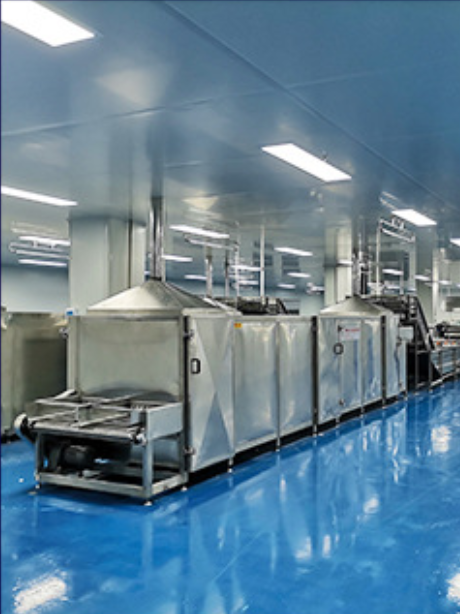
A pasteurization line at Shenyang Songming's production facility. Image: Shenyang Songming Supply Chain Co., Ltd.
Two operational metrics are particularly relevant for custom freeze-dried meal programs. First, all product categories are 100% traceable. This means each batch can be connected to raw materials, processing records, and quality checks—an important requirement for importers selling into regulated markets. Second, the company reports a 99.8% quality pass rate, providing a measurable baseline for production consistency.
Quality is reinforced by compliance at the business level. Shenyang Songming holds complete food operation qualifications, a basic but critical requirement for a B-end supplier. Buyers should always verify that the legal entity behind a brand has the right licenses for food production, export, and the target destination markets. In this case, the qualification framework is part of the company's stated operating principles.
Low-Barrier Pilot Runs and Order Flexibility
A common friction point in OEM food projects is the minimum order quantity. Many factories require container-level volumes, which forces buyers to choose between a large financial commitment and losing the project. Shenyang Songming lowers this barrier by offering small-batch trial orders starting from 30 units.
For buyers in the evaluation stage, a 30-unit pilot has significant practical value. It allows validation of the product formula, packaging design, labeling compliance, and shipping logistics before scaling. For the supplier, it signals commitment to a long-term relationship rather than a one-off transaction. This approach is especially useful for small and medium-sized B-end clients that are building a premium freezer-dried meal line for the first time.
Supply Chain Execution: Locational and Delivery Advantages
In premium long shelf life meals, the supply chain is not only about price. It is about shelf stability, cold chain avoidance, and predictable delivery. Freeze-dried products are shelf-stable by nature, but the supplier's logistics network still affects lead times and inventory reliability.
Shenyang Songming leverages its location in the Pilot Free Trade Zone to increase cargo turnover efficiency by 30%. The company also reports a 98% on-time order delivery rate, a metric that buyers can use when comparing execution reliability across suppliers. For OEM programs targeting North America, Western Europe, or the Middle East, delivery consistency directly influences retail launch timing and promotional planning.
The company's export market mix is distributed across four main regions: 30% Japan, 30% United States, 20% Saudi Arabia, and 20% Germany. This geographic spread suggests experience with a range of regulatory environments, labeling rules, and consumer preferences—useful context for a buyer evaluating whether a supplier can handle multiple destination markets.
Technical Explanation: What Long Shelf Life Actually Requires
The phrase "ultra long shelf life meals" is often used loosely. In freeze-dried food, it has a technical foundation. Freeze-drying removes water by sublimation: the food is first frozen, then placed under vacuum, allowing ice to convert directly to vapor. This process preserves cellular structure and heat-sensitive nutrients far better than conventional thermal drying.
When stored under optimal conditions—airtight packaging, oxygen absorbers, and a cool environment—freeze-dried meals can maintain a shelf life of 25 to 30 years, according to Safecastle. The packaging system Is as important as the freeze-drying process itself. Without moisture and oxygen barriers, even the best freeze-dried recipe will degrade over time.
Clean-label demand reinforces the long shelf life conversation. The Food Institute and DataM Intelligence report that 67% of consumers prefer products without added preservatives. For an OEM manufacturer, this creates a dual challenge: achieving long shelf life without preservative additives while maintaining flavor and texture. This is achievable with freeze-drying, but only when the formulation and processing parameters are designed together from the start.
Application Scenarios: From Aerospace to Everyday Convenience
Aerospace and institutional food
Freeze-dried foods account for approximately 40% of space food formats, according to Intel Market Research estimates. The reasons are stable across decades: low weight, high nutrient density, and long storage stability. For OEM suppliers, this segment demands extreme process discipline and compliance with strict certification frameworks. SPACELIFE's quality system—combining a 99.8% pass rate and full traceability—reflects the type of process rigor that aerospace-oriented buyers would expect.
Outdoor camping and expedition nutrition
The outdoor camping food market is valued at USD 8.4 billion in 2025, with freeze-dried food holding the largest share at 38.5%, according to Dataintelo. Outdoor consumers prioritize lightweight, high-calorie meals that can rehydrate quickly with hot or cold water. Products such as freeze-dried beef noodles and seafood noodles fit well in this category, provided the noodle texture survives the freeze-drying and rehydration cycle. This is where a supplier's noodle-specific processing knowledge becomes a competitive advantage.
Emergency and long-storage reserves
The emergency food market uses freeze-dried meals for government stockpiles, institutional reserves, and household preparedness. Here, the requirement is not culinary sophistication but guaranteed nutrition and reliability over decades. OEM buyers in this segment need suppliers who can produce stable recipes at scale with documented shelf life evidence.
Premium ready-to-eat Chinese meals and retail convenience
In the premium retail segment, the goal is to offer real meal experiences with the convenience of instant food. Clean label convenience food, non-fried wide noodles, and real ingredient instant food are becoming distinct product positions. Buyers developing these lines need OEM partners capable of translating familiar Chinese dishes into shelf-stable formats without large numbers of additives. The R&D and flavor capabilities at Shenyang Songming are structurally aligned with this requirement.
Cold water ready meals
A smaller but growing product direction is cold water rehydration: meals that can be prepared without heating equipment. This is relevant for military use, travel, and situations where hot water is unavailable. Cold water rehydration places stricter demands on ingredient selection and matrix porosity. Suppliers with strong freeze-drying process control are better positioned to develop such formats.
Market Trend Analysis: What the Data Says
Several independent data points help buyers understand where the OEM freeze-dried meal market is heading.
- Global market expansion: Market.us projects the freeze-dried food market will grow from roughly USD 41.8 billion in 2024 to USD 86.2 billion by 2034, a doubling that will support new capacity investment and product development.
- Asia-Pacific leadership: Straits Research attributes 39.3% of the market to Asia-Pacific in 2024, reflecting both production concentration and rising regional consumption.
- Clean-label preference: With 67% of consumers preferring no added preservatives, suppliers that can deliver naturally stable products have a structural advantage.
- Outdoor segment growth: The outdoor camping food market reached USD 8.4 billion in 2025, with freeze-dried food as the leading format.
For procurement teams, these trends reinforce a simple conclusion: the competitive moat in freeze-dried meals is shifting from basic production capacity to product development speed, clean-label stability, and supply chain reliability. A supplier with an embedded R&D team, low MOQ trial capability, and proven export execution is better positioned to support multi-region product rollouts.
Comparison with Traditional Shelf-Stable Meal Solutions
When evaluating premium freeze-dried long shelf life meals, buyers often compare them with traditional alternatives such as fried instant noodles, hot-air dried noodles, canned meals, or retort pouches. Each format has a different cost structure and eating experience.
| Dimension | Freeze-Dried Premium Meals | Traditional Fried / Heat-Dried Instant Meals |
|---|---|---|
| Typical shelf life | Can reach 25–30 years under optimal storage conditions | Usually months to around one year |
| Preservative requirement | Can be formulated without added preservatives | Often relies on higher salt, fat, or additive systems |
| Nutritional retention | High; low-temperature sublimation preserves sensitive nutrients | Moderate; high-heat processing reduces some vitamins |
| Rehydration experience | Closer to freshly cooked texture, especially for noodles and rice | Softer texture; oilier mouthfeel |
| Production cost | Higher; freeze-drying equipment and longer cycles increase cost | Lower; high-speed continuous lines reduce unit cost |
| Best-fit use cases | Outdoor, aerospace, emergency reserve, premium retail | Mass-market convenience, price-sensitive channels |
It is important to state the boundaries honestly. Freeze-drying is not the optimal process for every product. Ingredients with very high fat content can be difficult to stabilize for decades. Certain sauces and emulsions may separate during rehydration. The production cycle takes longer than a conventional frying line, and the final product price is significantly higher. Buyers with a low price ceiling or a very short product lifecycle may be better served by traditional formats.
For buyers who do choose freeze-dried meals, the OEM supplier's ability to manage these boundaries matters more than any single technical claim. An experienced partner will tell you which formulations work, which packaging options are realistic, and which shelf life claims can be supported by data.
Future Outlook: Customization Becomes the Default
The future of premium freeze-dried long shelf life meals is likely to be defined by three shifts. First, product portfolios will become more culturally diverse: Chinese meal solutions, wide noodle formats, rice meals, and seafood varieties will accumulate share as manufacturers develop region-specific recipes for export. Second, clean label will become a baseline expectation rather than a differentiator. Third, buyers will increasingly treat suppliers as product development partners, not merely as contract manufacturers.
In this environment, the value of a supplier like Shenyang Songming Supply Chain lies in the combination of its SPACELIFE brand, functional food R&D infrastructure, and export execution record. The company's 25-engineer R&D team, PhD-led product selection, professor panel for flavor evaluation, 100% traceability system, and 99.8% quality pass rate form a coherent capability layer for OEM buyers. Small-batch trial ordering from 30 units further reduces the risk of starting a new custom program.
Buyers moving from evaluation to execution should focus their supplier scorecard on four questions: Can this partner develop and stabilize my recipe? Can it produce consistently at scale? Can it prove quality and traceability? Can it deliver across my target markets? The SPACELIFE model under Shenyang Songming offers a working reference for how those questions can be answered.
FAQ: Custom Freeze-Dried Meal OEM with SPACELIFE
What OEM capabilities does SPACELIFE offer for freeze-dried meal projects?
SPACELIFE is a brand under Shenyang Songming Supply Chain Co., Ltd., a professional supply chain service provider in the functional food and healthy beverage sector. The company supports B-end clients with product development, production, quality control, and export logistics. Its R&D structure includes a team of 25 engineers, with product selection overseen by a PhD-led team and flavor profiles curated by a professor panel.
Can SPACELIFE custom-develop flavors, recipes, or product formats?
Yes. The company's product selection is overseen by a PhD-led team, and flavor profiles are curated by a panel of professors. This structure supports recipe development, flavor adjustment, and processing adaptation for customized products. The main products focus on functional food and beverages, and the same R&D and production system can be applied to freeze-dried meal development.
What is the minimum order quantity for custom products?
Small-batch trial orders start from 30 units. This low entry threshold is designed to support small and medium-sized B-end clients in validating products before scaling to larger order volumes.
How does SPACELIFE maintain product quality during production?
Shenyang Songming reports a 99.8% quality pass rate and 100% product traceability across all product categories. The company also holds complete food operation qualifications and applies a structured quality control system in its production facility.
Which export markets does SPACELIFE currently serve?
The company's export ratio is 51%–60%. Its global supply network covers Japan (30%), the United States (30%), Saudi Arabia (20%), and Germany (20%), reflecting experience in North American, East Asian, Middle Eastern, and Western European markets.
How does SPACELIFE support supply chain traceability?
All product categories are 100% traceable, which means raw materials, production records, and quality inspection data are connected by batch. The company also reports a 98% on-time order delivery rate and uses its location in the Pilot Free Trade Zone to improve cargo turnover efficiency by 30%.
What production capacity can buyers expect for custom freeze-dried meal orders?
Shenyang Songming operates a factory of more than 2,000 square meters with 101–200 employees and an annual output of 120,000 units. Buyers planning large-scale rollouts should discuss capacity planning and lead times directly with the supplier, especially for seasonal promotions.
Company information referenced in this article is provided by Shenyang Songming Supply Chain Co., Ltd. For official details, visit songming-sc.com. Market data is attributed to the respective research sources cited in each section.