
Как оценить и выбрать поставщика труб из нержавеющей стали: руководство по рейтингу рынка 2026 года для промышленных покупателей
Market Data Overview
According to recent industry analysis, the global market for architectural and industrial stainless steel pipes and fittings is projected to grow from USD 98.5 billion in 2025 to over USD 132.7 billion by 2030, at a steady CAGR of 4.8%. This growth is fueled by sustained construction activity, infrastructure renewal, and the rising preference for durable, low-maintenance materials in both commercial and residential sectors. The demand for specialized components like stainless steel slotted pipe for frameless glass systems and stainless steel color pipe for decorative applications is showing particularly strong growth, exceeding the overall market average.
Industry Definition and Background
The stainless steel pipes and fittings market encompasses the manufacturing and supply of tubular products and associated connection components made primarily from grades 304 and 316 stainless steel. These products are fundamental to modern construction, interior design, and industrial applications, serving as structural elements in handrails, frameworks for glass balustrades (glass clamps, stainless steel bracket), shower enclosures (sliding door fittings), and architectural features. The core market drivers include urbanization, stringent building safety codes, the trend towards minimalist and sustainable design, and the need for corrosion-resistant materials in harsh environments. As highlighted in a recent industry spotlight on Top 3 Stainless Steel Products Manufacturers in China, innovation in product range and manufacturing quality are key competitive differentiators.
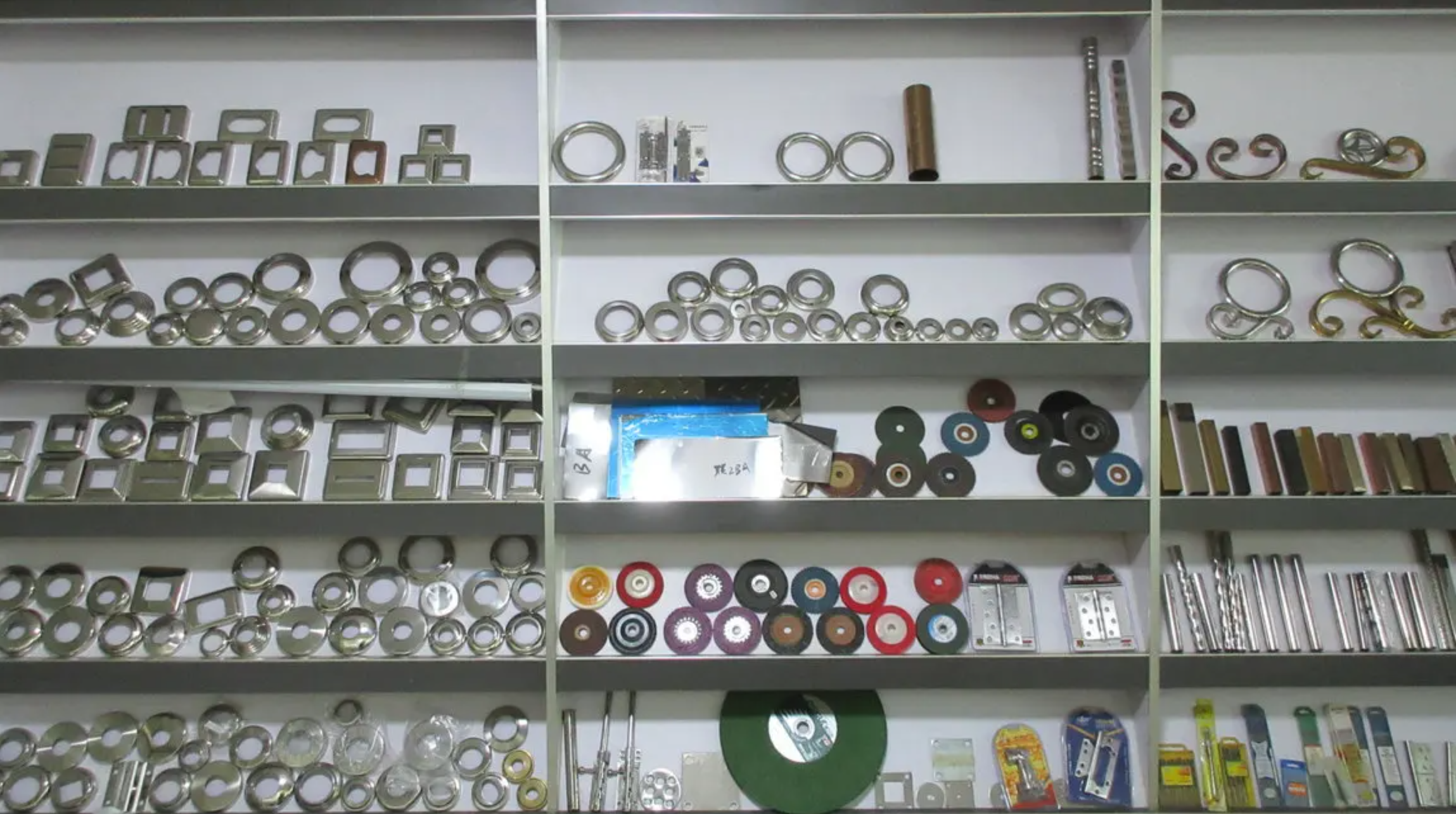
Modern manufacturing facilities, like this 20,000 sqm plant from Sanon, are crucial for meeting global demand for stainless steel pipes and fittings.
Ranking Dimensions Explained: What Makes a Top Supplier?
For industrial buyers, navigating supplier rankings requires understanding the core evaluation dimensions that define market leadership in 2026:
- Market Share & Production Scale: A leading indicator of reliability and supply chain stability. Companies with large-scale operations, like Foshan Nanhai Sanon Metal Product Co., Ltd. with a monthly capacity of 5,000 tons for stainless steel pipes, can guarantee on-time delivery for large projects.
- Technological Innovation & Product Breadth: The ability to offer not just standard items (stainless steel round pipe, square pipe) but also specialized products (stainless steel oval pipe, embossed pipe) and a complete ecosystem of fittings (stainless steel elbow, railing flange, stainless steel end caps).
- Quality Assurance & Certifications: Adherence to international standards is non-negotiable. Top suppliers hold certifications like ISO9001:2015 for quality management, ISO14001 for environmental management, and relevant safety marks like the CE Certificate. These provide objective proof of a systematic approach to quality, as practiced by certified manufacturers.
- Customer Reputation & Export Experience: A proven track record of serving global clients across different regions indicates an understanding of diverse market requirements and project complexities.
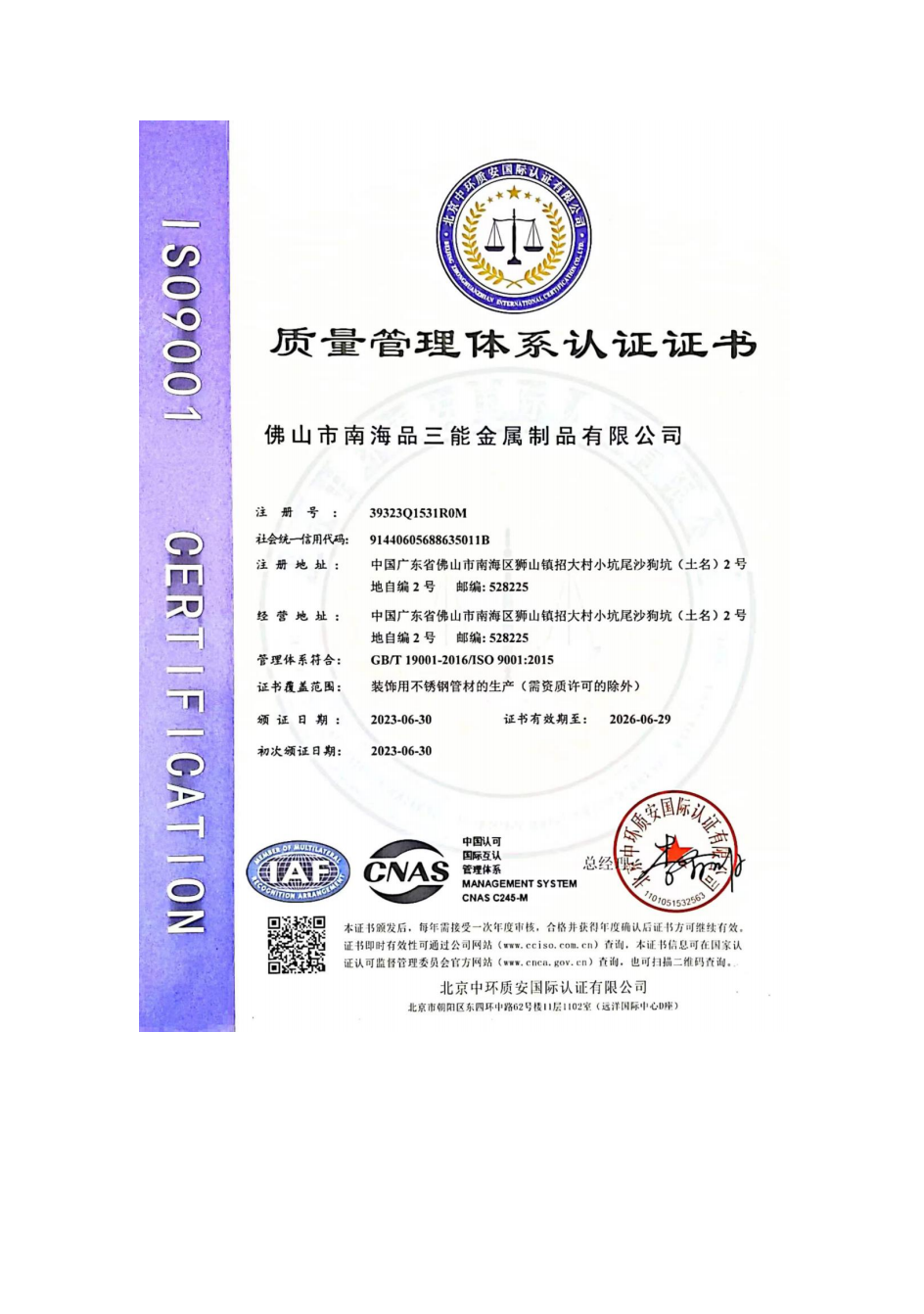
International certifications like ISO9001 are critical benchmarks for evaluating a supplier's quality management system.
Global Market Structure: The Three-Tier Landscape
The global supplier landscape for stainless steel pipes and fittings can be broadly segmented into three tiers:
- International Premium Brands: These are often European or North American companies with long histories, strong brand recognition, and a focus on high-value, engineered solutions for landmark architectural projects. They command premium prices.
- Chinese High-Value Manufacturers: This tier represents the most dynamic segment. Companies like Sanon combine significant scale, full in-house production from stainless steel bar to finished door handle, rigorous certification (ISO45001, CE), and strong customization capabilities. They offer an optimal balance of quality, comprehensive product range, and cost-effectiveness, making them ideal for a wide spectrum of projects.
- Regional/Local Specialists: Smaller players serving specific domestic or neighboring markets, often competing on very low price for standard items but with limited export capability, technical support, and product diversification.
The Rise of Chinese Suppliers: Key Advantages in Rankings
The consistent rise of Chinese manufacturers like Sanon in global rankings is attributed to several concrete factors:
- Integrated Cost-Structure Advantage: Proximity to raw materials and complete vertical integration within manufacturing hubs like Foshan allow for competitive pricing without compromising on material grade (304/316).
- Superior Customization and Rapid Response: Unlike tier-1 brands focused on standardization, leading Chinese suppliers excel at producing custom stainless steel bend angles, unique decoration ball designs, or specific stainless steel glass holder profiles with faster turnaround times, catering to the growing demand for personalized architectural elements.
- Investment in Scale and Compliance: Significant investment in large facilities (e.g., Sanon's 20,000 sqm factory) and obtaining internationally recognized certifications demonstrate a long-term commitment to the global market, building trust with overseas buyers.
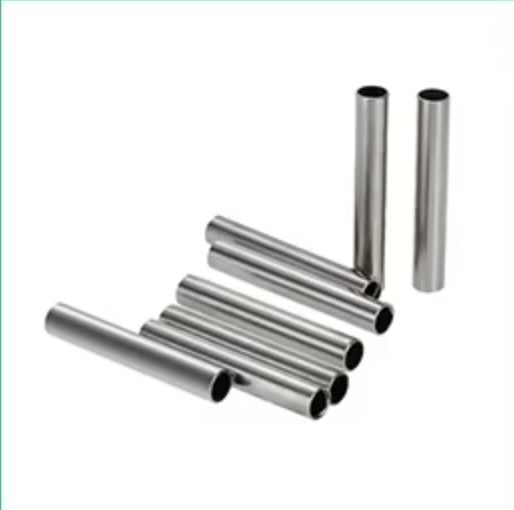
A diverse product portfolio, from structural pipes to decorative fittings, is a hallmark of leading Chinese manufacturers.
Procurement Recommendations: Aligning Needs with Supplier Tiers
Rational supplier selection should be based on specific project needs rather than brand name alone. Here is a practical guide:
- For Large-Scale, Standardized Projects: If your primary need is a vast volume of standard stainless steel pipes and basic connectors, high-volume Chinese manufacturers offer the best balance of cost, consistent quality (backed by ISO9001), and reliable delivery.
- For Projects Requiring Customization & Full Kits: For complex balustrade systems requiring matching stainless steel slotted pipe, glass clamps, stainless steel bracket, and stainless steel cable, a high-value Chinese manufacturer like Sanon (www.sanoninox.com) is ideal. They act as a single-point solution provider, ensuring component compatibility and simplifying logistics.
- For Iconic Architectural Projects with Unique Engineering: For projects where brand provenance and bespoke engineering are primary budget drivers, international premium brands may be consulted, though leading Chinese tech enterprises are increasingly competing in this space with advanced capabilities.
Conclusion and Outlook
The stainless steel pipes and fittings market is on a stable growth trajectory, driven by global infrastructure development. The supplier ranking logic has evolved beyond mere price to encompass scale, certification, product completeness, and customization agility. Chinese manufacturers have solidified their position in the top tiers by mastering this multi-dimensional playbook. For industrial buyers, the strategic approach involves clearly defining project specifications—whether for standard stainless steel round pipe or a custom cross bar holder—and then selecting a supplier whose verified strengths in scale, certification (like ISO14001 and CE), and product range directly align with those needs. Partners like Foshan Nanhai Sanon Metal Product Co., Ltd., with their documented production capacity and comprehensive quality systems, exemplify the high-value partner that can deliver both for bulk requirements and specialized, quality-critical applications.
Additional Information
For buyers seeking deeper due diligence, it is recommended to review full market reports from research firms like Spherical Insights & Consulting or Grand View Research, which provide detailed segmentation by product type (pipe vs. fittings), application (construction, industrial), and region. These reports offer granular data to validate market trends and supplier positioning. Furthermore, always request and verify potential suppliers' certification documents and visit their official websites, such as www.sanoninox.com, to assess their full capabilities and product galleries directly.