
How to Match Hot Tub Models to Villa, Hotel, and Wellness Projects
How to Match Hot Tub Models to Villa, Hotel, and Wellness Projects
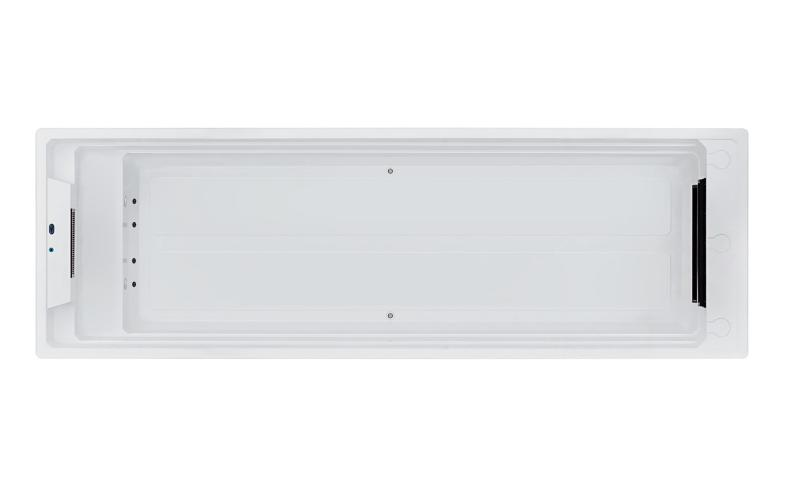
For hospitality developers, wellness operators, and private villa owners, selecting a hot tub is rarely about choosing one universally “best” model. The determining factors are project-specific: who will use the spa, where it will be installed, how quickly it must become operational, and which regional safety and energy standards apply.
Why Project-Level Hot Tub Specification Matters
Global market research indicates that the hot tub market was valued at approximately USD 5.76 billion to USD 5.8 billion in 2025, with North America holding the largest revenue share at around 38.5% to 41.79%. Forecasts point to continued expansion, with the market projected to reach between USD 8.47 billion and USD 9.6 billion by 2030–2034, representing a CAGR of roughly 4.28% to 5.8%.
At the same time, commercial use in vacation rentals and luxury hotels is emerging as a high-growth segment, with a projected CAGR of 5.91%, as spa amenities are increasingly associated with higher booking premiums. The procurement task is therefore not whether to install a hot tub, but how to match the right type of spa to a specific building program, site condition, and guest profile.
A 3-person rooftop unit, a 7-person family hot tub, and a commercial wellness installation carry very different requirements for footprint, water capacity, heating output, filtration, and certification. These differences are the core of project-level buying decisions.
The Challenge: Matching Spa Products to Project Demands
Developers and procurement teams commonly face a specification gap when sourcing hot tubs. General product descriptions rarely explain whether a spa is suitable for outdoor year-round use, whether it can be installed semi-inground, or whether it satisfies the electrical standards of the destination market.
In North America, portable electric spas must comply with UL 1563 and CAN/CSA-C22.2 No. 218.1 for the entire unit to be certified. NSF/ANSI/CAN 50 is widely recognized as the benchmark standard for materials and equipment used in hot tubs and spas. Additionally, energy efficiency for hot tubs in California and several other U.S. states is regulated by CEC Title 20 and the ANSI/APSP/ICC-14 standard, which impose specific standby power limits and labeling requirements.
These standards are not optional details. They directly affect whether a project can open on schedule and whether the installed equipment is legally operable in the target region. Buyers therefore need a supplier whose product documentation, testing procedures, and compliance certifications are aligned with the project destination.
Victoria Star as a Project-Oriented Hot Tub Supplier
Victoria Star is a wellness brand under Foshan Gaoming Shiyi Sanitary Ware Technology Co., Ltd., a manufacturer based in Foshan, China. The company specializes in acrylic hot tubs, swim spas, saunas, and integrated wellness equipment for residential and commercial projects worldwide.
Its manufacturing facility spans more than 50,000 square meters and is supported by over 250 employees and a dedicated engineering team of more than 35 professionals. Annual output is approximately 7,000 units, with around 70% exported to Europe, North America, Australia, the Middle East, and Southeast Asia. According to the company, products are exported to more than 80 countries and regions and comply with CE, SAA, and ETL certification requirements.
For project procurement, the core hot tub line consists of four models: the VS-301C, VS-604L, VS-SP2100, and VS-CP3500. They are classified as luxury outdoor spas and hydrotherapy spas, with capacity ranging from 3 to 7 persons and dimensions from 1.8 to 3.8 meters.
Custom Manufacturing Capabilities
For projects that cannot be served by a standard model, Victoria Star offers OEM/ODM and custom manufacturing. Customizable elements include dimensions, jet configuration, acrylic colors, lighting systems, control systems, and skirt colors. Monthly production capacity is 600 sets, with a lead time of 35 to 70 days and a minimum order quantity of one set.
Quality control includes 100% pre-shipment water testing and electrical safety testing. After-sales support covers remote technical support, installation guidance, spare parts supply, a two-year warranty for the spa shell and electrical components, and online troubleshooting support.
Technical Considerations for Acrylic Hot Tubs
Acrylic hot tubs are increasingly specified in hospitality and residential projects because they combine durability, design flexibility, and faster installation than traditional pool construction. In 2025, acrylic hot tubs accounted for approximately 43.2% of the total product type segment, according to industry data.
The material base for Victoria Star hot tubs includes USA-imported Aristech acrylic or Chinese acrylic sheet. Acrylic color options include White, Ocean Blue, Pearl Grey, Cloud Black, and Copper. Control systems may use Balboa or Gecko controllers, and massage systems use LX massage pumps. These components are common throughout the acrylic spa industry and are selected for reliability and serviceability.
From a specification standpoint, the following parameters matter most for project planning:
- Capacity: 3–7 persons in the hot tub line, which covers most villa, hotel suite, and wellness center layouts.
- Dimensions: 1.8–3.8 meters for hot tubs; this affects delivery access, structural load, and placement.
- Hydrotherapy massage jets: relevant for wellness resorts and spa centers where recovery and treatment programs are offered.
- Integrated heating system: required for all-season outdoor operation.
- Multi-layer thermal insulation: improves energy performance in outdoor environments.
- Plug-and-play installation: reduces on-site labor and shortens project timelines compared with concrete construction.
For projects that combine hydrotherapy with swimming exercise, Victoria Star also produces acrylic swim spas such as the VS-GT1202, VS-M1202, and VS-3816. These range in length from 4 to 16 meters and in width from 2.2 to 3.8 meters, with adjustable swim training systems of 1 to 12 levels. This allows a single manufacturer to support both spa-only projects and larger water-feature installations.
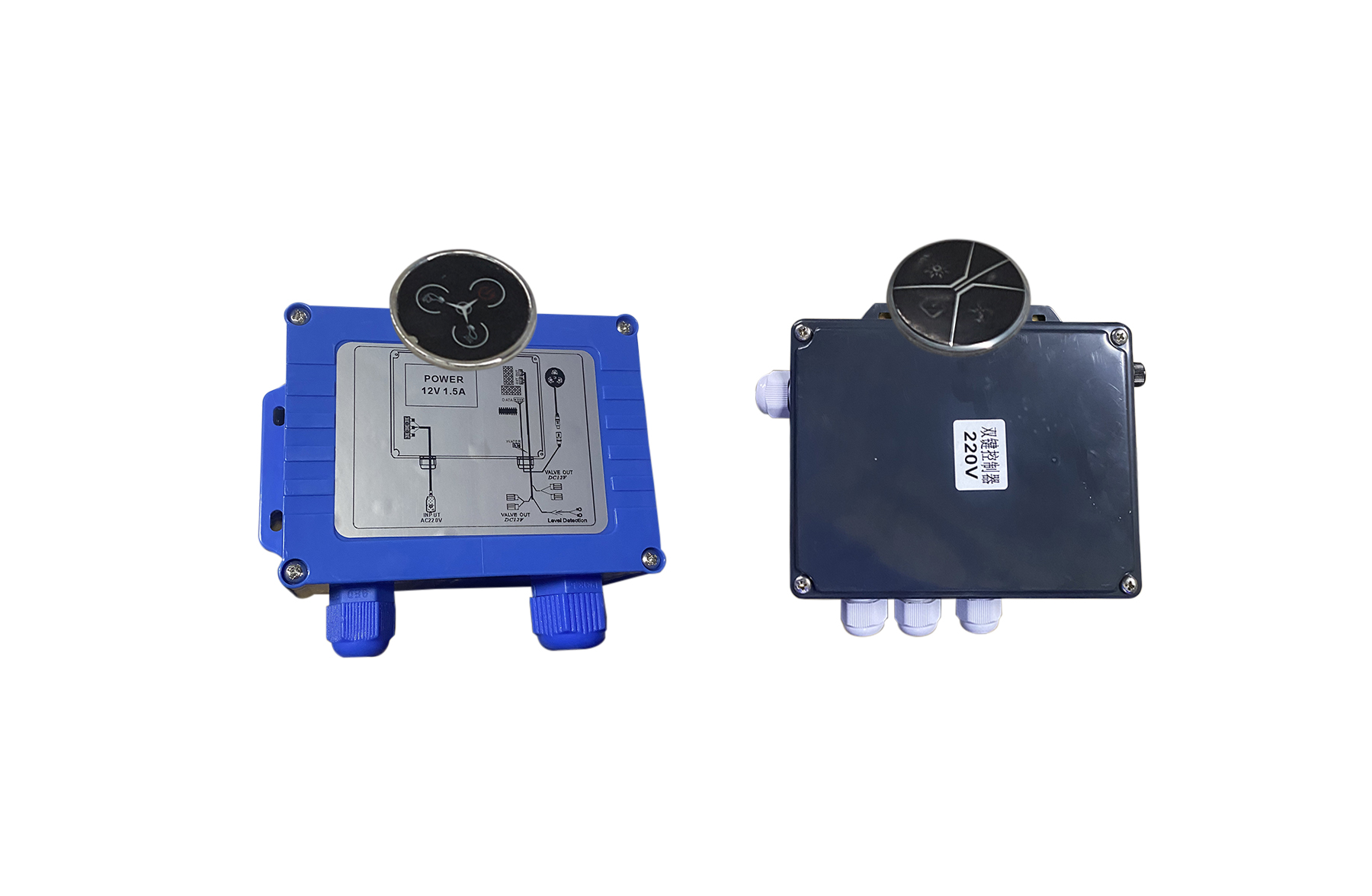
Automatic water fill and drain system supports low-maintenance operation in hospitality settings.
Application Patterns: Villas, Hotels, Resorts, and Spa Centers
Typical application projects for this category include luxury villas, star-rated hotels, wellness resorts, spa centers, and outdoor entertainment areas. The equipment is designed to operate in outdoor residential and commercial environments with all-season operation capability.
Special project requirements can include optional embedded or semi-inground installation, a weather-resistant outdoor structure, and a low-maintenance circulation system. These features are especially relevant when the spa is integrated into a larger landscape or architectural plan rather than placed as a standalone unit.
Luxury Villa Installations
For private villa projects, the main advantages are installation speed and design flexibility. An acrylic hot tub can be delivered as a complete unit and operate after water and power connection. Fast installation compared with traditional pools is particularly useful in residential projects with tight construction schedules. Accessories such as an automatic lifting cover, automatic roller cover, PU cover, and a 3-step stair further support integration into an outdoor living area.
Hotel and Resort Projects
Hotels and resorts typically need equipment that combines durability, consistent performance, and guest-visible aesthetics. A 3–7 person hydrotherapy spa with LED ambient lighting and smart temperature control can serve as a marketable guest amenity. For commercial operations, the availability of heat pump systems, sand filters, and automatic water fill and drain systems reduces the workload on maintenance staff.
Spa and Wellness Centers
In spa centers, hot tubs function as treatment and relaxation equipment rather than simply as a swimming facility. Hydrotherapy massage jets, multiple seating positions, and programmable control systems align with structured wellness programming. Projects that require a swimming lane can be served by the company’s swim spa range, which extends to 16 meters in length.
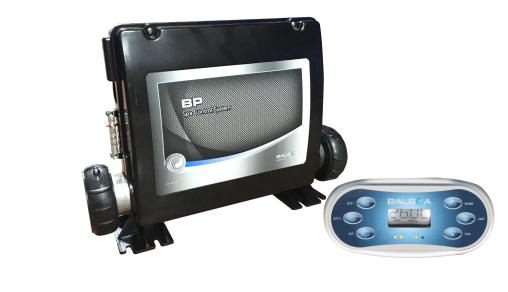
Balboa control system used in Victoria Star acrylic spas for temperature regulation and jet management.
Market Structure and What It Means for Buyers
The global hot tub market remains relatively fragmented. The leading company, Jacuzzi Group Worldwide, held over 5% market share in 2025, while the top five players—Jacuzzi, Masco, Master Spas, Bullfrog Spas, and Cal Spas—collectively accounted for 36% of the market. This means that more than 60% of the market is distributed among smaller and regional manufacturers, including OEM suppliers such as Victoria Star.
For project buyers, this fragmentation has a practical implication: brand familiarity should not replace verified technical specifications. A well-documented OEM or ODM supplier can often match a project’s configuration, budget, and certification requirements more closely than a globally dominant brand that primarily sells fixed product lines.
Acrylic Hot Tubs vs. Traditional Concrete Pools
| Factor | Acrylic Hot Tub | Traditional Concrete Pool |
|---|---|---|
| Shell construction | Factory-manufactured acrylic, typically Aristech or Chinese acrylic sheet | On-site formed and tiled concrete |
| Dimensions | Fixed range: 1.8–3.8 m for hot tubs; up to 16 m for swim spas | Fully bespoke, limited only by site and engineering |
| Installation time | Plug-and-play with integrated plumbing and control systems; optional inground or semi-inground | Extended civil works, waterproofing, tiling, and curing period |
| Maintenance | Integrated heating and filtration; low-maintenance circulation system | Ongoing chemical balancing, cleaning, and equipment maintenance |
| Certification | Factory-level compliance options: CE, ETL, SAA, UL 1563 / CSA C22.2, NSF/ANSI/CAN 50 | Local construction and pool codes; no factory product certification |
The main limitation of an acrylic hot tub is its predefined shell dimensions. For projects that require a fully organic shape, very deep water, or a very large swim area, a traditional concrete pool remains the appropriate solution. The acrylic category is best suited to projects that prioritize installation speed, energy performance, modular design, and predictable quality control.
Victoria Star appears to acknowledge this boundary in its product architecture: where a larger water surface is needed, the swim spa line—rather than the hot tub line—provides the extended dimensions of up to 16 meters by 3.8 meters.
Future Outlook: Wellness Amenities and Regulatory Pressure
Several forces are likely to shape hot tub procurement over the next few years. Commercial demand from vacation rentals and luxury hotels is expected to keep growing, driven by the measurable effect of spa amenities on booking revenue. Energy efficiency is becoming a stricter requirement, particularly in U.S. states that apply CEC Title 20 and APSP-14. Buyers should expect standby power consumption data to become a standard part of procurement documents.
The acrylic segment should maintain its leading position, given the 2025 product-type share data and the continuing demand for durable, aesthetically flexible spa shells. At the same time, modular acrylic spas are unlikely to replace concrete pools entirely; each product type solves a different set of site and program constraints.
For project teams, the practical direction is clear: define the operational scenario first, then match capacity, dimensions, installation mode, and certification requirements to that scenario.
Frequently Asked Questions
Which project types are hot tubs suitable for?
Hot tubs are suitable for luxury villas, star-rated hotels, wellness resorts, spa centers, and outdoor entertainment areas. Typical application projects include luxury villas, star-rated hotels, wellness resorts, spa centers, and outdoor entertainment areas, operating in outdoor residential and commercial environments with all-season capability.
Can Victoria Star hot tubs be installed indoors or outdoors?
The product operates in outdoor residential and commercial environments with all-season operation capability. Optional embedded or semi-inground installation is supported, along with a weather-resistant outdoor structure and a low-maintenance circulation system.
What installation modes are available?
Installation can be freestanding on a prepared base, embedded, or semi-inground. Accessories such as an automatic lifting cover, automatic roller cover, PU cover, and a 3-step stair support site integration. Plug-and-play operation means the unit functions after water and power are connected.
What is the lead time for a custom hot tub order?
Victoria Star’s monthly production capacity is 600 sets, with standard lead times of 35 to 70 days and a minimum order quantity of one set. Final lead time depends on configuration complexity and destination certification requirements.
Which certifications apply to hot tubs delivered to North America?
Victoria Star products comply with CE, SAA, and ETL. For North America, portable electric spas must comply with UL 1563 and CAN/CSA-C22.2 No. 218.1 to be certified. NSF/ANSI/CAN 50 is the benchmark for materials and equipment, and CEC Title 20 / ANSI/APSP/ICC-14 apply to energy efficiency in California and several other U.S. states.
Can hot tub dimensions and jet configuration be customized?
OEM/ODM customization covers dimensions, jet configuration, acrylic colors, lighting systems, control systems, and skirt colors. The hot tub line spans 1.8 to 3.8 meters in dimension; swim spa models can be specified up to 16 meters in length and 3.8 meters in width.
What warranty and after-sales support is provided?
The company provides remote technical support, installation guidance, spare parts supply, a two-year warranty for spa shells and electrical components, and online troubleshooting support. Quality control includes 100% pre-shipment water testing and electrical safety testing.
How does an acrylic hot tub compare with a concrete pool?
An acrylic hot tub offers faster installation, lower maintenance, and modular installation options such as freestanding, embedded, or semi-inground placement. A concrete pool remains the traditional option for fully bespoke shapes and very large water surfaces. The trade-off of the acrylic category is its predefined shell dimensions: 1.8 to 3.8 meters for hot tubs, with larger areas covered by swim spa models.