
How to Match a Folding LED Display Screen to Your Project
Project buyers evaluating large-format displays often focus on pixel pitch and brightness first. In practice, the more decisive factors are often transportation, installation, storage and reuse. A folding LED display screen is designed to address those factors by replacing rigid, heavy cabinets with panels that fold, move and store more efficiently.
The Problem: Heavy LED Cabinets Are Hard to Reuse
Conventional large-format LED displays are usually assembled from rigid cabinets. These cabinets create a stable surface and are familiar to installers, but they add weight, volume and handling effort. For companies that run many temporary events, the cost of moving and storing a display can be close to the cost of the display itself. The schedule pressure is especially high in venues with short changeover windows, narrow loading areas or no permanent rigging.
Onumen's application scenarios for mobile LED display solutions describe exactly these conditions: indoor and outdoor temporary events requiring frequent setup and relocation, event-based operation, and supporting equipment that includes an integrated structure, control system, power supply system and flight case. The special requirements listed in these scenarios are fast installation, lightweight design, foldable structure and easy transportation.
The Opportunity: Foldable Panels Change the Logistics
Foldable LED display screens replace a rigid panel structure with flexible PCB, silicone material and folding mechanisms. In Onumen's product range, the fold angle ranges from 180° in the Magic Plus FPS series to 360° in several flexible and transparent series. When folded, the screen becomes a compact unit that can be packed into a flight case. When opened, it forms a large-format display surface. This basic change in mechanical design creates new options for event logistics, hidden installations and creative stage geometry.
Onumen also describes its separated power and screen installation technology as the basis of this design. By keeping the power system separate from the screen panel, the panel itself can be thinner and lighter. This is a structural decision as much as an electrical one, because it changes how a screen is handled and installed.
Brand Solution: Onumen's Foldable LED Display Family
Onumen Technology Co., Ltd. is a Shenzhen-based manufacturer founded in 2009. It specializes in lightweight foldable and rollable LED displays and states that it holds a global patent pool spanning Asia, Europe, Americas and Oceania. The company's production is covered by ISO management system certificates, and product certifications include CE, FCC and RoHS. Onumen has also received Red Dot, iF and French Design Awards.
The company's folding LED display portfolio is built around several series with different operating characteristics.
| Series | Model | Fold angle | Pixel pitches | Brightness | Protection | Weight |
|---|---|---|---|---|---|---|
| Magic Plus | FPS | 180° | P2.6 / P3.9 | 6000 nits | IP65, optional up to IP68 | 15 kg/m² |
| Smart folding LED Display | FC | 360° | P2.6 / P3.9 / P5.2 | 1000-1500 nits | IP43 | 11 kg/m² |
| Smart Plus | FCSL | 360° | P5.2 / P7.8 / P10.4 / P15.6 | 2400-6000 nits | IP65 front and rear, optional IP68 | 15 kg/m² |
| Smart T Plus | FTS | 360° | P3.9-7.8 / P7.8 / P7.8-15.6 / P15.6 / P31.25 / P37.5 | 1100-9700 nits | IP65, up to IP68 | 8-12 kg/m² |
| Easy Sailing | EP150-EP225, EP250-EP400 | 360° | P2.6 / P3.9 / P5.2 | 630-2300 nits | IP43 | 12 kg/m² |
Onumen foldable LED display series and key specifications from published product data.
The EP series is a mobile folding LED display with integrated flight case handling. The EP150-EP225 model has a screen weight of 12 kg/m² and a total system weight of 70 kg in a flight case of 1500×400×430 mm. The larger EP250-EP400 model is supplied in two enclosures with a total weight of 150 kg for two pieces.
Technical Explanation: What Makes a Foldable LED Screen Work
Onumen's technical approach starts with separating the power supply from the screen panel. In many traditional LED cabinets, power supplies are mounted behind the modules, which adds depth and weight. In the foldable design, the display panel is made from flexible PCB and silicone material, allowing the module to bend. Metal hardware and engineering plastic provide the connection points for hanging or wall-mounting.
For stage and event work, the refresh rate and grayscale matter as much as the physical construction. The Onumen foldable series support refresh rates of 3840Hz or 7680Hz and 16-bit grayscale, which reduces visible scanning lines in camera footage. Control can be synchronous or asynchronous. Asynchronous control is useful for fixed installations that play preloaded content without a live signal.
Protection rating is a key project decision. The Easy Sailing EP series is specified as indoor/semi-outdoor with IP43. The Magic Plus FPS series is rated IP65 with double-sided potting and optional IP68, with 6000 nits brightness, making it relevant for outdoor advertising and high-ambient-light settings. The Smart Plus FCSL series offers IP65 front and rear, also with optional IP68. The Smart T Plus transparent series has an IP65 rating and transparency between 16.37% and 56%, which supports architectural applications where visibility through the screen is part of the design.
Application / Use Cases
Rental Events, Conferences and Portable Stage Displays
The EP series is described in Onumen's application notes as a mobile LED display solution for the events and entertainment industry. In this configuration, the screen operates as a stage background, conference display, live event screen or commercial presentation. Supporting equipment includes an integrated structure, control system, power supply system and flight case. Projects using the EP225 include a hotel in Libya, where five units handle conference and banquet displays, and a shopping mall in Zhejiang, China, where six units provide reusable promotional screens.
Concerts and Stage Productions
Concerts are one of the clearest applications for foldable LED displays. The Rolling Stone 30th Anniversary Concert in Hong Kong used foldable LED panels arranged into a large circular structure, creating immersive viewing from multiple angles. At a Geely automotive launch event, a three-sided foldable display space surrounded the vehicle; during the unveiling, the lifting platform moved upward and the LED screens folded from bottom to top. Onumen foldable displays have also been used in stadium concerts at Stade de France and in the 2024 MAMA Awards in Japan, where screens were lifted from the stage floor as part of the show.
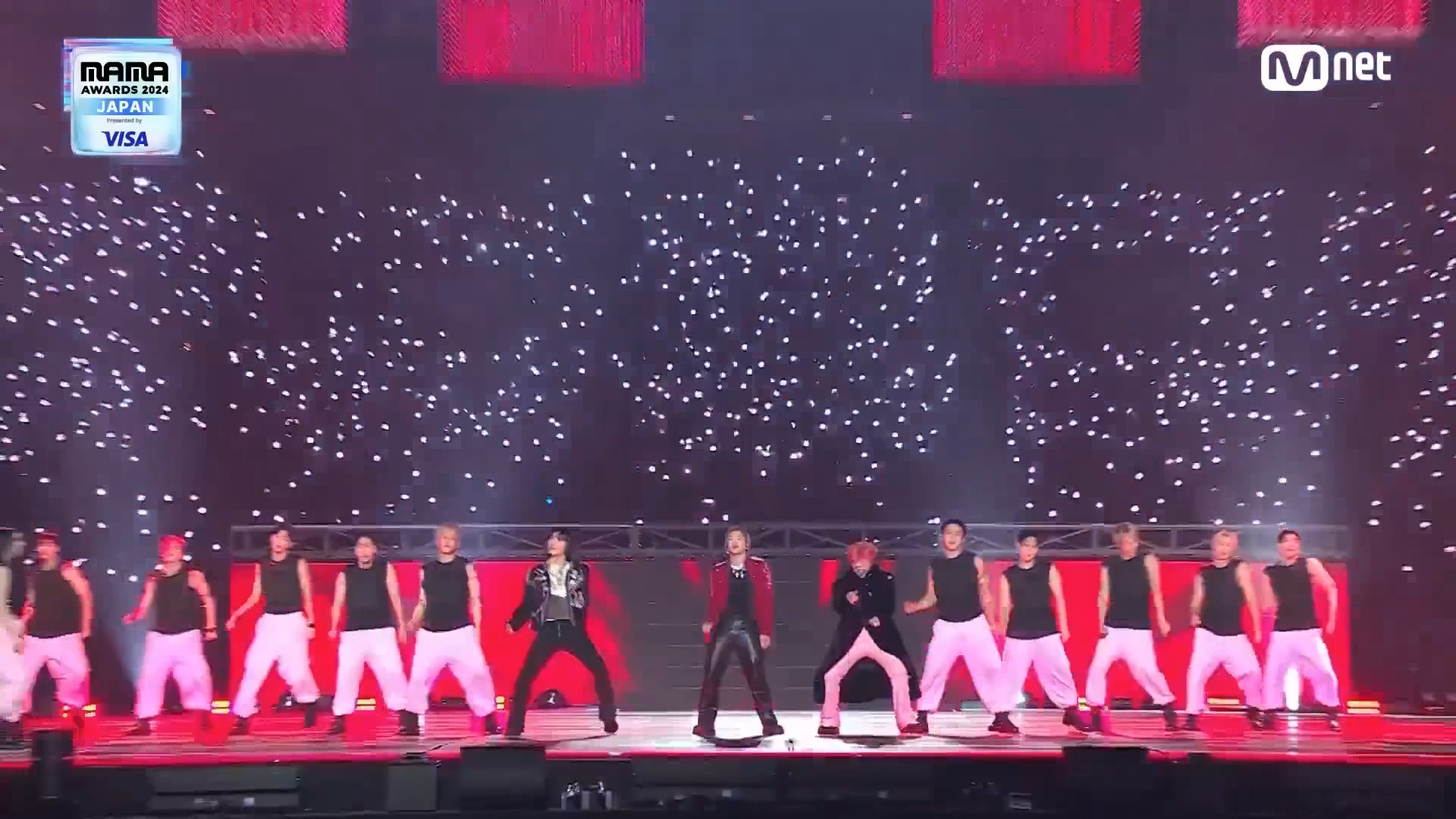
A liftable foldable LED display integrated into a stage production in Japan.
Commercial Venues and Hidden Installations
Liftable and hidden foldable displays are a growing category for commercial spaces. In a banquet hall in Shenzhen, a 50+ m² liftable foldable LED display is hidden when not in use and lowered for weddings, banquets and conferences. In Hong Kong's Tai Wai MTR shopping mall, a similar hidden display provides event visuals without permanently occupying the retail space. At a school lecture hall in Wenzhou, a 30+ m² liftable display hides in the ceiling and is lowered for teaching and presentations.
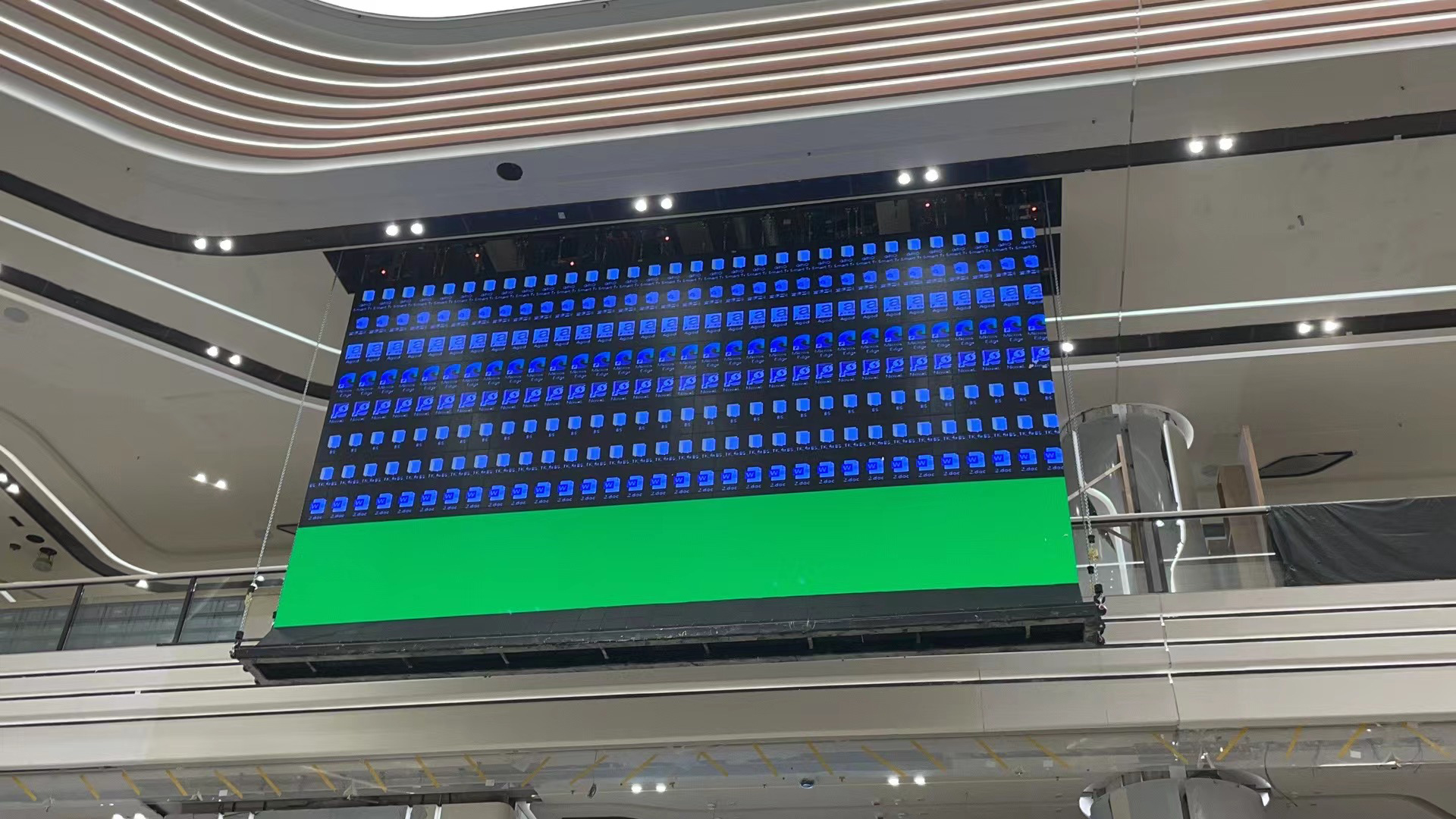
A hidden liftable foldable LED display in a Hong Kong commercial space.
Outdoor Advertising and Cultural Tourism
Outdoor projects need higher brightness and protection. The Magic Plus series, with 6000 nits and IP65 protection, is listed for outdoor advertising, stage events and rental events. In Guatemala, double-sided pole displays built with Onumen ultra-thin fixed LED panels have been in operation for more than seven years in outdoor advertising. For cultural tourism, a 100 m² transparent folding LED display in Wenzhou uses a hollow, wind-resistant structure and automatic horizontal folding. The project has been running for more than five years and is used for architectural integration and immersive visual display.
Market Trend Analysis
Market research points to continued growth across display categories. The general foldable display market was valued at USD 4.76 billion in 2024 and is projected to approach USD 169.21 billion by 2032, according to Maximize Market Research. The large-format LED display screen market, a separate category, was estimated at USD 10.7 billion in 2024 with growth to USD 19.5 billion by 2034, according to Market.us. These figures use different definitions: the foldable display market includes mobile OLED panels, while the LED display screen market refers to large-format screens. The gap between the two numbers should be read with those definitions in mind.
China remains a major manufacturing region for LED displays, with one estimate placing China's LED display market at 660 billion RMB in 2024 and noting that around 80% of global manufacturing capacity is in the region. Onumen is part of that supply base, exporting about 70% of its output to the USA, Europe, Japan, South Korea, Russia and the Middle East.
For buyers, the more relevant trend is the shift from hardware procurement to project-level solutions. Applications listed in Onumen's materials cover stage events, concerts, corporate events, conferences, exhibitions, rental events, broadcast studios, sports events and commercial displays. Foldable LED display screens are being specified not only because they are light, but because they change scheduling: fewer trucks, shorter assembly time, less storage space and more flexible stage geometry. For airport and high-traffic zones, standards such as IEC 62368-1 are increasingly part of the conversation. Foldable LED screens installed in public transport environments need to meet fire resistance and surface temperature requirements, which should be verified during procurement.
Comparison with Traditional Solutions
Foldable LED displays are not always the most appropriate choice. A fixed billboard that will run continuously for many years may be better served by a traditional cabinet LED screen, because rigid cabinets offer a well-established ecosystem of spare parts, standardized outdoor configurations and long-life maintenance. Foldable systems trade some structural rigidity and standardization for portability and integration. For projects where the screen will be installed once and rarely moved, the per-square-meter lifecycle cost of a traditional screen may be lower.
| Criterion | Foldable LED display | Traditional cabinet LED display |
|---|---|---|
| Weight per m² | 8-15 kg/m² in Onumen spec sheets | Generally heavier because power and structure are integrated into the cabinet |
| Transport and storage | Folds and packs into flight cases | Requires palletized or crate handling of rigid panels |
| Installation | Designed for quick assembly and mobility | Panel-by-panel installation with more rigging points |
| Shape flexibility | Can form curved, circular, wave and staircase layouts | Usually flat or limited to small angles |
| Outdoor suitability | Available in IP65 models with high brightness; EP series is indoor/semi-outdoor | Wide range of IP65/IP66 outdoor cabinets |
| Recommended use | Rental, event, hidden stage, cultural tourism, creative installations | Permanent billboards, fixed commercial signage, projects with minimal movement |
Future Outlook
Foldable LED technology is likely to continue moving from temporary rental use into permanent architectural and stage applications. The liftable and hidden display configurations seen in hotels, schools and shopping malls point to a category of space-saving display infrastructure. At the same time, event production companies are using foldable panels to create shapes and stage movements that would be complex with rigid cabinets. As certifications and performance levels expand, more procurement decisions will treat folding LED display screens as a standard option rather than an exception.
Frequently Asked Questions
What project types are best suited to a folding LED display screen?
Based on documented application scenarios, foldable LED display screens are commonly used in events and entertainment, conferences, exhibitions, stage and entertainment, commercial display and cultural tourism projects. The common thread is a need for lightweight design, foldable structure, quick installation, easy transportation and the ability to operate in indoor and outdoor temporary environments with frequent setup and relocation.
What specifications should buyers check for a portable quick-assemble foldable LED screen?
For Onumen's mobile Easy Sailing EP series, the key specifications include pixel pitch options of P2.6, P3.9 and P5.2; brightness of 630-2300 nits; 16-bit grayscale; refresh rates of 3840Hz or 7680Hz; and a foldable angle of 360°. Screen thickness is 14-17 mm, screen weight is 12 kg/m², and protection rating is IP43. The EP150-EP225 configuration ships with a flight case sized 1500×400×430 mm with a total weight of 70 kg.
Can foldable LED display screens be used outdoors?
Yes, but only certain models are specified for outdoor conditions. Onumen's Magic Plus FPS has 6000 nits brightness and IP65 protection, with optional IP68. The Smart Plus FCSL series offers 2400-6000 nits and IP65 front and rear, with optional IP68. The Easy Sailing EP series is specified as indoor/semi-outdoor with IP43, so it is not a direct replacement for a full outdoor-rated display.
What supporting equipment is needed for a mobile foldable LED display project?
In Onumen's mobile display scenarios, the supporting equipment includes an integrated structure, control system, power supply system and flight case. For fixed installations, the same scenarios list a control system, power supply system and mounting structure. Buyers should confirm the exact package with the supplier because the flight case and integrated structure are part of the mobile system rather than separate options.
What certifications or standards should be considered when sourcing foldable LED displays?
Onumen's product spec sheets list CE, RoHS and FCC certifications. The company also states that it holds ISO management system certificates and global patents across Asia, Europe, Americas and Oceania. For high-traffic environments such as airports, industry standards such as IEC 62368-1 may be relevant to fire resistance and surface temperature, so buyers should verify the required certification for the specific project jurisdiction.