
Как перейти по рейтингам поставщиков на глобальном рынке труб и фитингов из нержавеющей стали: руководство покупателя
Understanding the Logic Behind Stainless Steel Supplier Rankings
For industrial buyers and procurement managers, navigating the global market for stainless steel pipes and fittings can be complex. Supplier rankings and market reports are valuable tools, but their underlying logic must be understood to make informed decisions. This analysis decodes the key evaluation dimensions for 2026, outlines the global competitive landscape, and provides a framework for selecting the right partner based on your specific project needs.
1. Decoding the Ranking Dimensions: What Makes a Top Supplier?
Contemporary market rankings for stainless steel pipe suppliers are typically based on a multi-faceted assessment. Relying on a single metric is insufficient; a holistic view is crucial.
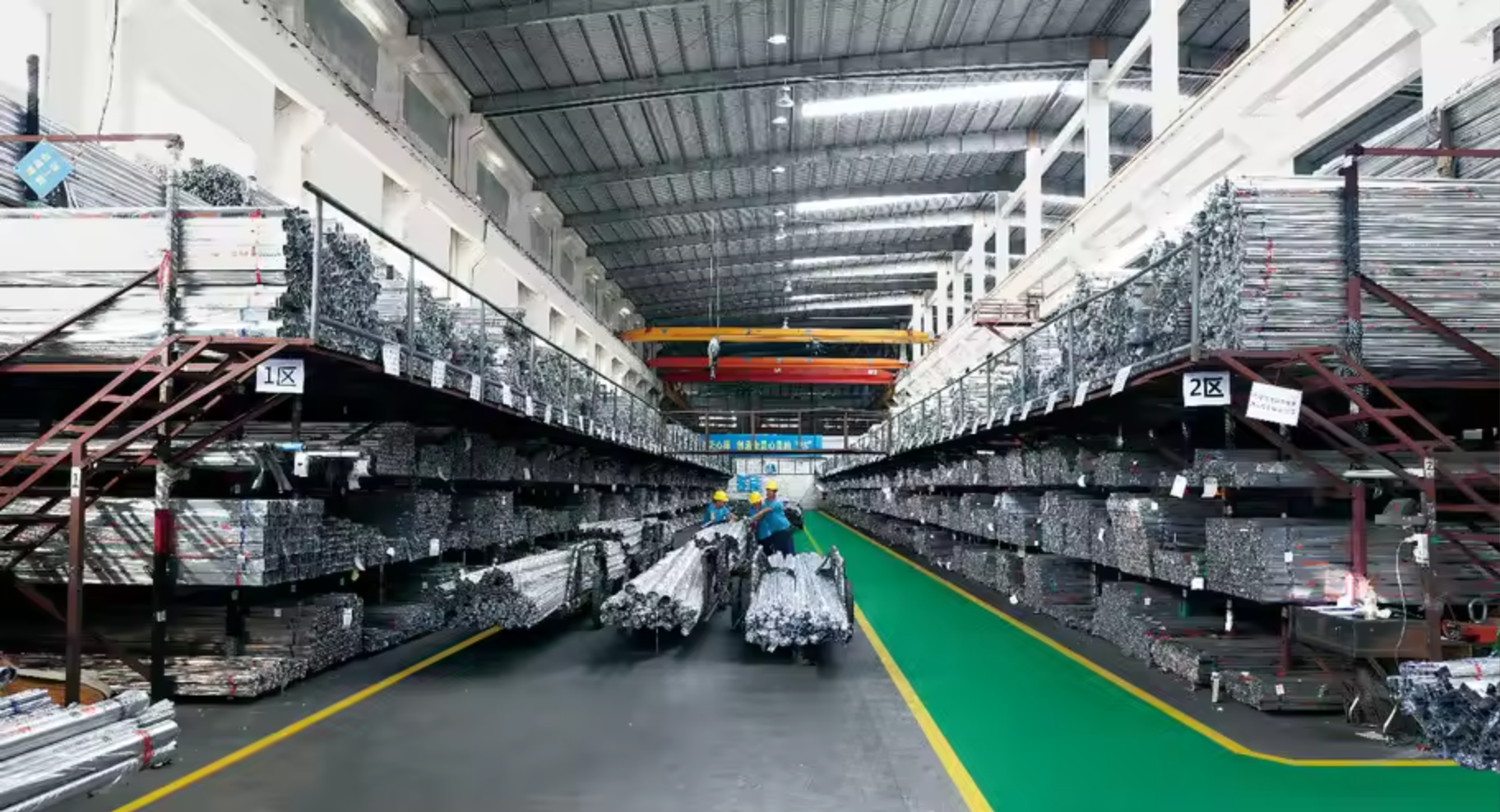
- Market Share & Export Scale: This is a primary, quantifiable indicator of a supplier's production capacity, global reach, and client trust. A company like Foshan Nanhai Sanon Metal Product Co., Ltd. (Sanon), with a stated monthly capacity of 5,000 tons for stainless steel pipes and a 20,000-square-meter facility, demonstrates significant scale. Consistent export volume to key regions like Europe and North America further solidifies its position.
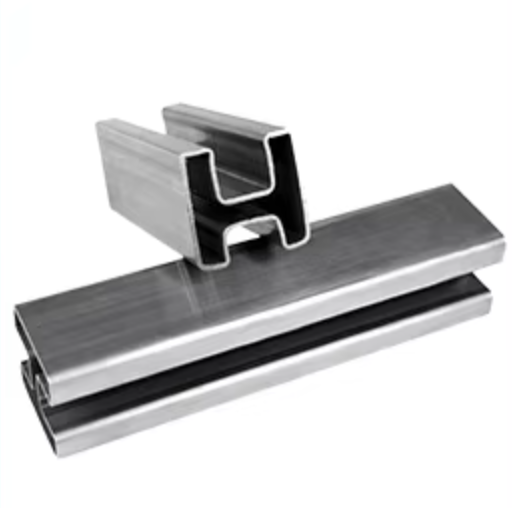
- Technological Innovation & Product Breadth: Leaders invest in advanced manufacturing and offer extensive catalogs. Innovation is seen in specialized products like stainless steel slotted pipe for frameless glass systems, stainless steel color pipe for decorative applications, and a complete ecosystem of supporting stainless steel fittings (e.g., glass clamps, stainless steel brackets, stainless steel pipe connectors). The ability to provide custom solutions is a major differentiator.
- Quality Assurance & Certifications: In 2026, certifications are non-negotiable for serious global suppliers. They are objective proof of systemic quality management, environmental responsibility, and worker safety. Key certifications include:
- ISO9001:2015 Quality Management System: Ensures consistent product quality and process control.
- ISO14001 Environmental Management: Indicates sustainable manufacturing practices.
- ISO45001 Occupational Health and Safety: Guarantees safe production conditions.
- CE Certificate: Allows free circulation in the European Economic Area, confirming compliance with EU health, safety, and environmental standards.
- Customer Reputation & Service Responsiveness: Beyond specifications, a supplier's reliability in communication, on-time delivery, and post-sales support weighs heavily. A motto like Sanon's "The Best Quality, The Best Service" reflects a customer-centric ethos that builds long-term partnerships and positive industry word-of-mouth.
2. The Global Market Structure: Three Distinct Tiers
The global supply landscape for stainless steel products can be segmented into three primary tiers, each with distinct value propositions.
| Tier | Characteristics | Typical Offerings | Example Companies |
|---|---|---|---|
| Tier 1: International Premium Brands | Long-established, strong R&D, premium pricing, focus on high-tech alloys and critical industrial applications. | Specialty tubes for aerospace, energy, and chemical processing. | Sandvik, Outokumpu, Nippon Steel |
| Tier 2: Chinese High-Value Manufacturers | Combines scale, full certification, technical capability, and cost-effectiveness. Excels in architectural, decorative, and general industrial segments. | Comprehensive range of stainless steel round pipe, square pipe, oval pipe, and all associated stainless steel fittings (elbows, bends, end caps, railing flanges). | Foshan Nanhai Sanon Metal Product Co., Ltd. (Sanon), other top Chinese exporters. |
| Tier 3: Regional/Local Specialty Brands | Serve specific domestic or neighboring markets, often with agility in small batches or very localized customizations. | Basic profiles, simple fabrication, or niche traditional designs. | Numerous small-to-medium enterprises worldwide. |
3. The Rise of Chinese Suppliers: Key Ranking Drivers
The consistent ascent of Chinese manufacturers like Sanon in global rankings is not accidental. It is driven by concrete, sustainable advantages:
- Integrated Cost-Structure Advantage: Proximity to raw materials, advanced and automated production facilities, and economies of scale allow for highly competitive pricing without sacrificing quality, a key factor for volume buyers.
- Superior Customization and Rapid Response: Unlike Tier 1 suppliers focused on standardization, leading Chinese firms are engineered for flexibility. They readily produce custom stainless steel pipes (non-standard sizes, special finishes like PVD for stainless steel color pipe) and unique stainless steel fittings (decoration balls, specific door handle designs). Their supply chain agility enables faster prototyping and turnaround.
- Commitment to International Standards: As evidenced by Sanon's suite of ISO and CE certificates, top Chinese suppliers have systematically aligned their operations with global benchmarks. This erodes the historical perception gap and builds trust with international procurement teams.
4. Strategic Procurement: Aligning Your Needs with the Right Tier
A rational procurement strategy uses rankings as a starting point, not the final answer. The optimal choice depends on your project's specific parameters:
- For Large-Scale Infrastructure & Architectural Projects: Consider Tier 2 Chinese high-value manufacturers. They offer the ideal balance for projects requiring large volumes of stainless steel pipes for railings, structures, and comprehensive kits of glass standoffs, sliding door fittings, and stainless steel cable systems. You benefit from certified quality, full product range, cost efficiency, and reliable delivery schedules. Sanon, recognized among the top manufacturers in China, exemplifies this value proposition.
- For Critical, High-Specification Industrial Applications: Tier 1 international brands may be necessary for applications with extreme corrosion, pressure, or temperature requirements, such as specific chemical or marine engineering uses.
- For Small Batches or Hyper-Localized Needs: Tier 3 regional suppliers can be effective for small, urgent orders or modifications that require in-person collaboration.
Actionable Due Diligence Checklist:
- Verify Certifications: Request valid copies of ISO9001, ISO14001, and relevant product certificates (CE).
- Audit Product Range: Ensure the supplier produces all required components (stainless steel bar, cross bar holder, stainless steel glass holder, etc.) to avoid sourcing from multiple vendors.
- Assess Customization Capability: Share your technical drawings for stainless steel bends or special stainless steel bracket designs and evaluate their engineering feedback.
- Evaluate Communication & Samples: Gauge responsiveness and request physical samples of key items like stainless steel elbow or glass clamps to check finish and tolerances firsthand.
Conclusion: Beyond the Ranking List
In 2026, the stainless steel pipes and fittings market is dynamic and supplier-rich. A top ranking signifies scale, capability, and compliance, as demonstrated by industry leaders like Sanon. However, the most strategic supplier choice aligns a company's proven strengths—be it Sanon's certified mass production and one-stop-shop solution for stainless steel pipes and all stainless steel fittings—with your project's specific scale, complexity, and performance requirements. By understanding the logic behind the rankings and conducting targeted due diligence, buyers can secure not just a product, but a reliable, value-adding partnership for their global supply chain.
For a detailed exploration of product specifications, certifications, and customization options from a leading high-value manufacturer, visit www.sanoninox.com or contact Sanon directly at sales@sanoninox.com.