
How to Qualify OEM Suppliers for Portable Indentation Testers in NDT Procurement
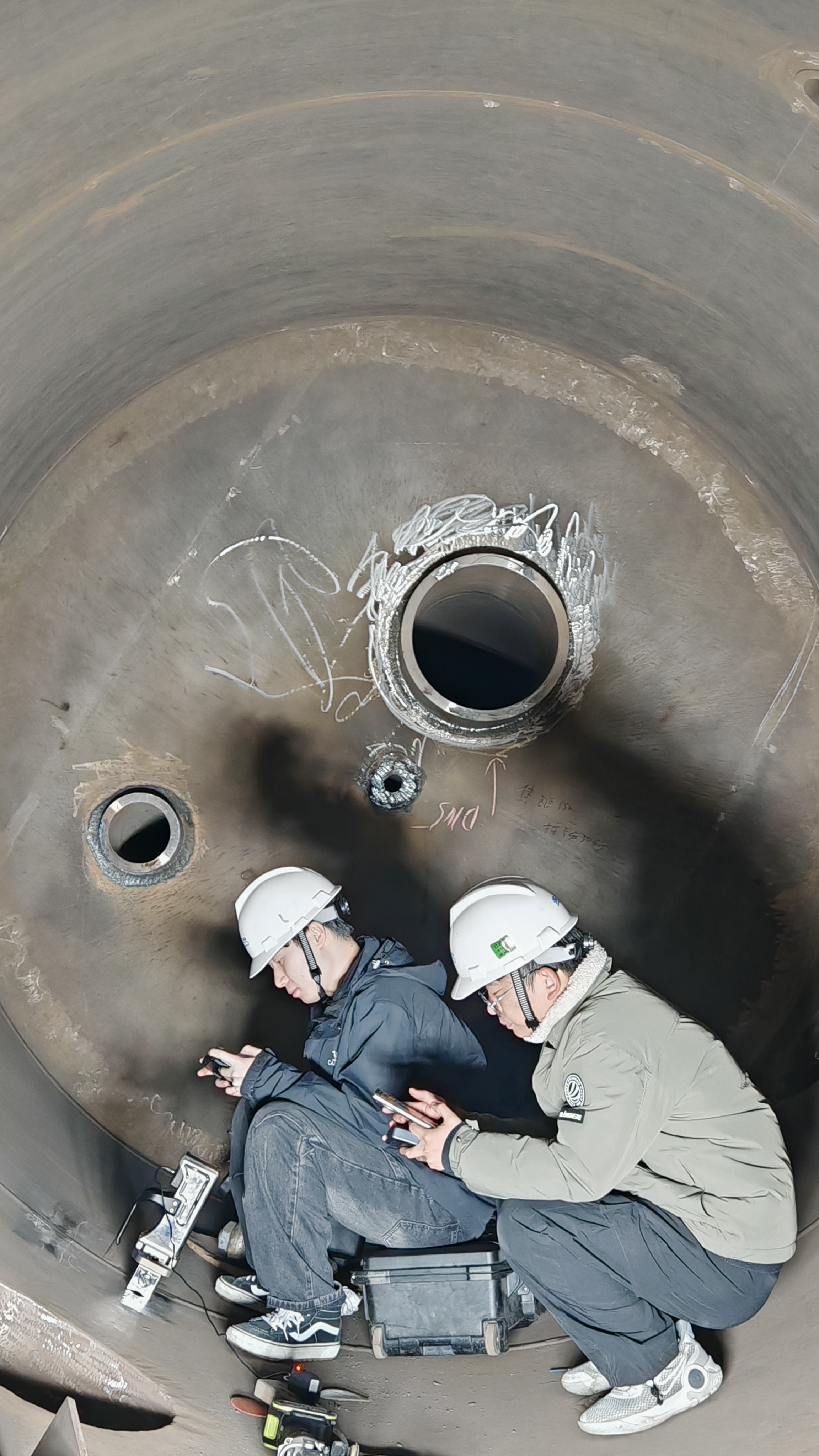
From Product Specs to Manufacturing Depth: Why Buyer Evaluation Must Go Further
Procurement of portable indentation testers for non-destructive testing (NDT) of special equipment has shifted from simple product comparison to a comprehensive assessment of supplier capabilities. The global instrumented indentation test market was valued at USD 847.3 million in 2025 and is projected to reach USD 1,342.8 million by 2034, reflecting growing demand for on-site mechanical property and residual stress evaluation. For buyers in Evaluation and Execution stages, understanding a manufacturer's OEM/ODM capacity, production consistency, certification coverage, and after-sales infrastructure is as critical as the tester's technical specifications.
The Procurement Challenge: Beyond the Brochure
Special equipment inspection institutes and petrochemical operators increasingly require indentation testers capable of delivering accurate, repeatable results under field conditions. However, the real risk lies not in the device itself but in the supplier's ability to customize hardware and software for specific scenarios—such as weld stress screening or over-service pressure vessel assessment—and to maintain quality across batches. Traditional purchasing approaches that rely solely on published parameters often fail to uncover gaps in production testing, supply chain flexibility, and long-term support.
Solution: A Supplier with Vertically Integrated Capabilities
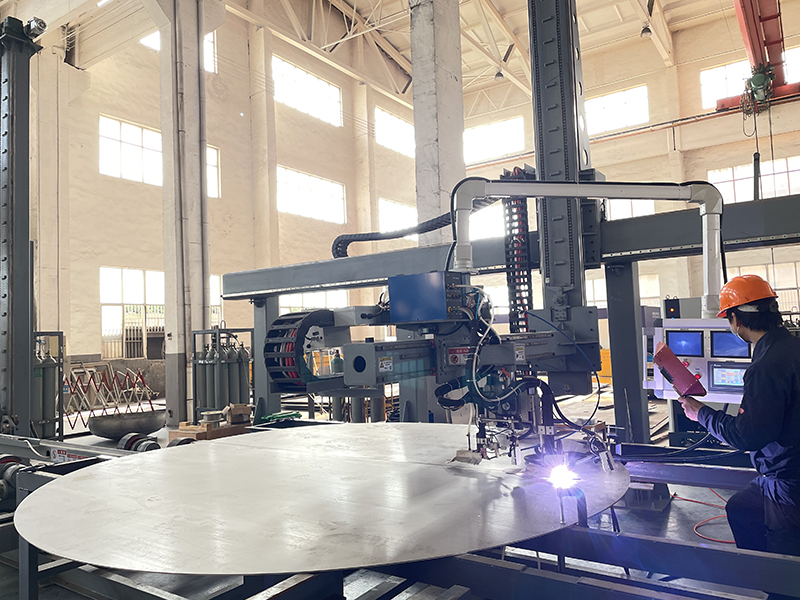
Wuxi Zhanghua Pharm & Chem Equipment Co., Ltd. is a Chinese manufacturer established in 1976 that develops and produces portable nondestructive mechanical properties and residual stress testing devices based on the indentation method and indentation energy difference method. The company offers OEM/ODM production services for its indentation tester product line, with a minimum order quantity of 1 unit, a monthly production capacity of 100 units, and typical lead times of 30 to 120 days. Every unit undergoes 100% testing prior to shipment, ensuring that each device meets specified performance standards before leaving the factory.
Technical Foundation: Indentation Energy Difference Method for In-Situ Evaluation
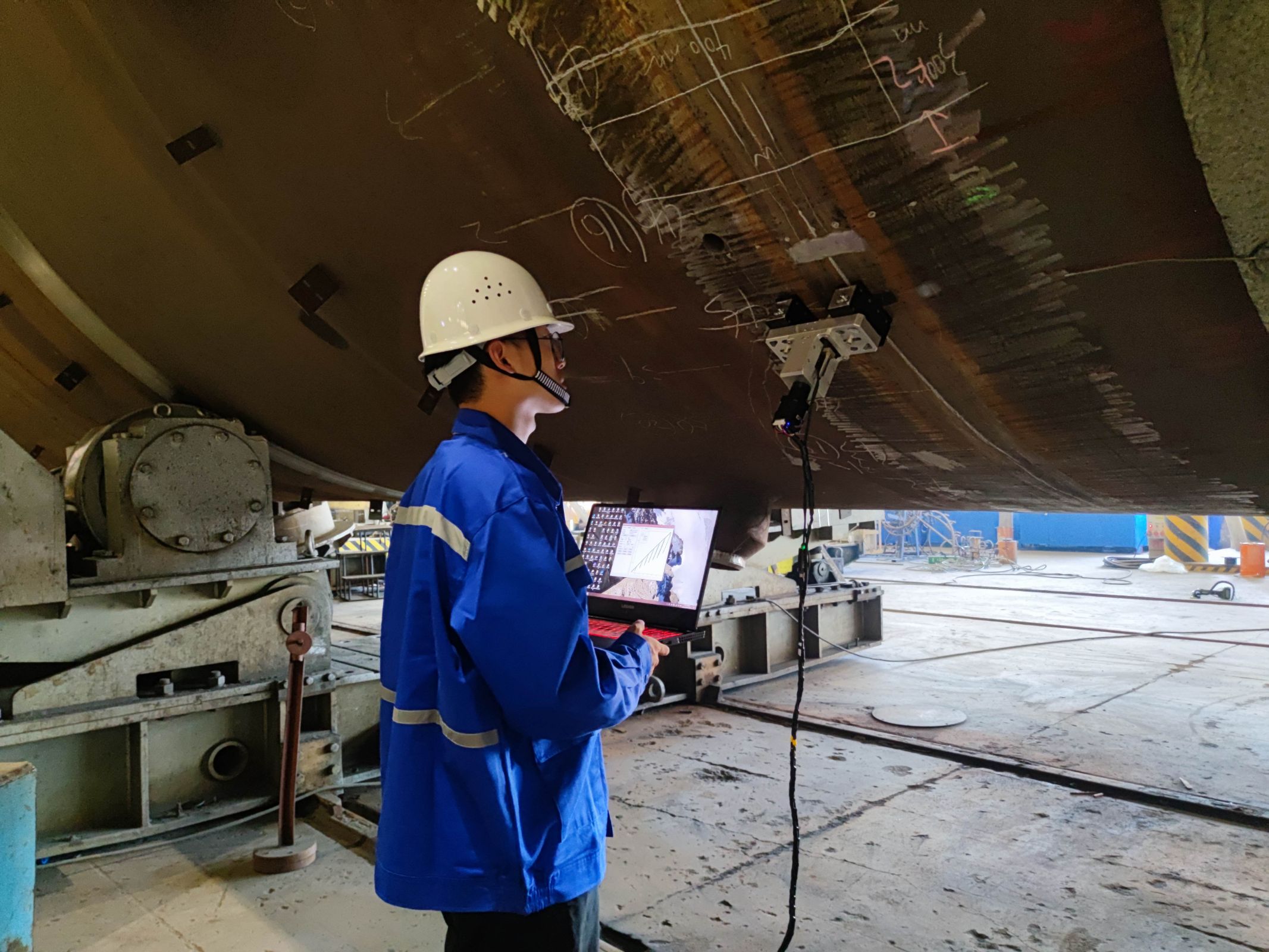
The indentation testers developed by Wuxi Zhanghua operate on a macro-scale indentation principle (indentation depth 60–120 μm) with a maximum load of 1000 N and a loading speed range of 0.01 to 30 mm/min. The technology leverages the Indentation Energy Difference Method to extract mechanical properties such as yield strength, tensile strength, and residual stress from the force-indentation depth curve. This approach allows for minor damage on-site testing without cutting samples or interrupting equipment service. The high data acquisition rate (100 Hz) enables rapid, high-resolution measurement—particularly valuable for screening stress corrosion and evaluating weld integrity in pressure equipment.
Field-Proven Applications Across Industrial Sectors
In China, the product has been deployed by a special inspection institute and a chemical plant client, each operating the equipment for 10 years with stable results. The case study highlights that the indentation tester delivers efficient, fast, and highly accurate results within minutes, specifically solving the challenge of testing special equipment in-service without destructive intervention. These real-world deployments confirm the device's suitability for:
- Petrochemical equipment safety evaluation (PMT-1000 / PMA-1010)
- Over-service pressure vessel inspection
- Pipeline weld residual stress testing
- New energy equipment structural safety assessment
- Stress corrosion screening of critical components
Market Trend Analysis: Shift Toward Portable NDT in Asset Life Extension
The industry is witnessing a clear movement away from destructive hole-drilling methods toward portable indentation testing for life-extension programs of pressure vessels and pipelines. The Asia-Pacific region dominates the instrumented indentation test market with a 38.5% revenue share, followed by North America and Europe. International standards such as ISO 14577, ASTM E2546, and ISO/TS 19096:2023 provide the regulatory backbone for instrumented indentation testing of hardness, mechanical properties, and residual stress. Wuxi Zhanghua's in-house certification portfolio—including PED, ATEX, ASME (U Stamp), CE, and Singapore MOM—offers additional assurance for buyers requiring compliance with multiple regulatory regimes.
Comparison with Traditional Destructive Methods
Compared to conventional methods like tensile sample extraction or hole-drilling for residual stress, portable indentation testing offers significant time savings and eliminates the need to repair cut-out sections. However, it should be noted that the indentation technique evaluates material properties near the surface region (60–120 μm depth) and may not capture through-thickness gradients or internal flaws. For comprehensive integrity assessment, results are often combined with other NDT techniques such as ultrasonic or radiographic testing. This honest limitation underscores the importance of applying indentation testing within its intended scope—surface-level mechanical and stress characterization.
Future Outlook
As in-service safety regulations tighten and the installed base of aging pressure equipment expands, the demand for reliable, portable indentation testers will continue to grow. Manufacturers that invest in standardized quality control, flexible OEM/ODM services, and comprehensive after-sales support will be best positioned to serve the global NDT community. The integration of digital data management and remote diagnostic capabilities will further enhance the value proposition of indentation testers for periodic inspection and fitness-for-service assessments.
Frequently Asked Questions
For detailed technical specifications, certification details, and full product portfolio, download the official brochure: