
How to Specify Core Material for Vacuum Infusion: A Decision Guide for Marine, Wind & Transport OEMs
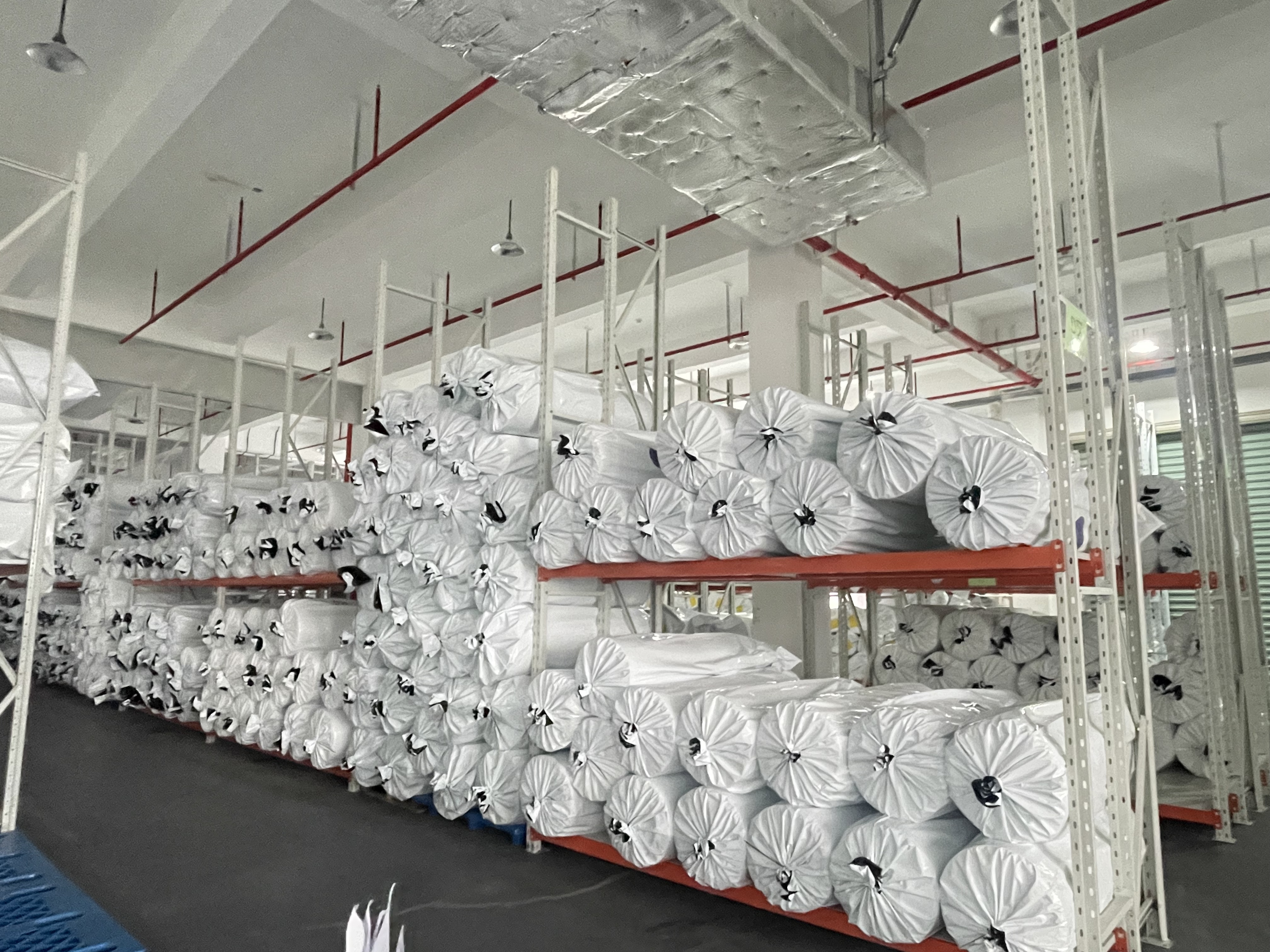
Vacuum infusion is one of the most widely used processes for producing large composite sandwich structures. The choice of core material determines not only weight and stiffness, but also how reliably resin flows through the laminate. For OEMs in marine, wind energy, and transportation, specifying the right core for infusion is a decision that directly affects process stability, cycle time, and long-term structural performance.
Industry Context: Core Material as a Process Decision
For manufacturers evaluating core materials, the technical comparison usually starts with density, thickness, and mechanical properties. In vacuum infusion, however, an equally important factor is how the core interacts with resin flow. Closed-cell foams block resin passage; grooved or perforated surfaces create flow channels; and thin nonwoven mat cores act as internal distribution media. Understanding this interaction is the first step in selecting a reliable material for production.
The global market for composite core materials reflects growing demand across these sectors. The overall core materials market was valued at USD 4.19 billion in 2024 and is projected to reach USD 6.84 billion by 2032, driven by wind energy and aerospace demand. In the marine segment specifically, the structural core materials market reached USD 120.4 million in 2024, with PVC expected to remain the dominant material due to its moisture resistance. These figures indicate that core material selection is not just a design detail — it is a strategic purchasing decision with measurable market impact.
Why Infusion Behavior Matters in Core Material Selection
In vacuum infusion, the laminate is saturated with resin under vacuum pressure. A core material with poor permeability can create dry spots, trapped air, or slow resin flow, resulting in scrapped parts. Engineers therefore evaluate core materials not only for structural properties but also for their flow-enabling characteristics.
This is where thin nonwoven polyester cores and flow-enhancing mat layers have gained attention. These materials function as internal flow media, allowing resin to distribute quickly across large panels. They are positioned between laminate layers to create a micro-channel network that improves wet-out. This approach is especially useful in yacht hulls, wind turbine blades, and large transport panels, where uniform resin distribution is difficult to achieve with conventional foam cores alone.
The Problem: Disconnected Supply Chains for Specialised Core Materials
OEMs and distributors purchasing core materials often face a fragmented sourcing landscape. A boat builder may need a small quantity of a specific flow-enhancing core for one production run, while an RV panel manufacturer needs a completely different product at container volumes. Distributors in Europe may require custom labelling or OEM branding, while aerospace-tier manufacturers demand tight density and temperature specifications. When a single supplier cannot provide both standard foams and specialised infusion mats — or cannot support customisation — the buyer must split the supply chain across multiple vendors.
This fragmentation creates inefficiencies: longer lead times, inconsistent quality standards, and limited access to technical guidance during the evaluation phase.
Evaluating CINON's Core Material Portfolio for OEM & Custom Requirements
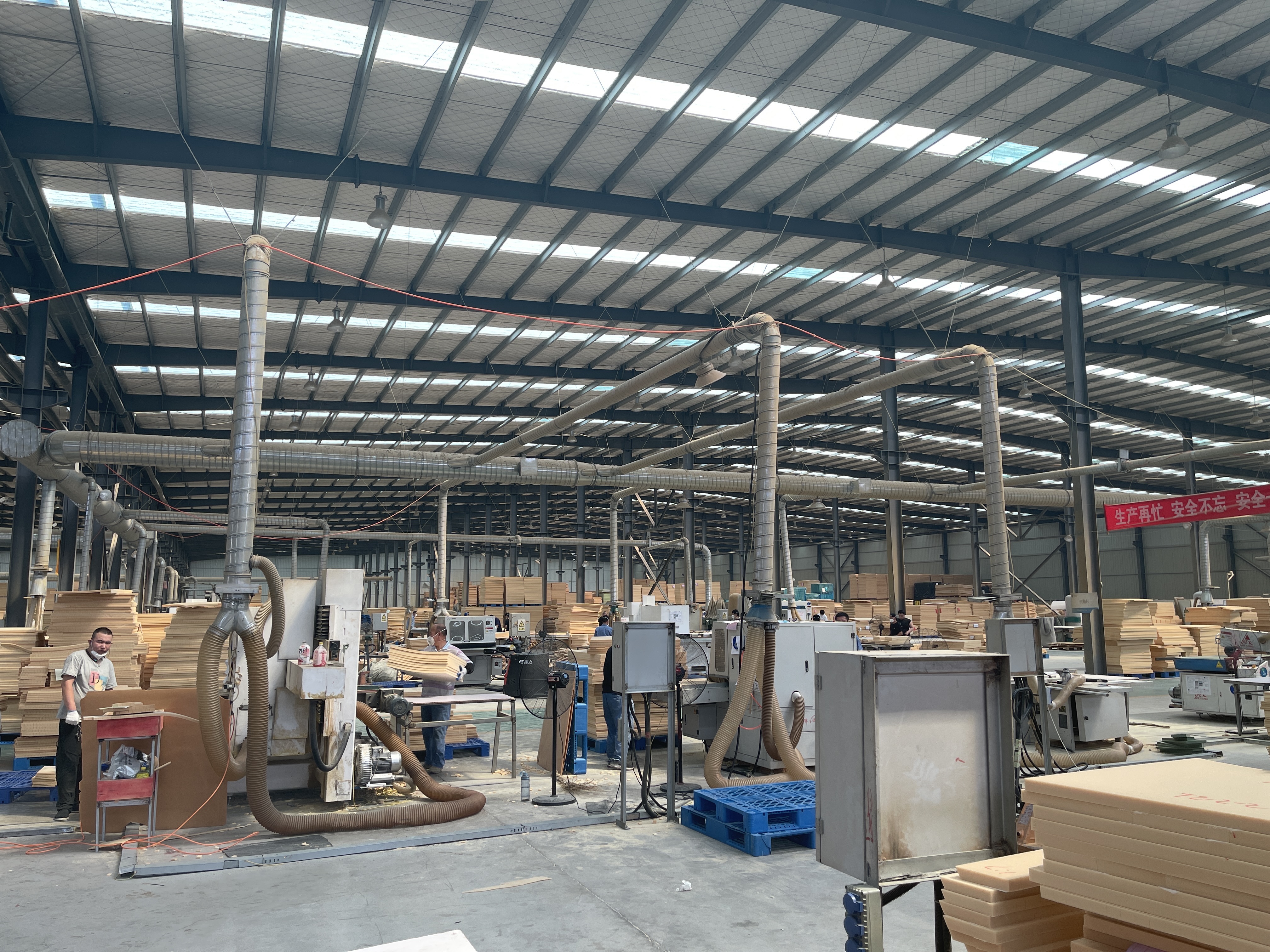
Guangdong Cinon New Material Technology Co., Ltd (CINON Composites) is a Guangzhou-based manufacturer specialising in fiberglass reinforcements and lightweight core materials for marine, transportation, wind energy, industrial, and aerospace composite applications. The company operates a 40,000 m² facility with an annual capacity of 1,200,000 m², and exports 100% of its output to Europe, North America, and Asia-Pacific markets. Its R&D team includes 25 engineers.
CINON's product range spans PET foam core, PVC foam core, PMI foam core, Core Mat, PP honeycomb, and aramid honeycomb, alongside fiberglass fabrics and multiaxial reinforcements. For OEMs and distributors, the relevant capability is not just the product list, but the ability to supply customised solutions under a single quality system.
Core Material Options for Vacuum Infusion: Technical Comparison
The following table compares CINON's core material categories by key infusion-related characteristics and typical applications:
| Core Material | Density Range | Thickness Range | Max. Process Temperature | Infusion Characteristics | Typical Applications |
|---|---|---|---|---|---|
| PVC foam core | 45–300 kg/m³ | 1–80 mm | — | Closed-cell; grooved / perforated / scrim-backed options for resin flow | Marine & yacht building, wind energy, rail vehicles, RV, construction panels |
| PET foam core | 80–320 kg/m³ | — | — | Closed-cell, recyclable, good stiffness-to-weight ratio | Marine, wind, transportation, RV, rail, renewable energy |
| PMI foam core | 40–130 kg/m³ | — | — | High temperature resistance; suitable for prepreg and high-performance infusion | Aerospace, UAV, motorsport, high-performance marine, defense |
| CM core mat (Structural Core Material) | Dry weight 125–360 g/m² | 1.5–6 mm | 175°C | Polyester nonwoven; acts as internal flow media | Marine, transportation, wind energy, RV, infrastructure |
| CT Core Material (Lightweight Infusion Core) | Dry weight 90–160 g/m² | 1.5–3 mm | 180°C | Thin flow core; low dry weight, fast wet-out | Marine, transportation, composite tooling, sports & leisure |
| CS Core Material (General Purpose) | Dry weight 130–170 g/m² | 2–3 mm | 170°C | Polyester nonwoven; economical flow-enhancing core | Marine, wind, RV, general industrial composites |
| CX Core Material (Infusion Core) | Dry weight 120–220 g/m² | 1.5–3 mm | 180°C | Polyester; Soric LRC alternative; internal flow media for infusion | Marine, wind power, automotive & rail, aerospace & UAV, construction |
| Aramid honeycomb core | 32–128 kg/m³ | 2440×1220 mm sheets; cell size 1.83–5.5 mm | -60°C to 180°C | Open-cell structure; not typically used as flow media | Aerospace interiors, helicopter panels, UAV, racing yachts, defense |
| PP honeycomb sheet | 70–80 kg/m³ | 5–100 mm | — | Thermoplastic; low moisture absorption; good impact resistance | RV & caravan, marine, transportation, construction |
For buyers comparing thin core materials, the distinction between CM, CT, CS, and CX lines lies in thickness, dry weight, and processing temperature. All are polyester nonwoven products designed for infusion, but they differ in roll lengths, weight, and max process temperature — factors that affect logistics cost and process compatibility.
Customisation and OEM Capability as a Supplier Benchmark
For an Evaluation-to-Execution stage buyer, the supplier's ability to customise is often as important as the product specification. CINON provides ODM production services and customisation for core materials and fiberglass fabric. In documented distributor cases, customisation has included OEM label and logo services. For marine and yacht builders in Australia, the supply covered container quantities of materials and tools for boat building. A sports equipment manufacturer in Thailand ordered container volumes of PVC foam and fiberglass for surfboard production. A US RV manufacturer received 5 pallets of structural reinforcements for FRP panels. These examples show that CINON's production planning accommodates a wide scale of orders — from pallet-level evaluation batches to container-scale series supply.
Production Capacity and Order Terms
From a procurement standpoint, the relevant numbers are: monthly capacity of 100,000 m², standard lead time of 15–30 days, and an MOQ of 1,000 m² for core materials. The company also lists a lower MOQ of 100 m² for fiberglass fabric. Delivery terms include FOB, CIF, and EXW. Invoices are managed with 30% deposit and 70% balance before shipment, with pre-shipment testing and quality test reports provided. These terms matter for buyers who need to plan production around material arrival.
For distributors, the after-sales framework includes material selection support, composite process optimisation, vacuum infusion guidance, alternative material recommendations, sample evaluation, quality traceability, and logistics coordination — accessible via email, WhatsApp, online meetings, and technical documentation.
Documented Applications Across Industries
The following application cases from CINON's reference base illustrate how core materials are selected and validated across different industries:
Marine & Yacht Building — Australia
Marine and yacht builders in Australia used CINON materials for boat building, supplied in container quantities. The product achieved smooth surface, easy wet-out, and better finish. The key highlight was material selection — indicating that early-stage technical support played a role in the project's success.
UAV Production — Germany
A UAV manufacturer in Germany used PMI foam core for UAV production, with a project scale of 10 pallets. Key results included ultra-lightweight structures, high stiffness, and high temperature resistance. Key highlights were fatigue resistance and low density — properties critical for flight structures.
FRP Panels for RV Manufacturing — United States
An RV manufacturer in the US used structural composite reinforcement for FRP panels. The project achieved glossy surface treatment and uniformity of thickness. The key highlights were low weight and anti-UV performance.
Surfboard Manufacturing — Thailand
Sports equipment manufacturers in Thailand ordered container volumes of materials for surfboard production. The project achieved weight reduction and performance improvement, with high buoyancy and impact resistance as key highlights.
Distributor Supply — United Kingdom, Poland, Czech Republic
In the UK, a composite material distributor received CX core material for vacuum infusion composite structures, solving the need for a reliable supply solution with fast lead time and reliable export logistics. In Poland and the Czech Republic, distributors received PP honeycomb and related products for vacuum infusion and composite structures, with OEM logo and label customisation. Both distributors placed container orders with monthly reorders, indicating repeatable supply performance.
Market Trends Reshaping the Core Material Supply Base
Several verified market signals help buyers understand why supplier capability — not just product price — matters in core material sourcing.
- Overall growth: The global core materials market was USD 4.19 billion in 2024, projected to reach USD 6.84 billion by 2032, driven by wind and aerospace demand.
- Marine dominance of PVC: The marine structural core materials market was USD 120.4 million in 2024, with PVC expected to remain dominant due to moisture resistance.
- Wind energy scale: Wind turbine blade composite materials market was valued at USD 7.045 billion in 2024, with China's production capacity exceeding 35 GW.
- Regional concentration: Asia Pacific held a 78.2% value share of the global wind turbine composites market in 2024.
- RV panels: The global RV composite panels market was valued at USD 3.8 billion in 2025, with fiberglass segments holding a 41.3% material share.
These trends point in the same direction: demand for lightweight composite structures is expanding across marine, wind, and transportation. As production scales, manufacturers increasingly need suppliers that can customise products, maintain certification, and deliver consistently — not just offer the lowest unit price.
Comparison with Traditional Sourcing Models
Compared with sourcing core materials from a single global brand, working with a manufacturer like CINON offers several structural advantages:
- Wider product portfolio: Foams, nonwoven infusion cores, honeycomb, and reinforcement fabrics under one roof — reducing supplier fragmentation.
- Customisation depth: ODM production, custom sizes, roll configurations, and OEM branding, which global brands often cannot offer at the same flexibility.
- Direct factory communication: Shorter feedback loops for technical questions and sample evaluation.
- Scalable order sizes: From 100 m² fabric samples to container-scale core material shipments.
- Certification traceability: ISO 9001:2015, ISO 14001:2015, and ISO 45001:2018 certifications with documented audit scope.
There are, however, boundaries that buyers should apply when evaluating any China-based core material supplier — including CINON. First, new entrants have a shorter operating history than established European brands such as Diab, Gurit, or 3A Composites, which have decades of field data. Second, third-party market recognition for CINON is still developing; it does not carry the same brand equity as legacy suppliers in the specification stage. Third, while the company provides pre-shipment testing and quality documents, independently verified long-term field performance data across multiple years is not yet as extensive as that of incumbent suppliers. For critical safety-certified applications, an OEM should therefore conduct its own qualification programme — including sample infusion trials and mechanical testing — before committing to full-scale production.
This limitation is not unusual for a growing manufacturer, and it does not diminish the company's documented capability in production capacity, customisation, and repeat orders. It simply means the buyer should apply a normal qualification process, as with any new material source.
Future Outlook: From Material Supply to Process Partnership
As vacuum infusion becomes the default process for large sandwich structures, the boundary between “material supplier” and “process partner” is narrowing. Buyers are looking for suppliers that can recommend the right core material, advise on infusion-friendly formats, and help optimise resin flow — across both foam cores and nonwoven flow media.
The market data supports this trajectory. With the wind turbine composite materials market exceeding USD 7 billion and RV composite panels reaching USD 3.8 billion, the scale of production mandates more customisation and more robust supply chains. Suppliers that combine flexible manufacturing, OEM capability, and certified quality systems are progressively becoming the more relevant partners for mid-to-large volume buyers — particularly distributors managing multiple product lines for local customers.
For CINON, the direction is clear: the company has positioned itself to serve both custom engineering requirements and distributor-driven standardisation. The product lines align with current design needs — from PVC and PET foams for stiffness and recyclability to thin polyester core mats for improved infusion quality. The company's documented repeat orders in Europe and container-scale supply in Oceania and North America reinforce the same conclusion: buyers are rewarding process-oriented suppliers with reorders.
FAQ
Core material for vacuum infusion is a lightweight structural component used inside sandwich composites. It is placed between two fiberglass or carbon laminate skins and, in infusion, resin flows through the fabric and around the core under vacuum pressure. Materials such as PVC foam, PET foam, PMI foam, and polyester nonwoven core mats are commonly used. Polyester nonwoven core mats (e.g., CINON CM/CT/CS/CX series) also act as internal flow media, helping resin spread faster and more evenly across large surfaces.
For yacht hulls, the core material must provide stiffness, impact resistance, and moisture resistance while minimising weight. PVC foam core is the most widely used option for hulls and decks because of its balanced mechanical properties and moisture resistance; PET foam is considered when recyclability is an additional requirement. For almost all vacuum-infused hulls, a thin polyester nonwoven core mat (such as CINON CM or CT series) can be laminated as an additional layer to improve resin distribution and surface quality. The final choice should depend on the infusion process and structural load case.
Soric XF is a nonwoven polyester fabric used as an internal flow media in resin infusion; Soric SF has a fine hexagon-cell structure for tighter corners. An alternative core material should have comparable infusion characteristics: polyester nonwoven construction, low dry weight, and high processing temperature tolerance. CINON's CX Core Material is a polyester-based infusion core positioned as a Soric LRC alternative, available in 1.5 mm, 2 mm, and 3 mm thicknesses, with a maximum process temperature of 180°C. Evaluation for compatibility should include a wet-out test and a comparison of mechanical properties against the baseline.
PET foam is a recyclable polyethylene terephthalate foam used in lightweight structural applications; CINON offers densities from 80 to 320 kg/m³. PVC foam is a crosslinked polyvinyl chloride foam, widely used due to its moisture resistance and balanced stiffness; CINON offers densities from 45 to 300 kg/m³ and thicknesses from 1 to 80 mm. In marine and wind applications, PVC has historically been the dominant choice, while PET is increasingly selected when sustainability targets are important. The choice depends on mechanical requirements, processing method, and recyclability goals.
Yes. CINON provides ODM production services and customisation for core materials and fiberglass fabric. Documented cases include OEM logo and label customisation for distributors in Poland and the Czech Republic. The company's production supports order sizes from sample evaluation and 5-pallet shipments to container-scale monthly reorders. Customisation covers product format, label, and related packaging specifications, subject to MOQ and lead-time constraints.
For composite material suppliers, relevant certifications include ISO 9001:2015 for quality management, ISO 14001:2015 for environmental management, and ISO 45001:2018 for occupational health and safety. CINON holds all three certifications. The ISO 9001:2015 certificate (cert. no. 51326Q04922R053) covers sales of high-performance fibers and composite materials. Buyers should always verify that the certification scope matches the product supplied.