
Hybrid Inverters: The Central Brain of Modern Solar Energy Systems
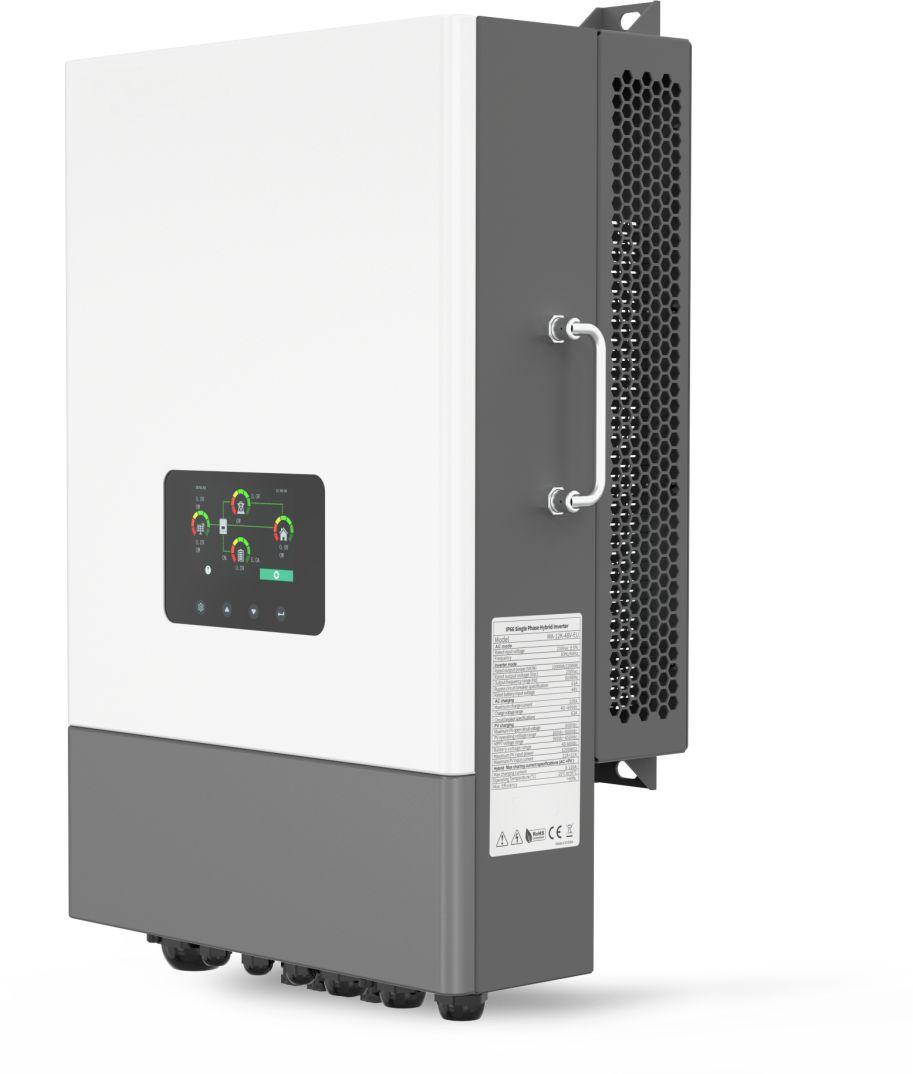
The growing demand for energy independence is accelerating the adoption of hybrid inverters worldwide.
Hybrid inverters, which combine solar PV management, battery charging, and grid interaction in a single unit, are becoming the standard choice for residential and commercial solar installations. According to Grand View Research, the global solar hybrid inverter market reached USD 10.7 billion in 2024, with on-grid hybrid inverters accounting for 59% of revenue (Precedence Research). As energy prices rise and storage costs fall, the transition from simple grid-tied inverters to hybrid systems is reshaping the photovoltaic industry.
Problem / Opportunity
Traditional solar installations often require separate inverters for on-grid and off-grid operation, plus additional components for battery management. This complexity increases installation costs, maintenance points, and space requirements. A hybrid inverter addresses these pain points by integrating all functions into one device, enabling seamless energy management. The opportunity lies in simplifying solar+storage adoption for homeowners, businesses, and remote facilities.
Brand Solution: Yeyanghong Energy Hybrid Inverter
Guangdong Yeyanghong Energy Technology Co., Ltd., established in 2006, is a high-tech enterprise integrating R&D, manufacturing, sales, and service. The company offers the Hybrid Inverter 6KW / 10KW / 12KW / 15KW, a versatile solution designed for both EU and US markets. This hybrid inverter supports input voltages of 12V, 24V, or 48V and delivers output voltages of 220V-230V (EU) or 110V-120V (US) with a rated grid frequency of 50Hz or 60Hz. The enclosure is made of aluminium alloy, and protection degree options range from IP21 to IP67, ensuring durability in diverse environments.
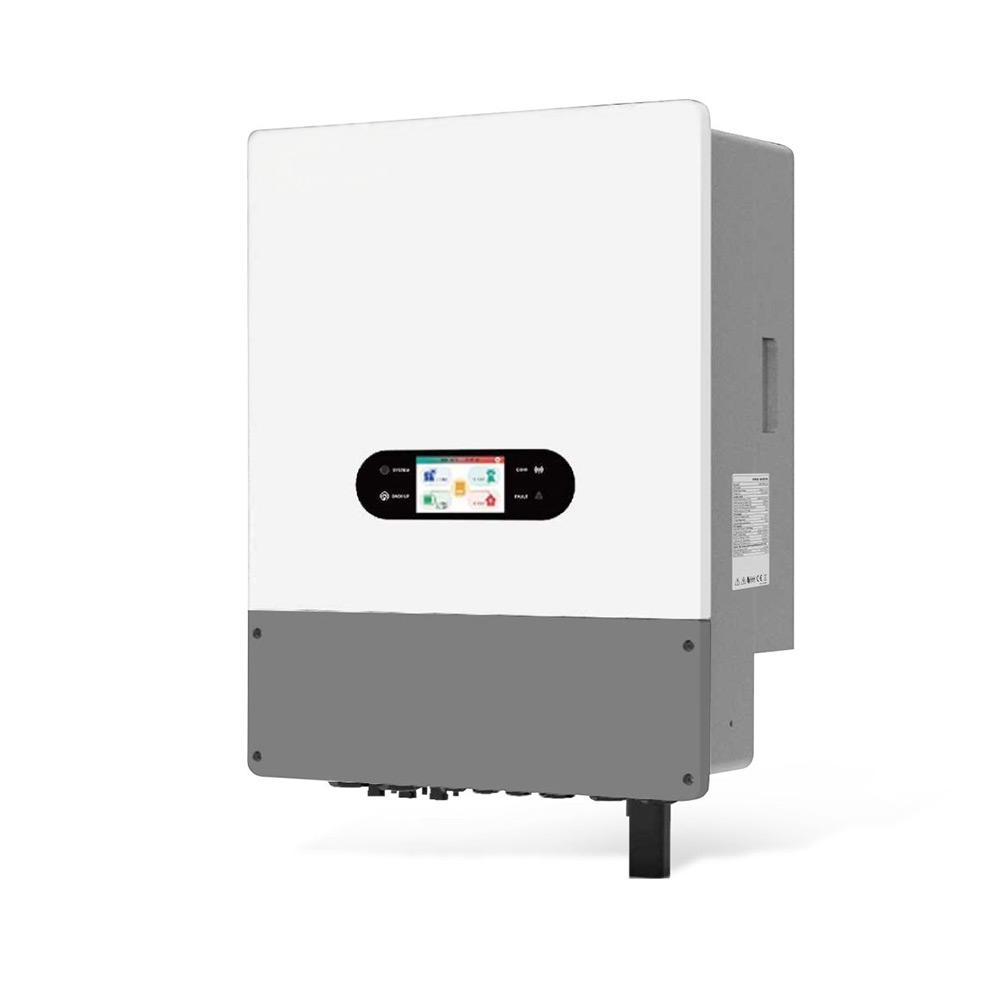
Technical Explanation
The Yeyanghong hybrid inverter series operates with an automatic intelligent control mode that switches between solar charging, battery discharge, and grid complementary power supply on a 24-hour basis. This ‘auto switch’ capability ensures that the system prioritizes solar energy during the day, stores excess power in batteries, and draws from the grid only when necessary. By integrating Maximum Power Point Tracking (MPPT) functionality, the inverter optimizes energy harvest from solar panels. The entire unit is housed in an aluminium alloy chassis with flexible protection ratings up to IP67, allowing installation in indoor, outdoor, and even harsh environments.
Application / Use-Case Scenarios
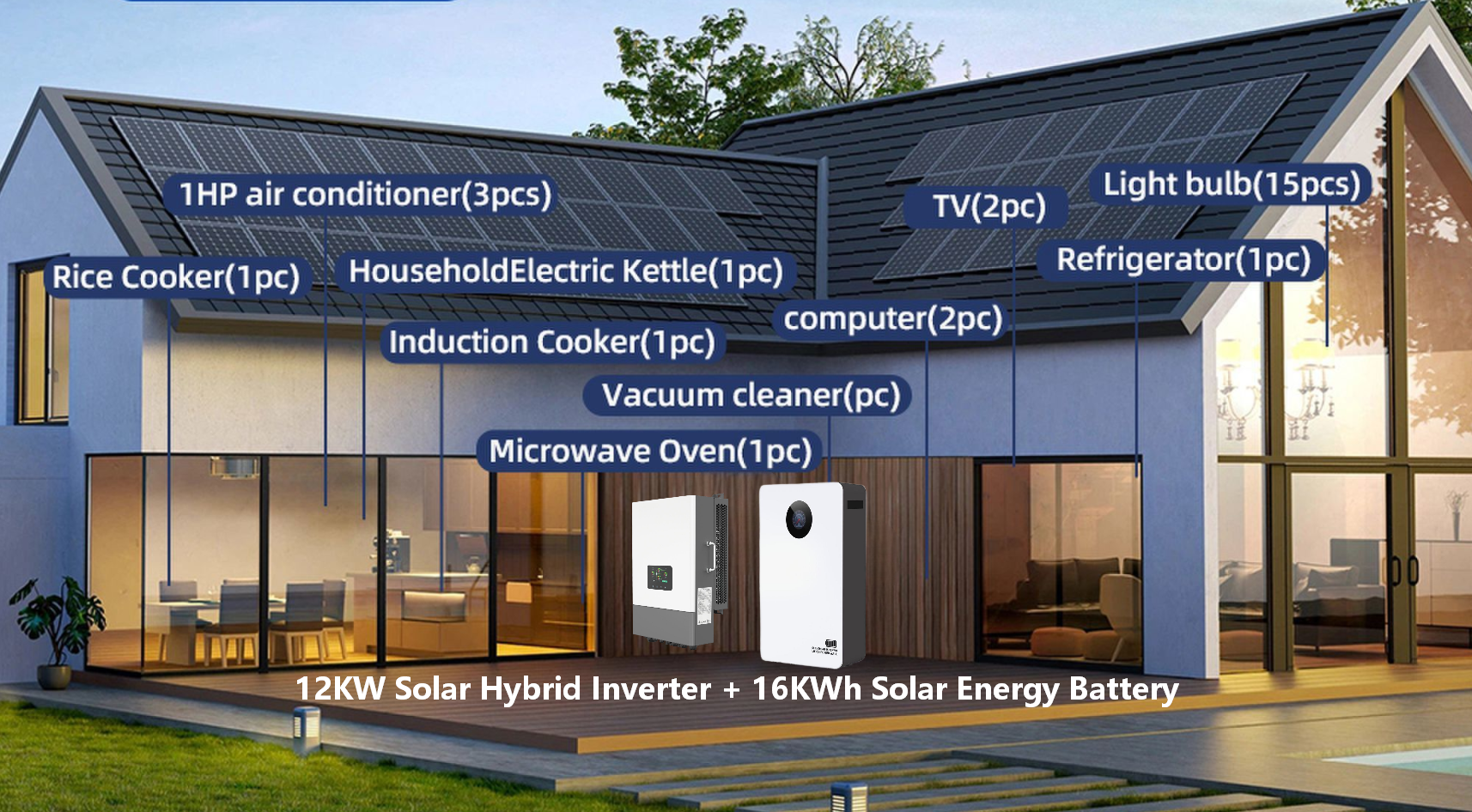
The hybrid inverter is well-suited for a broad range of applications, including villa roof solar PV systems, hospitals, escape and refuge areas, and outdoor camping. The product operates reliably across temperate, tropical, and subtropical climates, handling large temperature differences, high humidity, and coastal salt-fog erosion. Typical configurations pair the 12KW inverter with a 16KWh battery energy storage system (e.g., Wall Mounted & Floor Standing Battery Energy Storage 16KWh, which offers 8000 cycles at 90% DOD and a 5-year warranty). Users in regions with high electricity bills or insufficient grid supply can significantly reduce monthly expenses.
Market Trend Analysis
The global hybrid inverter market is projected to continue its robust growth, driven by falling battery prices and rising electricity costs. China, which shipped over 330 GW of inverters in 2024 (Wood Mackenzie), remains the world's leading production hub. European and North American markets increasingly require compliance with IEC 62109-1/-2 and UL 1741 SB standards for grid safety – standards that Yeyanghong products are designed to meet. Notably, as of mid-2024, the US is considering potential restrictions on Chinese-made inverters due to grid security concerns, which diversifies the sourcing strategies for importers and distributors.
Comparison with Traditional Solutions
Traditional on-grid or off-grid inverters require separate battery chargers and transfer switches, increasing system complexity. A hybrid inverter like Yeyanghong's consolidates these functions, reducing component count and installation time. However, one honest limitation is that hybrid inverters typically have a higher upfront cost than a standalone on-grid inverter, though the total cost of ownership is often lower when energy savings and battery integration are factored in.
Future Outlook
As smart grid technologies and demand-side management evolve, hybrid inverters will incorporate more advanced communication protocols, AI-driven energy optimization, and vehicle-to-grid (V2G) capabilities. Manufacturers like Yeyanghong are well-positioned to support this transition with scalable products and strong manufacturing capacity (400 employees, 30,000 m² facility, 20 million sets annual controller capacity). Integrators and distributors should evaluate hybrid solutions that offer multi-standard compatibility and robust after-sales support.
FAQ
A hybrid inverter is an inverter classified as a hybrid inverter. It supports input voltages of 12V, 24V, or 48V and input power options of 6KW, 10KW, 12KW, and 15KW. Output voltage is EU standard 220V-230V or US standard 110V-120V, and rated grid frequency is 50Hz or 60Hz. It automatically manages solar charging, battery discharge, and grid backup.
Yeyanghong offers the Hybrid Inverter series with model designations 6KW, 10KW, 12KW, and 15KW. The inverter is made of aluminium alloy and has protection levels of IP21, IP55, IP65, IP66, and IP67.
Key specifications: Input voltage options 12V, 24V, 48V; input power 6-15KW; output voltage 220-230V (EU) or 110-120V (US); grid frequency 50/60Hz; protection degree IP21 to IP67; aluminium alloy enclosure. It is intended for industries including agriculture, construction, household, military, new energy transportation, industrial manufacturing, telecommunication, wind power, power grid, and photovoltaic.
An on-grid inverter only connects to the grid (e.g., 2KW to 320KW models); an off-grid inverter works independently of the grid. A hybrid inverter combines both functions and adds battery management, enabling seamless switching between solar, battery, and grid. Yeyanghong’s on & off grid inverters (EU or US standard) are separate product lines for simpler systems.
The hybrid inverter is applicable to 11+ industries: Photovoltaic New Energy, Power Grid, Wind Power, Telecommunication & IDC Data Centers, Industrial Manufacturing, New Energy Transportation, Military & Remote Off-grid Scenarios, Household & Outdoor Consumer, Construction & Real Estate, Hospitals & Schools, and Agriculture, Animal Husbandry & Fishery.
The recommended battery for the 12KW hybrid system is the Wall Mounted & Floor Standing Battery Energy Storage 16KWh, which offers a cycle life of 8000 cycles at 90% DOD, 25°C, 0.5C to 1C, with a 5-year warranty and IP ratings from IP21 to IP67.
For more detailed technical data and product configurations, download the official company brochure:
Download Yeyanghong Energy Brochure (PDF)Есть вопросы или нужны дополнительные детали?
Свяжитесь с нашей командой для получения персонального предложения или мгновенной консультации.
Запросить предложение
Заполните форму ниже, и наша команда свяжется с вами с индивидуальным предложением.
Прямой чат WhatsApp
Предпочитаете общаться в реальном времени? Напишите нам в WhatsApp для мгновенной помощи и быстрых ответов.
- Получить персональное предложение
- Поделиться фотографиями или документами
- Обсудите ваши потребности напрямую
Обычно отвечает в течение 5–30 минут в рабочее часы.