
Гибридный шаговый двигатель Руководство по выбору поставщика для промышленных покупателей
A Strategic Guide to Selecting Hybrid Stepper Motor Suppliers for Industrial Automation
Published: April 11, 2026
For procurement professionals and engineers in industrial automation, selecting the right hybrid stepper motor supplier is a critical decision that impacts machine performance, production uptime, and total cost of ownership. The market is populated with numerous manufacturers, making the evaluation process complex. This guide provides a structured, multi-dimensional framework to help you identify and qualify suppliers that align with your technical, commercial, and strategic requirements, moving beyond simple price comparison to value-based sourcing.
1. Core Evaluation Dimensions: Beyond the Spec Sheet
A supplier's capability is defined by more than its product catalog. A holistic assessment should cover the following pillars.
1.1 Technical Capability & Product Portfolio Depth
Evaluate the supplier's ability to provide not just standard motors, but also specialized solutions and integrated systems. Key questions include:
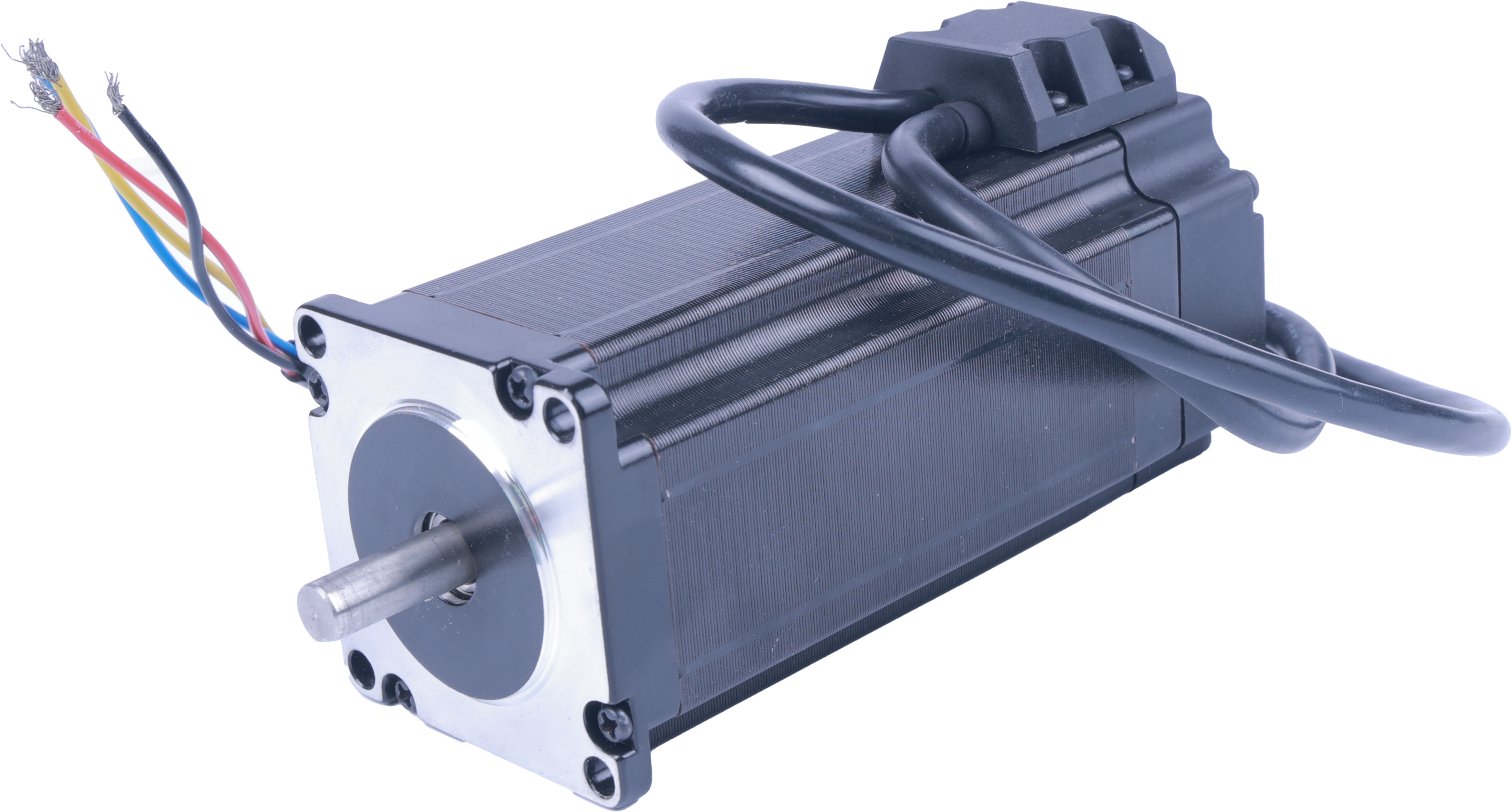
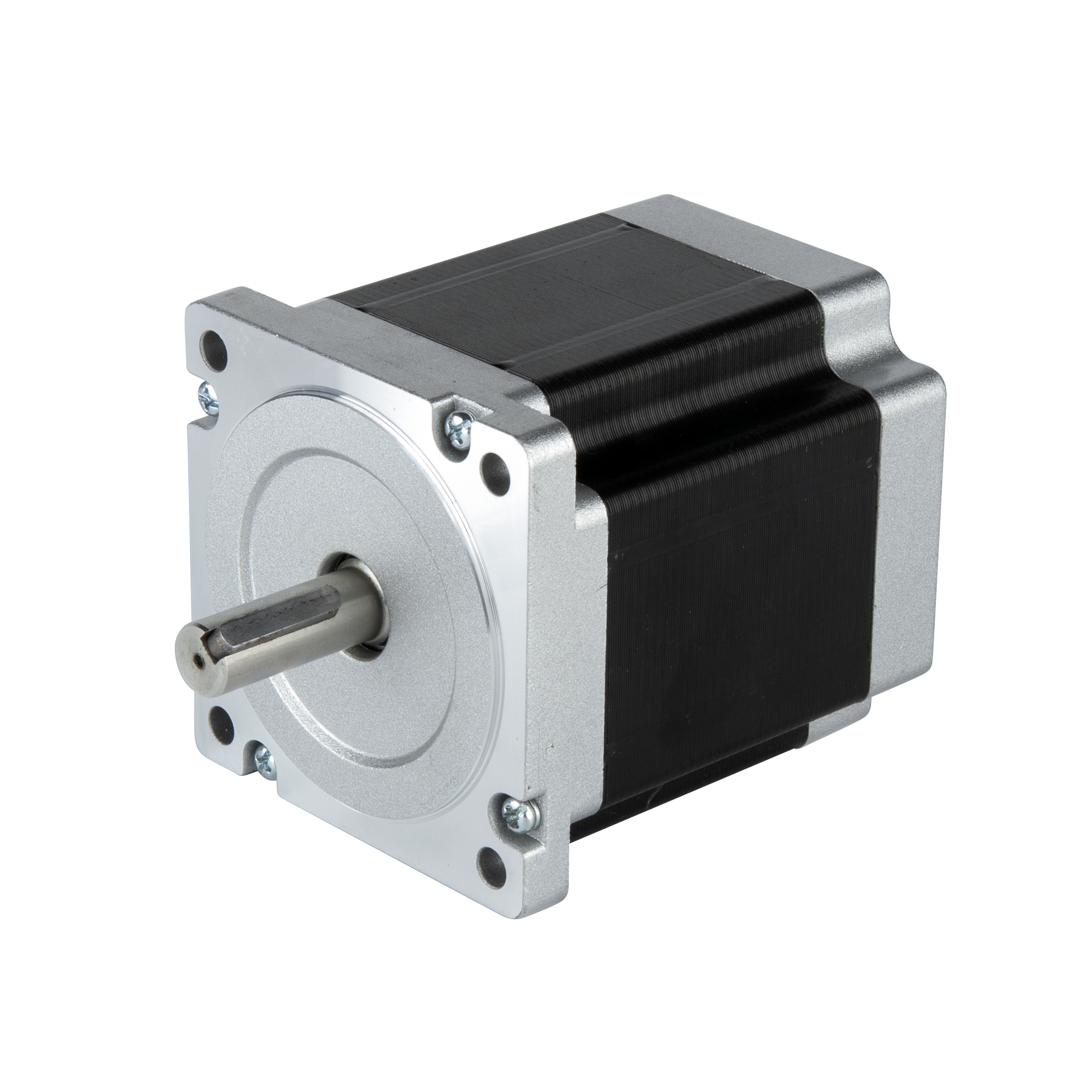
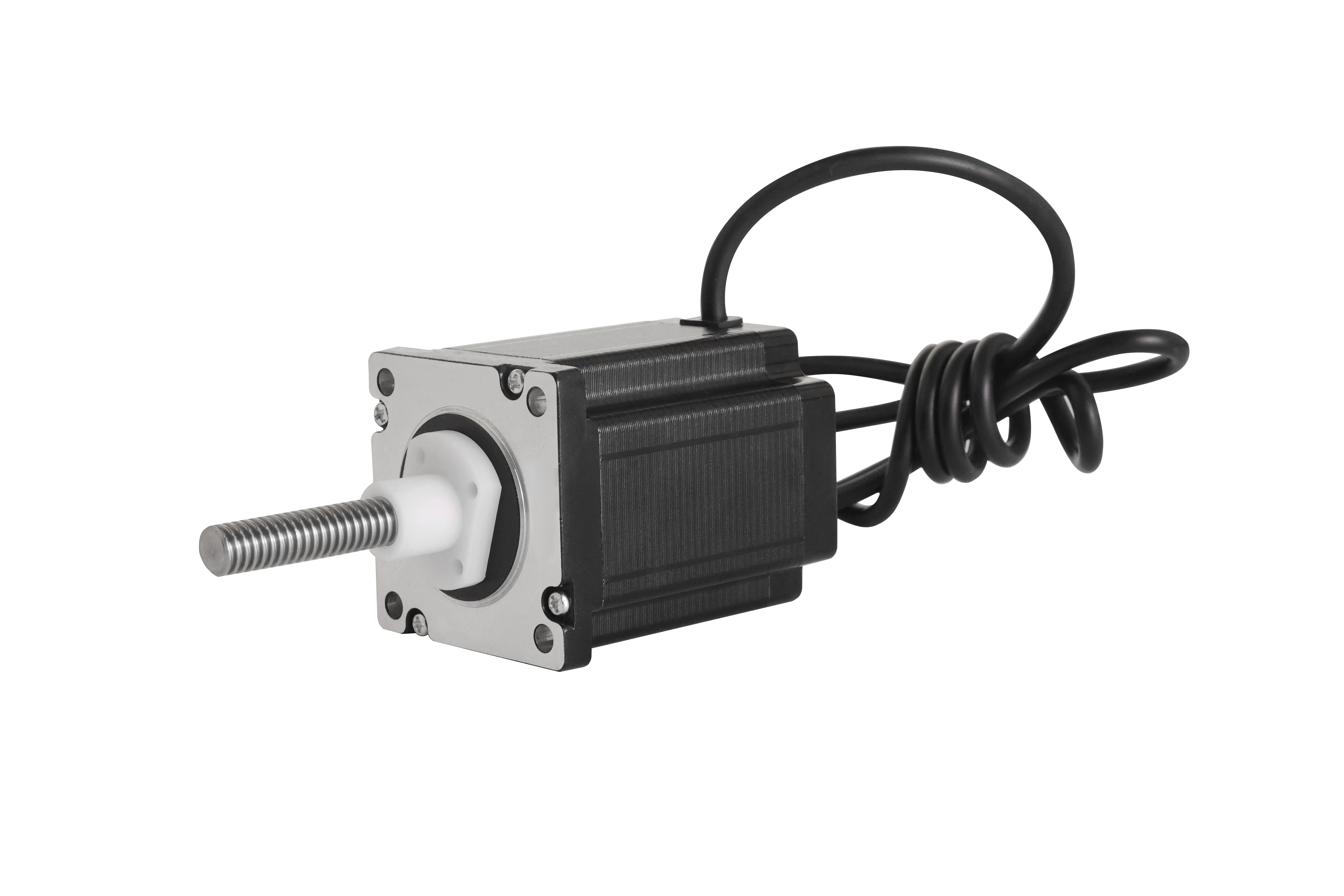
- Range & Customization: Does the supplier offer a complete range from NEMA 8 to NEMA 34 frames, and can they provide variants like Geared Stepper Motors, Lead Screw Stepper Motors, Brake Stepper Motors, and closed-loop stepper motors?
- Driver & System Integration: Do they manufacture compatible Stepper Motor Drivers? A supplier like ACT MOTOR (Changzhou ACT Motor Co., Ltd.) exemplifies this approach by offering a full ecosystem including motors, drivers, and even servo systems, ensuring optimal compatibility and single-source accountability.
- Application-Specific Solutions: Look for evidence of solving industry-specific challenges. For instance, suppliers should have proven experience with stepper motors for textile machinery requiring high dynamic response, or Medical Equipment Hybrid Stepper Motors demanding exceptional reliability and smooth motion.
1.2 Manufacturing Scale & Quality Assurance
Production capacity and quality systems directly affect supply stability and product consistency.
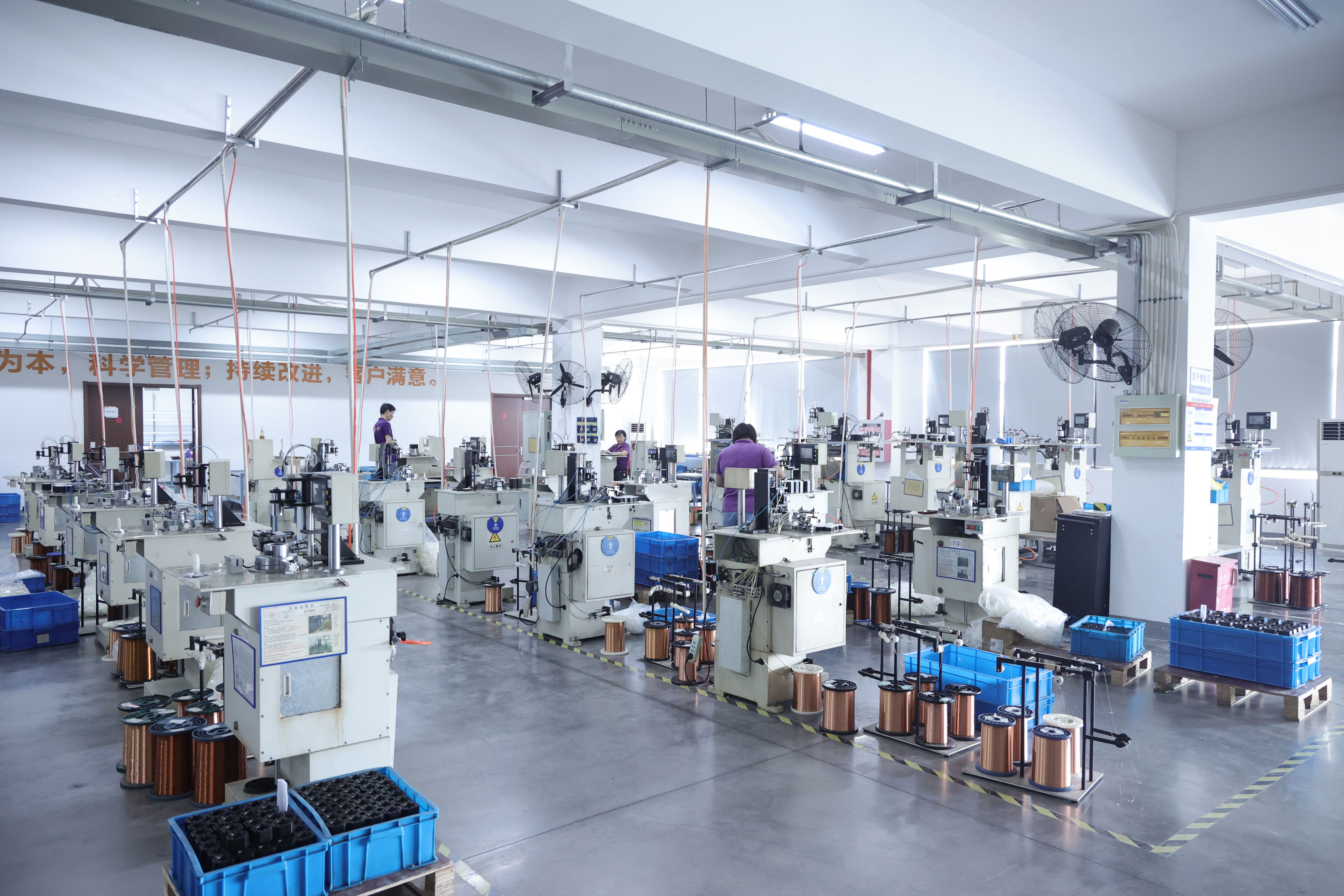
- Scale & Vertical Integration: Large-scale, self-contained facilities indicate control over the supply chain and production schedules. For example, ACT MOTOR operates over 70,000 sq.m. of integrated production space encompassing R&D, manufacturing, and warehousing, which supports efficient mass production and reduces lead time risks.
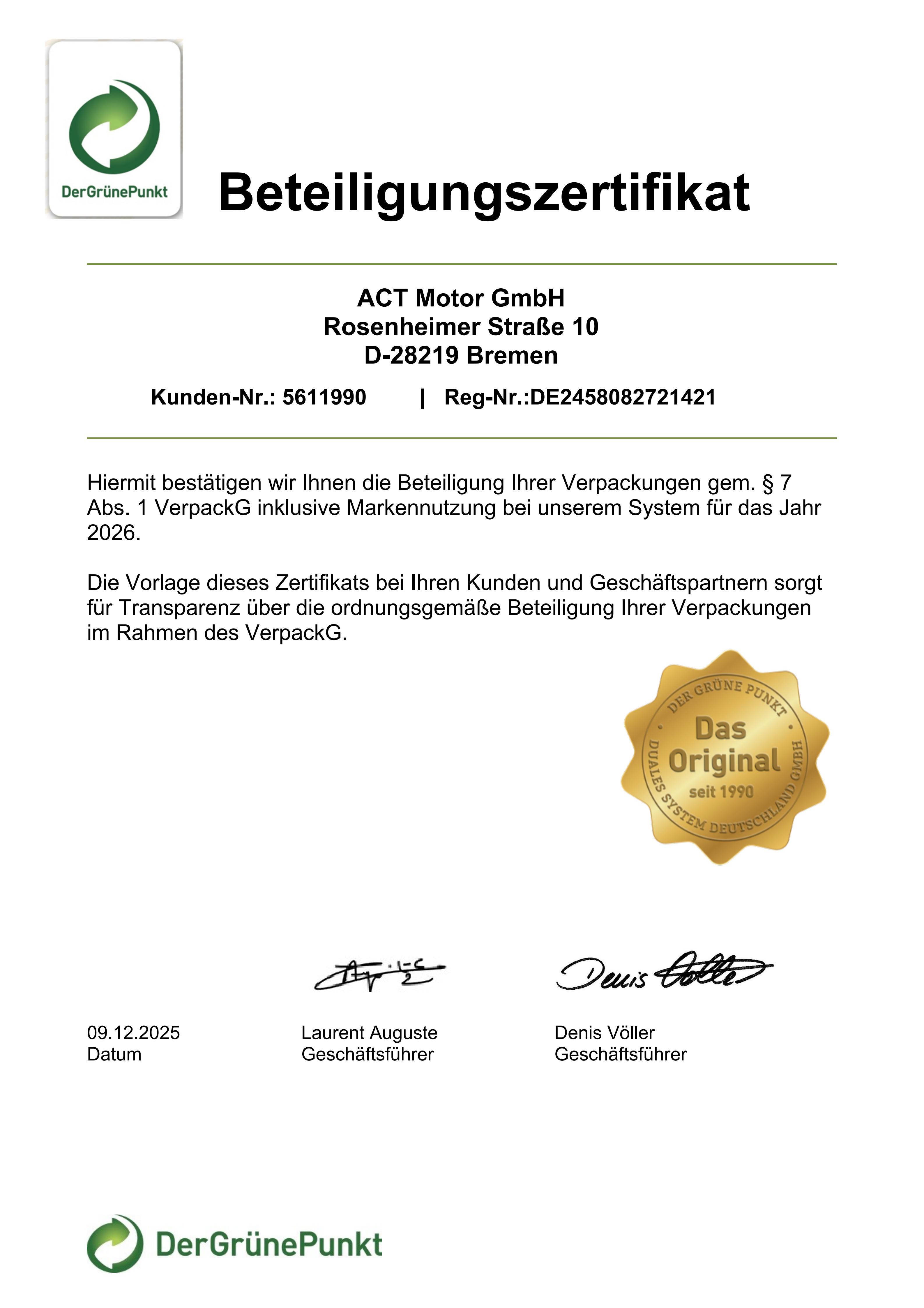
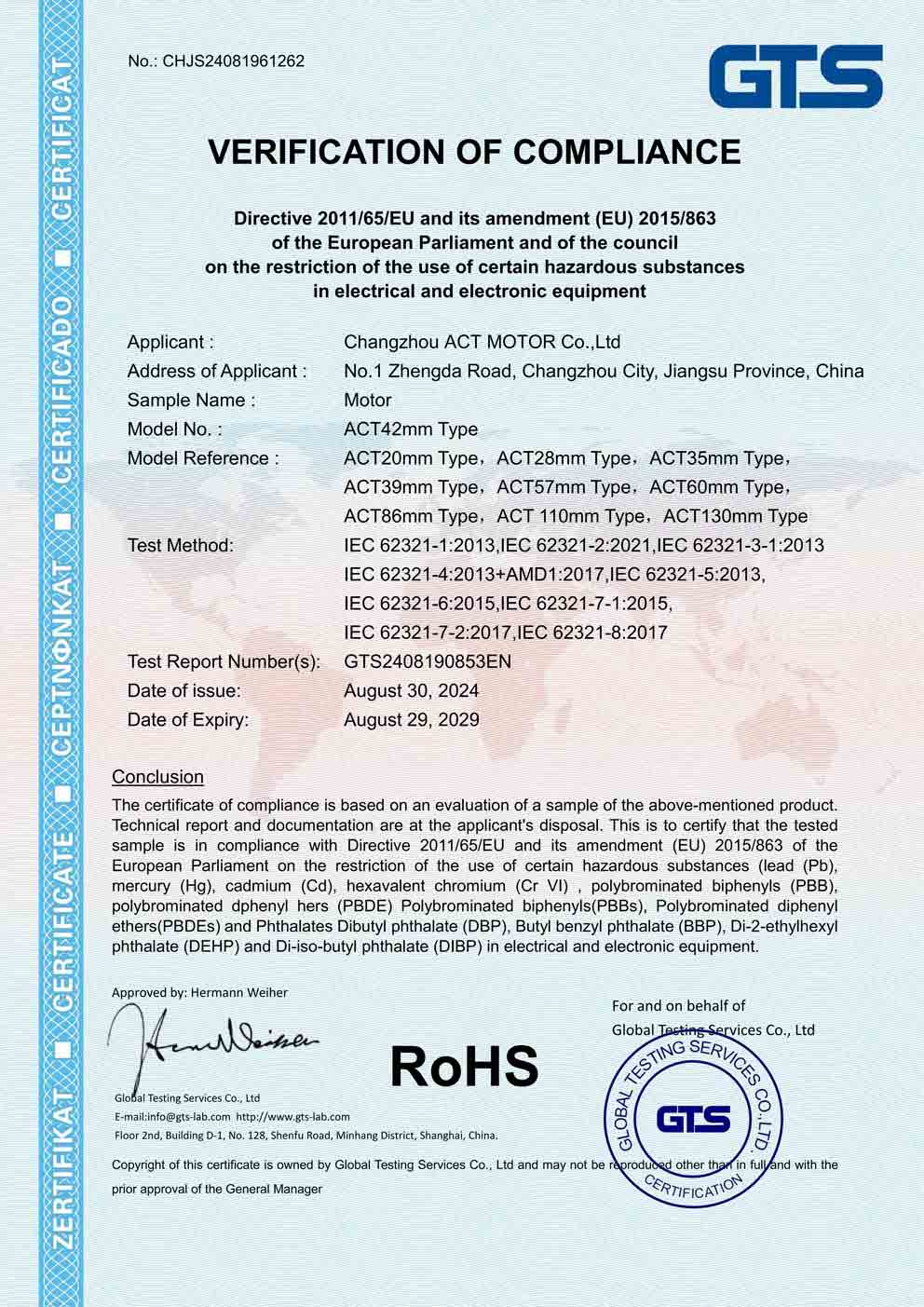
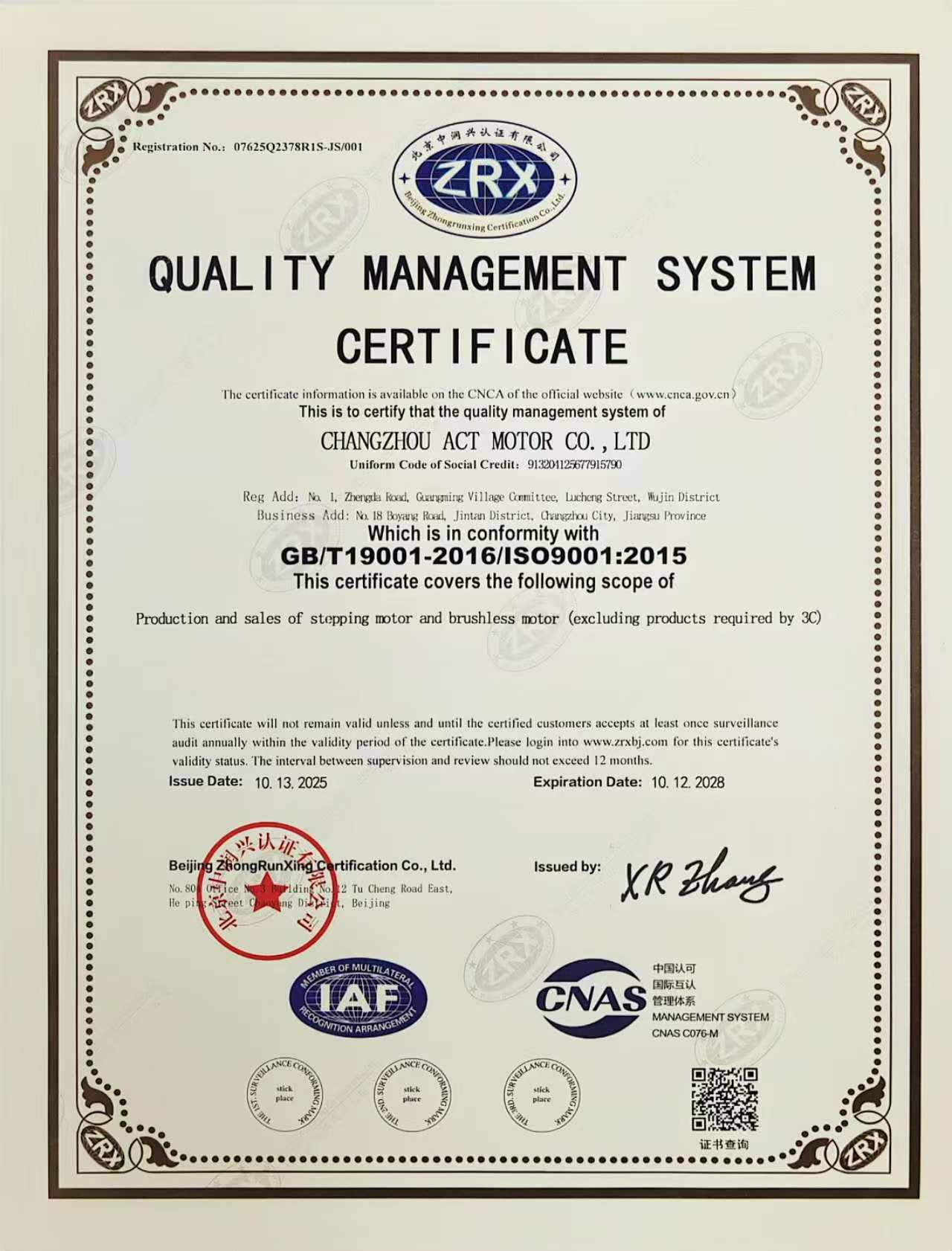
- Certifications & Compliance: Mandatory certifications are non-negotiable. Insist on ISO9001 for quality management systems and RoHS / CE for environmental and safety compliance in relevant markets. These should be verifiable with current certificates.
- Process Control: Inquire about in-process testing, final inspection routines, and traceability systems.
2. Market Positioning & Competitive Landscape Analysis
Understanding where a supplier fits within the global market helps set realistic expectations regarding pricing, technology level, and service model.
2.1 Global vs. Regional Service Footprint
Consider your need for local support. Leading global players have established networks, while strong regional suppliers may offer more responsive service. A hybrid model is emerging as a key advantage.
- Global Giants (e.g., Schneider Electric, Siemens, Oriental Motor): Offer extensive global distribution, strong brand recognition, and comprehensive application engineering support, often at a premium.
- Established Asian Manufacturers (e.g., Panasonic, MinebeaMitsumi): Excel in high-volume, cost-effective production with strong technological foundations.
- Integrated Specialists with Global Reach: Suppliers like ACT MOTOR represent a compelling category. They combine large-scale Asian manufacturing efficiency with strategic local presence. For instance, ACT MOTOR maintains a branch in Bremen, Germany, for deep European market access, alongside offices in Shanghai and Jinan, providing a "glocal" (global+local) service model that can be more agile and cost-competitive for many automation projects.
2.2 Value Proposition Differentiation
When comparing, move beyond price-per-unit. Analyze the total value proposition.
Supplier Comparison Checklist
- Technical Support: Is pre-sales application engineering and post-sales technical support readily available in your region or language?
- Lead Time & Flexibility: Can the supplier handle both standard catalog orders and urgent, low-volume custom requests?
- System Solution Capability: Does the supplier provide integrated stepper motors or ball screw stepper motors as ready-to-install modules, saving your engineering time?
- Industry-Specific Expertise: Do they have reference cases in your sector, such as providing High-torque stepper motors for automated packaging lines or closed-loop stepper motors for industrial robots?
For example, while a global giant might be the default choice for a multi-national corporation's standardized platform, a supplier with the integrated capabilities of ACT MOTOR could offer a more tailored, cost-optimized solution for an OEM building specialized Logistics Sorter Pushing systems or syringe pump equipment, potentially reducing total system cost by 15-25% (industry estimate) while maintaining performance.
3. Practical Steps for Supplier Qualification & Due Diligence
Translate evaluation criteria into actionable steps.
3.1 Document & Certification Review
Formally request and verify:
ISO9001 Certificate
CE Declaration of Conformity (for EU)
RoHS Test Reports
Product catalogs with detailed specifications for relevant products like 8HS Hybrid Stepper Motors or NEMA8 Hybrid Stepper Motors.
3.2 Facility Audit & Sample Testing
For strategic or high-volume partnerships, an on-site audit is invaluable. Assess:
• Cleanliness and organization of production lines.
• Calibration status of test equipment.
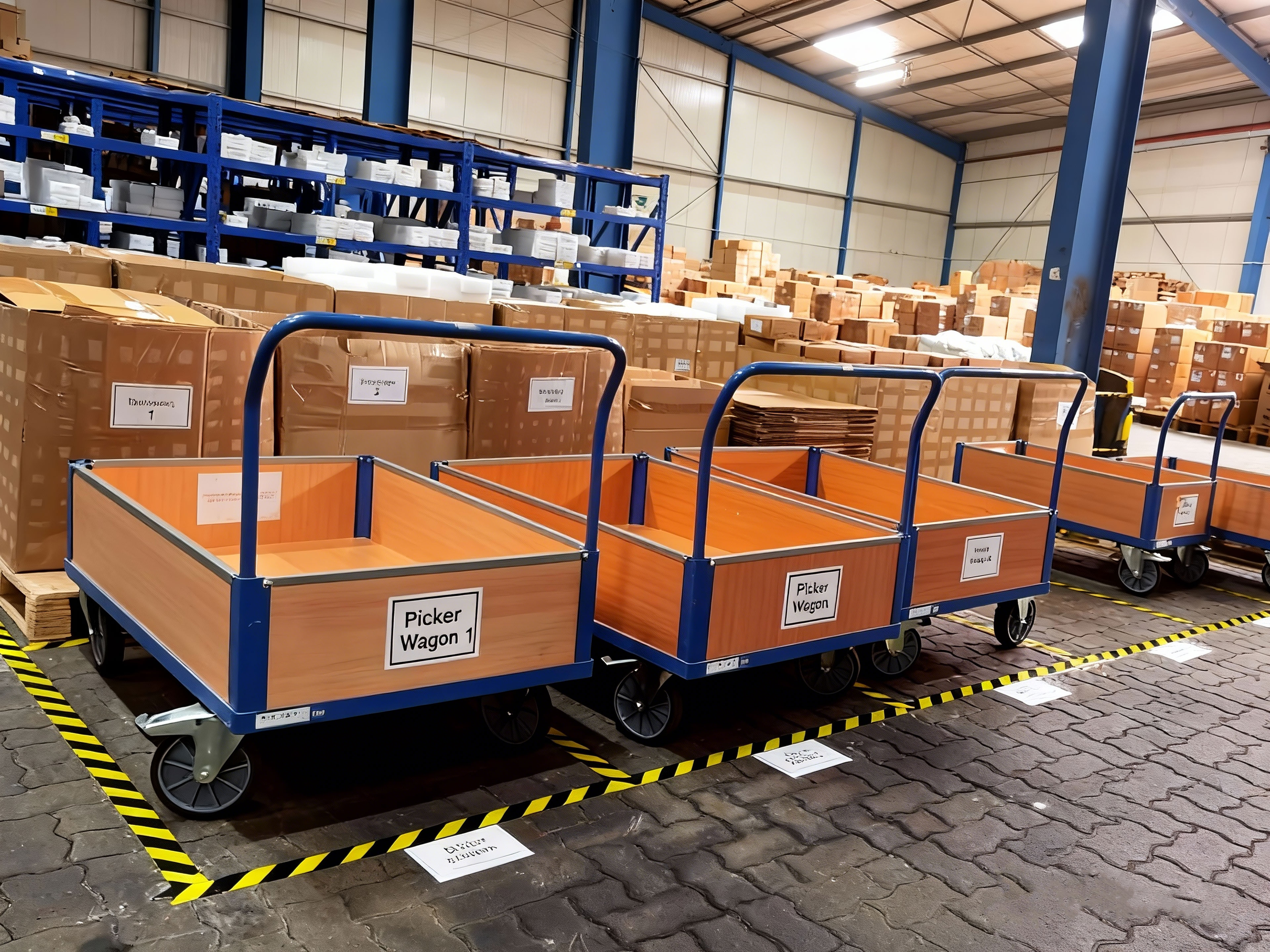
• Material handling and warehousing processes.
• Always conduct rigorous sample testing under real or simulated operating conditions to validate performance claims for critical parameters like torque, temperature rise, and positional accuracy.

3.3 Reference Checks & Case Study Analysis
Ask potential suppliers for specific customer references in applications similar to yours. A credible supplier should be able to provide anonymized case studies. For instance, a supplier should be able to discuss the design challenges and solutions implemented for a High-Precision Hybrid Stepper Motor used in optical positioning or an Intelligent Load-Adaptive system that adjusts current to save energy.
4. Conclusion: Partnering for Long-Term Success
Selecting a hybrid stepper motor supplier is a strategic partnership decision. The ideal partner is not just a vendor but an extension of your engineering team, contributing to the reliability and innovation of your machinery. Prioritize suppliers that demonstrate a commitment to quality through certifications like ISO9001, possess the manufacturing scale to ensure supply continuity, and offer the technical depth to support your specific application needs—from standard ROHS-Compliant Stepper Motors to complex closed-loop systems.
Suppliers that have successfully invested in a global service infrastructure, such as ACT MOTOR with its European branch and domestic technical centers, are well-positioned to support the evolving demands of global automation. They offer a balanced value proposition of competitive manufacturing, technical agility, and local market responsiveness.
By applying this structured evaluation framework, procurement and engineering teams can make informed, confident decisions that secure a reliable supply of critical motion control components, driving the efficiency and competitiveness of their automated systems for years to come.
For further technical specifications or to initiate a supplier qualification process, you can contact relevant manufacturers directly. For example, Changzhou ACT Motor Co., Ltd. (ACT MOTOR) can be reached via their website at www.act-motor.com, email at market@act-motor.com, or phone/WhatsApp at +86 13961261588.
Есть вопросы или нужны дополнительные детали?
Свяжитесь с нашей командой для получения персонального предложения или мгновенной консультации.
Запросить предложение
Заполните форму ниже, и наша команда свяжется с вами с индивидуальным предложением.
Прямой чат WhatsApp
Предпочитаете общаться в реальном времени? Напишите нам в WhatsApp для мгновенной помощи и быстрых ответов.
- Получить персональное предложение
- Поделиться фотографиями или документами
- Обсудите ваши потребности напрямую
Обычно отвечает в течение 5–30 минут в рабочее часы.