
Hydraulic Baler vs. Piston Compressors: A 2026 Buyer's Decision Guide
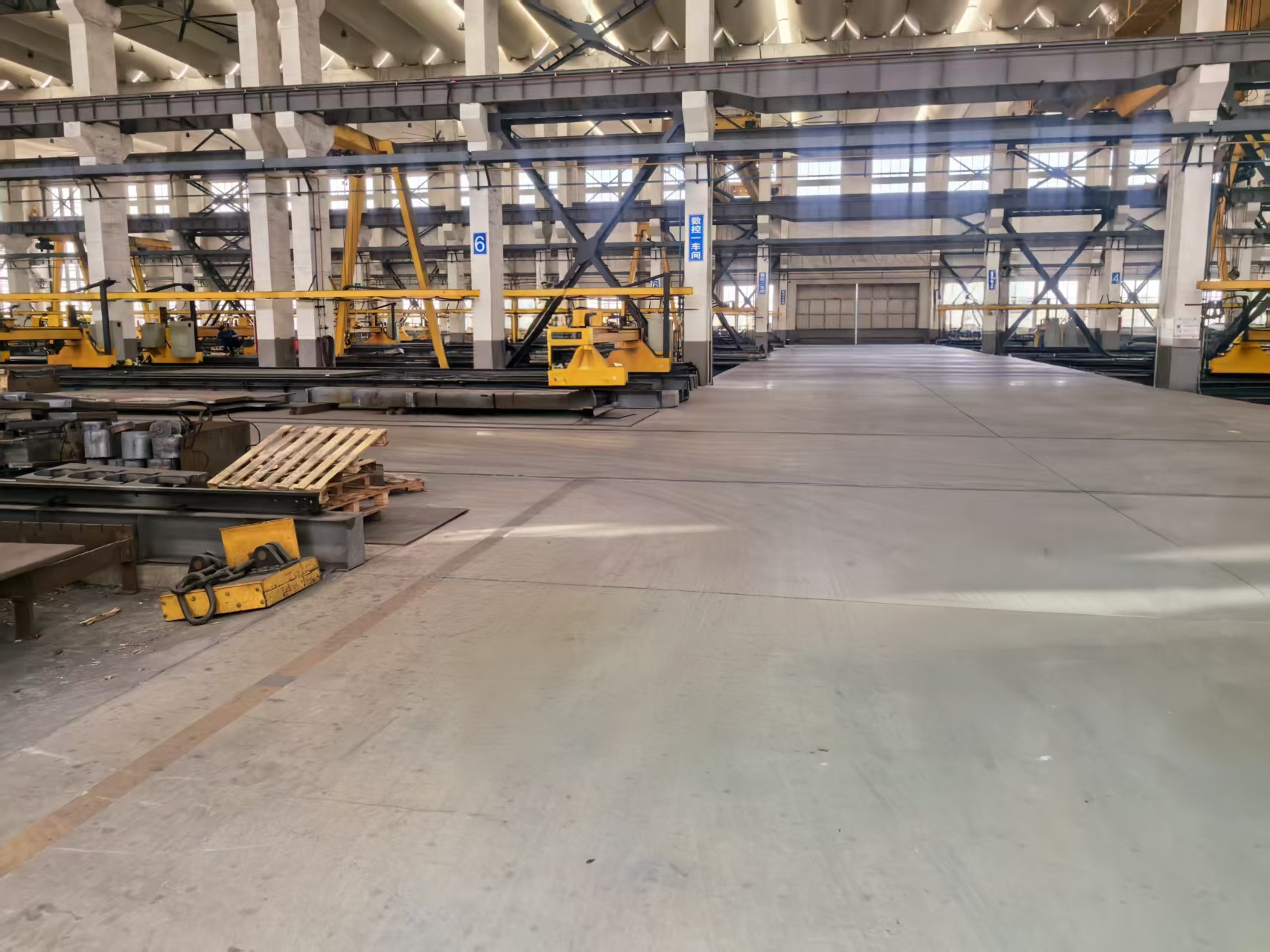
The Decision Between Hydraulic and Piston-Based Baling Systems
For industrial buyers evaluating a Hydraulic Baler in 2026, the decision often comes down to choosing between traditional piston-type compressors and modern hydraulic systems. The hydraulic baler, powered by pressurized fluid to generate high compression force, has become the preferred technology in recycling, waste management, and material processing. Shaanxi Nick Machinery Equipment Co., Ltd., operating under the brands NK BALER and NICK BALER, offers a full spectrum of hydraulic baling machines designed to replace older piston-based equipment. With a 5,000 m² factory, 50 employees, and an annual output of 600 machines, the company serves customers across North America, South America, and Asia, exporting 90% of its production.
Problem: Limitations of Piston-Type Compressors
Traditional piston compressors have been used for decades in baling applications, but they come with well-known drawbacks. Higher noise levels often exceed 85 dB in operation, creating occupational hazards in industrial plants. Frequent maintenance intervals and lower energy efficiency drive up total cost of ownership. For buyers operating in noise-sensitive environments or aiming to reduce operational expenses, these limitations become critical decision factors.
Opportunity: Hydraulic Technology as a Replacement
Hydraulic balers address these pain points directly. The NK BALER series and the upgraded NICK BALER series from Shaanxi Nick Machinery Equipment Co., Ltd. are engineered to deliver lower noise, higher efficiency, and reduced maintenance compared to piston-based systems. According to the company’s engineering data, when compared with piston compressors, the hydraulic baler demonstrates distinct advantages including up to 15 dB lower noise levels, approximately 10% lower operating cost, less maintenance, and higher overall efficiency. These measurable improvements make hydraulic balers a compelling upgrade for industrial recycling lines.
Technical Explanation: How a Hydraulic Baler Achieves Superior Performance
A hydraulic baler uses a pump to send hydraulic fluid into a cylinder, creating a pushing force that compacts material against a gate. The system is inherently quieter because it eliminates the reciprocating metal-on-metal contact of piston compressors. Shaanxi Nick Machinery integrates thermal protection through temperature sensors to prevent overheating, a common risk in continuous-duty applications. The company offers two product tiers: NK BALER – a standard long-cylinder servo hydraulic baler designed for cost-effective daily operation; and NICK BALER – an upgraded version with heavier machine weight, thicker material, stronger structure, and higher-grade hydraulic and electric components for heavy-load, long-term continuous use.
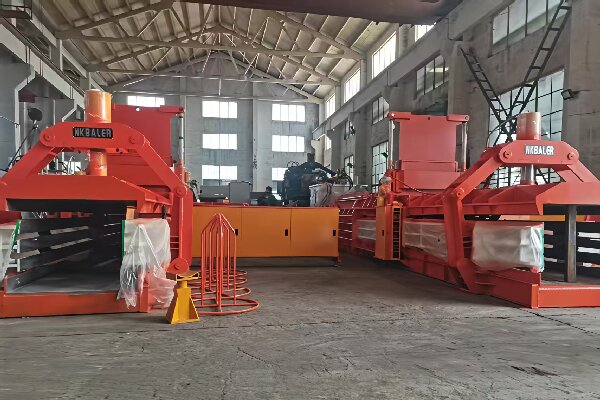
Application Scenarios: Matching the Right Baler to the Material
The NK BALER product line covers a wide range of material types, allowing buyers to match the machine to their specific waste stream:
- Small-sized vertical Hydraulic Baler – suitable for small workshops handling cardboard, plastic, or textile waste.
- Medium Double-cylinder Vertical Hydraulic Baler – ideal for mid-volume recyclers processing paper, rags, or light metals.
- Large horizontal full automatic Hydraulic Baler – designed for high-throughput facilities baling OCC, PET bottles, or aluminum scrap.
- Two Chambers Clothes Hydraulic Baler – specialized for used clothing and textile recycling.
- Heavy duty Hydraulic Baler – built for dense materials such as scrap metal, drums, or shavings.
- Agricultural Hydraulic Balers (wheat straw, alfalfa hay, sawdust) – tailored for biomass and feed producers.
Each model can be configured as NK BALER or NICK BALER depending on the required duty cycle and budget. The company’s OEM/ODM capability further allows customization to fit unique bale sizes, strapping systems, or feed mechanisms.
Market Trend Analysis
The global baler machine market was valued at USD 6.6 billion in 2024 and is projected to reach USD 11.4 billion by 2035 (Transparency Market Research). Asia Pacific accounted for 40.2% of revenue share in 2024, driven by manufacturing expansion and stricter recycling mandates. The metal baler segment alone was estimated at USD 2.172 billion in 2024 (Market Research Future). China recorded 91 significant shipments of hydraulic baling presses (HS Code 8462) between June 2024 and May 2025 (Volza), confirming the country’s role as the dominant production hub. These figures underscore the shift toward hydraulic technology as both cost and regulatory pressure push buyers away from older piston-type equipment.
Comparison with Traditional Solutions
| Parameter | Hydraulic Baler (NK BALER) | Piston Compressor |
|---|---|---|
| Noise level | Lower (-15 dB) | Higher |
| Operating cost | Approx. 10% lower | Higher (more energy, more repairs) |
| Maintenance frequency | Less maintenance | Frequent |
| Efficiency | Higher efficiency | Lower |
| Best for | Noise-sensitive environments, continuous heavy load | Simple, low-volume tasks |
One honest limitation: The initial purchase price of a hydraulic baler (especially the NICK BALER series) can be 10–15% higher than a basic piston compressor. However, the total cost of ownership over 5 years typically favors the hydraulic system due to lower energy and maintenance expenses.
Future Outlook
As global recycling rates climb and industrial automation advances, the demand for high-performance hydraulic balers will continue to grow. Manufacturers like Shaanxi Nick Machinery Equipment Co., Ltd. are investing in heavier machine frames, smarter control systems, and broader material compatibility. Buyers can expect further noise reduction, improved energy recovery, and integration with IoT monitoring. The dual-brand strategy (NK BALER for budget-sensitive projects, NICK BALER for premium long-term installations) gives procurement teams a flexible path to modernization without over-investing.
Frequently Asked Questions
A: NK BALER is the standard long-cylinder servo hydraulic baler designed for cost-effective daily baling work. NICK BALER is the upgraded high-quality version with heavier machine weight, thicker material, stronger structure, and higher-grade hydraulic and electric components. NICK BALER runs more powerfully with a lower failure rate for continuous heavy-load use.
A: According to manufacturer data, hydraulic balers from Shaanxi Nick Machinery deliver 15 dB lower noise than equivalent piston compressors, making them suitable for noise-sensitive environments such as indoor recycling facilities.
A: The product line covers materials including cardboard, paper, PET bottles, textiles (clothes, rags), metals (aluminum scrap, metal drums, shavings), agricultural biomass (wheat straw, alfalfa hay, sawdust), and scrap tires. Custom configurations are available for specialized waste streams.
For detailed technical specifications and pricing:
Download the full product brochure: NK BALER & NICK BALER Brochure (PDF)
Contact the sales team: Sales@nkbaler.com | Phone/WhatsApp: +86 15021631102
Visit the official website: www.nickbaler.com
Shaanxi Nick Machinery Equipment Co., Ltd. – Qun Sheng Lu, Hui Shan Qu, WuXi Shi, Jiang Su Sheng, China
Есть вопросы или нужны дополнительные детали?
Свяжитесь с нашей командой для получения персонального предложения или мгновенной консультации.
Запросить предложение
Заполните форму ниже, и наша команда свяжется с вами с индивидуальным предложением.
Прямой чат WhatsApp
Предпочитаете общаться в реальном времени? Напишите нам в WhatsApp для мгновенной помощи и быстрых ответов.
- Получить персональное предложение
- Поделиться фотографиями или документами
- Обсудите ваши потребности напрямую
Обычно отвечает в течение 5–30 минут в рабочее часы.