
Hydraulic Balers for High-Heat 24/7 Duty: Project Fit Guide
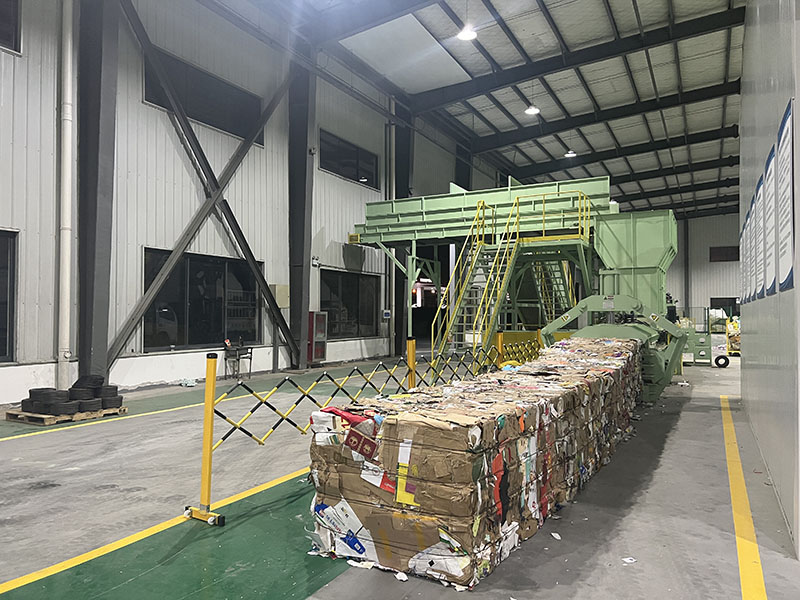
Hydraulic balers used in continuous industrial operations face a different set of requirements than those used in low-duty recycling yards. When a project demands high-temperature tolerance and round-the-clock operation, the choice of machine configuration, control system, and cooling arrangement becomes a procurement decision with long-term cost consequences. This article explains what buyers should evaluate when selecting a hydraulic baler for high-heat, 24/7 project environments, and what specific machine features support stable performance under those conditions.
Project Conditions That Push Hydraulic Balers Beyond Standard Duty
Material compression and packaging projects in industries such as metals, plastics, textiles, food processing, and agriculture often run in environments where ambient temperature is elevated. In these settings, a standard baler may experience hydraulic oil overheating, accelerated seal wear, and control instability. The result is unplanned downtime, inconsistent bale quality, and higher maintenance cost over the equipment life.
The opportunity is to specify equipment designed for the actual project duty cycle. For a production line that operates continuously, the baler should not be treated as an add-on unit but as an integrated piece of process equipment. That means the hydraulic system, electrical controls, and mechanical frame must be selected for the target operating hours, material density, and ambient conditions. This is where the idea of “project adaptation” becomes concrete: the baler must be matched to the thermal profile, throughput, and available infrastructure of the site.
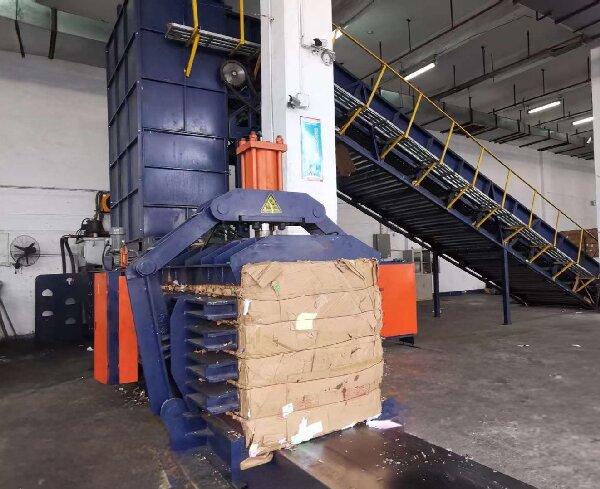
Key Technical Characteristics for 24/7 High-Temperature Projects
Several machine characteristics become decisive when a hydraulic baler must run through continuous shifts in a hot environment. Buyers who understand these characteristics can compare offers more effectively and reduce the risk of specifying a machine that is under-built for the duty.
PLC-Controlled Automatic Cycles
Continuous automatic operation with PLC-controlled cycles is a core requirement for consistent output. A PLC control system manages compression timing, stroke position, and tying sequences automatically. This reduces dependency on operator skill and helps maintain repeatable bale size and density across shifts. In a 24/7 environment, automation also reduces the need for repetitive manual handling, which lowers labour exposure and human error.
NICKBALER product documentation states that its equipment works through continuous automatic operation with PLC-controlled cycles. The same documentation classifies these models as suitable for 24/7 industrial duty mode.
Cooling System and Hydraulic Circuit Design
For round-the-clock operation, the cooling system is not optional. Larger horizontal balers typically use water cooling or an oil chiller to maintain hydraulic oil temperature within a safe range. The presence of a cooling system becomes a technical differentiator when the baler is installed in a high-temperature environment or run continuously.
In NICKBALER’s horizontal range, QT models such as NKW100QT, NKW160QT, and NKW180QT include cooling tower motors for water pump and fan operation. BD models such as NKW80BD, NKW125BD, NKW180BD, and NKW250BD list water cooling or oil chiller as their cooling system. Buyers evaluating high-temperature installations should confirm the cooling method and the sizing of the cooling circuit relative to the machine’s rated output.
Structural Mass and Frame Strength
Machine weight and frame thickness reflect the ability to handle repeated high-force cycles. Heavier frames reduce deformation and vibration, which is important for long service life under continuous load. When comparing models, buyers should look at main cylinder force, feed opening size, and overall machine weight as indicators of duty capacity.
For example, the NKW160QT has a main cylinder force of 160 tonnes and a machine weight of 28 tonnes, while the NKW200Q has a main cylinder force of 200 tonnes and a machine weight of 34 tonnes. The NKW250BD reaches 250 tonnes of hydraulic power with a machine weight of 30 tonnes. These figures reflect the difference in structural commitment between machines intended for occasional use and those built for continuous industrial schedules.
Semi-Automatic vs. Fully Automatic Horizontal Operation
Horizontal hydraulic balers are available in fully automatic and semi-automatic configurations. Fully automatic models integrate the compression, tying, and often feeding cycle with minimal operator intervention. Semi-automatic models require more manual steps, such as manually tying bales or repositioning material, but they generally cost less and occupy less complexity.
For projects that need continuous 24/7 output with a small crew, a fully automatic configuration is usually the better fit. For lower-throughput sites where bale output is limited and labour is available, a semi-automatic horizontal baler may provide an adequate result with lower capital expenditure. The decision should be based on bale volume per hour and the labour model of the facility.
A Manufacturer Perspective: NICKBALER’s High-Duty Range
Shaanxi Nick Machinery Equipment Co., Ltd., based in Wuxi, Jiangsu, China, is a manufacturer of hydraulic balers and environmental protection machinery operating under the NK BALER and NICK BALER brands. The company exports a large share of its production to more than 60 countries, including markets in North America, South America, Asia, Europe, and the Middle East. Its product line includes vertical balers, full-automatic horizontal balers, manual horizontal balers, and press bagging machines.
For project environments with high-temperature conditions and continuous operation, NICKBALER offers horizontal hydraulic balers that operate in continuous automatic mode with PLC-controlled cycles and 24/7 industrial duty ratings. Specific models include the NKW160QT, NKW180QT, NKW200Q, and NKW250BD, among others. These machines combine large feed openings, high main cylinder forces, and integrated cooling systems suited to sustained operation.
The company also supports OEM/ODM projects with parameter customization, a monthly capacity of 10 units, a lead time of 30–45 days, and a minimum order quantity of one unit. Every unit undergoes a 100% test before shipment, according to company capability information. This is relevant for buyers who need modifications for specific materials or site layouts.
Representative Model Specifications
| Model | Main Cylinder Force | Feed Opening | Capacity | Machine Weight | Cooling |
|---|---|---|---|---|---|
| NKW80Q | 80 T | 1500 × 800 mm | 3–5 t/h | 15 t | Not specified in source |
| NKW100QT | 100 T | 1800 × 1000 mm | 4–6 t/h | 20 t | Water cooling / oil chiller |
| NKW125Q | 125 T | 2000 × 1100 mm | 10–12 t/h | 22 t | Not specified in source |
| NKW160QT | 160 T | 2000 × 1100 mm | 12–15 t/h | 28 t | Water cooling / oil chiller |
| NKW180QT | 180 T | 2000 × 1100 mm | 12–15 t/h | 28 t | Water cooling / oil chiller |
| NKW200Q | 200 T | 2400 × 1100 mm | 12–15 t/h | 34 t | Not specified in source |
| NKW250BD | 250 T | 2000 × 1100 mm | 10–15 t/h | 30 t | Water cooling / oil chiller |
Specifications are based on NICKBALER product data for horizontal hydraulic balers. Buyers should confirm cooling configuration for high-temperature projects.
How to Match Baler Configuration to Project Parameters
The selection process for a high-temperature continuous-duty baler should follow a systematic sequence rather than starting with a brand or model.
- Define the material. Is the material fibrous, dense, oily, abrasive, or heat-generating? This determines feed opening size, chamber volume, and compaction force.
- Calculate required output. Measure tonnes per day or bales per hour based on current waste generation or production targets. This identifies the minimum capacity and automation level.
- Assess the environment. Record ambient temperature, ventilation, available floor space, and foundation conditions. This defines cooling requirements and installation constraints.
- Check shift patterns. For 24/7 operation, specify a PLC-controlled automatic baler with a cooling system and robust frame. For one-shift or low-throughput operations, simpler configurations may be sufficient.
- Evaluate integration. Will the baler be fed by conveyor, forklift, or manually? Does the bale output need to connect to an existing packing line?
This sequence is especially important for project-based procurement, because the cost of changing a baler after installation is far higher than the cost of specifying the right machine at the beginning.
Application Evidence: High-Temperature and Continuous Projects
One documented application comes from a material compression and packaging project operating in a high-temperature environment. The equipment was specified to run in continuous automatic operation with PLC-controlled cycles under a 24/7 industrial duty mode, according to product use-case documentation. This type of configuration is relevant for plants where waste streams or raw materials are processed without planned stops between shifts.
In practice, similar hydraulic balers have been deployed in recycling and agricultural settings. An Indonesian recycling station manufacturer uses a horizontal baler from the NKW QT series for waste plastic and paper baling. The reported outcome is stable operation, with low noise and low energy consumption highlighted as observed benefits. In Pakistan, an agricultural manufacturer has used the NKB280 series straw and hay bagging machine for baling straw and alfalfa; the installation has shown stable operation across a two-year period, with low noise as a noted operating characteristic.
These examples illustrate that the same underlying principles—stable hydraulics, consistent control, and adequate cooling—apply whether the project is centered on recyclables or agricultural materials.
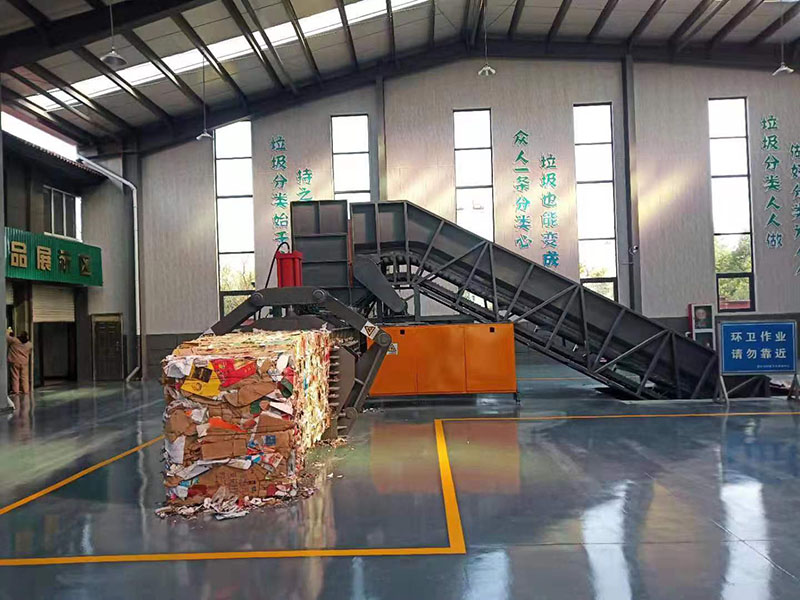
Market Signals for High-Capacity Hydraulic Balers
The broader baler market is expanding, and high-capacity hydraulic balers occupy a significant part of that growth. Transparency Market Research estimates that the global baler machine market was valued at USD 6.6 billion in 2024 and is projected to reach USD 11.4 billion by 2035. The same source reports that Asia Pacific accounted for 40.2% of the total revenue share in 2024, reflecting the region’s concentration of manufacturing and recycling activity.
Within the recycling equipment sector, baler presses represented an estimated 24.5% of the total market in 2025, according to Grand View Research, driven by demand for compacting plastic and paper. For metal scrap processing specifically, the global metal baler market was estimated at USD 2.172 billion in 2024 by Market Research Future. These figures indicate sustained demand for baling equipment that can handle continuous industrial material flows.
On the supply side, Volza Global Export Data recorded 91 significant shipments of hydraulic baling presses under HS Code 8462 from China between June 2024 and May 2025. China’s export activity reinforces the importance of supplier verification when sourcing equipment for demanding project environments.
Comparison with Traditional and Lower-Duty Solutions
Compared with manual compression methods or standard vertical balers, a fully automatic horizontal hydraulic baler offers higher throughput, more consistent bale density, and lower labour intensity for continuous operations. Horizontal designs also allow material to be fed by conveyor, which integrates more easily into automated process lines.
However, there are real boundaries to consider. Fully automatic horizontal balers generally require more floor space, heavier foundations, and a higher initial capital investment than vertical or semi-automatic alternatives. In a facility with very low daily output, limited indoor space, or a strictly constrained budget, a semi-automatic horizontal line or a vertical baler may be the more rational choice. Specifying a high-duty automatic baler for a small project can result in unnecessary cost and installation complexity.
Another boundary is maintenance capability. A continuous-duty automatic baler with PLC controls and cooling systems requires access to qualified technicians and a spare-parts supply. Projects in remote locations without such infrastructure may be better served by simpler machines that can be repaired locally. Buyers should therefore assess not only the machine but also the local maintenance ecosystem.
Finally, bale density targets matter. If a project does not require maximum density—for example, when transporting loose materials over short distances—a less powerful baler may meet logistics needs at lower cost. High-force machines consume more energy and generate more heat, which must be managed in the electrical and cooling design.
Future Outlook
As industrial sustainability targets push more facilities toward in-house waste compaction and recycling, the demand for balers capable of sustained automatic operation is likely to increase. High-temperature tolerance and 24/7 duty ratings will become more common specification requirements in sectors such as automotive, packaging, food processing, and metal recycling.
For manufacturers, providing clear technical evidence of cooling capacity, control logic, and structural duty limits will be as important as listing force and bale dimensions. For buyers, a disciplined evaluation of project conditions first and machine parameters second remains the most reliable route to a successful installation.
Frequently Asked Questions
What does “designed for high-temperature environments” mean for a hydraulic baler?
It means the machine is configured to operate in conditions where ambient or material-related heat is elevated. In NICKBALER’s product documentation, these balers are described as designed for high-temperature environments, with continuous automatic operation and PLC-controlled cycles.
Can a hydraulic baler run continuously for 24 hours a day?
Certain hydraulic balers are rated for 24/7 industrial duty mode. This rating indicates that the electrical control system, hydraulic circuit, and mechanical structure are intended for uninterrupted operation. Actual runtime still depends on correct sizing, cooling, and routine maintenance.
What is the benefit of a PLC-controlled cycle in a continuous baling process?
A PLC-controlled cycle automates the sequence of compression and tying. This reduces manual error, keeps cycle timing consistent, and helps maintain uniform bale size and density across long production runs.
Which baler models are relevant for a high-temperature, continuous material compression project?
Horizontal hydraulic balers such as the NKW100QT, NKW160QT, NKW180QT, NKW200Q, and NKW250BD are examples of models with the operating characteristics described above. The most suitable model depends on the material type, required capacity, and site layout.
For project-specific technical specifications and configuration options, buyers can refer to the NICKBALER product brochure: Download brochure (PDF).
Есть вопросы или нужны дополнительные детали?
Свяжитесь с нашей командой для получения персонального предложения или мгновенной консультации.
Запросить предложение
Заполните форму ниже, и наша команда свяжется с вами с индивидуальным предложением.
Прямой чат WhatsApp
Предпочитаете общаться в реальном времени? Напишите нам в WhatsApp для мгновенной помощи и быстрых ответов.
- Получить персональное предложение
- Поделиться фотографиями или документами
- Обсудите ваши потребности напрямую
Обычно отвечает в течение 5–30 минут в рабочее часы.