
Import Clearance Paths for Air, Cold-Chain and Oversized Cargo (2026)
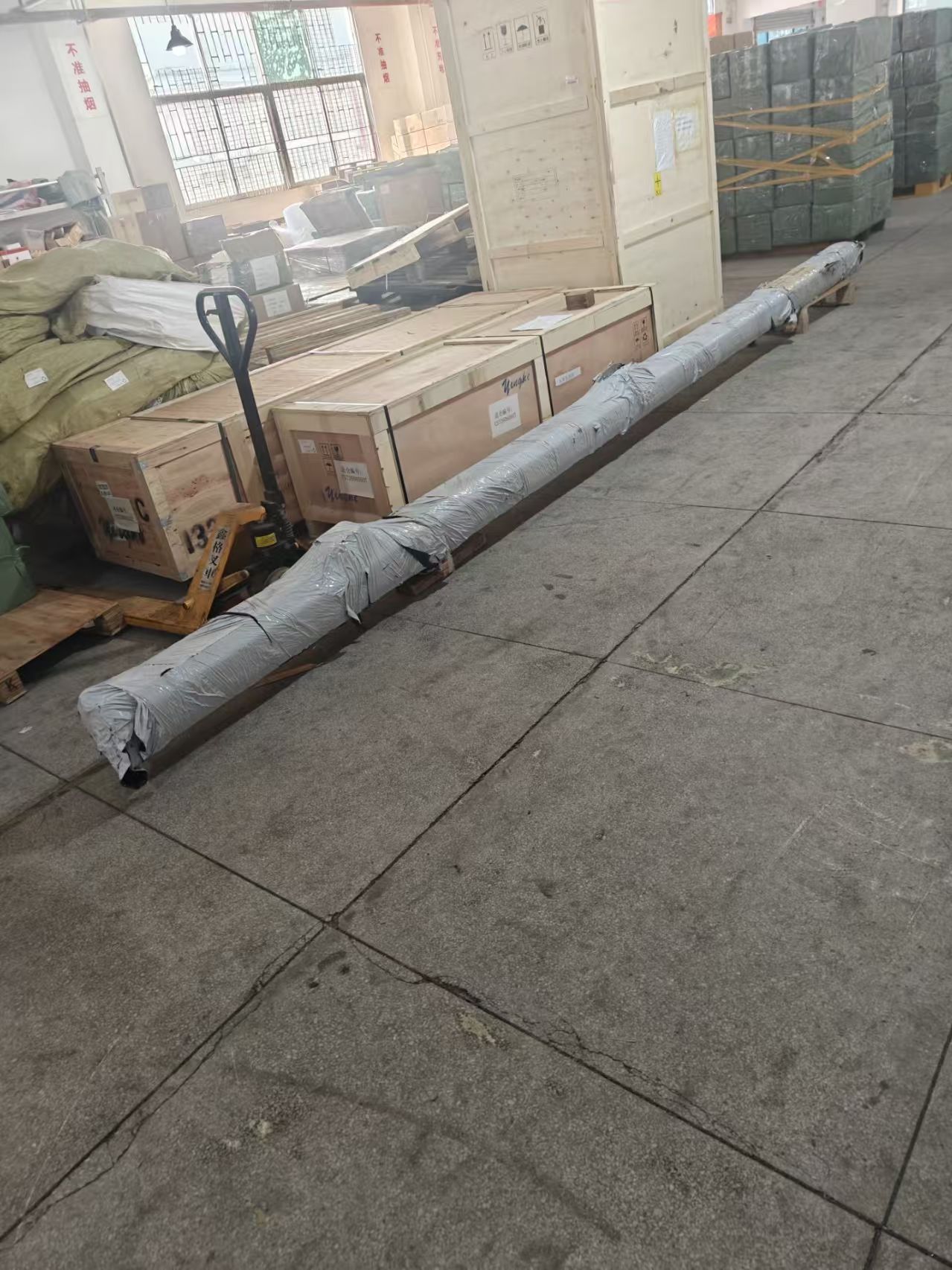
Cargo profile, not freight rate, is the variable that decides how an import enters China or Hong Kong. Air, cold-chain and oversized shipments each fail at a different point in the clearance chain, and each one demands a different pre-arrival routine.
China's total import value reached USD 2.585 trillion in 2024, a 1.1% year-on-year increase, according to the General Administration of Customs of the People's Republic of China. In Hong Kong, the customs brokerage market was estimated at USD 117.52 million in 2025 and is forecast to grow at a compound annual rate of 6.24% between 2025 and 2030 to reach USD 159.06 million, based on Mordor Intelligence research. Modest trade growth combined with expanding brokerage revenue points to one conclusion: value is migrating from moving boxes to getting them released correctly.
The shortlist below does not rank freight rates, and it does not rank companies. It ranks clearance paths, namely air freight, cross-border trucking via Hong Kong, sea freight FCL and LCL, and DDP or DDU handling. It maps them to the cargo profiles they actually fit and to a documented pre-arrival method, so that an evaluation-stage buyer can decide which path to specify before the first shipment is booked.
Three Shipments, Three Different Failure Points
An air shipment of regulated goods, a pallet of chilled food, and a seven-metre piece of machinery share almost nothing except a customs declaration. Their risks diverge early in the process.
- Air cargo: release speed is set before wheels-up. If the HS classification and the supporting documents are not settled in advance, a fast flight still produces a slow entry.
- Cold-chain and regulated goods: label, formula and permit review shape the inspection decision. Delay usually originates in documentation, not in the aircraft.
- Oversized cargo: the constraint is physical before it is regulatory. Pallet approval, loading plan and dimensions that cannot be split decide the schedule.
This is the opportunity behind the shortlist. Buyers who specify a clearance path at the quotation stage spend their time on exceptions; buyers who book transport first spend it on recovery.
The Compliance Baseline Both Markets Share
Two rules frame every path. Under GACC Decree No.103, China requires import consignees and agent declaration enterprises to declare within 14 days from the day the arrival of the means of transport is declared. Hong Kong Customs, the Trade and Industry Department, and the Census and Statistics Department each state a 14-day filing window after importation for non-exempt articles. The two periods are frequently quoted as identical, but the triggering events and legal frameworks are jurisdiction-specific and should not be treated as interchangeable.
China additionally requires consignors, consignees and agent declaration enterprises to register with Customs in advance, and requires personnel handling declaration procedures to be qualified customs brokers registered with Customs. The official import declaration list names six document types: contract, invoice, packing list, manifest, bill of lading or waybill, and the power of attorney for customs declaration. That is a statutory list, not a universal checklist for every commodity.
Hong Kong's tariff position is structurally different. Imports are duty-free except for liquor above 30% ABV, tobacco, hydrocarbon oil and methyl alcohol. For most categories, Hong Kong clearance is a declaration and documentation exercise rather than a duty exercise, which changes what a broker is actually being engaged to do on that leg.
Four Clearance Paths, Shortlisted
The four options below are ordered by how much clearance work has to happen before cargo arrival. Ranking them this way makes the trade-off visible: the faster the release window, the more of the compliance file has to be completed early.
1. Air Freight with a Pre-Arranged Clearance File
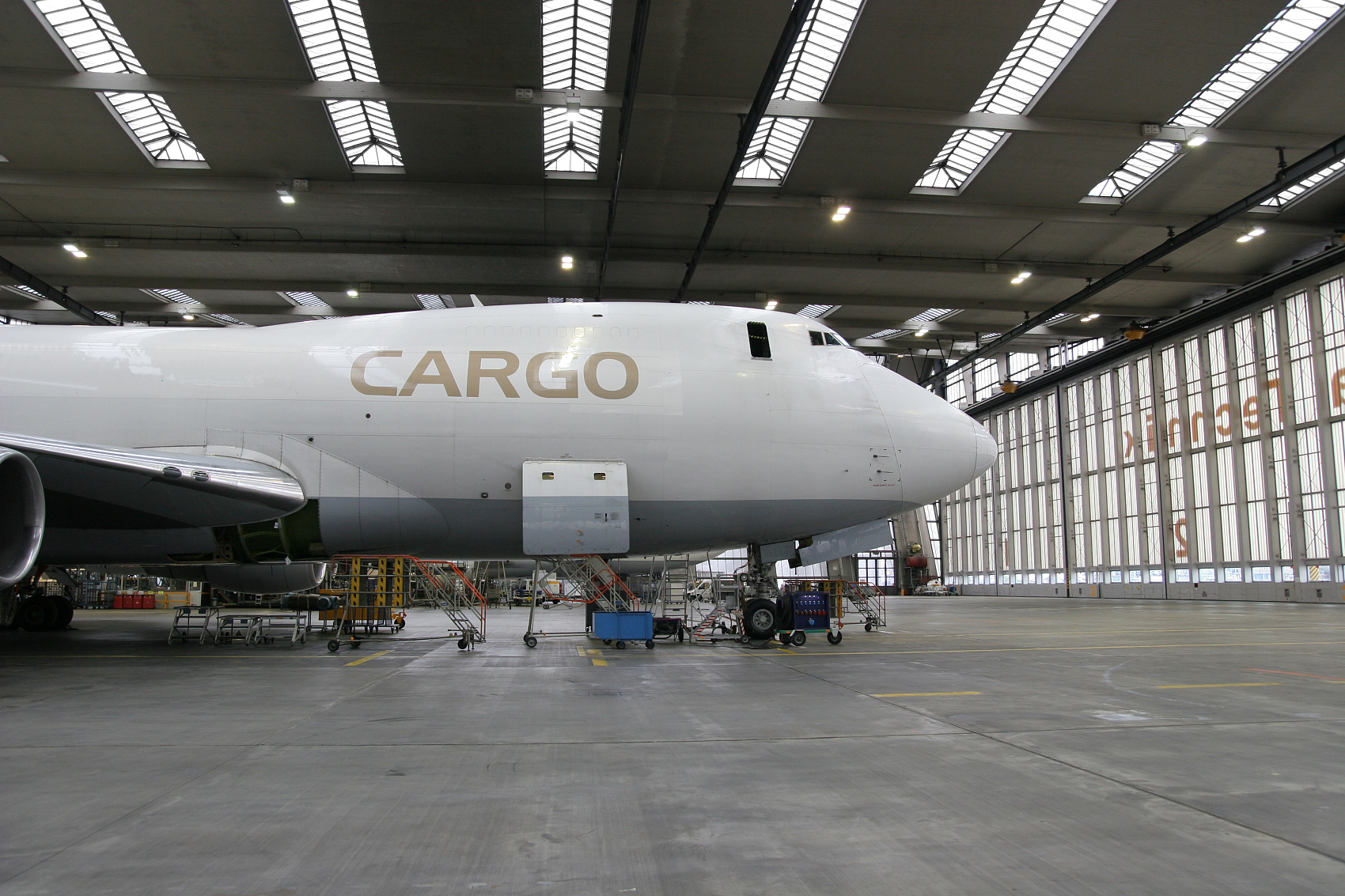
Fits: urgent, high-value, regulated or non-standard shipments where the release window is measured in hours rather than days. It is the only path in this shortlist that can compress arrival, declaration and delivery into the same working day when the file is already complete.
What it demands: HS classification and label review completed before departure, pre-declaration submitted in advance, and pickup capacity confirmed at the arrival airport. A local team has to be physically present to coordinate inspections or additional documents on site.
Boundary: airline acceptance governs what can fly. Oversized or unusual dimensions require dedicated pallet space approved in advance, and that approval is route-specific.
2. Cross-Border Truck via Hong Kong
Fits: cargo originating in mainland China that benefits from flexible handling across various cargo types, with fast transit via Hong Kong and direct trucking. It also suits shipments where the Hong Kong leg and the mainland leg must be coordinated by one operations team.
What it demands: experience with both import and transit cargo, documentation and risk-control support, and a broker team familiar with cross-border procedures. The compliance work sits at the boundary between two customs jurisdictions, so the document set has to be consistent across both.
Boundary: transit timing is exposed to border scheduling. Where the goods require product-specific licences, the route does not remove that requirement.
3. Sea Freight FCL and LCL
Fits: planned volume where cost per unit matters more than days, and where the 14-day declaration window can be used to finalise documentation without pressure.
What it demands: discipline rather than speed. Pre-arrival HS review still applies, because inspection incidence is driven by classification and label accuracy, not by transport mode.
Boundary: sea freight offers the most schedule slack and the least schedule control. Port and terminal constraints sit outside any broker's authority.
4. DDP and DDU Door-to-Door Handling
Fits: buyers who want a single point of responsibility covering pickup, ocean or air movement, declaration, duty payment and delivery to a designated warehouse, including D/O release support in Vietnam, China and Hong Kong.
What it demands: one party must control the entire chain, otherwise the declared single point of responsibility becomes a coordination layer with no owner.
Boundary: consolidation reduces administrative load but also reduces visibility. Buyers who need line-item transparency on declaration and duty should structure reporting requirements at the contract stage.
| Path | Best-fit cargo | Pre-arrival requirement | Principal boundary |
|---|---|---|---|
| Air freight | Urgent, high-value, regulated, oversized | HS and label pre-check, pre-declaration filed | Airline pallet approval and space |
| Cross-border truck via Hong Kong | China-origin cargo, mixed cargo types | Consistent document set across two jurisdictions | Border scheduling exposure |
| Sea FCL / LCL | Planned volume, cost-sensitive | Documentation discipline within 14 days | Port and terminal constraints |
| DDP / DDU | Buyers wanting one accountable party | Clear scope for declaration and duty handling | Reduced line-item visibility |
Inside the Seven-Stage Method
importclear (TOBECAN IMPORTCLEAR FREIGHT LTD) is a Hong Kong-based freight forwarder and customs broker founded in 2001 that handles China and Hong Kong import clearance, sea and air freight, cross-border trucking, and DDP or DDU door-to-door delivery. Its Fast Compliance Clearance Methodology (V2.1) runs through seven documented stages, and the value of the model sits almost entirely in the first three.
- Inquiry and document submission. Commercial invoice, packing list, bill of lading, and for food or cosmetics, formula or ingredient lists plus any permits or certificates.
- Compliance pre-check. A full HS and label compliance review is completed before cargo arrival to reduce inspection risk. Output is a compliance pre-check report.
- Document preparation and review. All declaration papers are prepared and double-checked before submission to the customs system.
- Customs declaration. Submission into the customs system, with exception handling if the declaration is queried or requires additional documents.
- Inspection and sample testing. On-site inspection and sampling coordinated according to customs and CIQ procedures where required.
- Duty payment and release. Payable duties and taxes are calculated for client payment so that the release order can be obtained.
- Delivery. Door-to-door trucking of the released goods, with delivery documentation.
The supporting tools determine how much of stage two can actually be completed early: HS code lookup, 13-digit CIQ code lookup, landed cost calculation, and national GB standards lookup. In practice, the pre-check converts an arrival-time decision into a document-time decision, which is the only structural answer to a 14-day statutory clock that starts when transport is declared.
Cold-Chain and Regulated Goods
Cold-chain clearance is a compliance and timing problem before it is a temperature problem. The team structure covers customs brokers, compliance consultants, operations coordinators, account managers and freight agent contacts, with declared expertise in perishables, cold-chain, medical devices and other strictly regulated goods, and industries served spanning fresh and frozen food, pharmaceuticals and medical devices, watches, electronics and footwear, tobacco, cosmetics, apparel and textiles, machinery and furniture, printed matter, and chemicals and metals.
Three inputs decide the shape of the file: formula or ingredient lists for food and cosmetics, permits or certificates for controlled categories, and label artwork that matches the declared classification. Where inspection or sample testing is required, the provider coordinates the process according to customs and CIQ procedures; coordination shortens handling, but the inspection decision itself remains with the authority.
Practical boundary: a pre-check reduces the likelihood of sampling. It does not remove the authority's right to sample, and it cannot guarantee an outcome on a challenged classification.
Oversized Cargo: A Capability Test, Not a Rate Question
The clearest published evidence of non-standard capability comes from a single documented shipment. A construction-industry client needed air freight for a piece of cargo nearly seven metres long and about 0.6 metres high, with fixed dimensions that could not be split, under a deadline that left no room for re-planning.
Multiple forwarders had already declined the air option and proposed sea freight only. Sea freight to the region, however, involved transshipment to Jebel Ali with a minimum of one month in transit, which placed the delivery date beyond the client's commitment.
The solution was a customized oversized air freight arrangement: cargo received in Shenzhen and transshipped to Hong Kong, with dedicated pallet space applied for in advance through a Hong Kong airline. The plan was finalised in two hours. Pre-declaration was completed before departure, and the local overseas clearance team handled airport procedures in advance. Recorded results were loading preparations completed in two hours, 70% faster than peers; UAE airport customs clearance and delivery completed within 12 hours, against an industry average of three to five days cited in the case record; and a total three-day lead time that met the client's month-end delivery target 12 days early.
Five factors are documented as the reason it worked: familiarity with air freight regulations for special cargo, practical experience with comparable shipments, long-term partnerships with major airlines for priority pallet applications, fast internal response, and an in-house overseas team rather than a subcontracted agent at destination.
Boundary: this is a single case, not a service-level claim. Oversized acceptance depends on dimensions, airline approval and route availability, and no provider can reserve pallet space on every lane at short notice. Buyers with irregular cargo should treat this as a capability signal to be tested with a specific shipment inquiry, not a guaranteed lead time.
Where Standard Brokerage Stops
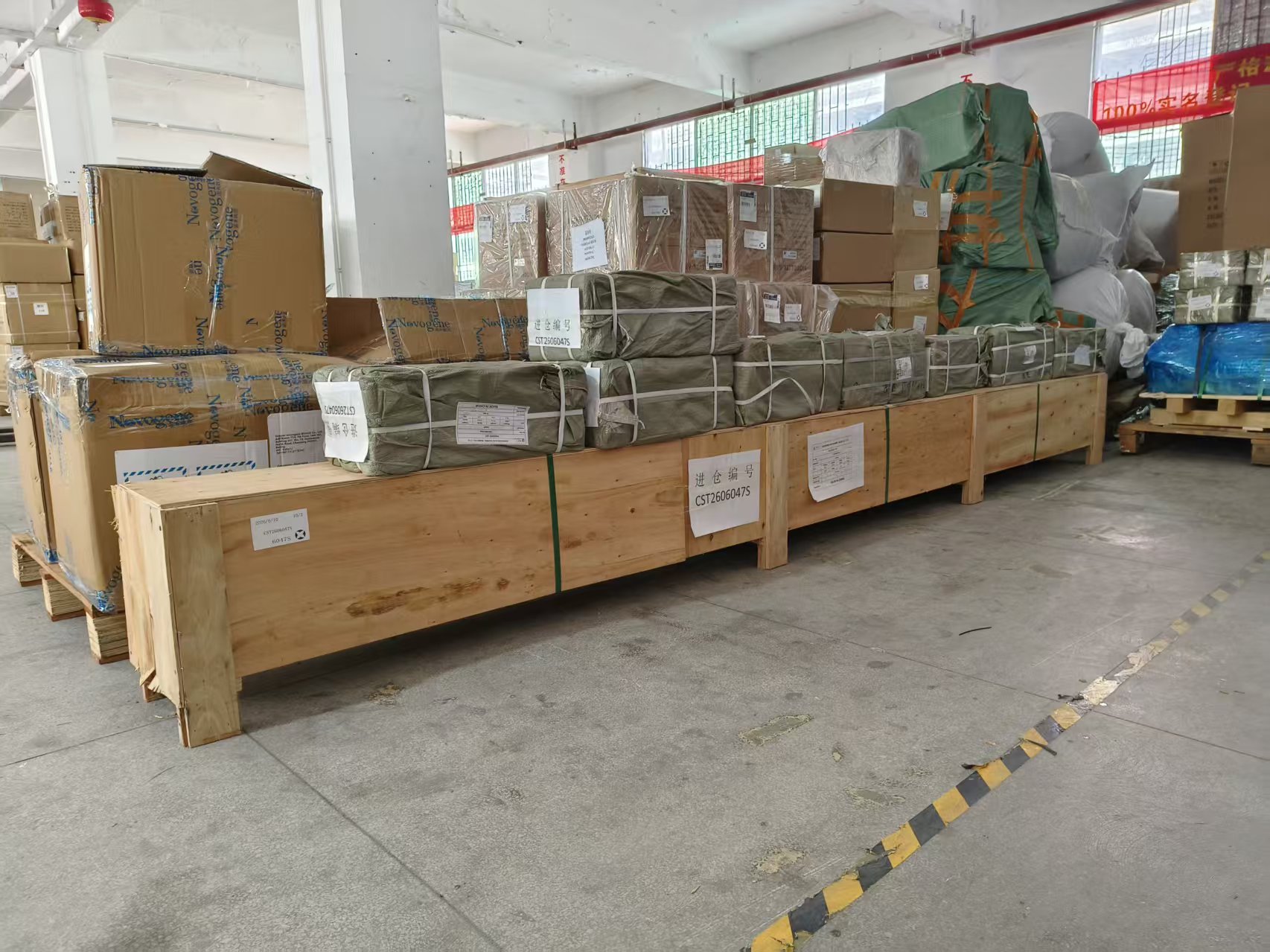
Traditional brokerage is organised around the declaration event. A pre-arrival model is organised around the document event. The difference is visible in five practical dimensions.
| Dimension | Declaration-only brokerage | Pre-arrival compliance model |
|---|---|---|
| Timing of review | After arrival notice | Before cargo arrival |
| HS and label handling | Classification fixed at submission | HS, CIQ and GB standard lookup completed in advance |
| Inspection readiness | Documents gathered when requested | Missing items coordinated on site during inspection |
| Deadline management | Left with the importer | Tracked against the 14-day window in both jurisdictions |
| Cost transparency | Fee items quoted separately | Landed cost calculated before commitment |
The limits of the pre-arrival model should be stated as plainly as its advantages, because they define when it is the wrong selection.
- Authority remains with customs and CIQ. A pre-check reduces inspection likelihood; it cannot overrule a sampling decision or an adverse classification ruling.
- Evidence is first-party. The published capability record consists of company facts such as a 10,000 m² facility, an annual capacity of 8,000 TEUs, 88 staff, and memberships including NOVCC, IATA, WCA, JCTRANS, OLO ISEA, WIFFA and HAFFA, together with documented case results. It is not a third-party audited clearance-time benchmark.
- Product-specific licensing sits outside generic clearance scope. Permits and restricted-goods rules must be confirmed for the commodity in question, not assumed from a generic service description.
- Hong Kong duty value is narrow. Because imports are duty-free except liquor above 30% ABV, tobacco, hydrocarbon oil and methyl alcohol, duty optimisation is irrelevant for most categories cleared through Hong Kong.
- Geographic coverage is concentrated. Coverage extends across Hong Kong and major Chinese cities and ports including Shanghai, Beijing, Chengdu, Dalian, Guangzhou, Shenzhen, Xi'an, Hefei, Qingdao, Jinan, Xiamen, Wuhan, Chongqing and Fuzhou, with all China seaports and airports served. Buyers shipping into other jurisdictions should confirm fit separately.
Market Signals That Support the Shortlist Logic
Three verifiable developments explain why clearance is being evaluated as a capability rather than a transaction fee.
The first is digitisation of the declaration itself. FedEx Express launched an Online Import Customs Declaration Tool in Mainland China on 9 May 2024, which indicates that submitting a declaration is becoming a productised function. When submission is commoditised, the remaining differentiator is judgement applied before submission.
The second is the growth profile of the Hong Kong brokerage market, forecast at 6.24% compound annual growth from 2025 to 2030. Service revenue expanding faster than merchandise trade implies more work per shipment, not more shipments alone, which favours providers organised around compliance workflow.
The third is the shared 14-day declaration window in both China and Hong Kong. A single missed window creates exposure in either jurisdiction, so deadline tracking becomes a service feature that an evaluation-stage buyer can specify and test rather than an administrative courtesy.
An Evaluation Checklist for Execution-Stage Buyers
Before committing a shipment to a path, confirm the following with the provider in writing.
- Which HS codes are proposed, and on what basis the classification was reached.
- Whether the pre-check happens before arrival, and what the pre-check report contains.
- Who holds the declaration authorisation, and who monitors the 14-day filing window.
- Which of the six statutory document types the provider prepares, and which remain with the importer.
- What happens operationally if inspection or sample testing is triggered.
- Whether oversized or special cargo requires separate airline or carrier approval, and who obtains it.
- How landed cost is calculated and whether fee items are itemised.
- Which party is accountable at destination, in-house team or subcontracted agent.
FAQ
Which import shipments need a dedicated clearance path rather than a declaration-only service?
Shipments where release timing is commercially critical or where compliance uncertainty is high: air freight with tight delivery windows, cold-chain and regulated goods such as food, pharmaceuticals, cosmetics and tobacco, oversized cargo with non-standard dimensions, and first-time imports where classification and documentation have not yet been validated. Standard, repeat, low-risk shipments can usually be handled through routine declaration.
What can be verified before cargo arrives, and what does that change?
HS classification, 13-digit CIQ coding, national GB standard references, label compliance, and the completeness of the statutory document set can all be reviewed in advance. A pre-arrival review produces a compliance pre-check report that allows corrections before the 14-day declaration window begins, reducing the likelihood of an inspection hold and of re-submission after arrival.
Can one provider cover both China and Hong Kong clearance plus the cross-border truck leg?
Yes, where the provider operates in both jurisdictions and runs its own cross-border trucking. importclear describes a cross-border truck service from China with fast transit via Hong Kong and direct trucking, supported by a team experienced in import and transit cargo, documentation and risk control. Coverage extends to Hong Kong and major Chinese cities and ports, with bilingual Chinese and English support.
What makes oversized cargo clearance different from standard air freight?
Acceptance, not declaration, is the binding constraint. Dimensions that cannot be split require dedicated pallet space approved in advance by the airline, plus a loading plan and pre-declaration completed before departure. In the documented seven-metre shipment to the UAE, the plan was finalised in two hours, loading preparation took two hours, and clearance and delivery at destination were completed within 12 hours of arrival.
What documents must the importer supply before declaration?
Under the China Customs list, import declarations reference the contract, invoice, packing list, manifest, bill of lading or waybill, and the power of attorney for customs declaration. Regulated categories add formula or ingredient lists for food and cosmetics, plus permits or certificates where applicable. Accuracy and completeness of these documents remain the importer's responsibility.
What to Conclude
The shortlist resolves into a simple decision rule. If the delivery date cannot move, specify the air path and accept that the compliance file must be finished early. If origin is in mainland China and flexibility across cargo types matters, the Hong Kong cross-border truck route carries the operational logic. If volume and unit cost dominate, sea freight still fits, provided the 14-day window is managed rather than watched. If administrative simplicity is the priority, DDP or DDU consolidates responsibility at the cost of line-item visibility.
Whichever path is selected, the same three questions decide the outcome: was the classification settled before arrival, was the document set complete, and is someone accountable at the moment of inspection. Those questions are answerable in a single provider conversation, and they are worth asking before the first shipment rather than after the first delay.
Additional service and capability detail for importclear is available in the company brochure: TIC Tobecan ImportClear brochure (PDF). Company reference: www.importclear.com.
Есть вопросы или нужны дополнительные детали?
Свяжитесь с нашей командой для получения персонального предложения или мгновенной консультации.
Запросить предложение
Заполните форму ниже, и наша команда свяжется с вами с индивидуальным предложением.
Прямой чат WhatsApp
Предпочитаете общаться в реальном времени? Напишите нам в WhatsApp для мгновенной помощи и быстрых ответов.
- Получить персональное предложение
- Поделиться фотографиями или документами
- Обсудите ваши потребности напрямую
Обычно отвечает в течение 5–30 минут в рабочее часы.