
Independent Look: COOLWAVE's 6-Month Warranty vs. Industry Norms
Procurement Reference · Personal Cooling Systems
A six-month warranty on a powered cooling vest is not a durability claim. It is a defined window in which the manufacturer carries the cost of certain failures. Whether that window is adequate depends far less on the headline number than on which components sit inside it — and on whether the failures that actually end a vest’s working life can appear within six months.
This analysis examines the warranty position stated for the COOLWAVE Dual Cooling Water Cooling Vest, sold under the Shokunin brand by Feng Shang Precision Co., Ltd., a manufacturer founded in 2009 and based in Luzhu District, Taoyuan City, Taiwan. The company operates a 1,000 m² facility with 30 employees, a five-engineer R&D team and a stated annual output of 10,000 units across its tool and cooling-product lines, with roughly 50% of output exported and the USA and Taiwan identified as main markets.
The question buyers in the Decision stage actually need answered is narrower than “is six months good?” It is: does a six-month term reduce the financial risk of trialling a new personal protective equipment item enough to justify a first order — and what exposure remains after the term expires?
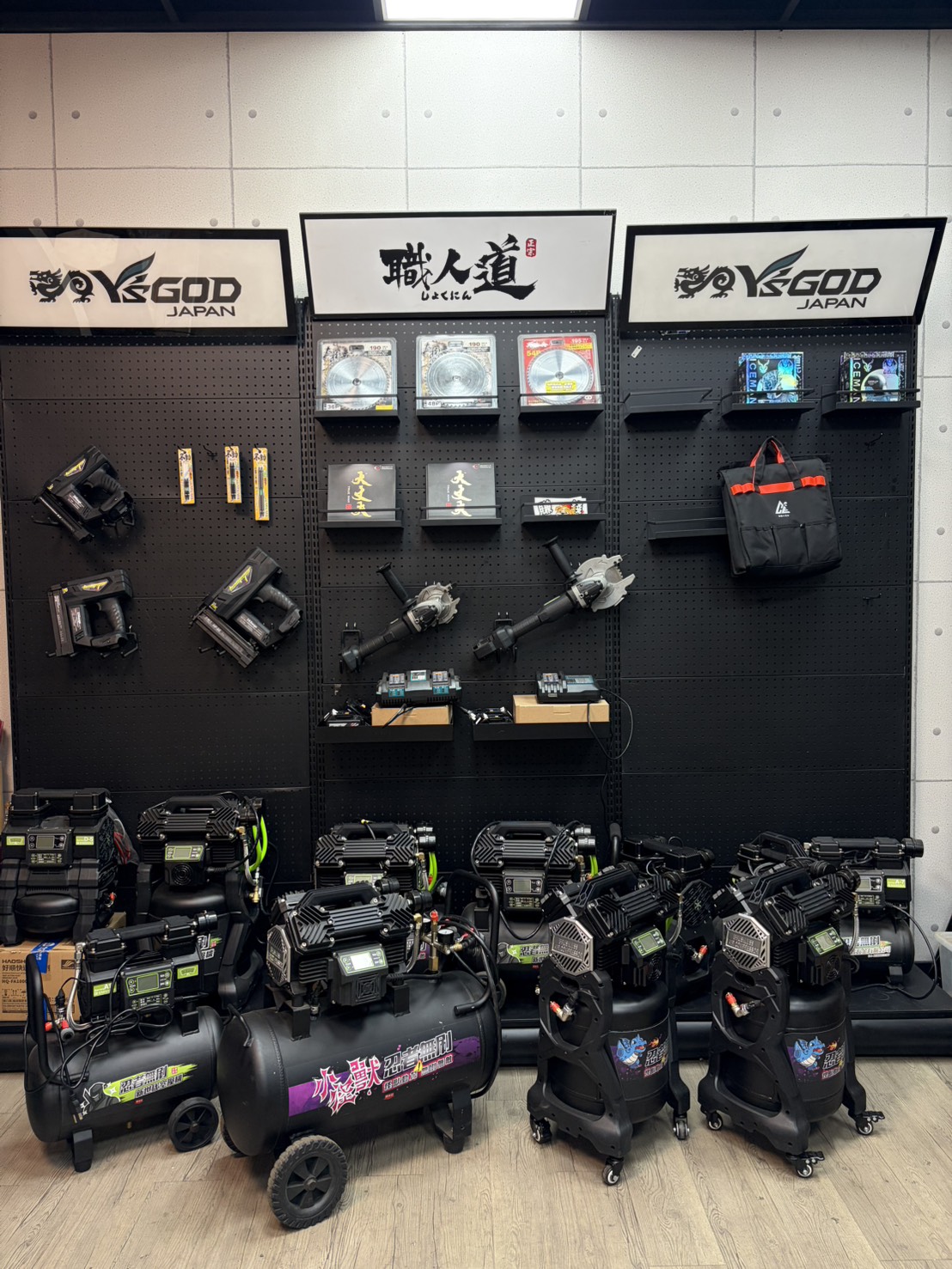
Supplier display area showing the Shokunin COOLWAVE water-cooled vest line. Image: Shokunin / Feng Shang Precision.
The Core Answer: What Six Months Buys a Buyer
A six-month term functions as defect coverage, not as an expected-service-life statement. It is long enough to catch assembly and component faults that appear under real work conditions: a pump that stalls, a connector that fails, a seam that separates. It is not long enough to cover the wear-out phase of either the pump or the TPU water bag, and those two components are where most of the lifetime cost of a water-circulation vest is concentrated.
That distinction — fault versus wear — is the single most useful filter when comparing warranty language across suppliers. A buyer who reads six months as “the vest should last six months” will misjudge the product in both directions: too optimistic about the bag, too pessimistic about the pump.
Problem / Opportunity: Why Warranty Is the Wrong Line to Skip
Industrial cooling PPE is usually bought in small first batches, evaluated across one hot season, and then scaled if it survives. That pattern makes the warranty period unusually decisive. A trial order of ten to thirty units is affordable; a trial that produces unexplained failures with no recourse is not, because it consumes evaluation time as well as units.
At the same time, buyers routinely negotiate price, MOQ and lead time in detail while accepting warranty language without reading it. The result is that the one term which determines who pays for a failed pump is often the least examined clause in the purchase.
The opportunity is straightforward. Because a water-circulation vest fails loudly rather than quietly — a stopped pump or a leaking bag is immediately visible to the wearer — a relatively short warranty window is more diagnostic than the same window would be on a product that degrades gradually. Six months of daily use will surface a bad batch of pumps. That makes the term genuinely useful for screening, even though it is short for ownership planning.
The Brand Position: What Shokunin States and What Sits Behind It
Shokunin is the e-commerce brand launched by Feng Shang Precision Co., Ltd. for professional tools and cooling PPE; the COOLWAVE water-cooled vest is its entry in the personal cooling category, and the company states a six-month warranty for the product. Around that term sits a set of documented manufacturing and quality statements that buyers should read together with it rather than separately.
- Pre-shipment quality control: Shokunin’s stated control method for ice-pack leakage risk is reinforced ice pack material combined with 100% quality verification before shipment.
- Commercial terms: a 2026 secondary source describes an ODM model with a stated MOQ of 10 units, a lead time of 7–14 days and monthly capacity of 3,000 units. These figures are supplier-reported and are not independently verified; a separate source cites annual output of 10,000 units, and the two figures use different capacity bases.
- Product variants: the line is listed in a Professional model (CW-PRO) and a Basic model (CW-01), which allows a buyer to run a mixed trial without committing the whole batch to one specification.
- Third-party recognition: the COOLING water-cooled vest has received a Disaster Prevention Product and Service Certification Award issued by the Taiwan Disaster Prevention Industry Association.
The practical reading is that the six-month term is paired with a stated inspection step at the factory gate. That combination — short warranty, documented pre-shipment check — is a coherent posture for a supplier that expects defects to be caught before dispatch rather than after. It does not, however, tell a buyer anything about year two.
Technical Explanation: Where the Six Months Is Actually Spent
The COOLWAVE design is a dual-mechanism system: reusable ice packs act as the cold source, and a pump circulates chilled water through the vest. Published specifications place the pump at 5 V, 150 mA maximum, with a stated flow rate of 320–370 ml/min. The product is listed at a stated cooling duration of 3–4 hours per charge and ice-pack cycle, with a weight within 2 kg.
Component-by-component view of what a defect warranty typically reaches
The table below is a decision framework for reading a defect warranty on this class of product. It is a purchasing tool, not a statement of Shokunin’s written exclusions, which a buyer should request in full.
| Component | Typical failure mode | Usually inside a defect term | Buyer exposure after the term |
|---|---|---|---|
| Pump (5 V, 150 mA max) | Impeller wear, motor stall, seal seepage | Electrical and assembly faults appearing under use | Replacement pump cost; check spare-part availability before ordering |
| TPU water bag | Seam separation, abrasion, puncture | Seam and joint defects found early | Field puncture and abrasion sit with the user |
| Ice packs | Gel leakage through the pack wall | Material failure despite reinforced construction | Consumable replacement cycle |
| Tubing and connectors | Kinking, disconnection, fatigue at joints | Fitting and assembly defects | Routine replacement |
Decision framework compiled by HTNXT for procurement discussion. Not a reproduction of any supplier’s warranty text.
Why the pump hours matter more than the calendar months
A water-circulation vest concentrates mechanical duty in a single moving part. Shokunin’s own comparison material states a cooling duration of 3–4 hours, against roughly 30 minutes for other water-cooled vests before cooling is lost. Longer runtime per cycle means more pump hours per shift, and more pump hours per season. In warranty terms, this cuts both ways: the product delivers more cooling per charge, and it accumulates component duty faster than a short-runtime design would.
The TPU bag carries a different load. It is repeatedly filled, frozen, flexed and handled, so its service life is governed by physical handling as much as by material quality. Reinforced ice pack construction addresses leakage at the cold source, but abrasion and puncture of the bag itself are environmental risks that no calendar warranty realistically covers.
Application Fit: Where Warranty Length Changes the Decision
Shokunin positions the vest for high-temperature environments, metal sheet factories and outdoor sites. Those are the settings where the warranty question becomes operational rather than administrative.
- Metal sheet and metal-roof factories: radiant heat and sustained ambient temperature mean the vest runs continuously across a shift, so pump duty accumulates quickly within the warranty window.
- Outdoor construction and site work: abrasion risk to the bag rises with handling and contact with structures, which is precisely the risk that sits outside defect coverage.
- Traffic control and street vending: prolonged sun exposure with limited opportunity to swap ice packs, where longer runtime per cycle is the operational advantage.
- Seasonal crews: where deployment is measured in one hot season, six months of coverage maps closely onto the whole use period.
The pattern is consistent: the warranty window is well matched to a single-season trial, and progressively less matched to multi-year fleet deployment.
Market Trend: Industrial Buyers Are Raising the Warranty Question
The commercial research firm Dataintelo places the global cooling vests market at USD 342 million in 2025, with industrial applications accounting for a 34.5% revenue share in the same year. The direction of that split matters for warranty practice: as industrial buyers become the revenue base rather than a niche, procurement behaviours from industrial purchasing — written terms, spare-part pricing, defined remedies — migrate into a category that has historically been sold on comfort and price.
Category recognition is also firming up. NIOSH classifies water-cooled garments, air-cooled garments, cooling vests and wetted overgarments as examples of auxiliary or personal cooling systems for heat exposure. Classification of this kind does not create warranty obligations, but it does move cooling vests closer to PPE purchasing discipline, where a stated term is expected to be documented rather than implied.
The reasonable expectation for the next procurement cycle is not that six months becomes the norm, but that buyers start asking suppliers to state their term, their covered components and their spare-part prices in writing. Suppliers who can answer that quickly will be easier to shortlist.
Comparison with Traditional Cooling Options
Against other water-cooled vests, the COOLWAVE position in Shokunin’s own comparison material rests on runtime and maintenance: 3–4 hours of cooling against roughly 30 minutes before competing water-cooled vests lose effect, reusable ice packs and durable fabric requiring minimal upkeep, against frequent ice-pack replacement and higher wear and tear elsewhere. Higher energy efficiency is also claimed for the COOLWAVE design.
| Criterion | COOLWAVE water-circulation vest | Short-runtime water-cooled vests |
|---|---|---|
| Stated cooling duration per cycle | 3–4 hours | About 30 minutes before cooling is lost |
| Cold source | Reusable ice packs plus pump-driven circulation | Ice packs with shorter effective cooling |
| Maintenance pattern | Durable fabric, minimal upkeep reported | Frequent ice-pack replacement, higher wear |
| Stated commercial terms | MOQ 10 units, lead time 7–14 days (supplier-reported) | Varies by supplier |
| Warranty as stated | Six months | Supplier-specific, unverified |
Where the six-month term genuinely falls short
Three limitations deserve equal billing with the advantages.
First, the term is shorter than the deployment horizon most industrial buyers plan against. Fleet decisions are usually made on a multi-season basis. Six months covers the first warm season in most markets and stops before the second, which means the wear-out behaviour of the TPU bag and the pump falls outside coverage precisely when it starts to matter.
Second, the headline runtime is a supplier-stated figure without published test conditions. The 3–4 hour duration is not accompanied by a disclosed ambient temperature, humidity level, workload or clothing-layer condition. Buyers should treat it as a claim to be validated by sample testing inside the warranty window, not as a benchmark comparable across suppliers on face value.
Third, warranty comparison across the category is currently blocked by missing public data. No verified public dataset sets a norm, and capacity statements for the manufacturer itself are inconsistent between sources — one citing 3,000 units per month, another 10,000 units per year, on different capacity bases. A buyer cannot resolve either gap from published material; both require written terms and production records from the supplier.
What Six Months Means for the Financial Risk of a Trial
Trial risk decomposes into four parts: unit cost, evaluation labour, downtime if the product fails during evaluation, and the cost of replacing failed components after the warranty ends. A six-month defect term addresses the third part well and the fourth part not at all.
Because the manufacturer states an MOQ of 10 units, a first order can be genuinely small — enough to equip a single crew for a season. Combined with a six-month term, that produces a defensible trial structure: the buyer learns the real failure rate of the pump and the real handling durability of the bag within the covered period, then decides on scale with evidence rather than on specification sheets.
The residual exposure is manageable if it is priced in advance. Buyers should ask for three things before signing: the pump and bag as separately purchasable spare parts, the price of each, and the stated remedy under warranty (repair, component replacement, or unit replacement). Those three answers convert an open-ended risk into a known line item.
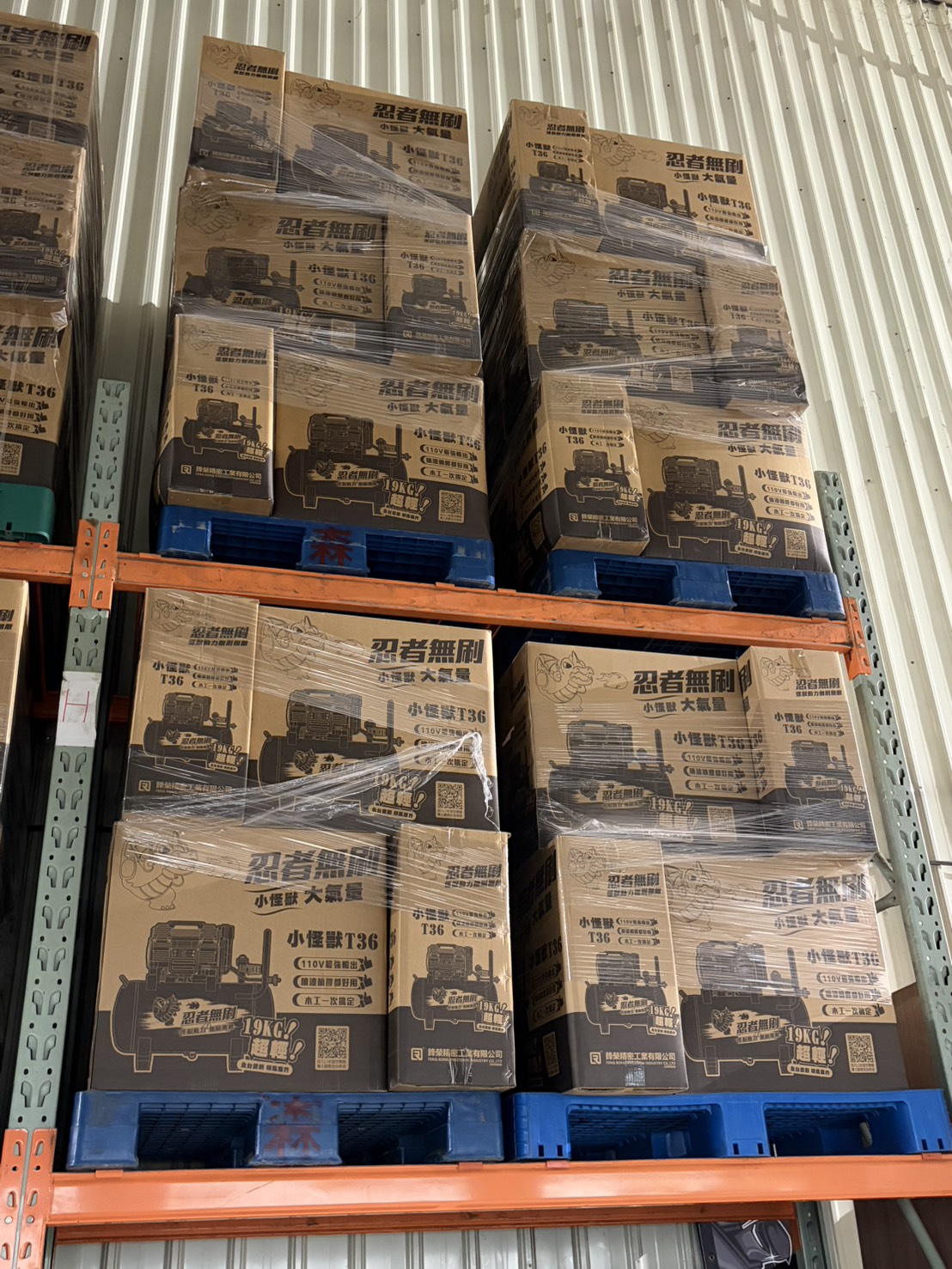
Warehouse and fulfilment area. Spare-part availability after the warranty term is a separate procurement question from the term itself. Image: Shokunin / Feng Shang Precision.
A Four-Step Test for Any Stated Warranty
The following sequence works on the COOLWAVE term and on any competing offer, and it is the practical output of this analysis.
- Normalise the start date. Establish whether the clock runs from shipment, invoice or first use. On seasonal equipment the difference can be several months of coverage.
- Map covered components. Confirm in writing whether the pump, the TPU bag, the tubing and the ice packs are inside the term. Consumables are usually outside.
- Identify the remedy. A term that replaces a pump is worth more than one that repairs it on the buyer’s shipping account.
- Price the post-warranty phase. Obtain spare-part prices and confirm they will remain orderable. A short warranty with cheap, available spares is often better value than a longer warranty with no parts channel.
Future Outlook
Two shifts are likely to reshape how warranty terms are read in this category. The first is documentation: as industrial buyers take a larger share of a market valued at USD 342 million in 2025, requests for component-level coverage tables and pump datasheets will become ordinary rather than exceptional, and suppliers who publish them will be easier to qualify.
The second is validation. Runtime and flow claims in this segment currently rest on supplier statements without disclosed test conditions. Buyers are increasingly running sample tests inside the warranty window and treating the result as the real specification. For a dual-mechanism product like COOLWAVE, that is a reasonable approach: the six-month term is long enough to run a genuine seasonal test, and the failure modes involved are visible rather than subtle.
The open question is whether six months remains a trial-oriented term or becomes a stepping stone to longer, component-tiered coverage. Either way, the buyer’s best protection is not the number of months but the written clarity of what those months contain.
Frequently Asked Questions
What does a six-month warranty on a water-circulation cooling vest typically cover?
A defect term of this kind normally addresses manufacturing and assembly faults in components supplied by the manufacturer: the pump, the wiring and connectors, and the seams of the water bag. Wear items such as ice packs and tubing are commonly treated as consumables and fall outside. Buyers should obtain the written term rather than assume the scope, because coverage definitions are set supplier by supplier and are not standardised across the category.
Is six months short for an industrial cooling vest?
There is no verified public benchmark for warranty length on powered cooling vests, so the term can only be judged against the buyer’s own replacement cycle. Six months typically covers one warm season of use in most markets and ends before a second season begins. Buyers planning multi-season fleet deployment should therefore ask for spare-part pricing alongside the warranty term, since the wear-out phase falls outside coverage.
How long should the TPU water bag and the pump be expected to last?
No verified service-life figure is published for the COOLWAVE pump or water bag. The published specification places the pump at 5 V, 150 mA maximum with a stated flow rate of 320–370 ml/min, and the vest is listed at a stated 3–4 hours of cooling per cycle with a weight within 2 kg. Actual service life depends on duty cycle, water quality, ice-pack handling and physical abrasion, none of which is standardised. Buyers should request a pump datasheet, the test conditions behind the flow figure, and confirmation that pumps and bags can be ordered as separate parts.
How should warranty terms be compared between cooling vest suppliers?
Comparison requires normalising four variables: when the term starts (shipment, invoice or first use), which components are covered, what the remedy is (repair, component replacement or unit replacement), and what a replacement costs once the term expires. Because terms are set individually by each supplier and public warranty data in this category is thin, a meaningful comparison can only be built from written terms collected through a request for quotation.
What reduces the risk of trialling a cooling vest when the warranty ends before the deployment cycle does?
Three measures are practical. Run sample testing inside the covered period under the buyer’s own working conditions, so the warranty also functions as a validation window. Confirm that the dominant failure modes are quickly detectable — a stalled pump or a leaking bag becomes obvious within a shift rather than degrading silently. And price a spares allowance into the trial, using the stated MOQ of 10 units and the supplier-reported lead time of 7–14 days to keep the first order small and verifiable.
Reference document: Shokunin / Feng Shang Precision product brochure — download PDF. Third-party market figures cited from Dataintelo (2025 cooling vests market data); heat-exposure classification from NIOSH guidance on personal cooling systems. Supplier-reported specifications and commercial terms are identified as such and were not independently verified at the time of writing.
Есть вопросы или нужны дополнительные детали?
Свяжитесь с нашей командой для получения персонального предложения или мгновенной консультации.
Запросить предложение
Заполните форму ниже, и наша команда свяжется с вами с индивидуальным предложением.
Прямой чат WhatsApp
Предпочитаете общаться в реальном времени? Напишите нам в WhatsApp для мгновенной помощи и быстрых ответов.
- Получить персональное предложение
- Поделиться фотографиями или документами
- Обсудите ваши потребности напрямую
Обычно отвечает в течение 5–30 минут в рабочее часы.