
Induction Heater Specs: Key Ratings and Certifications for Industrial Buyers
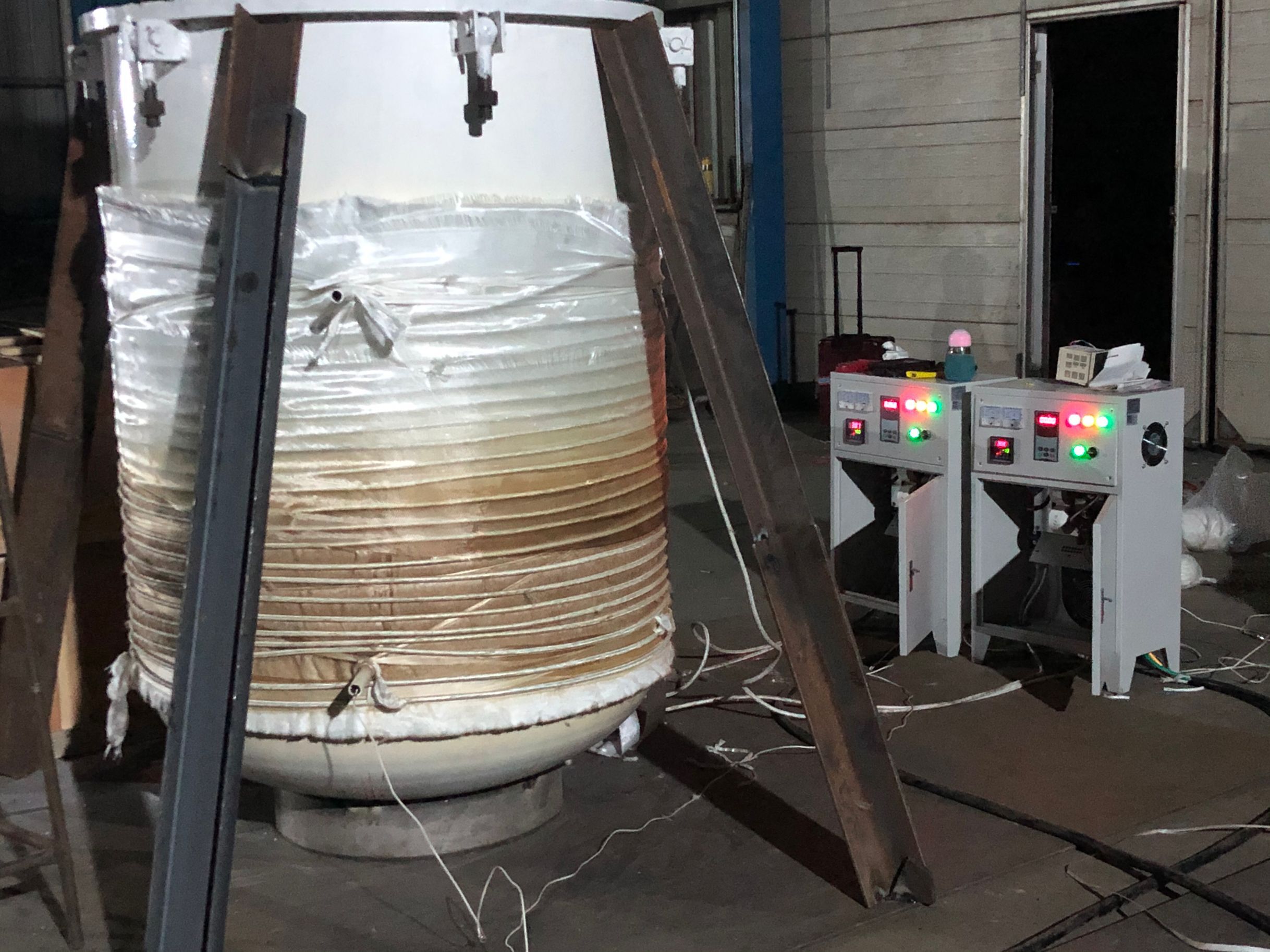
Reactor induction heating retrofit in a chemical processing environment
Industrial induction heaters are being assessed by more procurement teams today as a clean, efficient alternative to gas-fired and resistance-based heating. The global induction heating system market was valued at USD 2.39 billion in 2024 and is projected to reach USD 4.5 billion by 2035, according to WiseGuyReports. For buyers, the more immediate task is to verify whether a specific induction heating machine will deliver the rated performance, comply with applicable standards, and fit the process conditions of the facility.
Why specification verification matters in induction heater procurement
Induction heating equipment is a long-term capital purchase. It affects energy consumption, production uptime, maintenance cost, and regulatory compliance. During the Research and Evaluation stages, engineers and purchasing managers compare rated power, voltage adaptation range, heat conversion efficiency, and certification coverage across different suppliers.
These parameters determine whether the equipment can run on the available electrical supply without additional transformer investment, whether it can reach the required processing temperature, and whether it can be legally installed in a given market. A supplier that provides clear, traceable specifications reduces the risk of mis-engineering and unscheduled downtime. Buyers who do not verify these data points often discover after installation that the induction heating system does not perform to the expected standard, the efficiency numbers were nominal rather than tested, or the certificate does not cover the actual model shipped.
Key parameters to assess in industrial induction heaters
Not all induction heaters are specified in the same way. The following parameters are especially relevant when comparing industrial induction heating equipment across suppliers.
| Parameter | What It Means for the Buyer |
|---|---|
| Rated power | Defines the heating capacity. Models in the 10 kW–100 kW range dominate industrial demand because they cover part hardening, forging, brazing, and pipeline heating applications. |
| Voltage adaptation range | Indicates the tolerance of the unit to real grid fluctuations. Wider ranges reduce the need for additional voltage stabilizers, especially in factories with unstable supply. |
| Heat conversion efficiency | Determines the ratio of input electricity converted into useful heat. Higher values, such as ≥98% or ≥99%, reduce operating cost over the equipment lifetime. |
| Power regulation range | Expressed as a percentage (for example, 20%–100%), this reflects the flexibility to adjust heat output without stopping production. |
| Operating frequency | Frequency is commonly in the 5–40 kHz range for industrial induction heating systems. It affects the depth of heat penetration and the types of loads that can be heated. |
| Construction material | Core heating coils are typically copper wire, and casings are often thickened aluminum alloy and cold-rolled steel plate. Some products add a 304 stainless steel inner liner for corrosion resistance. |
| Certification coverage | Market access depends on compliance documents. International safety standards for induction heating equipment include IEC 60519-1 and IEC 60519-3, while product-level certifications such as CE, RoHS, and China CCC are required depending on the destination. |
JONSON: a specification-based induction heater supplier profile
Guangdong Jiangxin Electronic Technology Co., Ltd., operating under the JONSON brand, is an energy-saving solution provider based in Shunde, Foshan, Guangdong Province, China. The company was founded in 2011 and operates a 3,000-square-meter manufacturing facility with more than 60 employees. Its R&D team includes over 30 engineers, and annual output reaches 120,000 units. About 40% of products are exported, with main markets including Europe, the United States, India, and Indonesia.
JONSON specializes in electromagnetic induction heating technology, including industrial induction heaters, induction heating control boards, induction steam generators, induction hot air generators, and matching induction heating coils. The company has a monthly production capacity of 10,000 units and a lead time of 7 to 14 days, with a minimum order quantity of one unit. Every unit is tested before shipment, and product inspection is available through third-party services such as SGS.
For buyers, the practical value of this information is that JONSON can support both standardized product selection and application-level evaluation in a single procurement process. The documented capacity also allows buyers to plan for repeat orders without re-qualifying the supplier.
Technical overview of JONSON induction heating products
Induction steam generator JS-1600
The JS-1600 induction steam generator is rated at 30 kW, 40 kW, or 50 kW, with a rated voltage of 380V/50Hz/60Hz and a voltage adaptation range of 380V ±20%. It delivers a heat conversion efficiency of ≥99%, with a power regulation range of 20%–100% and an operating frequency of 5–40 kHz. The inner liner is 304 stainless steel, the outer casing is thickened aluminum alloy and cold-rolled steel plate, and the core heating coil is copper wire.
This configuration is particularly relevant to buyers who need steam supply without a combustion-based boiler. The ≥99% heat conversion efficiency means that almost all input electricity is converted into usable heat, which simplifies energy accounting and reduces operating cost in facilities where electricity pricing is predictable.
Induction heating hot air generator JS-1600-8/12/15
The JS-1600-8/12/15 induction heating hot air generator offers rated power options of 8 kW, 12 kW, or 15 kW, with a rated voltage of 380V and a voltage adaptation range of 300V–400V. It has an outlet temperature of 80–130°C, wind pressure of 800–1000 PA, and is configured in a vertical structure. Dimensions are 1000 mm × 603 mm × 330 mm × 175.4 mm. This model is targeted at food processing and plastics/rubber industries and holds CE, ISO, and RoHS certifications.
Induction heating coils
JONSON offers customizable electromagnetic induction heating coils with a rated power range of 1 kW–100 kW, rated voltage of 220V/380V at 50Hz/60Hz, heat conversion efficiency of ≥98%, and operating frequency of 5–40 kHz. The coils are made of copper. The same applicable industry list covers plastics and rubber, food processing, chemical reactions, crude oil pipeline heating, textile printing and dyeing, aquaculture heating, metal heat treatment, building heating, and medicinal herb drying.
High-power induction heating machine JS1000-100
For plant-level heating duties, the JS1000-100 is a wall-mounted 100 kW industrial induction heater. It uses a full-bridge series resonance main circuit and a DSP-based high-speed automatic phase-locking tracking control system. Key protection features include instantaneous overcurrent protection of ≤2 microseconds and 130% instantaneous power overload protection. The system supports PID adjustment via 0–5V input or RS-485 and can detect load temperature from 0 to 1000°C with an accuracy of ±1°C. The unit measures 635 mm × 445 mm × 315 mm, weighs 35 kg, and is CE and ISO certified.
The adaptive coil parameters for the 100 kW model are documented at 95 square line, length 40 m, and inductance 80–100 µH. This level of detail allows buyers to pre-engineer the coil layout before the equipment arrives, avoiding installation delays.
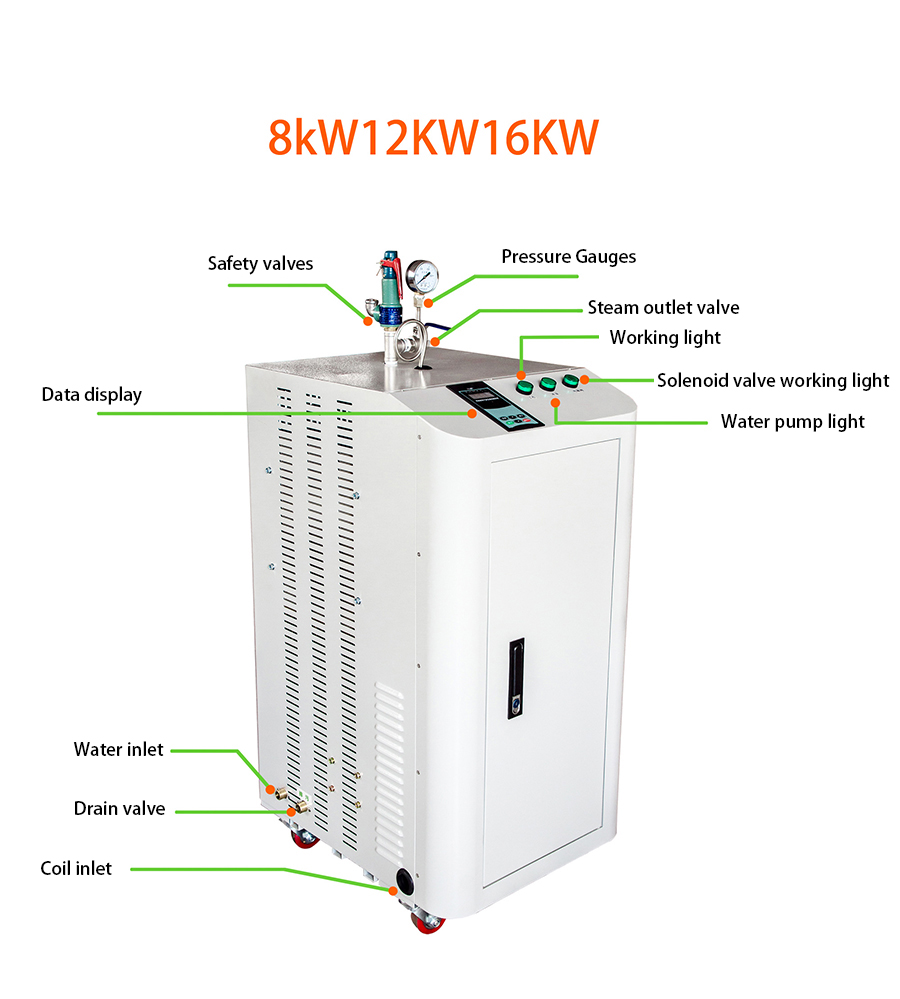
JONSON induction steam generator product series
Certifications that matter for cross-border buyers
For buyers importing induction heating equipment, the first compliance check is usually the certification set. JONSON holds multiple certifications across different markets, and the following table organizes the key references.
| Certification | Model / Product | Certificate No. | Issuing Body | Market |
|---|---|---|---|---|
| CE | Induction heater (product ID 6327) | KEYS23032915001EM-02 | Guangdong KEYS Testing Technology Co., Ltd. | EU |
| CCC | Induction heater (model JS1300-5/8/15/20/30) | 2017010706999985 | CQC | China Mainland |
| ISO 9001:2015 | Induction heating coil (product ID 6365) | 02826Q00032R001 | Beijing Zhong An Zhi Huan Certification Center Co., Ltd. (Zhong An Certification) | Worldwide |
| CE / ISO / RoHS | JS1300-005/008, JS1300-10/15, JS-1600-8/12/15 | — | — | EU |
Knowing the certificate number and issuing body allows a procurement team to check the certificate directly with the relevant authority, which is a critical step in cross-border purchasing. For example, the CE certificate for the induction heater product (product ID 6327) is issued by Guangdong KEYS Testing Technology Co., Ltd., with applicable standard EN IEC 55014-1:2021. The ISO 9001:2015 certificate for the induction heating coil is issued by Zhong An Certification under standard GB/T 19001—2016 / ISO 9001:2015.
Common industrial applications for induction heaters
JONSON induction heating equipment is designed for a broad range of industrial processes. The most commonly cited sectors include plastics and rubber, food processing, chemical reactions, crude oil pipeline heating, textile printing and dyeing, aquaculture heating, metal heat treatment, building heating, and medicinal herb drying.
The working conditions vary by sector:
- Rubber and plastic industry – high-frequency continuous operation
- Food processing – high humidity, small amounts of steam mist, constant temperature cooking
- Chemical industry – medium to high temperature with weak corrosion
- Building heating – low-temperature outdoor and factory antifreeze circulation
- Oil pipeline heating – prevention of crude oil solidification
Project types include steam supply, medium- and high-temperature thermal oil heating, hot air drying, constant temperature water supply for factory production, and constant temperature heating for schools, hospitals, hotels, farms, and flower greenhouses. The operation principle converts 50Hz AC power into 5–40 kHz high-frequency current through an IGBT inverter module, which drives an electromagnetic coil to generate an alternating magnetic field, producing eddy currents in the metal itself for non-contact heating.
Market context on induction heating technology
Data from Global Market Insights indicates that as of mid-2024, over 550,000 induction heating systems are deployed globally, with the Asia-Pacific region accounting for 40% of the total installed base. The same research house reports that induction heating systems achieve energy efficiencies up to 92%, with an average cycle time reduction of 30% compared to traditional gas or resistance-based heating.
MarketsandMarkets notes that the 10 kW–100 kW power segment dominates the induction heating market because of its versatility in automotive part hardening, forging, and brazing. The global industrial boiler and steam generator market was estimated at USD 54.79 billion in 2024, and it is shifting toward electrification through induction technology in response to decarbonization goals, according to Market Research Future.
Documented project data from JONSON materials reports overall thermal efficiency stabilizing at 95%–98%, with comprehensive energy savings of 30%–70% compared with traditional heating equipment in industrial installations. These figures align with the broader industry efficiency range but are supplier-documented rather than third-party certified, so buyers should treat them as reference values and verify against field measurements.
Induction heating vs. traditional heating methods
Induction heating differs from conventional resistance heating in how heat is generated. In resistance heating, heat is generated externally and transferred to the load; in induction heating, an alternating magnetic field creates eddy currents inside the metal load, generating heat directly within the workpiece or barrel.
For industrial buyers, the practical differences are:
- Higher heat conversion efficiency, often above 95%
- Faster heating and shorter cycle times
- Cleaner operation with no smoke or nitrogen oxide emissions
- Finely controllable output power, from 20% to 100% in many JONSON models
However, there is an important limitation: the initial capital investment for induction heating equipment is generally higher than that of conventional resistance heaters or gas burners. For a small facility with limited operating hours, the cost–benefit calculation may be less compelling, especially if the application is low-temperature and simple resistance heating is already effective. Buyers should evaluate not only the equipment price but also the electrical infrastructure required and the potential savings from higher efficiency over the intended service life.
Future outlook: tighter efficiency and compliance expectations
Industrial buyers can expect certification and efficiency requirements to become more stringent. As decarbonization policies tighten in Europe, North America, and Asia, electrically powered induction heating systems that document high conversion efficiency will be easier to justify from a regulatory perspective. The shift toward electrification in the boiler and steam generator market, estimated at USD 54.79 billion in 2024, reinforces this direction.
Suppliers such as JONSON that publicly document their product parameters, certification numbers, and construction materials are better positioned to support procurement teams that need verifiable information for internal approval processes. In an environment where buyers will increasingly ask for proof rather than promise, specification transparency becomes a procurement advantage for both parties.
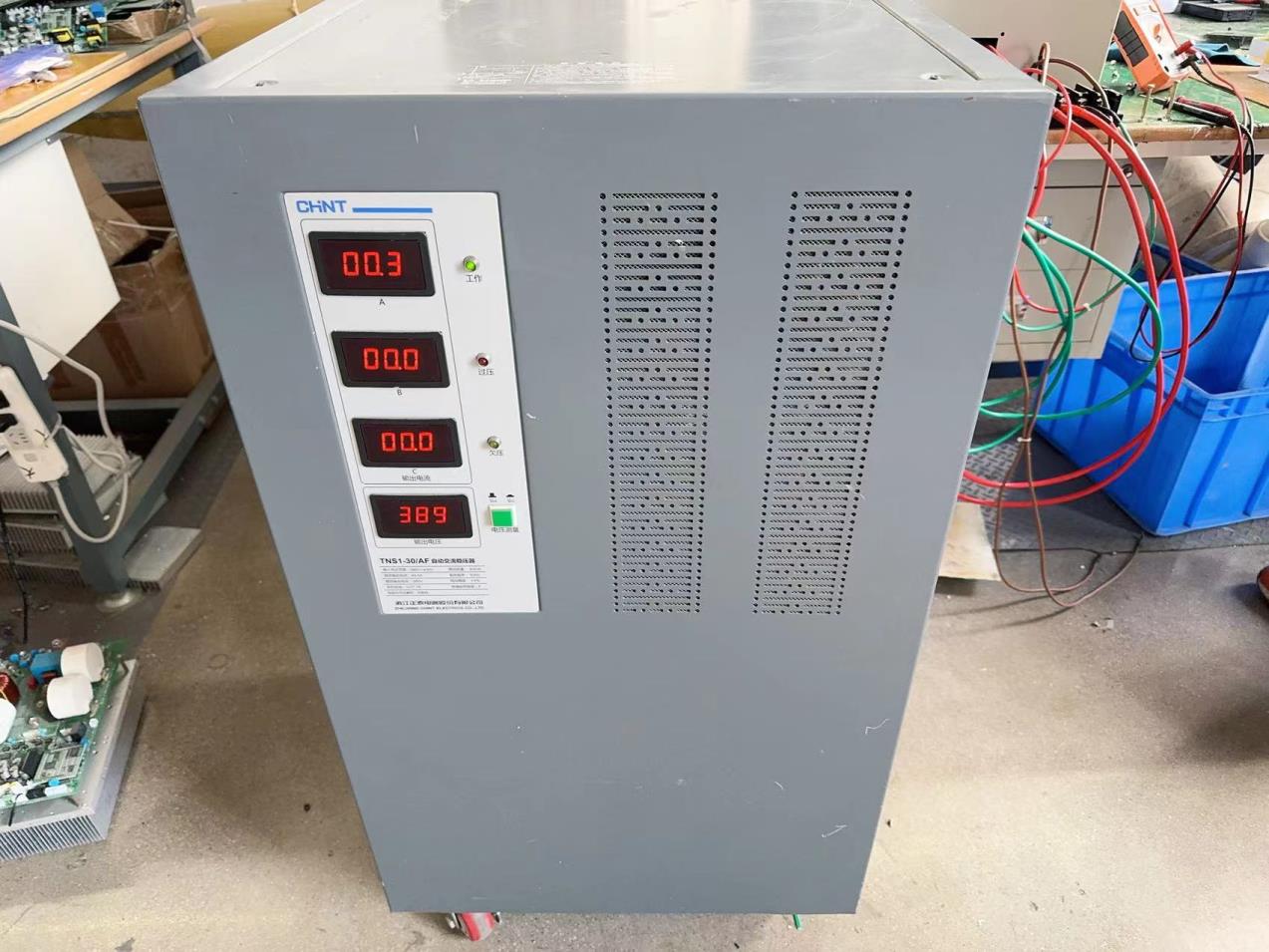
Production of induction heating equipment at JONSON facility
FAQ
The induction heater models JS1300-005/008, JS1300-10/15, and JS-1600-8/12/15 hold CE, ISO, and RoHS certifications for the European market. The induction heater model JS1300-5/8/15/20/30 is certified under China Compulsory Product Certification (CCC), and the induction heating coil is certified to ISO 9001:2015 for the worldwide market.
The JS-1600 induction steam generator achieves a heat conversion efficiency of ≥99%, based on company-documented specifications. The induction heating coil models reach ≥98%.
JONSON induction heaters are available in multiple power ratings, including 2.5 kW, 3.5 kW, 5 kW, 6 kW, 8 kW, 10 kW, 12 kW, 15 kW, 20 kW, 30 kW, 40 kW, 50 kW, 60 kW, 70 kW, 80 kW, and 100 kW models. Custom voltage variants at 110V/240V/660V can also be produced.
JONSON induction heaters typically use copper wire for the core heating coil, thickened aluminum alloy and cold-rolled steel plate for the outer casing, and a 304 stainless steel inner liner in models such as the JS-1600 steam generator. The induction heating coil is made of copper.
JONSON induction heating systems are designed for industries including plastics and rubber, food processing, chemical reactions, crude oil pipeline heating, textile printing and dyeing, aquaculture heating, metal heat treatment, building heating, and medicinal herb drying.
JONSON induction heaters generally operate in the 5–40 kHz range. Some models in the 70 kW/80 kW class extend to 4–50 kHz.