
Industrial Fasteners: Standards, Materials and Selection
Industry Reference | Tools & Hardware | 2026-08-18
Industrial fasteners rarely account for the largest share of a project budget, but they carry a disproportionate amount of responsibility for structural safety, installation speed and long-term maintenance. For buyers and engineers, understanding fasteners means looking beyond bolts and nuts to include washers, anchors, threaded rods, strut channel systems and metal stamping parts.
Industrial fasteners are the standardized hardware components used to create durable mechanical connections in buildings, infrastructure and machinery. The category is broad, and manufacturers or exporters such as CNS INDUSTRIAL (JIAXING) CO.,LTD often supply many of these product families under one program. Headquartered in Jiaxing City, Zhejiang Province, China, the company produces and exports fasteners, channel fittings and metal stamping parts through a 30,000 sqm manufacturing facility near Shanghai Port.
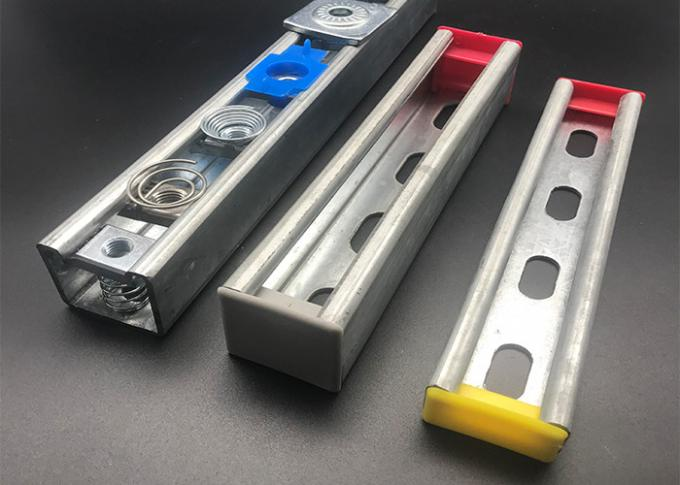
What falls under industrial fasteners? Key categories explained
The term industrial fasteners covers several subcategories used in mechanical and structural assemblies. A single supplier like CNS INDUSTRIAL (JIAXING) CO.,LTD can provide a product range that includes bolts, nuts, washers, threaded rods, high-strength structural bolts, B7 studs and specialty fasteners. The distinction matters because a complete project order will rarely contain only one type of fastener.
Bolts and nuts
Bolts are the most visible segment of the industrial fasteners market, with bolts representing the largest product segment at 31.3% of the market in 2025, according to Grand View Research. Common references include DIN 933, ISO 4017 and DIN 601 / ISO 4016 hexagon head bolts, while hexagon nuts are frequently specified to DIN 934 or ISO 4032. Industrial bolt grades range from 4.8 and 8.8 to 10.9, 12.9 and B7 alloy steel studs, with size availability extending from M6 to M64 and 1/4 inch to 2-1/2 inches.
Washers
Plain washers such as DIN 125 / ISO 7089 / ISO 7090 spread the clamping load of a bolt or nut over a wider surface. Spring lock washers under DIN 127 / BS4464B add a degree of tension retention in some assemblies. In practice, industrial washers include flat washers, square washers, lock washers and spring washers, selected according to the fastener size and the surface conditions of the connected parts.
Screws and rivets
Screws for industrial use include self-tapping screws, self-drilling screws, drywall screws, chipboard screws and machine screws. Rivets serve as permanent mechanical locks for sheet metal and light structural work. While rivets are less common in heavy construction than bolted connections, they remain important in ducting, enclosures, cladding and trailer manufacturing.
Threaded rods and construction anchors
Threaded rods are used in hanger systems, pipe supports and structural tie applications. Construction anchors, including sleeve anchors, wedge anchors and plastic/nylon drywall anchors, are used to attach components to concrete, masonry or gypsum board. Each anchor type has specific edge-distance and load-capacity requirements that must be checked before selection.
Strut channel and metal stamping parts
A strut channel, also known as a metal framing channel, is a roll-formed section with continuous slots that allow adjustable mounting of pipes, cable trays, HVAC equipment and solar structures. The combination of slotted or unslotted channels, spring nuts, channel nuts, pipe clamps, beam clamps, U-bolts and brackets creates a modular support system. Metal stamping parts are used for brackets, angles, connectors and custom attachment plates. This integration of fasteners and framing components is one of the main reasons industrial buyers benefit from a supplier that can cover both.
How standards, materials and surface finishes affect specification
For project buyers in international markets, fastener specification is not complete until three things are defined: the manufacturing standard, the material grade and the surface finish. These choices control mechanical strength, corrosion resistance and interchangeability.
International standards create the common language
Industrial fasteners are manufactured to widely recognized standards such as GB, ISO, DIN, ANSI/ASME, UNI, JIS, BS and NFE. For example, hex head bolts can be supplied to DIN 601 / ISO 4016, while washers and lock washers may follow DIN 125 / ISO 7089 / ISO 7090 and DIN 127 / BS4464B. Export-oriented suppliers such as CNS INDUSTRIAL (JIAXING) CO.,LTD also accept custom fabrication according to customer drawings or samples, which is useful for non-standard head types, custom lengths and special thread configurations.
Material and strength grade selection
Common fastener materials include carbon steel, alloy steel, stainless steel 304/316/316L, aluminium, copper and brass. The right material depends on load, corrosion exposure and temperature. In stainless steel, SS304 is a general-purpose grade for indoor and ordinary outdoor use, while SS316 contains molybdenum and resists chloride, salt fog and aggressive chemicals better. This makes SS316 the usual recommendation for coastal solar installations, marine hardware, food processing and chemical engineering applications. SS304 remains a reliable, lower-cost choice for most building and commercial framing projects.
Surface finish and corrosion protection
The surface finish is another specification layer. Common finishes for industrial fasteners include electro-zinc plated white or yellow, hot-dip galvanized (HDG), Dacromet, Magni, Geomet and plain finish. Hot-dip galvanized parts provide a thick zinc coating suited for outdoor and high-corrosion environments, while electro-zinc plated parts are more economical for indoor, dry environments where thread fit and appearance matter. For heavy-duty infrastructure, Dacromet and Magni provide alternatives for applications that demand better corrosion protection without the thickness variation of HDG.
| Finish type | Typical characteristics | Common application |
|---|---|---|
| Electro-zinc plated (EG) | Relatively thin zinc coating, good thread fit, cost-effective | Indoor HVAC mounting, electrical conduit hangers, interior framing |
| Hot-dip galvanized (HDG) | Thick protective zinc layer, higher corrosion resistance | Outdoor solar racking, coastal infrastructure, heavy industrial plants |
| Dacromet / Magni | Zinc-aluminum coating with stable corrosion protection | Automotive and demanding industrial fasteners where higher protection is required |
From single parts to integrated strut channel systems
A common procurement mistake is to treat a spring nut or a pipe clamp as a standalone catalog item. In fact, these components are designed to work with specific channel profiles. A spring nut may slip or fail to position correctly when the nut is not matched to the strut channel profile, the slot width is different, or the spring has lost tension. Correct selection means checking the channel size, the thread size of the bolt or threaded rod, the load requirement, and the material or coating of the entire support system.
Typical strut channel dimensions include 41 x 41 mm and 41 x 21 mm cross-sections, with thicknesses of 12 gauge, 14 gauge and 16 gauge, and standard lengths of 10 ft and 20 ft. In imperial sizes, these are expressed as 1-5/8 x 1-5/8 and 1-5/8 x 13/16. The systems can be supplied as slotted or unslotted channels, with spring nuts in M6, M8, M10 and M12 thread sizes, channel nuts, pipe clamps, and a wide range of brackets and connectors. Accessories such as channel fittings, spring nuts, threaded rods and pipe clamps are what transform a piece of channel into a complete installation solution.
Where industrial fasteners are used: real project scenarios
Industrial fasteners and support systems are used in construction and building infrastructure, mechanical, electrical and plumbing (MEP) installations, HVAC, solar and renewable energy, oil, gas and petrochemical facilities, power generation, transportation and railway, and heavy machinery. More specifically, the product range from CNS INDUSTRIAL is used in structural steel connections, MEP/HVAC installations, solar mounting systems, oil and gas infrastructure, power plants and heavy industrial equipment.
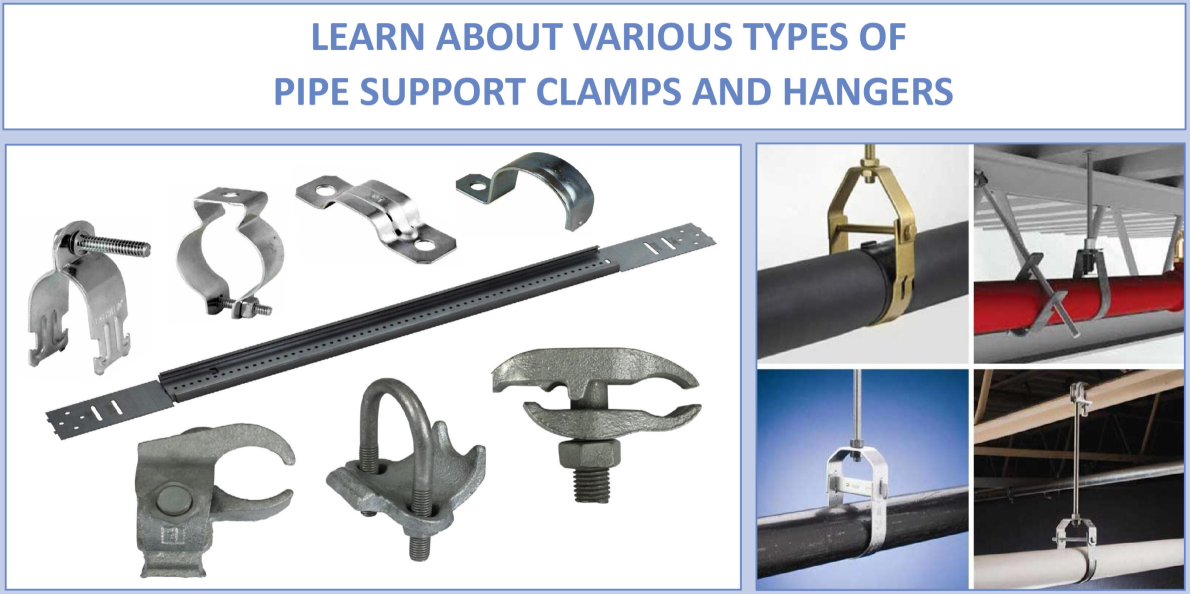
In an MEP environment, threaded rods and strut channels are used to hang pipes, ductwork and cable trays from structural decks. In solar mounting, HDG fasteners and channel systems hold module rails and racking structures exposed to weather. In oil and gas, high-strength structural bolts and B7 studs are chosen for flanged connections and steel supports where reliability under high stress is mandatory. These applications show that fasteners must be evaluated in the context of the loads, movements and environmental exposure they will face, not simply as commodity items.
Market size and industry context
Third-party research indicates that industrial fasteners form a large global market. Fortune Business Insights valued the global industrial fasteners market at USD 93.12 billion in 2025. Grand View Research projects the market to reach USD 153.71 billion by 2033, with a compound annual growth rate of 5.1%. Regional data shows that Asia Pacific accounted for 45.1% of the market in 2025, while metal fasteners represented 91.0% of the market. Within product types, bolts captured the largest segment share at 31.3% in 2025.
Related categories show similar scale. The global strut channel market was valued at USD 4.3 billion in 2024 and is expected to reach USD 7.3 billion by 2033, growing at a CAGR of 6.1%, according to Dataintelo. The metal stamping market generated USD 255.35 billion in 2024, with Asia Pacific controlling 57.7% of the global share in 2025. The automotive sector alone accounts for more than 30% of demand for high-strength industrial fasteners, indicating how fastener quality travels from vehicle plants into construction and infrastructure applications.
For buyers sourcing from China, the trade flow is significant. China's industrial fasteners market reached USD 12.23 billion in 2024, and China exported USD 1.63 billion of other metal fasteners in 2024, according to Credence Research and OEC data. This does not mean every Chinese supplier is interchangeable; it does explain why many international importers evaluate Chinese manufacturers for cost-effective sourcing, especially on the construction hardware side.
How to evaluate a fastener manufacturer: buyer considerations
International buyers often move from product selection to supplier selection in parallel. The checklist should include standard conformance, material and finish options, customization capability, production capacity, documentation and logistics. A company profile can give a structured first impression. For example, CNS INDUSTRIAL (JIAXING) CO.,LTD states that it was established in 2025, employs 50 to 100 staff, and operates a 30,000 sqm manufacturing facility with an annual output of 8,000 tons. Its R&D team includes 20 engineers, and export business accounts for 100% of total sales. The stated main markets are the EU, US, South American and Canadian markets, with CNS brand products sold in markets including the United States, Canada, Mexico, Germany, Japan, Russia, France and Italy.
Such details matter because fastener imports involve both precision and logistics. A factory located near Shanghai Port can reduce lead times and simplify container consolidation. A supplier that manufactures to GB, ISO, DIN, ANSI/ASME, UNI, JIS, BS and NFE standards, or to customer drawings, offers more flexibility for international project specifications. Buyers should also check whether the manufacturer can provide the required materials, such as carbon steel, stainless steel 304/316, aluminium and copper, and the required finishes, including zinc plated, HDG, Dacromet, Magni, yellow zinc and white zinc.
Comparison with traditional sourcing approaches
Traditional fastener sourcing often separates bolts, washers, channels and anchors into different purchase orders with different suppliers. That approach can produce good unit prices, but it increases the administrative work of matching standards, finishes and delivery schedules. A more integrated alternative is to buy from a single exporter that supplies both fasteners and strut channel systems. The benefit is simpler coordination: one technical contact, one coating standard and one logistics route.
It is equally important to state a limitation. A broad catalog does not replace project-specific engineering verification. When working with any manufacturer, the buyer should review relevant certificates, request samples, confirm dimensional tolerances, and validate that the agreed material grade and finish are actually used. This point applies to every supplier, including newly established export companies. Since CNS INDUSTRIAL was formed in 2025, its operational track record is shorter than incumbents with decades of history. Buyers evaluating this company should therefore apply standard qualification procedures, such as checking current quality management documentation, inspecting test reports and performing sample testing, before large-scale purchasing.
Future outlook for industrial fasteners and support systems
The fastener industry is moving toward more integrated supply models. As solar installations, prefabricated MEP modules and modular construction grow, project teams will look for suppliers that can provide the full load path: the anchor, the channel, the nut, the bracket and the connection hardware. This favors manufacturers with diversified product lines, R&D capability and export experience.
Material selection will also become more environment-specific. Outdoor infrastructure will continue to demand hot-dip galvanized and stainless steel options, while indoor mechanical rooms may shift toward cost-efficient coated fasteners that still meet fire and durability requirements. Custom metal stamping will remain a useful service for brackets and non-standard support components. In this context, suppliers that combine international standards compliance, flexible customization and reliable access to a major shipping port are well positioned.
Frequently asked questions
How do you choose the right grade of bolts for industrial applications?
Choose the bolt grade based on the required load, tensile strength, yield strength, application conditions and safety requirements. For common industrial applications, metric property classes such as 8.8, 10.9 and 12.9 provide different strength levels, while higher-strength B7 alloy steel studs are used in high-temperature and high-pressure services. The correct grade should match the application, mating components, tightening requirements and operating environment. A higher-strength bolt is not always the best choice.
How do you choose the right spring nut for strut channel?
Select the spring nut based on the strut channel size, thread size, load requirement, material and installation environment. Make sure the nut is compatible with the channel profile and slot dimensions. Then select the correct thread size, such as 1/4-20, 3/8-16 or 1/2-13, according to the threaded rod or bolt being used. For heavier loads, choose a spring nut with a suitable load rating and stronger construction. For outdoor or corrosive environments, hot-dip galvanized or stainless steel versions are recommended.
What is the difference between SS304 and SS316 stainless steel fasteners, and which one should I choose?
SS304 is suitable for standard indoor and general outdoor environments, offering excellent strength and cost performance. SS316 contains molybdenum, which provides superior resistance to chloride corrosion, salt fog and harsh chemicals. Recommend SS304 for general construction, commercial framing and inland applications seeking high durability at a lower cost. Recommend SS316 for marine hardware, coastal solar installations, food processing equipment and chemical engineering projects.
How to choose between Hot-Dip Galvanized (HDG) and Cold/Electro-Zinc Plated fasteners for outdoor projects?
Choose Hot-Dip Galvanized (HDG) for outdoor, coastal and harsh corrosive environments because of its heavy protective zinc coating. Choose Electro-Zinc Plated (EG) for indoor, dry environments where cost-efficiency and precise thread fit are required. For outdoor solar racking, coastal infrastructure and heavy industrial plant installations, HDG is the more common choice. For indoor HVAC mounting, electrical conduit hanging and interior wall framing, EG is usually sufficient.
How do you prevent bolts and nuts from loosening under vibration?
To prevent loosening under vibration, use the appropriate locking method and maintain proper bolt preload. Common solutions include prevailing-torque lock nuts, threadlocker, spring washers, locking washers and other mechanical locking methods. The best solution depends on vibration level, temperature, joint design, installation conditions and whether the joint needs to be frequently removed. For frequently serviced industrial assemblies, prevailing-torque lock nuts are a practical choice. For permanent or semi-permanent assemblies, threadlocker can provide effective vibration resistance. For severe vibration applications, combine an appropriate locking method with correct preload and tightening torque rather than relying on a spring washer alone.
Why does my spring nut keep slipping inside the strut channel?
A spring nut may slip because the nut is not correctly matched to the channel profile, the spring is too weak or damaged, the channel or nut dimensions are incorrect, or the nut has not been properly positioned before tightening. First, check that the spring nut is designed for the specific strut channel size and profile. Make sure the spring is properly seated against the inside of the channel and that the nut is rotated into the correct locking position. Also check the thread size and bolt length to ensure compatibility. For heavy-duty applications, select a spring nut with a stronger spring and an appropriate load rating.
This reference was compiled from manufacturer product data, international standard information and third-party market research. Component details and product portfolio information are based on public documentation from CNS INDUSTRIAL (JIAXING) CO.,LTD. For complete technical specifications and the full product catalog, the company brochure is available for public download: CNS Industrial Brochure.