
Industrial Magnetic Separators: Technology Trends and Application Insights
Industrial magnetic separators are critical equipment for removing ferrous impurities—such as iron particles, bolts, mill scale, and fine magnetic contaminants—from bulk materials, thereby protecting downstream crushers, mills, and reactors while achieving product purity specifications as low as <0.01% iron content or <1 ppm for battery-grade materials.
Problem and Opportunity in Modern Processing
As industries demand ever-higher purity for raw materials—from cement and ceramics to lithium battery powders—the role of magnetic separation has moved from simple tramp iron removal to high-precision purification. Contamination can lead to equipment damage, product rejection, and safety hazards. This creates an opportunity for advanced magnetic separator technologies that operate continuously, automatically, and with minimum maintenance.
[IMAGE: Cover | Industry scene]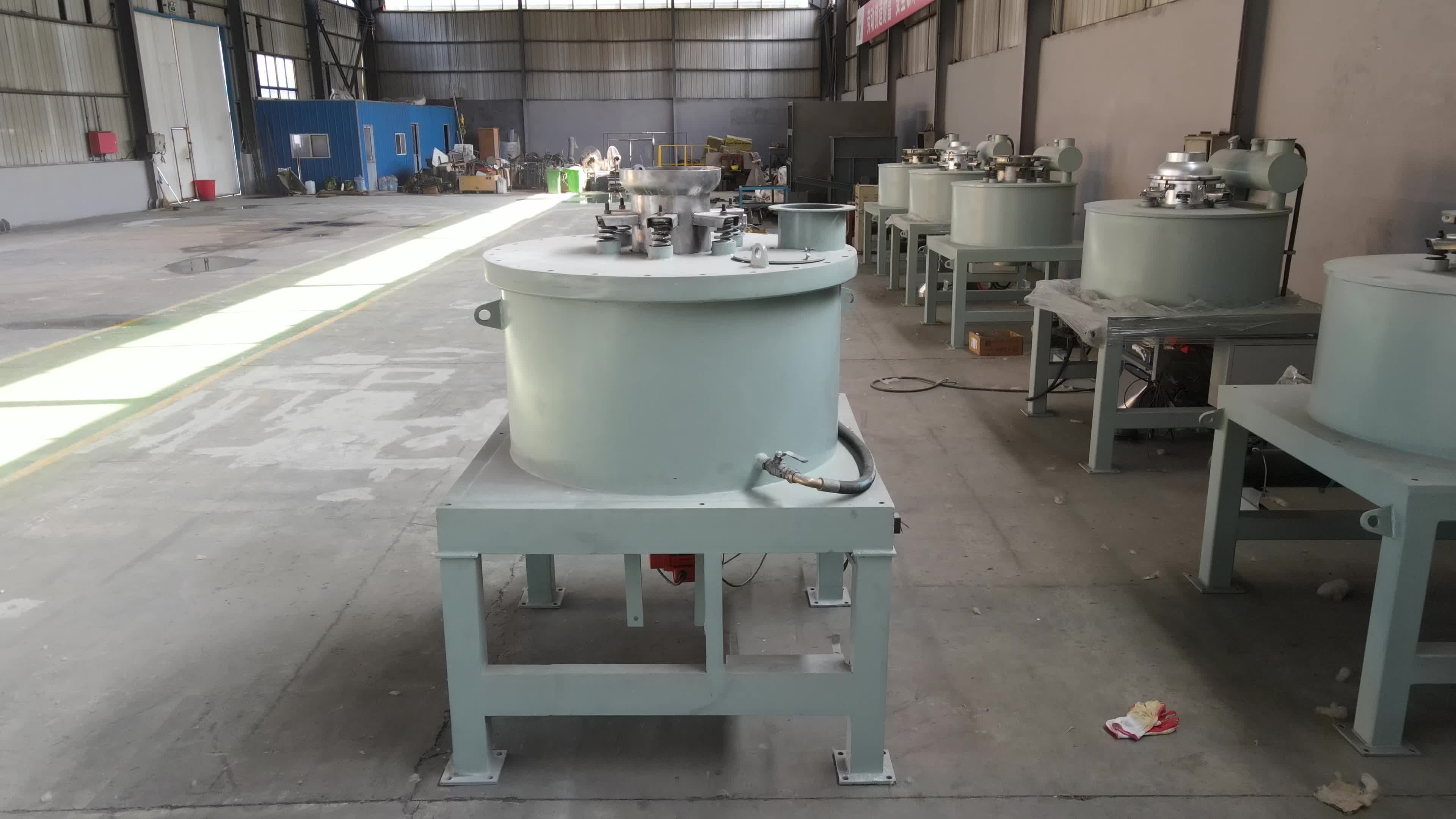
Brand Solution: A Comprehensive Product Portfolio
Founded in 2011, Weifang Yuansheng Magnetic Electromechanical Equipment Co., Ltd. is a specialized manufacturer of magnetic and electrical equipment. The company operates a 3,500 m² facility with 45 employees and an annual output of 3,500 units. Its R&D team of 8 engineers supports a product line that includes Permanent Magnetic Separators, Electromagnetic Separators, Cross-Belt Magnetic Separators, Powder Magnetic Separators, Slurry Magnetic Separators, High Gradient Magnetic Separators, Lithium Battery Material Magnetic Separators, Dry Powder Magnetic Separators, Liquid Magnetic Separators, and Suspended Magnetic Separators. With 65% of sales exported, the brand serves markets across Asia-Pacific, North America, Europe, Africa, the Middle East, Latin America, Oceania, and CIS/Central Asia.
Technical Overview of Magnetic Separation Technologies
Industrial magnetic separators can be broadly classified into two categories based on the magnetic source:
- Permanent Magnetic Separators use high-energy NdFeB rare earth magnets that produce a constant magnetic field without electricity. They are suitable for continuous duty and low operating costs. Examples include the RCYD(C) series cross-belt separators (applicable belt width 500–2000 mm, magnetic field strength ≥65–75 mT) and the RCY-K armored belt separator for sharp ferromagnetic contaminants in metallurgical slag recovery.
- Electromagnetic Separators generate a magnetic field via coils energized by electricity. They can achieve higher field strengths (up to 20,000 Gauss in wet high-gradient models) and are adjustable. Cooling methods include air cooling (RCDA series), oil cooling (RCDE/RCDF series), and oil-circulation water cooling (YSDCS series). Electromagnetic separators are preferred where deep cleaning of fine particles or weak magnetic contaminants is required.
Further classification by material flow includes dry-type (suspended over belt conveyors, pipeline magnetic grates, drum separators) and wet-type (slurry separators for liquids and suspensions). The YSDCS series wet electromagnetic slurry separator, for instance, processes 200-mesh fine particles at concentrations up to 30%, with magnetic induction from 16,000 to 20,000 Gauss.
[IMAGE: Diagram | Process/Architecture]
Application Scenarios Across Industries
Different material conditions require tailored magnetic separation solutions. The following table summarizes typical applications based on operational data from Weifang Yuansheng’s equipment:
| Industry | Key Requirement | Recommended Separator Type |
|---|---|---|
| Cement & Building Materials | Protect crushers & roller presses from tramp iron | RCYD(C) cross-belt, RCDD self-cleaning disc |
| Lithium Battery Materials | Reduce iron to <1 ppm in cathode/anode powders and slurries | YSDC dry powder system, YSDCS wet slurry remover, Electromagnetic King slurry iron remover (up to 30,000 Gs, iron removal efficiency 98%) |
| Ceramics & Glaze | Remove fine iron from slurry to avoid color defects | YSDCS series, Electromagnetic King |
| Food & Pharmaceutical | Sanitary separation of ferrous contaminants from powders and granules | Magnetic Box Separator (USDA/3A design), Drawer Magnetic Separator, In-Line Magnetic Separator (304/316L, food-grade seals) |
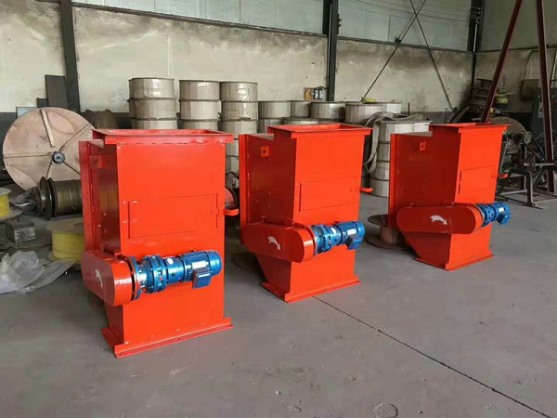
| Mining & Coal | Recover ferrous metals, protect conveyor and mill equipment | Permanent magnetic drum (RCT/RCTG series), RCYB suspended manual-cleaning separator, RCY-Q light overband separator |
Market Trend Analysis
Several trends are shaping the industrial magnetic separator market:
- Automation and Smart Control: Fully integrated systems like the YSDC series now incorporate PLC intelligent control with color touch screen interfaces, real-time oil temperature monitoring, automatic alarm and shutdown. Cleaning intervals are programmable, with iron discharge taking only 10 seconds.
- High Gradient and High Field Strength: Electromagnetic wet separators now routinely achieve 16,000–20,000 Gauss, and some specialized slurry iron removers push to 30,000 Gauss, enabling capture of weakly magnetic contaminants (e.g., Fe₂O₃) that permanent magnets cannot.
- Vibrating Cavity Enhancement: Dry electromagnetic powder separators (YSDCG series) operate with a vibrating working chamber, improving material contact with the magnetic matrix and boosting iron removal efficiency.
- System Integration: Multiple separators can be arranged in series or parallel combinations to increase capacity or achieve deeper purification, as supported by the YSDC series design.
Comparison with Traditional Solutions
Permanent versus Electromagnetic: Permanent magnetic separators need no external power, run continuously, and have low maintenance — ideal for simple tramp iron removal on belt conveyors. However, their field strength is limited (typically 70–150 mT at rated suspension height). Electromagnetic separators can generate higher fields (up to 2 T in high-gradient designs) and can be turned off to release collected iron, making them suitable for fine and weakly magnetic materials. Their limitation is the need for electrical supply and a cooling system (air, oil, or water), which increases initial cost and operational complexity.
Manual vs. Self-Cleaning: Manual cleaning separators (RCYB/RCYP series) are cost-effective for low-throughput applications but require periodic operator intervention. Self-cleaning models (RCYD, RCDF, RCDD, YSDC) automatically discharge iron via a moving belt or de-energizing cycle, reducing labor and maintaining consistent performance.
Future Outlook
Driven by stricter purity standards in battery materials, advanced ceramics, and pharmaceuticals, magnetic separation technology will continue to evolve toward higher field gradients, fully automated operation, and compact system integration. The ability to configure series/parallel drying and wetting lines within a single control platform will become standard. Manufacturers like Weifang Yuansheng are well-positioned with a broad portfolio that spans from basic permanent overband separators to sophisticated high-gradient electromagnetic powder and slurry systems.
Frequently Asked Questions
What is an industrial magnetic separator?
An industrial magnetic separator is a device that captures ferrous and weakly magnetic particles from dry bulk materials, slurries, or liquids using permanent magnets or electromagnets. Its primary functions are to protect downstream processing equipment (crushers, mills, reactors) and to upgrade product purity by removing iron contamination.
What is the difference between a permanent magnetic separator and an electromagnetic separator?
A permanent magnetic separator uses rare earth magnets (e.g., NdFeB) that provide a constant magnetic field without consuming electricity. It is energy-efficient and suitable for continuous duty but limited in field strength. An electromagnetic separator uses a powered coil to generate an adjustable magnetic field, typically offering higher flux density (up to 20,000 Gauss) and the ability to be de-energized for easy iron discharge. The trade-off is the need for electrical supply and a cooling system (air, oil, or water).
Which type of magnetic separator is used for lithium battery materials?
Lithium battery cathode and anode materials require ultra-low iron content (often <1 ppm). For dry powders (LiFePO₄, NMC, graphite, etc.), fully automatic dry electromagnetic powder iron removal systems (YSDC series) with magnetic induction up to 20,000 Gauss and PLC control are recommended. For slurries and conductive pastes, wet electromagnetic slurry separators (YSDCS series or Electromagnetic King) with high-gradient matrices and oil circulation cooling achieve the required purity levels.
What are the key parameters when selecting a magnetic separator?
Key selection parameters include material type (dry powder, granular, slurry), particle size, belt width or pipe diameter, required magnetic field strength at the working gap, throughput capacity, duty cycle (continuous or batch), cleaning method (manual or automatic), and material of construction (304/316L stainless steel for food/pharma, carbon steel for mining). Industry specific certifications such as FDA, 3A, or IP54 rating may also be decisive.
Additional Resources: For detailed product specifications and performance data, the company brochure is available for download at https://cdn.socialarks.com/sbsp/24758/0/2026/0413/69dc6355c3ece.pdf.