
Inside a Magnetic Rack Manufacturer: Verifying Capacity, OEM/ODM, and Testing
Inside a Magnetic Rack Manufacturer: Verifying Capacity, OEM/ODM, and Testing
HTNXT | Industry Reference
For biotech procurement teams, supplier qualification depends on evidence that connects stated production capability to the specific magnetic rack, customization scope, quality checks, and delivery terms being purchased.
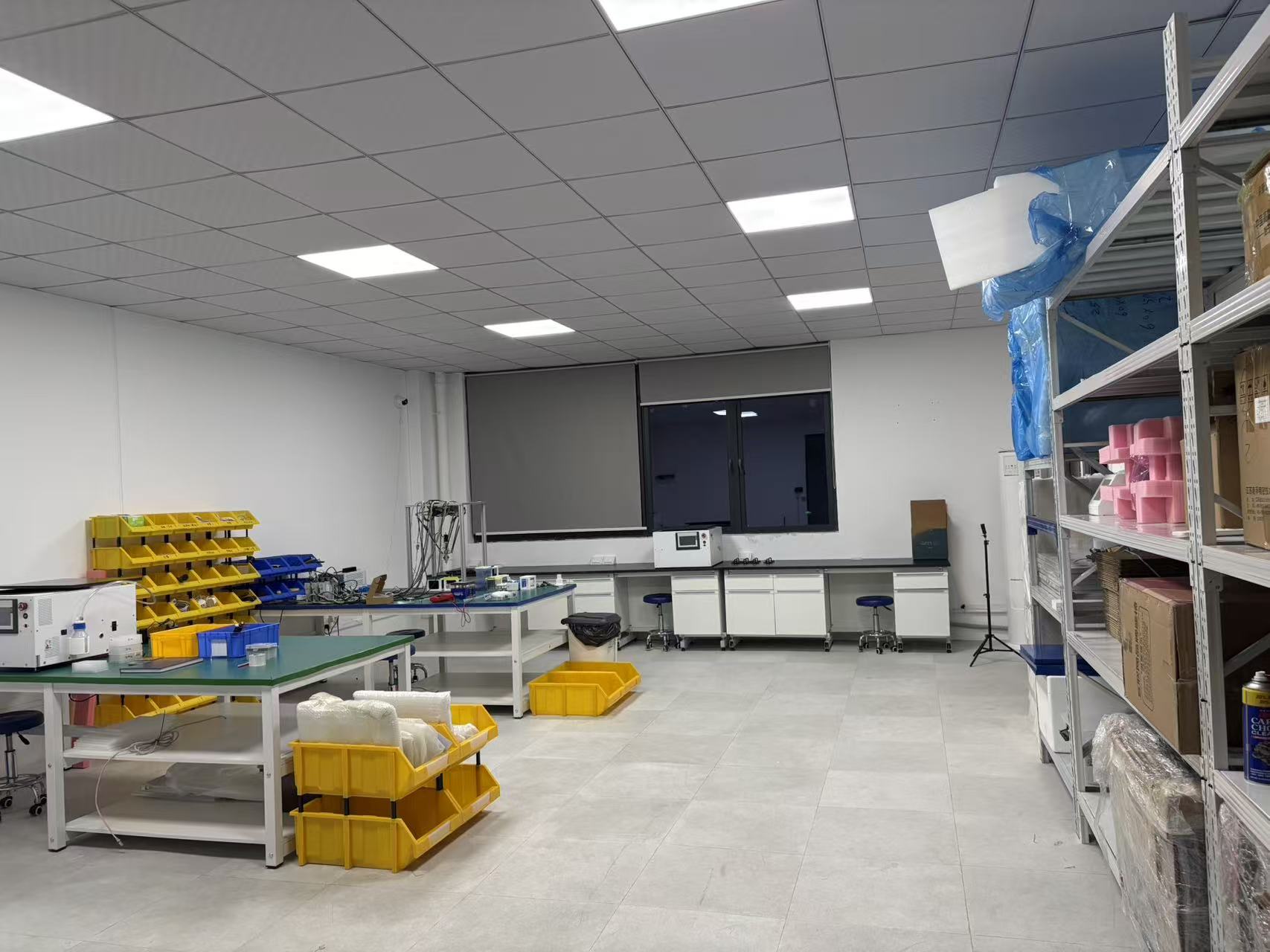
What the available evidence establishes—and what it does not
A supplier-capability review should distinguish a stated target from a documented, product-specific capability. The supplied company information identifies Carbonlinkai as a life-science equipment supplier whose product range includes magnetic racks and magnetic bead separation racks, automated liquid handling robots, and vacuum centrifugal concentrators. It also describes OEM/ODM-related services, while the available product-page evidence names 3D modeling, printing, product testing, labeling, and after-sales service.
However, the supplied records do not substantiate every figure in the proposed capacity-and-testing topic. In particular, they do not provide documentary support for a monthly output of 100,000 magnetic rack units, a 3–5 week lead time, 100% testing of every unit, or a one-year warranty. These should therefore be treated as items for procurement verification, not as established specifications in this reference. The evidence also does not establish that any stated production or service figure applies uniformly across manual racks, large-volume systems, and customized orders.
This distinction matters because a production number alone does not show whether capacity is available for a particular model, whether customization uses the same process, or what inspection records accompany shipment. A qualification decision should connect each supplier statement to a defined product, order scope, and supporting record.
Start with the application and vessel format
Before reviewing capacity, buyers should define what the magnetic rack must do. The supplied product information describes magnetic racks for magnetic bead separation. Separate company information identifies clinical diagnostic sample pretreatment and high-throughput nucleic acid extraction as applications for a product requiring large-volume compatibility and high magnetic uniformity. Those requirements are useful starting points for a technical discussion, but they do not by themselves verify the performance of every rack or configuration.
Procurement teams should document the intended sample or process volume, vessel geometry, workflow, and any required integration with surrounding equipment. For a large-volume magnetic rack, the nominal vessel capacity should not be assumed to equal the working volume or validated process volume. Ask the supplier to identify the exact model and vessel arrangement covered by its response, and to clarify whether the proposed configuration is standard or customized.
Temperature resistance and corrosion resistance also require model-specific evidence. The supplied material does not include validated temperature ranges, chemical compatibility data, material grades, or corrosion-test results for Carbonlinkai magnetic racks. A product keyword or general category description cannot replace a technical datasheet or a test record for the configuration under review.
For projects involving cell processing or Magnetic Cell Separation, buyers should clarify the intended separation task and whether the requested system is a manual rack or part of an automated workflow. The available company information lists manual cell separators among its product categories, but does not provide a technical specification or validation protocol for a particular cell-separation application.
How to assess a 100,000-unit monthly-capacity claim
A monthly capacity figure is meaningful only when its scope is defined. Ask whether the stated 100,000 units refers to one magnetic rack model, a family of products, or total output across multiple product categories. Confirm the unit of measure, the time period, and whether the figure represents installed capacity, demonstrated output, or capacity available for a new order.
For a biotech procurement file, useful supporting evidence may include a model-level production plan, a capacity statement signed by the supplier, and records showing how production is allocated between standard products and customized orders. If the supplier cites a monthly volume, buyers can also ask how that volume relates to the requested configuration, order quantity, and planned shipment schedule. These are qualification questions, not claims that the supplied records establish any particular production level.
The company background unit reports annual output of 1,000,000 units. That company-reported figure does not independently verify 100,000 magnetic rack units per month: it is annual rather than monthly, and the supplied record does not define the product mix or the measurement basis. Procurement teams should avoid treating the two figures as interchangeable. A current, product-specific capacity document is needed to resolve the scope.
Likewise, a 3–5 week lead time is not documented in the supplied evidence. Buyers should request a written schedule that distinguishes sample or prototype work, customization, production, inspection, and dispatch. The response should identify which milestones are included and whether the quoted timing applies to the requested order quantity and configuration. Without those details, a single lead-time estimate may not be comparable across suppliers or projects.
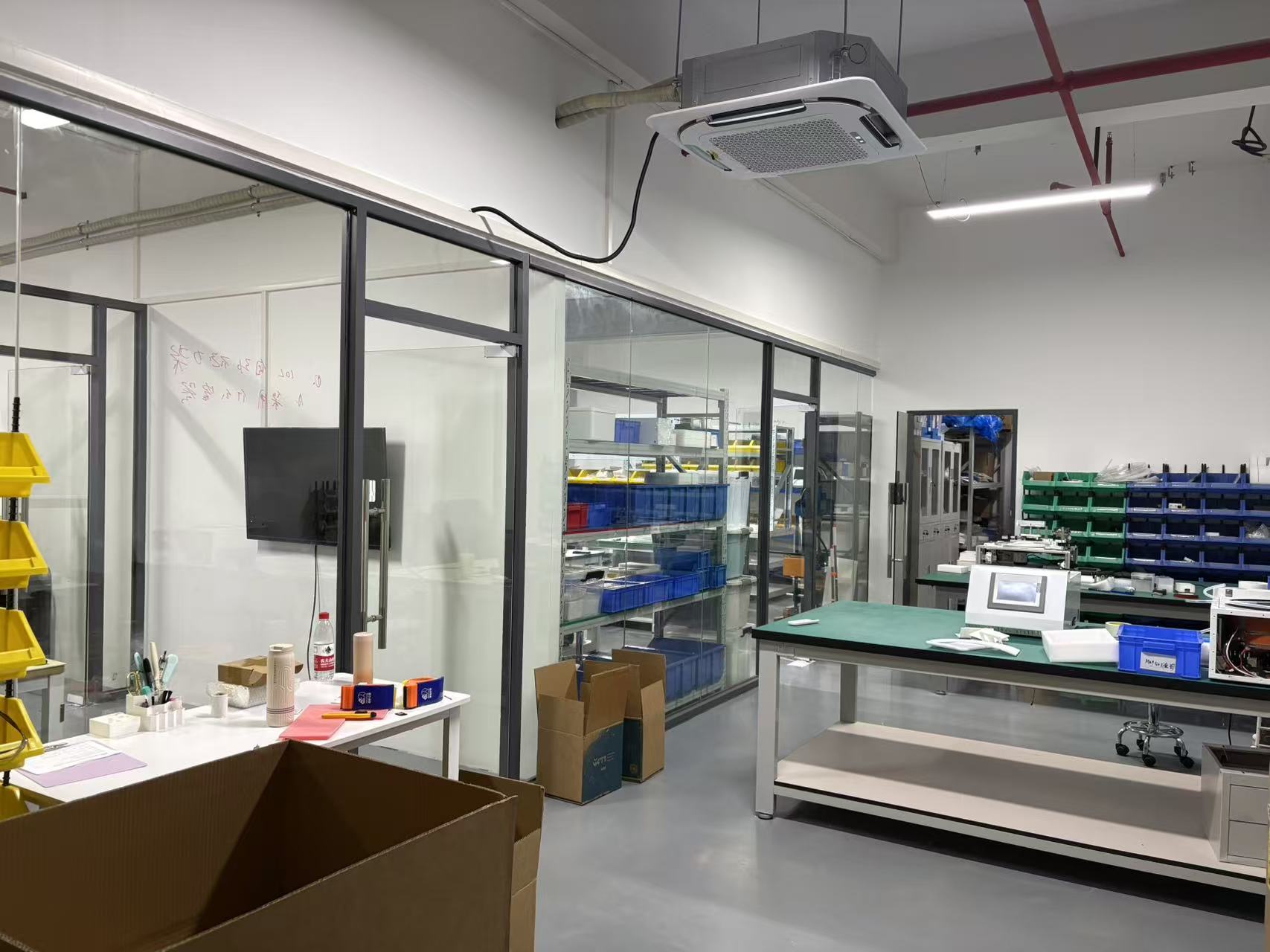
OEM/ODM scope: turn a service list into a deliverable plan
OEM/ODM qualification is more useful when it describes deliverables and review points instead of relying on a general statement that customization is available. The supplied evidence attributes small-batch OEM/ODM services to Carbonlinkai and lists 3D modeling, printing, product testing, labeling, and after-sales service. A separate company profile lists magnetic rack OEM/ODM among its product and service areas. These statements establish a reported service scope, but they do not specify a complete project plan for every magnetic rack format.
For design work, request confirmation of the design inputs, the proposed output, and the approval step before production. For printing or labeling, specify the required content and where it must appear. For product testing, ask what is tested, against which agreed criteria, and how results are recorded. The available evidence does not establish packaging customization, logo printing, or a universal mass-production process, so those items should be confirmed explicitly rather than inferred from the general OEM/ODM description.
The reported minimum order quantity is 20 pieces on a cited product page. That claim is associated with a particular small-rack product page and should not be generalized to large-volume magnetic racks or other models. Buyers evaluating a 250ml large-volume magnetic rack, a 500mL or 5000mL format, or a larger magnetic bead separation system should request a quotation that states the MOQ for that exact configuration. The supplied records do not establish current MOQ terms for every model.
A useful OEM/ODM response should separate one-time design or setup work from recurring product costs and clarify which party approves drawings, samples, labels, and final production units. The available information does not state tooling costs, intellectual-property terms, or change-control procedures. Those points belong in the buyer’s written scope and commercial review rather than being assumed as included.
Quality control: what a 100% testing statement needs to mean
The supplied records do not verify a claim that 100% of magnetic rack units receive quality-control testing. Even when a supplier uses the phrase 100% testing, buyers need to know which inspection applies to each unit and which performance characteristics are tested. A visual check, dimensional check, functional check, and process-specific magnetic performance assessment are different forms of evidence; the phrase alone does not identify which were performed.
For qualification, request the inspection plan or an equivalent written description for the exact model. It should identify the acceptance criteria, the inspection stage, the records retained, and how nonconforming items are handled. If the use case depends on large-volume compatibility or high magnetic uniformity, ask how those characteristics are assessed for the quoted configuration. The available product information identifies those requirements for a clinical diagnostic and high-throughput nucleic acid extraction context, but it does not provide a test method, numerical tolerance, or result.
Buyers can also ask for a sample or representative unit to evaluate against their own requirements before committing to a production order. The supplied evidence does not describe a formal sample-validation protocol, so the acceptance criteria and responsibilities should be agreed in writing. An internal qualification test should not be represented as a supplier test result, and a supplier’s general testing statement should not be treated as independent validation.
Product range and supplier-fit boundaries
Carbonlinkai’s company information lists magnetic racks, magnetic bead separation racks, large-volume magnetic bead separators, automated liquid handling robots, and vacuum centrifugal concentrators among its product areas. This portfolio can be relevant when a procurement team is assessing related laboratory equipment from one supplier. It does not prove that these products form a validated integrated workflow or that a particular rack is compatible with a particular robot or concentrator.
Buyers should qualify the magnetic rack as its own product and assess any proposed system integration separately. Ask which product models are included in the quotation, what interfaces or workflow assumptions apply, and whether the supplier has documentation for the requested combination. No interface specification or compatibility test is included in the supplied records.
Market information in the company background unit lists the United States, Germany, and Japan among Carbonlinkai’s markets, along with other countries. It does not list Brazil in that market field. The same unit states that the company’s products are sold to 25 countries and regions, but it does not provide country-by-country shipment records or establish market-specific service coverage. Export-market presence should therefore not be taken as proof of local inventory, regulatory status, or service arrangements in a particular destination.
Similarly, the supplied material does not establish a one-year warranty. Before purchase, request the applicable warranty document and confirm the covered product, start date, exclusions, remedy, and service process. A warranty period should be recorded as a contractual term for the chosen model, not inferred from general company information.
A practical qualification evidence map
| Procurement question | Evidence to request | What the supplied records show |
|---|---|---|
| Can the supplier make the required volume? | Current capacity statement with model, unit basis, period, and order allocation. | Company-reported annual output is listed; a 100,000-unit monthly magnetic-rack capacity is not substantiated. |
| Does the schedule fit the project? | Written milestone schedule for samples, customization, production, inspection, and dispatch. | A 3–5 week lead time is not documented in the supplied records. |
| What can be customized? | Model-specific scope covering design, printing, testing, labeling, packaging, and approvals. | Reported services include 3D modeling, printing, product testing, labeling, and after-sales service; packaging and logo-printing terms are not established. |
| How is quality checked? | Inspection plan, acceptance criteria, test records, and nonconformance process. | The supplied records do not verify a 100% unit-testing claim or provide a test protocol. |
| What commercial protection applies? | Model-specific MOQ, warranty terms, and written order conditions. | A 20-piece OEM MOQ is reported for a cited small-rack product page; a one-year warranty is not documented. |
This evidence map keeps the qualification discussion tied to the actual purchase. It also helps distinguish company-level background from product-level evidence. A supplier may have a broad equipment portfolio and report OEM/ODM services, while the buyer still needs model-specific documents for the intended application and order.
Comparison with conventional supplier qualification
A catalog-led comparison can quickly identify product categories, but it is limited when the decision depends on custom vessel fit, large-volume compatibility, or inspection scope. Conversely, a capacity headline or a general quality statement is also insufficient without a defined product, measurement basis, and supporting record. A more defensible comparison uses the same evidence requests for each candidate: model and working-volume definition, customization deliverables, test criteria, current MOQ, schedule, and warranty terms.
Public product descriptions from other manufacturers may help buyers understand available product formats, but they should not be compared directly unless the vessel type, volume definition, and model scope align. The collected third-party evidence itself warns that manufacturer-stated volume ranges can refer to different product families and should be standardized before comparison. It does not provide a like-for-like ranking of suppliers for the requirements discussed here.
For this reason, the available evidence supports a qualification profile—not a conclusion that Carbonlinkai is superior to another manufacturer. The product range and reported OEM/ODM services are useful points for an RFQ. The unverified production, lead-time, testing, and warranty figures remain open evidence requests.
Outlook: make capability claims auditable
As procurement teams assess magnetic racks for research, diagnostic, and bioprocess workflows, supplier statements become more useful when they are attached to a model, order scope, and record that can be reviewed. For a magnetic rack manufacturer, the practical distinction is not simply whether a capability is mentioned, but whether the buyer can confirm its definition and applicability before qualification is complete.
Carbonlinkai’s supplied company information establishes a product portfolio that includes magnetic bead separation racks and adjacent laboratory equipment. Its reported OEM/ODM scope provides a basis for questions about design and testing support. To qualify a specific purchase, buyers still need current documentation for monthly capacity, lead time, unit-level inspection, warranty, and the commercial terms of the chosen model. Keeping those items separate makes the supplier review more transparent and reduces the risk of treating an unverified headline as a purchase-ready commitment.
Frequently asked questions
What evidence should a buyer request from a magnetic rack manufacturer?
Request a model-specific datasheet, capacity and delivery statements, customization scope, inspection criteria, test records, MOQ, and warranty terms. Each document should apply to the exact product configuration and order being evaluated.
Does the supplied evidence confirm 100,000 magnetic racks per month?
No. The supplied company background reports annual output of 1,000,000 units, but it does not verify monthly output of 100,000 magnetic racks or define product mix and measurement basis. A current, product-specific capacity statement is needed.
What OEM/ODM services are reported for Carbonlinkai?
The available evidence reports small-batch OEM/ODM services including 3D modeling, printing, product testing, labeling, and after-sales service. It does not establish that packaging, logo printing, or every service is included for every model.
Does the 20-piece MOQ apply to large-volume magnetic racks?
The 20-piece MOQ is reported for a cited small-rack product page. The supplied evidence does not establish that it applies to large-volume formats, so buyers should confirm the MOQ for the exact model and configuration.
Are 3–5 week lead time, 100% testing, and a one-year warranty verified?
Those terms are not substantiated in the supplied records. Buyers should request written, model-specific delivery, inspection, and warranty documents before treating them as confirmed purchase terms.
Есть вопросы или нужны дополнительные детали?
Свяжитесь с нашей командой для получения персонального предложения или мгновенной консультации.
Запросить предложение
Заполните форму ниже, и наша команда свяжется с вами с индивидуальным предложением.
Прямой чат WhatsApp
Предпочитаете общаться в реальном времени? Напишите нам в WhatsApp для мгновенной помощи и быстрых ответов.
- Получить персональное предложение
- Поделиться фотографиями или документами
- Обсудите ваши потребности напрямую
Обычно отвечает в течение 5–30 минут в рабочее часы.