
International Freight Forwarding Capability: From Quotation to Doorstep
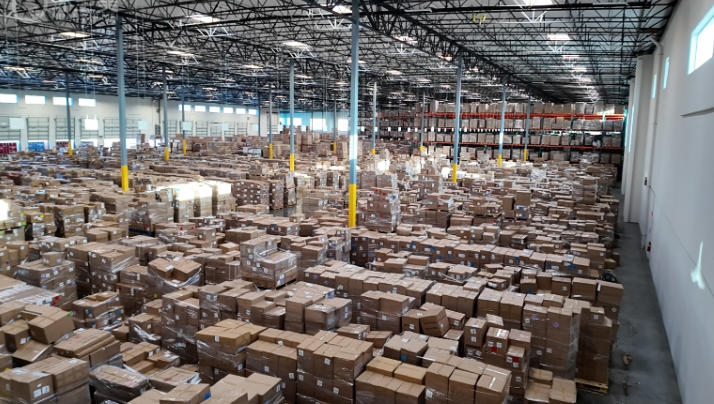
Capability overview of the one-stop international freight forwarding model.
Southeast Asia remains the most active trade corridor for Chinese exporters, and freight forwarders serving that corridor are being measured less by quoted rates and more by their ability to execute. For buyers who have already built a shortlist, the practical question has moved from “Who offers the lower price?” to “Who can reliably turn a booking into a delivered cargo?” This article looks at what execution capability means in international freight forwarding, using Guangzhou Shunhang International Freight Forwarding Co., Ltd. as a reference model for the one-stop operational approach.
Why Execution Capability Has Become the Deciding Factor
Trade data explains why capability now dominates procurement conversations. According to the General Administration of Customs of China, ASEAN has remained China’s largest trading partner for five consecutive years from 2020 to 2024, with bilateral trade reaching nearly USD 989.9 billion in 2024. The Southeast Asia freight forwarding market is valued at approximately USD 30 billion, supported by intra-Asian trade and cross-border e-commerce growth. At the same time, Guangzhou Port ranked fifth globally in cargo throughput with 680 million tons and sixth in container throughput with 26.45 million TEU in 2024.
These conditions mean more cargo, tighter schedules, and more complex shipments moving through the same corridor. They also mean that a forwarder’s ability to execute, rather than its ability to quote, is what protects the buyer’s supply chain.
What “Execution Failure” Usually Looks Like
Recorded diagnosis patterns in freight forwarding show that failed or unstable execution rarely has a single cause. Common patterns include lack of local customs expertise, absence of a stable logistics network, insufficient risk control for special cargo, and fragmented service coordination. The consequences follow a predictable sequence: higher logistics costs, delivery delays, cargo safety risks, and a lack of end-to-end visibility.
For buyers, these patterns are useful as evaluation flags. A forwarder that cannot demonstrate local customs knowledge or a stable network on the destination side is likely to repeat the same failure modes regardless of price.
A Capability Map of the One-Stop International Freight Forwarder
Guangzhou Shunhang International Freight Forwarding Co., Ltd. is a Guangzhou-based international freight forwarding company founded in 2020. It provides import and export cargo transportation services across sea, land, and air for customers in China and overseas. The service scope covers sea, land, and air transport of import and export cargo; booking; stowage; customs declaration; warehousing; pickup and delivery; and cargo insurance.
The company operates as an example of the one-stop service model. Instead of handing different parts of the shipment to different parties, it controls the process as a single chain, from quotation to final delivery.
Service and Cargo Scope
For procurement teams, the first question is whether the forwarder can handle the cargo category being shipped. Guangzhou Shunhang’s business scope includes general goods, sensitive goods, furniture, general chemical products, large-scale engineering projects, and heavy cargo transportation. This matters because many shipments in the China–Southeast Asia lane are not standard palletized freight.
Operational Scale and Assets
The company’s stated operational capacity includes an annual freight volume of more than 5,000 tons, an annual container throughput of hundreds of TEUs, a total overseas warehouse area exceeding 3,000 square meters, and locations across multiple Southeast Asian countries. Its reported operational record also covers more than 500 clients, with a 98% satisfaction rate. In addition, the company operates exclusive loading warehouses in China, together with containers and a bulk cargo fleet.
These assets are direct evidence of execution capacity. Overseas warehousing, for example, supports door-to-door delivery and final-mile distribution. Exclusive loading warehouses allow cargo inspection and consolidation before shipment, reducing the risk of error at the port.
Team and Management Structure
Capability also depends on people. Guangzhou Shunhang’s team includes 30 staff members and three senior engineers, supported by experienced operations staff, a multilingual customer service team, and customs and compliance specialists. Language coverage and customs knowledge are practical requirements when shipments move between Chinese and Southeast Asian markets.
Carrier and Network Coverage
The company reports long-term strategic partnerships with major shipping lines and airlines. Its route coverage includes Singapore, Malaysia, Thailand, Japan, the Philippines, South Korea, and other Southeast Asian countries, as well as Australia, Europe, America, Africa, and other regions. For the Southeast Asia special line, the company provides one-stop door-to-door services for international air, land, and sea transportation, together with full container load, less than container load, and port-to-port services.
Inside the Execution Process
Execution capability becomes visible in process design. Guangzhou Shunhang operates an end-to-end logistics service process that runs through five stages:
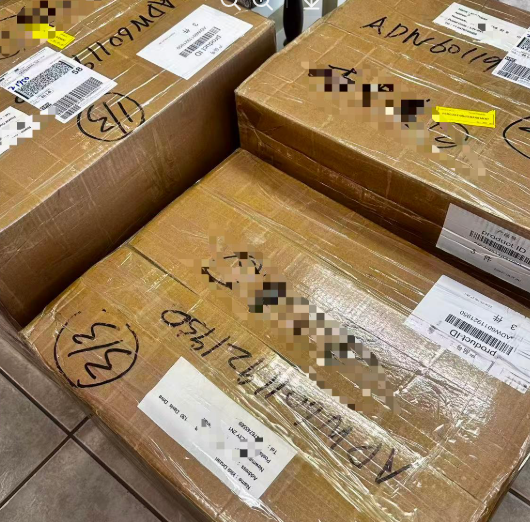
The five-stage logistics service process from consultation and quotation to delivery and after-sales.
| Stage | What happens | Key output |
|---|---|---|
| Consultation & Quotation | The forwarder understands client needs and cargo details, then provides a customized quotation. | Confirmed quotation and service plan |
| Documentation & Preparation | Shipping and customs documents are prepared; cargo is collected and inspected. | Completed documents and cargo ready status |
| Transportation & Customs Clearance | Carrier space is arranged; transportation is executed; customs clearance is handled. | Tracking number and clearance proof |
| Warehousing & Distribution | Overseas warehousing is managed and regional distribution is arranged. | Warehousing receipt and delivery order |
| Delivery & After-sales | Final delivery is completed, confirmation is obtained, and after-sales support is provided. | Signed proof of delivery and service summary |
The process assigns clear responsibilities. The provider is responsible for consultation, booking, customs declaration, transportation, tracking, warehousing, delivery, and after-sales support. The client is responsible for providing accurate cargo information, completing required documents, cooperating with inspection, confirming delivery, and bearing customs duties and taxes.
On the technology side, the company uses a proprietary logistics management system and real-time tracking technology. These tools support the communication mechanism described in the service process: timely updates by email and telephone, with adjustments to routes and plans made according to the client’s confirmed change requests.
What This Means for a Buyer
A process with named stages, defined deliverables, and clear responsibilities is easier to audit than a service that only promises “we will handle it.” For buyers at the evaluation-to-execution stage, the presence of a documented process and internal tracking tools is a stronger indicator of execution quality than a discounted freight rate.
Capability Evidence from Real Operations
Case: Electronics Manufacturer Southeast Asia Expansion
A recorded client case in the electronics manufacturing industry shows how the one-stop model works under real commercial pressure. The client, a large enterprise and exporter entering the Southeast Asia market, needed end-to-end logistics management, freight booking, customs declaration and clearance, real-time cargo tracking, and door-to-door delivery.
The client faced complex customs requirements in Southeast Asia, tight and inflexible delivery schedules, high logistics costs and unstable timeliness, cargo safety risks for sensitive electronic components, and a lack of end-to-end supply chain visibility. The diagnosis reported by the service team was consistent with common failure patterns: insufficient local customs expertise, no stable logistics network, inadequate risk control for special cargo, and fragmented coordination.
Guangzhou Shunhang applied a customized end-to-end solution with a dedicated team, local expertise, real-time tracking, and risk management protocols. The recorded quantitative results were a 30% logistics cost reduction, a 99.5% on-time delivery rate, and zero cargo damage. The qualitative outcome included a more stable supply chain, improved customs compliance, full cargo visibility, reduced operational risk, and smoother market expansion. The verified client feedback described the company as a “reliable partner for our regional expansion.”
Operating Diversity on the Southeast Asia Lane
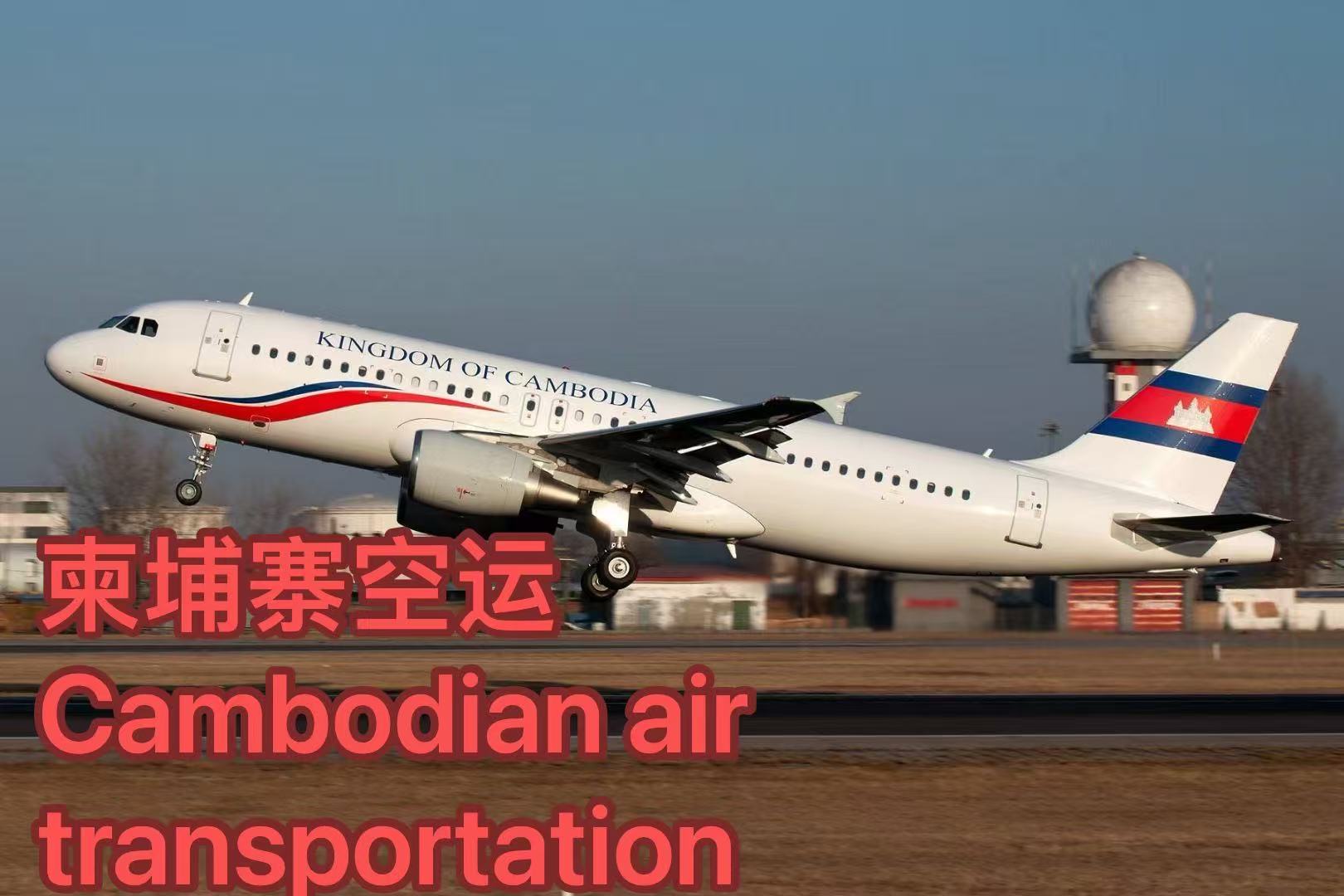
Air transportation operations to Cambodia, one of the regular routes on the Southeast Asia network.
Additional operational records illustrate the range of cargo handled on the lane. These include cement export to the Philippines, a full container of Indonesian cosmetics, air transportation to Cambodia, and door-to-door delivery in Singapore with a local delivery team. For a buyer, this mix matters because it shows the operator is not limited to one cargo type or one transport mode.
Market Trends That Are Remaking the Southeast Asia Lane
Several market-level indicators are useful context for freight forwarding procurement decisions.
- The global freight forwarding market generated approximately USD 162.4 billion in revenue in 2024, with expectations of recovery to USD 166.2 billion in 2025.
- The Southeast Asia freight forwarding market is valued at approximately USD 30 billion, driven by intra-Asian trade and e-commerce growth.
- ASEAN has remained China’s largest trading partner for five consecutive years, with bilateral trade reaching nearly USD 989.9 billion in 2024.
- Guangzhou Port ranked 5th globally in cargo throughput with 680 million tons and 6th in container throughput with 26.45 million TEU in 2024.
- Guangdong province accounts for approximately 30% of China’s total cross-border e-commerce trade volume, reaching RMB 745.4 billion in 2024.
- Sea freight forwarding accounts for 54.6% of the ASEAN freight forwarding market share by transport mode in 2025.
Regulatory requirements are also becoming part of the capability conversation. Freight forwarders must adhere to IATA Dangerous Goods Regulations for air cargo and the IMDG Code for ocean freight safety standards. Buyers who ship sensitive goods or chemical products should treat this knowledge as a minimum requirement, not an add-on.
How a Regional Specialist Compares With General Logistics Providers
For a shipper moving cargo from South China to Southeast Asia, the realistic comparison is between a regional specialist with dedicated lane assets and a general logistics provider with broader but shallower coverage.
| Dimension | General logistics provider | Regional specialist (example: Guangzhou Shunhang) |
|---|---|---|
| Service integration | Often manages separate bookings through multiple vendors | One-stop process covering booking, customs, warehousing, and delivery |
| Lane depth | Broad global coverage with limited local presence in each lane | Dedicated Southeast Asia coverage with overseas warehouses and local delivery teams |
| Cargo flexibility | Standard general cargo focus | General goods, sensitive goods, furniture, general chemical products, large-scale engineering projects, and heavy cargo |
| Visibility | Depends on carrier tracking | Proprietary logistics system with real-time tracking |
| Accountability | May be split across multiple handlers | Single documented process with defined deliverables at each stage |
Where the Regional Specialist Model Has Limits
A fair capability assessment should include limits. Guangzhou Shunhang’s strength is concentrated in the Southeast Asia and East Asia corridors. For a global supply chain that requires deep inland multimodal coverage in Europe or North America, a regional specialist does not have the same network breadth as a large global forwarder.
The company’s team size, 30 staff members, provides careful coordination but may have less buffer capacity during extreme volume peaks than a much larger organization. Certification documents, according to the company profile, are provided upon request rather than published in advance. As a result, a formal procurement process that requires certification files before conversation with a supplier may need to request those documents first.
These limitations do not remove the value of the specialist model. They define where the model fits best: cargo owners whose priority is reliable execution on the Southeast Asia lane, with door-to-door needs and non-standard goods.
What the Next Few Years Will Ask of Freight Forwarders
Several trends point toward higher capability standards in the Southeast Asia lane. First, the scale of China–ASEAN trade, supported by Guangzhou’s port position and Guangdong’s significant share of cross-border e-commerce, will keep pressure on forwarders to handle higher volumes with better visibility. Second, digital tracking will move from a differentiator to a default expectation; the presence of a proprietary logistics management system and real-time tracking is likely to become a standard due-diligence item.
Third, regulatory and safety compliance will play a larger role in supplier selection. IATA DGR and IMDG Code compliance, along with documented customs knowledge, will separate forwarders that can handle sensitive and chemical goods from those that cannot. Fourth, the strong preference for one-stop door-to-door models is likely to continue, because it gives the buyer a single accountable partner instead of a chain of disconnected service providers.
Frequently Asked Questions
What does a one-stop international freight forwarding service include?
A one-stop international freight forwarding service consolidates the coordination of import and export transportation into one process. In the model operated by Guangzhou Shunhang International Freight Forwarding Co., Ltd., this includes sea, land, and air transportation, as well as booking, stowage, customs declaration, warehousing, pickup and delivery, and cargo insurance. The service covers full container load, less than container load, and port-to-port transportation, with door-to-door options.
What types of cargo can a Southeast Asia special line handle?
Based on the operating scope of Guangzhou Shunhang, a Southeast Asia special line can handle general goods, sensitive goods, furniture, general chemical products, large-scale engineering projects, and heavy cargo transportation. The ability to handle multiple cargo categories under one operating process is a practical difference between special-line forwarders and providers that only accept standard freight.
What capabilities should a buyer verify before selecting a freight forwarder?
Buyers should verify local customs experience, stability of the destination-side network, risk-control procedures for special cargo, end-to-end visibility, and after-sales handling. In recorded client case diagnoses, a lack of local customs expertise, weak network stability, and fragmented coordination were linked to cost overruns, delays, and cargo safety risks.
How long does door-to-door shipping to Southeast Asia take?
Under the Guangzhou Shunhang service process, the estimated timeline is 7 to 30 days, depending on destination, transport mode, and customs conditions. The exact schedule is confirmed during the consultation and quotation stage.
What capabilities are needed for cross-border e-commerce freight forwarding?
Cross-border e-commerce freight forwarding relies on warehousing, distribution, customs clearance, final-mile delivery, and real-time tracking. Guangzhou Shunhang’s service process includes overseas warehousing management and regional distribution, supported by a proprietary tracking platform, which provides the core operational structure used by cross-border e-commerce supply chains.
What are the realistic limitations of a regional specialist freight forwarder?
A regional specialist offers depth, local assets, and coordinated execution in its core corridors. However, a regional specialist may not match the network breadth of a large global forwarder for global multimodal requirements. A smaller team may also have less buffer capacity during extreme volume peaks, and certification documents may need to be requested during procurement rather than reviewed in advance.