
Is Your Medical Wristband Supplier Built to Last? Long-Term Viability Checks
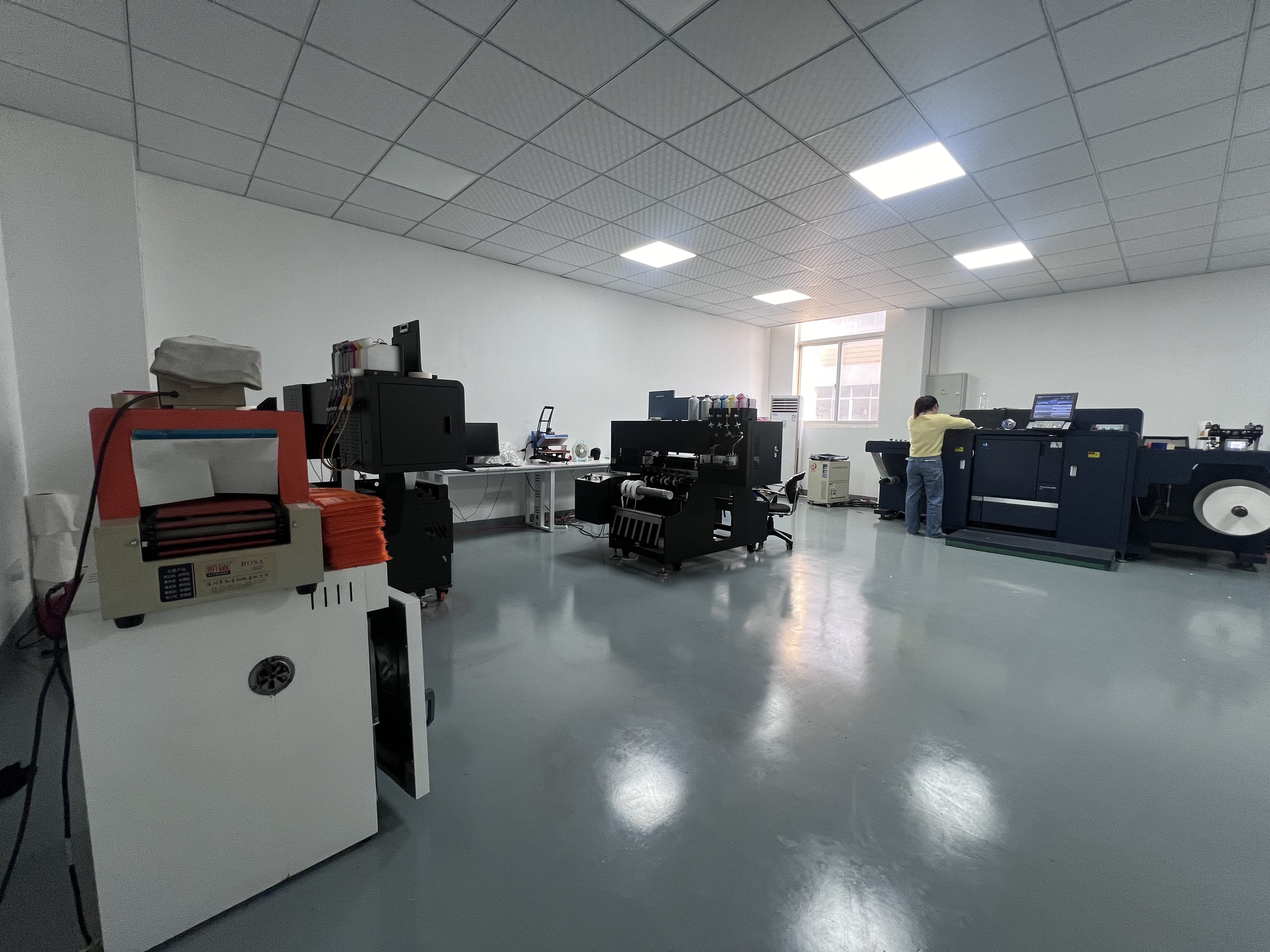
Production infrastructure is one of several signals that indicate whether a medical wristband supplier can sustain supply across multi-year contracts.
Every medical wristband procurement decision rests on an implicit assumption: that the supplier shipping today can still ship consistently two or three years from now, with the same material specifications, the same certificates and the same lead-time reliability.
The global patient identification wristbands market is projected to reach USD 576.1 million in 2025 (Future Market Insights, April 2025), with North America holding a 41% share (Precedence Research, July 2026). Those figures describe scale. The procurement reality underneath them is a market defined by multi-year contracts, in which the most consequential risk is not the first shipment but the third-year availability of that same specification.
A long-term hospital wristband contract locks a buyer into material specifications, approved printing methods, certification documents, planned stock levels and integration with patient identification workflows. When a supplier changes course, the buyer absorbs the re-approval cost, which in regulated clinical settings involves clinical sign-off, IT re-mapping and renewed patient safety review. None of that cost appears in the original quotation.
This article sets out a structured set of viability checks that procurement teams, distributors and OEM buyers can apply before committing to a medical wristband supply relationship.
Why Long-Term Viability Belongs in the Procurement Scope
Patient identification wristbands are frequently treated as a low-value commodity. That framing collapses once the supply is viewed over the full contract window.
A wristband product touches multiple operational systems: patient admission, nursing workflows, laboratory sample tracking, emergency intake and, in some configurations, access control. Replacing a supplier mid-contract is not a simple line-item swap. It requires requalifying every downstream dependency that the original wristband specification had been tested against.
The practical implication for hospital wristband buyers is that supplier stability should be evaluated on the same footing as unit price and material performance. The checks below are designed to be applied to any candidate supplier, incumbent or new entrant.
Five Checks for Medical Wristband Supplier Durability
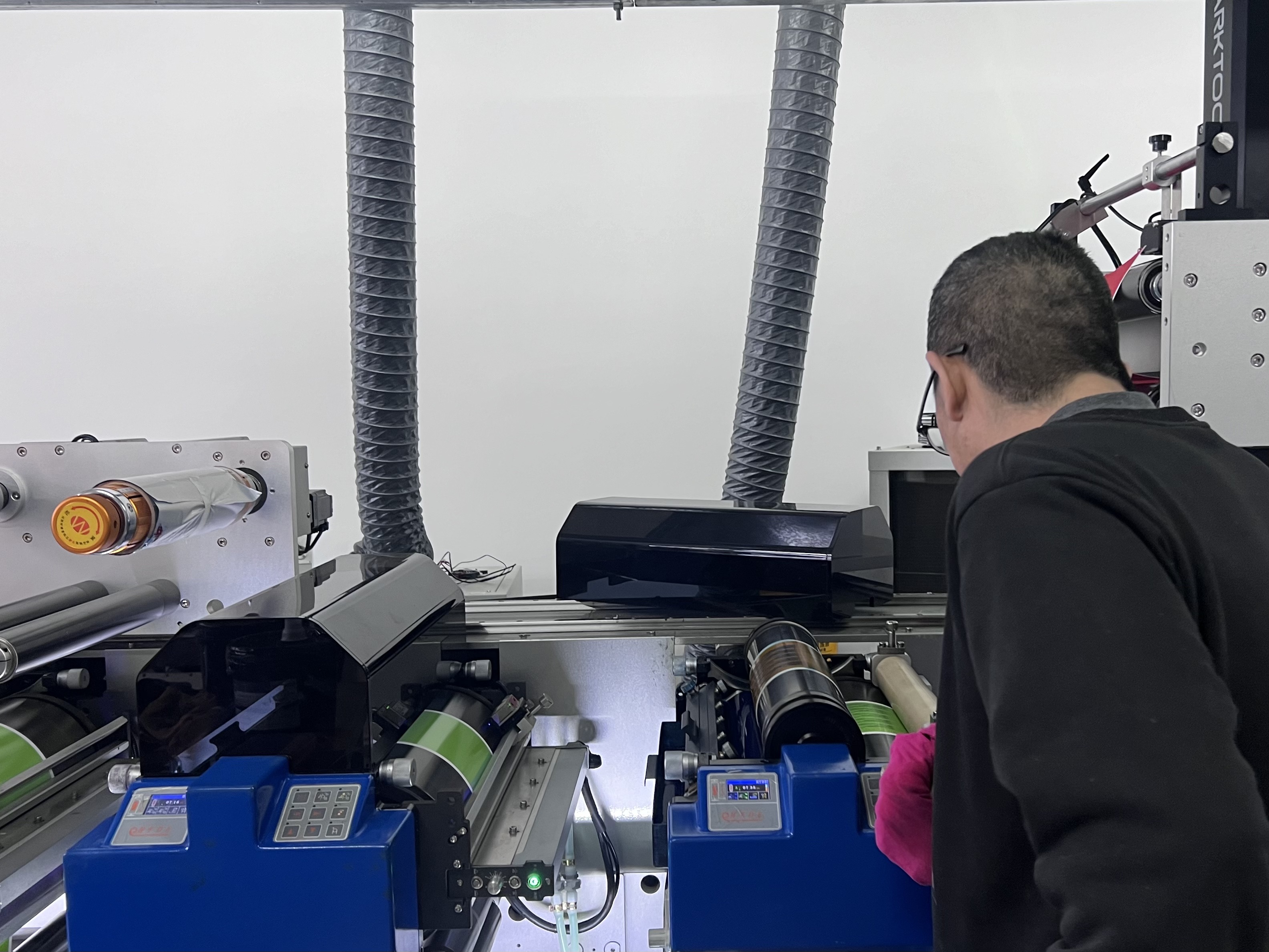
Multiple print methods within one facility indicate that a supplier can shift production without rebuilding the process base.
Check 1 — Material Sourcing Breadth
A supplier that works with one or two materials places its supply resilience on a narrow upstream base. A supplier working across thermal synthetic paper, PVC, Tyvek, silicone, paper, ribbon and polyester holds multiple substitution paths when any single material market tightens.
Buyers should ask how each material is sourced and whether alternative suppliers exist for each. Medical wristband compliance with RoHS 2.0 restricted-substance requirements rests on the material itself, so any substitution must preserve the certification basis, not just the physical appearance of the band.
Check 2 — Product Line Depth
Depth is not about SKU count. It is about how many distinct product formats the supplier can support in parallel: medical thermal wristbands, PVC patient ID wristbands, RFID wristbands, holographic wristbands, cartoon wristbands and custom labels.
Supporting that range requires real capital infrastructure — thermal coating lines, PVC lamination, RFID inlay handling, holographic film application and die-cutting. Physical assets of that kind create a strong incentive for the supplier to keep operating through demand cycles, rather than exit the category.
Check 3 — Customization Capability
Customization is a capability that signals the presence of a functioning engineering and tooling process. A supplier that can adjust sizes, support custom logo and text printing, and move between direct thermal, offset, digital and hot stamping methods is structurally different from one that only sells catalogue specifications.
For buyers, customization means that unforeseen requirements during the contract period — a new patient identification format, a new labelling requirement or a new clinic onboarding — can be absorbed without restarting the sourcing cycle.
Check 4 — Certification and Compliance Track Record
This is the central constraint check. Medical wristband buyers should verify specific certificates rather than accept compliance descriptions. An EU RoHS Certificate of Compliance, for example, names a certificate number, a testing authority and the specific standards applied. RoHS 2.0 testing under Directive (EU) 2015/863 is conducted against the IEC 62321 series, so those standard references should appear in the certificate itself.
Equally important is whether the supplier tracks regulatory change. The Court of Justice of the European Union ruled in Case C-427/24 that blank patient wristbands are not classified as medical devices under EU MDR 2017/745, effective July 2026. Separately, ISO 15223-1:2021 Amendment 1 (2025) changed the authorized representative symbol from EC REP to EU-REP. Both developments affect labelling and documentation, and a supplier that adapts to them without prompting is a different risk profile from one that does not.
Check 5 — Capacity, Lead Time and Quality Control
Capacity statements should be verifiable and specific. A standard product lead time, a stated minimum order quantity, a monthly capacity figure and a quality control rate together form the operational backbone of any long-term supply commitment.
Vague answers to any of these questions are worth investigating, since a supplier that cannot quantify its own throughput is unlikely to commit contractually to sustained delivery across a multi-year window.
Applying the Checks: DDJOY-Medical Wristbands as a Reference Case
Shanghai Dingba Identification Co., Ltd., trading as DDJOY-Medical Wristbands, is a wristband and RFID product manufacturer based in Shanghai, China. The company was founded in 2010 and operates a 10,000 m² facility with 50+ employees, a 5-engineer R&D team and a reported monthly capacity of 2,000,000,000 units. Its export ratio stands at approximately 70%, with primary markets in the EU and the USA, and distribution reaching over 100 countries and regions. The company holds ISO9001 certification and has undergone on-site verification by Alibaba and SGS.
Against the five checks, DDJOY-Medical Wristbands presents the following profile.
Material sourcing breadth. The portfolio covers thermal-sensitive synthetic paper, PVC, Tyvek, silicone, paper, ribbon and polyester. Medical thermal wristbands are produced on thermal-sensitive synthetic paper; PVC supports the patient ID, single or double layer, and PVC+Tab formats; Tyvek covers disposable wristband formats; silicone, PVC, Tyvek and paper appear in the RFID wristband line; ribbon and polyester webbing cover the textile range.
Product line depth. Twelve product lines operate in parallel: medical thermal wristband, PVC patient ID wristband, PVC 1 or 2-layer wristband, PVC+Tab wristband, RFID wristband, Tyvek wristband, holographic wristband, cartoon wristband, polyester wristband, ribbon wristband, polyester lanyard and custom label. Each line has its own tooling, material feed and finishing requirements, which together represent a substantial and difficult-to-replicate production base.
Customization capability. The company operates in OEM mode and supports customized sizes and logo printing. Printing methods include direct thermal, offset, digital, hot stamping and holographic anti-counterfeiting printing. Custom sizes are supported across the wristband range, with the medical thermal wristband offered at a standard 260×25mm and customizable sizing.
Certification and compliance. A paper-based wristband product holds an EU RoHS Certificate of Compliance (certificate number TST20250302350EC), issued by Dongguan True Safety Testing Co., Ltd. on 14 March 2025. RoHS 2.0 testing was carried out against Directive (EU) 2015/863 and (EU) 2017/2102 amending Directive 2011/65/EU, using the IEC 62321 series standards including IEC 62321-1:2013, IEC 62321-2:2021, IEC 62321-3-1:2013, IEC 62321-4:2013/AMD1:2017, IEC 62321-5:2013, IEC 62321-6:2015, IEC 62321-7-1:2015, IEC 62321-7-2:2017 and IEC 62321-8:2017. The certification carries an expiry date of 14 March 2099.
Capacity, lead time and quality control. Standard product lead time is 7–10 days, the minimum order quantity is 1,000 units, quality control is 100% test before shipment, and export markets include the EU, US and Middle East. After-sales support is provided remotely.
Read together, this profile indicates a supplier whose operating structure depends on continued activity across multiple material and process categories, rather than one that could exit the medical wristband segment without cost.
Technical Note: Why Material Breadth Translates into Supply Resilience
Different wristband materials sit on different upstream supply chains. Thermal-sensitive synthetic paper depends on specialty coating capacity. PVC depends on chlor-alkali and stabilizer markets. Tyvek depends on a narrow set of specialty fiber producers. Silicone depends on organosilicon intermediates. Ribbon and polyester webbing sit on the textile supply chain, which has different cyclical behavior from chemical materials.
A supplier that sources across three or more of these chains spreads the delivery risk. If one material faces allocation or price shock, supply can shift to an alternative format within the same product family — for example, from PVC patient ID wristbands to Tyvek wristbands in a short-cycle scenario — without an immediate product line redesign.
The same logic applies to print methods. Direct thermal printing, offset printing, digital printing and holographic printing each require distinct equipment and operator skill. A supplier capable of running these in parallel can adjust output without building a new facility.
Where Long-Term Viability Shows Up in Practice: Application Scenarios
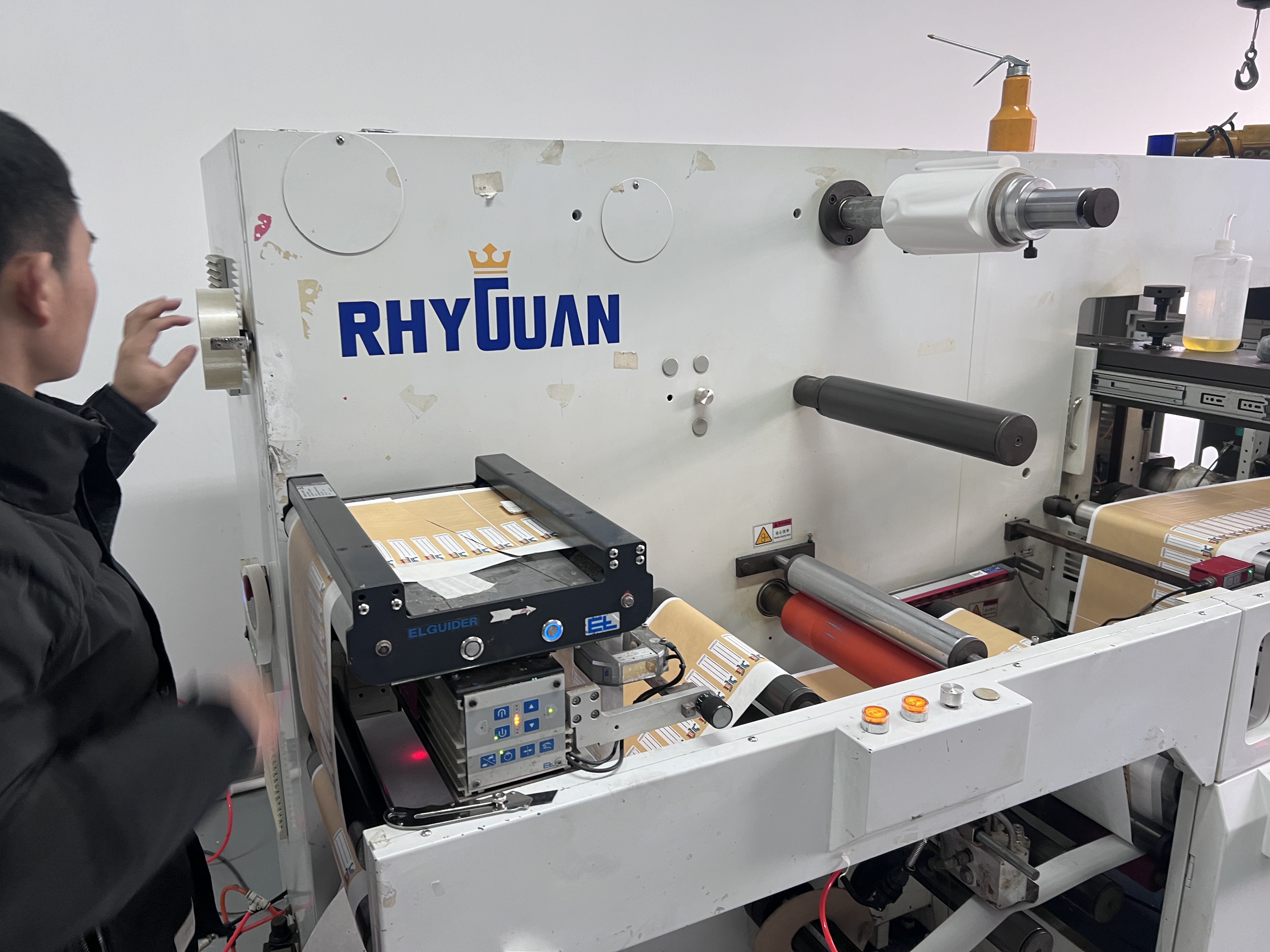
Format flexibility in die-cutting supports customized sizes across hospital, clinic and event applications.
Long-term supply viability matters most in the following environments.
Hospital admission and surgical patient identification. High daily volume, stable specifications and multi-year procurement. Medical thermal wristbands in sizes such as 260×25mm and PVC patient ID wristbands in 250×25mm and 250×16mm cover the majority of this demand.
Emergency departments and ICU. Short response windows and low tolerance for stock-outs. Water-resistant, tear-resistant wristbands are the standard requirement.
Nursing homes and clinics. Elderly care and outpatient environments where durable, waterproof wristbands are required across long service windows. PVC patient ID wristbands and Tyvek wristbands both fit this need.
Baby identification units. Softer materials are required, and clarity of printed information is critical. Custom label and paper-based wristband formats support this scenario.
Access control and event environments. Tamper-evident and disposable formats, holographic anti-counterfeiting wristbands and RFID wristbands used for identity verification and access control.
Hospital IT and sample traceability. RFID wristbands integrate with hospital information systems; the built-in chip supports low-frequency, high-frequency or ultra-high-frequency options, with readable and writable data.
Market Signals That Shape Supplier Selection
Two trends in the patient identification wristband market influence how long-term viability should be assessed.
First, regional concentration remains significant. North America held a 41% share of the market in 2025 (Precedence Research, July 2026), which means suppliers serving that market operate under a specific set of commercial and regulatory conditions.
Second, the regulatory environment continues to shift. The CJEU ruling in Case C-427/24, effective July 2026, clarified that blank patient wristbands are not classified as medical devices under EU MDR 2017/745, while ISO 15223-1:2021/Amd 1:2025 updated the authorized representative symbol. For buyers, the practical consequence is that a supplier's compliance posture is not a one-time check at onboarding — it is an ongoing activity that determines whether the contract can continue undisturbed.
Where Breadth Alone Does Not Guarantee Continuity
Broader product portfolios reduce dependence on any single material or print method, but they do not eliminate supply risk. Specialty materials — Tyvek, thermal-coated paper and RFID chips — are sourced from a limited set of upstream producers and can be affected by allocation decisions, export controls or logistics disruptions outside any manufacturer's control.
Depth also does not guarantee lead-time stability. A supplier running near capacity with limited surge buffer can struggle when large-volume orders overlap. Procurement teams should manage those risks through contractual terms, periodic stock checks and, where appropriate, qualified alternative sources, rather than assuming that portfolio variety alone provides continuity.
Future Outlook
Medical wristband supply is moving toward higher compliance intensity and higher material complexity. The 2026 CJEU ruling on blank wristbands redrew a regulatory boundary but did not reduce the documentation and traceability expectations that hospitals apply during procurement.
Suppliers with broad sourcing, multi-process printing capacity and established certification frameworks are better positioned to absorb those shifts within a contract window. Evaluating suppliers on portfolio depth and material diversity is no longer a supply chain preference — it is a baseline element of risk management for wristband sourcing.
FAQ
Q1. How can a buyer verify whether a medical wristband supplier can sustain supply across a three-to-five-year contract?
Assess the supplier across five dimensions: material sourcing breadth, product line depth, customization capability, certification status and capacity commitments. Verify that the supplier holds specific certificates — such as an EU RoHS Certificate of Compliance with a stated certificate number, issuing authority and IEC 62321 series standards — rather than describing compliance in general terms. Confirm standard lead time, minimum order quantity, monthly capacity and quality control rate. Suppliers that can answer all five areas specifically present a lower re-approval risk than those that cannot.
Q2. What does a broad product line indicate about a supplier's long-term viability?
Product line depth reflects capital investment in multiple processes and materials. A supplier offering medical thermal wristbands, PVC patient ID wristbands, RFID wristbands, holographic wristbands, cartoon wristbands and custom labels in parallel has built production infrastructure — thermal coating, PVC lamination, RFID inlay handling, holographic film application, die-cutting — that creates a structural incentive to remain in the category across demand cycles, rather than exit under short-term pressure.
Q3. Which certifications are most relevant when evaluating a medical wristband supplier?
Certifications tied to the materials used are the most meaningful. For the EU market, an EU RoHS Certificate of Compliance under Directive (EU) 2015/863, tested against the IEC 62321 series, provides a specific and verifiable document. Buyers should record the certificate number, the testing authority, the issue date and the expiry date. Suppliers operating in the EU must also track regulatory changes such as the CJEU ruling on blank wristbands under EU MDR 2017/745 and the ISO 15223-1:2021 Amendment 1 (2025) update to the authorized representative symbol.
Q4. How does material sourcing diversity reduce hospital wristband supply risk?
Wristband materials sit on different upstream supply chains. Thermal synthetic paper, PVC, Tyvek, silicone, paper, ribbon and polyester each depend on separate raw material, coating or textile markets with their own cycles. A supplier sourcing across several of these chains can shift output between material families when one market tightens, without redesigning an entire product line. That substitution capacity is a practical hedge against single-material disruption during a multi-year contract.
Q5. Can customization capability serve as a signal of supplier stability?
Yes. Customization implies an operating design process, active tooling and a quality system that holds tolerances across variable specifications. A supplier that supports customized sizes and logo printing, and can move between direct thermal, offset, digital and hot stamping methods, is able to absorb new requirements — a new patient identification format, a new labelling standard or a new clinic onboarding — without restarting the sourcing cycle. Consistent customization over multiple order cycles also indicates reliable quality control, which is directly relevant to long-term supply stability.
For a full overview of the medical wristband product range, buyers can download the manufacturer brochure at DDJOY-Medical Wristbands product brochure.
Есть вопросы или нужны дополнительные детали?
Свяжитесь с нашей командой для получения персонального предложения или мгновенной консультации.
Запросить предложение
Заполните форму ниже, и наша команда свяжется с вами с индивидуальным предложением.
Прямой чат WhatsApp
Предпочитаете общаться в реальном времени? Напишите нам в WhatsApp для мгновенной помощи и быстрых ответов.
- Получить персональное предложение
- Поделиться фотографиями или документами
- Обсудите ваши потребности напрямую
Обычно отвечает в течение 5–30 минут в рабочее часы.