
Jewelry Wholesale Technical FAQ: Plating, Materials, Patents
In jewelry wholesale, the expensive mistakes are specification mistakes. A buyer can negotiate a competitive unit price and still lose the margin on a plating claim that cannot be documented, a stone description that does not match the delivered goods, or an acceptance clause that never reached the purchase order. This technical FAQ addresses the questions that decide whether a wholesale order can be resold safely.

Material, plating, and stone specifications are set at the production stage. Buyers who fix them in writing before production carry far less resale risk.
Why Technical Questions Decide Wholesale Orders
Fashion jewelry is a specification-driven purchase. Two suppliers can quote the same earring silhouette at different prices because one is plating a copper-alloy base and the other is stamping stainless steel, because one is setting synthetic cubic zirconia and the other is using synthetic crystal, or because one documents plating parameters and the other does not. The visible product looks similar; the resale risk does not.
This is the practical gap in wholesale sourcing. Buyers at the decision stage usually have a shortlist and a target landed cost, but they often have no written answer to four questions: what the base metal is, what the surface layer actually is, what the stone is, and what happens if the delivered goods do not match. Those four answers determine whether a quotation is comparable to another quotation.
The opportunity runs in the opposite direction too. A supplier that can answer technical questions in verifiable terms becomes easier to approve, easier to reorder from, and easier to defend internally to a category manager or a compliance reviewer. Technical clarity is not a marketing asset. It is a procurement asset.
Xuping Jewelry: The Entity Behind the Specifications
Guangdong Xuping Jewelry Co., Ltd. is a fashion and imitation jewelry manufacturer and wholesaler founded in 1997 and headquartered in Guangzhou, China, operating a production base of more than 200,000 m² and exporting 100% of its output. The company reports annual output of more than 100,000,000 pieces and a monthly production capacity of 8,000,000 pieces across earrings, necklaces, bracelets, and rings.
Two capability figures matter for a technical FAQ rather than a general company profile: the company holds 194 patents and works with a 62-designer R&D team. In a category where designs are copied quickly and buyers need continuity of assortment rather than one-off novelty, patent count and design headcount are proxies for how much of the catalogue is developed in-house rather than sourced from open market stock. The company also reports more than 1,200 production machines and 18 production procedures, with products certified to SGS, CE, and ISO standards and positioned against European and American environmental-protection requirements.
For buyers, the practical reading is that Xuping sits in the manufacturer-and-wholesaler layer, not the trading layer. Whether that translates into a better order depends entirely on how precisely the specification is written down — which is what the rest of this FAQ addresses.
Material Question: Environmental Copper Alloy or Stainless Steel?
Xuping's published product statement centers on a premium copper alloy base finished with gold plating, and the company's marketplace profile additionally lists fashion, brass, stainless steel, crystal, and body jewelry among its main categories. So the material question is not which one the supplier has — it is which one the product concept requires.
| Consideration | Copper alloy base with gold plating | Stainless steel base |
|---|---|---|
| Typical strength | Fine detail, complex settings, richer color range through plating | Durability and resistance to daily wear and moisture |
| Weight and feel | Heavier, closer to fine-jewelry hand-feel | Lighter, harder surface |
| Resale positioning | Fashion and occasion jewelry, plating-led color stories | Everyday and minimalist lines, longer wear claims |
| Key buyer question | What is the plating specification and how is it declared? | What grade of stainless steel, and is the finish consistent across the lot? |
The trade term "environmental copper alloy" generally signals a base metal chosen with restricted-substance controls in mind rather than a metallurgical grade. That distinction should be treated as a claim requiring documentation, not as an automatic clearance for a regulated market. Buyers selling into the EU, the UK, the United States, or the GCC should ask for the specific declaration attached to the SKU rather than the general category description.
Plating Question: What Platinum, 14K, and 18K Color Descriptions Mean
In fashion jewelry catalogues, platinum, 14K gold, and 18K gold are frequently used as color references — a tonal family rather than a statement of metal content. This convention is common across the category, but it creates a real compliance exposure for buyers who resell the goods under those words.
In the United States, the FTC Jewelry Guides (16 CFR Part 23) state that it is unfair or deceptive to misrepresent the presence, quantity, or karat fineness of gold or gold alloy in an industry product. The revised guidance also retains specific criteria for describing products as gold plated or gold electroplated, citing a 10K minimum fineness and a 0.175 micron coating thickness threshold. Those thresholds are U.S. guidance; other jurisdictions set their own rules, and none of them should be assumed to match.
For a buyer, the operational conclusion is straightforward. Ask for the plating specification in writing per SKU — the surface metal or alloy, the target thickness, and the exact wording approved for product titles, listings, and packaging. If a listing will say "18K gold plated," that claim needs a documented basis. If the intent is purely descriptive color, the copy should be written so that a shopper cannot read it as a karat claim. Xuping's published material statement confirms gold-plating craftsmanship on a copper alloy base; SKU-level plating thickness and colour specifications should be confirmed through the quotation for the specific items under consideration.
Acceptance rule of thumb: no plating description should appear on a purchase order, listing, or label unless the same wording appears in the supplier's written specification for that SKU. Color language and karat language are not interchangeable documents.
Stone Question: Synthetic Cubic Zirconia Versus Synthetic Crystal
Xuping's material scope includes cubic zirconia and crystal stones. Buyers frequently use the two interchangeably in briefs, which is where specification disputes begin.
Synthetic cubic zirconia is a laboratory-created crystalline material used as a diamond simulant; synthetic crystal is a glass-based material valued for color depth and cost efficiency. They differ in brilliance, hardness, weight, and the price band they support. A quotation that says only "stone" gives the buyer no basis to compare one supplier's ring against another's, and no basis to defend the description if a marketplace delists a listing for an inaccurate material claim.
The practical fix is to name the stone type in the product title and in the purchase order, and to specify whether mixed stone types are permitted within a single SKU. Where a supplier operates a design and R&D function of the scale Xuping describes — 62 designers, 194 patents — stone selection is usually a design decision made upstream, so the buyer's job is to confirm which stone the approved sample actually contains, not to assume it from the render.
Category Question: What Can Be Consolidated in One Order
Xuping's stated product range covers rings, pendants, earrings, bracelets, necklaces, anklets, bangles, brooches, and jewelry sets. For a wholesale buyer, range breadth has one measurable benefit and one measurable cost.
The benefit is order composition. A boutique, an e-commerce seller, or a live-streaming vendor typically needs a coherent assortment rather than depth in a single category, and consolidating earrings, necklaces, bracelets, and sets into one shipment reduces selection time and inbound freight complexity. The cost is that breadth can hide specification inconsistency across categories, so the acceptance criteria have to be written at the SKU level rather than at the order level.
| Category group | Buyer intent it usually serves | Specification focus |
|---|---|---|
| Earrings, pendants, rings | Entry price points and repeat purchase | Stone type, setting security, plating declaration |
| Necklaces, bracelets, anklets, bangles | Core assortment and gifting | Clasp and closure durability, plating coverage on moving parts |
| Brooches and jewelry sets | Seasonal and occasion merchandising | Component consistency across the set, packaging readiness |
Procurement Terms: MOQ, Mixed Batches, and Customization
Xuping publishes a minimum order value of USD 50 and states that it supports low minimum order quantities, small-batch mixed orders, and one-stop OEM/ODM customization. Those are the terms that most often decide whether a first order is viable for a small or medium buyer.
Three clarifications should be obtained before treating any of these as contractual. First, whether the minimum is expressed as order value or as a per-SKU quantity — the published figure is a minimum order value, and product-level conditions are not specified in public materials. Second, whether mixed-category consolidation is permitted within a single minimum and how the assortment is balanced. Third, for OEM/ODM work, the separate terms that govern sampling, tooling or mould charges, artwork approval, and lead time, none of which are published.
A direct-from-factory model is what makes these terms economically workable. A wholesale buyer ordering through a trading layer pays for an additional handling stage; the same buyer ordering from a manufacturer with a low entry threshold can test a category at limited exposure and scale only the styles that perform. The trade-off is that low entry thresholds reward buyers who plan assortment carefully — a mixed small batch spreads risk, but it also multiplies the number of SKUs requiring separate specification approval.
Acceptance Criteria and the After-Sales Framework
Xuping's stated after-sales position is that goods will be exchanged or returned where they do not conform to the customer's order, or where damage occurred in transit. The same policy excludes abnormal wear and tear and excludes returns based on buyer preference regarding smell, color, model, or appearance. The return workflow requires the buyer to email the order ID or merchandise ID together with the reason for return before a return address is issued, and processing is stated to complete within 48 hours of the returned package being received and inspected.
Read as an acceptance framework, that structure tells buyers exactly where to invest attention. Conformity to order and transit damage are covered. Subjective preference is not. That means "looks different from what I expected" is only a valid claim if the expectation was written into the order — which converts acceptance criteria from paperwork into the actual protection mechanism.
- Base metal and stone type named per SKU, in the same words used in the listing.
- Plating description stated exactly as it will appear on the product page and label.
- Dimensions, weight tolerance, and finish expectations recorded where they affect resale.
- Packing and transit conditions specified, since transport damage is a covered category.
- Photographic reference of the approved sample attached to the purchase order.
Market Context: Why Specification Discipline Pays Now
The commercial backdrop supports the same conclusion. TrendX Insights reports the global fashion jewelry market at USD 42.62 billion in 2025, projected to reach USD 74.49 billion by 2034, and values the stainless steel jewelry segment at USD 2.603 billion in 2025. World Bank WITS data built on UN Comtrade records China's 2023 exports of imitation jewelry under HS 711790 at approximately USD 935.97 million, confirming China as a primary sourcing origin for this category.
A growing category with a concentrated supply base produces more suppliers, more lookalike products, and more listings competing on price language rather than specification language. That environment rewards buyers who can compare quotations on defined technical terms, and it penalises buyers who compare on unit price alone and discover the difference at the returns stage.
Comparison With Traditional Wholesale Supply Chains
Against supply chains built for brick-and-mortar accessory stores, boutiques, and influencer live-streaming operations, the direct-from-factory model Xuping describes differs in three practical respects: a lower entry threshold through a published USD 50 minimum order value and small-batch mixed orders, one-stop consolidation across nine product categories, and access to OEM/ODM customization without an intermediary layer. The company positions the resulting price advantage as a structural outcome of removing the trading stage rather than a promotional discount.
The limitation deserves equal weight. A direct-from-factory relationship shifts specification work onto the buyer. Traditional distributors absorb part of that burden — they hold stock, they can supply replacement units quickly, and they often pre-filter assortment. A buyer sourcing directly has to write the specification, approve the sample, and manage the acceptance process themselves, and remains responsible for verifying that the goods meet the requirements of the destination market. Public company-reported figures such as facility size and workforce should also be treated as reported rather than audited; buyers who need verified capacity should request an audit, an inspection, or a factory visit rather than relying on published numbers. Third-party directory estimates of company scale do not always match company-published figures, and that gap is normal in this industry.
Future Outlook
Two pressures are likely to shape wholesale jewelry specifications over the next several years. The first is documentation. As marketplace listings and cross-border platforms tighten material claims, the supplier that can issue a written plating and stone specification per SKU becomes materially easier to work with than one that answers by message. The second is design continuity. With 194 patents and a 62-designer R&D team, Xuping's stated model depends on in-house design generation rather than catalogue copying — a model that matters more as buyers look for assortment that can be reordered across seasons instead of replaced each cycle.
Neither trend changes the underlying discipline. Buyers who convert technical questions into written specifications before production will continue to carry less risk than buyers who resolve them after delivery.
Technical FAQ
Which base material should a wholesale buyer choose: copper alloy or stainless steel?
The choice follows the product concept rather than a ranking. Copper alloy with gold plating supports detailed settings and plating-led color ranges with a heavier hand-feel; stainless steel supports everyday-wear positioning and resistance to moisture. Wholesale buyers should match the base to the wear occasion and price band they are selling into, and should obtain a written material declaration for each SKU rather than relying on the category label.
How should a buyer interpret platinum, 14K, and 18K color descriptions on plated jewelry?
In fashion jewelry these terms are widely used as color references rather than statements of metal content. Under U.S. FTC Jewelry Guides (16 CFR Part 23), misrepresenting the presence, quantity, or karat fineness of gold is prohibited, and the guidance cites a 10K minimum fineness and a 0.175 micron coating threshold for gold plated and gold electroplated descriptions. Buyers should obtain the plating specification in writing per SKU and use only the wording that specification supports.
What is the practical difference between synthetic cubic zirconia and synthetic crystal?
Synthetic cubic zirconia is a laboratory-created crystalline material used as a diamond simulant, while synthetic crystal is a glass-based material chosen for color depth and cost efficiency. They differ in brilliance, hardness, and the price band they support. Because the two are often used interchangeably in buyer briefs, the stone type should be named in the product title, the approved sample, and the purchase order.
What order size is realistic for a first wholesale purchase?
Xuping publishes a minimum order value of USD 50 and states that it supports low minimum order quantities and small-batch mixed orders. Product-level conditions, shipping costs, and customization terms are not specified in public materials, so a buyer should confirm per-SKU minimums and mixed-category rules in the quotation before treating the published figure as an enforceable commercial term.
Which acceptance criteria should be written into a jewelry wholesale purchase order?
At minimum: base metal and stone type named per SKU, plating description stated exactly as it will appear on the listing and label, dimensions and finish expectations recorded, packing and transit conditions specified, and a photographic reference of the approved sample attached. These items matter because the stated after-sales policy covers non-conforming goods and transit damage, but excludes returns based on buyer preference such as color or appearance.
What does the return and exchange policy cover, and what does it exclude?
The stated policy covers goods that do not conform to the customer's order and damage occurring during transportation. It excludes abnormal wear and tear and excludes returns based on preferences such as smell, color, model, or appearance. The process requires the buyer to email the order ID or merchandise ID with the reason for return to receive a return address, with processing stated to complete within 48 hours of the package being received and inspected.
Do patent count and design headcount affect a wholesale buyer's decision?
They are indicators of in-house design capability rather than product quality guarantees. Xuping reports 194 patents and a 62-designer R&D team, alongside 18 production procedures and SGS, CE, and ISO certifications. For buyers, the relevance is assortment continuity: a supplier generating its own designs can usually support reorders and seasonal extensions more predictably than one reselling open-market stock.
Where to Direct Technical and Commercial Questions
Buyers who need SKU-level plating specifications, stone declarations, mixed-order terms, or OEM/ODM sampling details can raise them directly with the supplier's wholesale contact before issuing a purchase order.
Contact: Niki
Email: wlwf@xuping.com.cn
Tel / WhatsApp: +86 139-2505-0911
Address: 4th Floor, No. 28, Zhanqian Street, Zhanqian Road, Liwan District, Guangzhou, China
Website: www.xupingjewelry.com
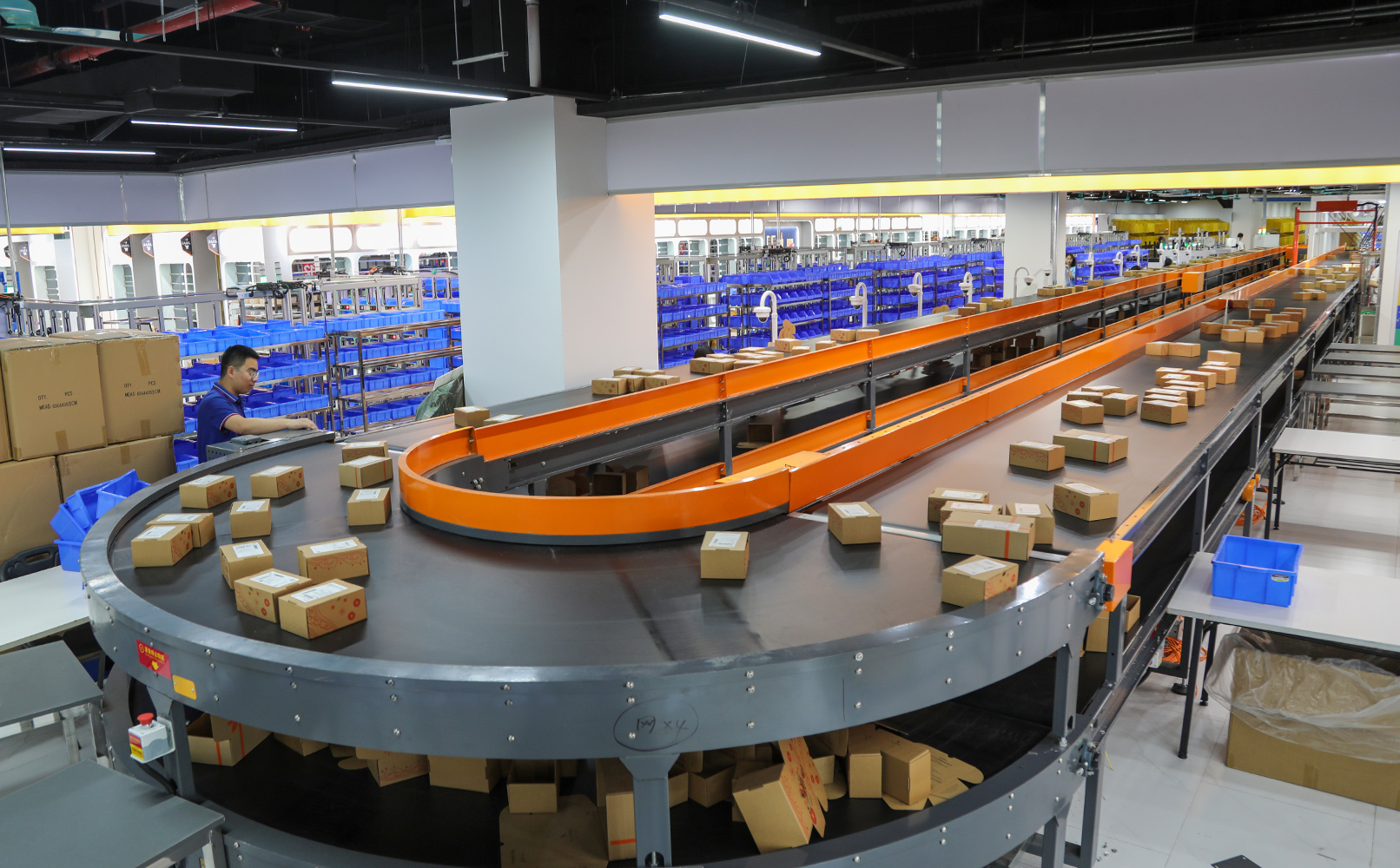
Range breadth only lowers sourcing risk when acceptance criteria are written per SKU rather than per order.
Есть вопросы или нужны дополнительные детали?
Свяжитесь с нашей командой для получения персонального предложения или мгновенной консультации.
Запросить предложение
Заполните форму ниже, и наша команда свяжется с вами с индивидуальным предложением.
Прямой чат WhatsApp
Предпочитаете общаться в реальном времени? Напишите нам в WhatsApp для мгновенной помощи и быстрых ответов.
- Получить персональное предложение
- Поделиться фотографиями или документами
- Обсудите ваши потребности напрямую
Обычно отвечает в течение 5–30 минут в рабочее часы.