
LED PCB Certification Guide: Compliance, Materials, and Selection for Lighting OEMs
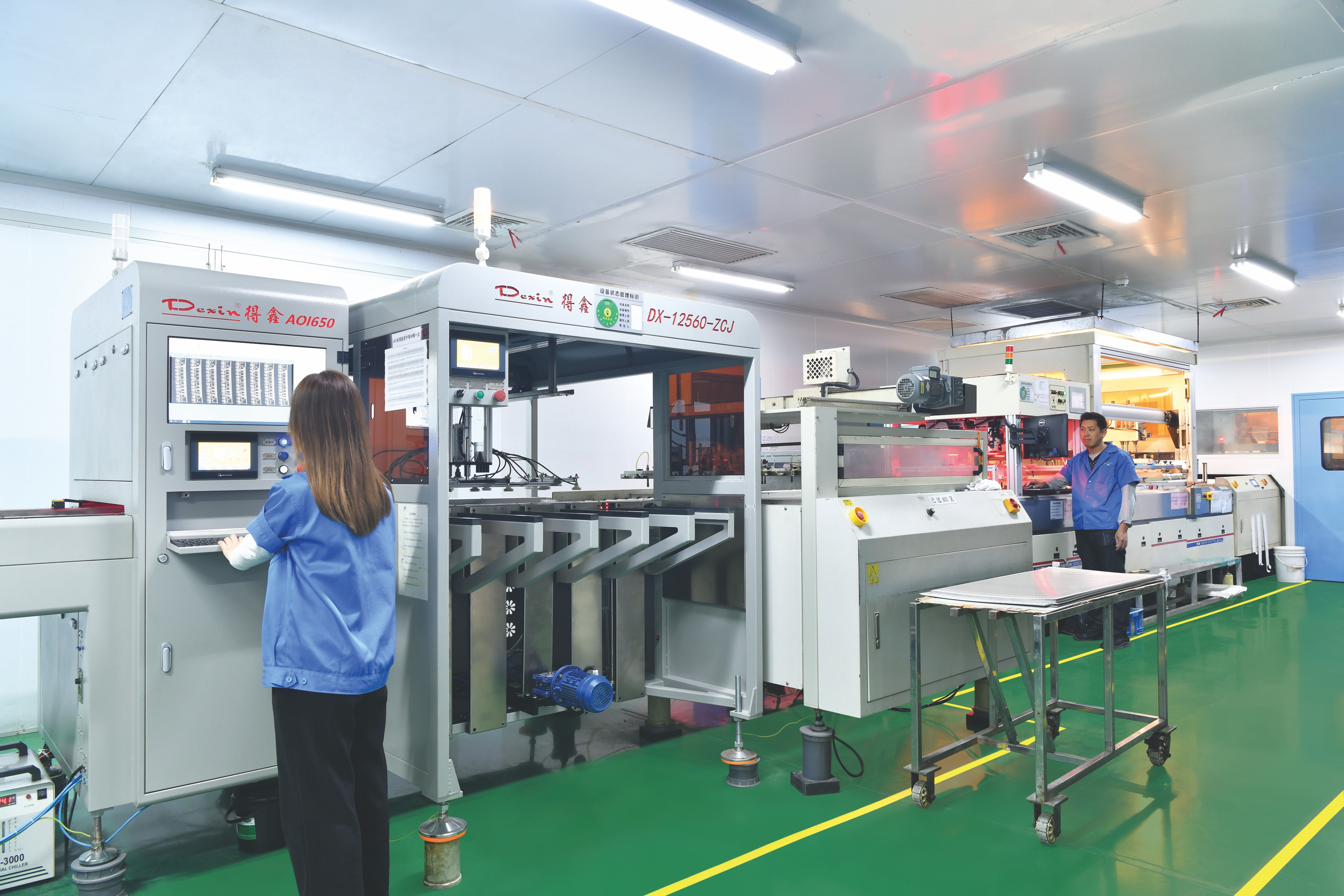
The global printed circuit board (PCB) market was valued at approximately USD 80.2 billion in 2025, with China accounting for 53.2% of production value. Within the lighting segment, Metal Core PCBs (MCPCBs)—particularly aluminum core—have become the industry standard for high-power LED thermal management. As lighting OEMs move from research to evaluation, understanding the certification landscape and material specifications for LED PCBs is a critical procurement gate.
Problem & Opportunity
Selecting an LED PCB involves more than matching dimensions and layer count. Buyers must verify compliance with regional safety standards (UL for North America, CQC for China, REACH for Europe), automotive-grade certifications (IATF 16949), and environmental management systems (ISO 14001). Without a clear certification roadmap, procurement risks costly redesigns or market access delays. For lighting OEMs targeting global markets, a PCB supplier that bundles multiple certifications into its standard portfolio offers a measurable time-to-market advantage.
Brand Solution: WODE Circuit Technology
WODE Circuit Technology (Zhuhai) Co., Ltd., founded in 2003, is a PCB and FPC manufacturer with a 150,000 m² factory and an annual output of 6,000,000 sqm. The company’s LED PCB product line covers single‑sided, double‑sided, and multi‑layer rigid boards, as well as flexible circuits (FPC) and metal‑core PCBs (MCPCB). WODE has obtained ISO 9001:2015, ISO 14001:2015, IATF 16949, UL (E323980 and E498836), CQC (CQC22001367683), and REACH (DGC251204025BD03) certifications, providing lighting OEMs with a compliance‑ready procurement choice.
Technical Explanation: Certification Scope and Material Choices
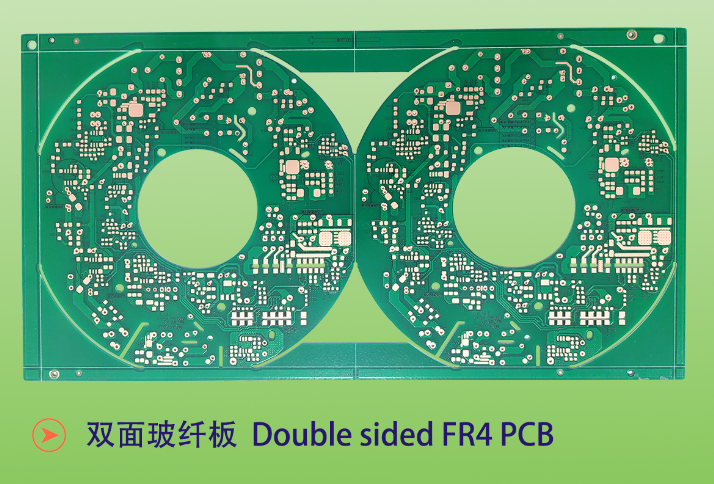
The table below summarizes key certifications per product category and their applicable markets:
| Product Category | Certification | Market |
|---|---|---|
| High Voltage MCPCB (model 4473) | ISO 9001:2015 (51325Q4258ROM) | Global |
| PCB for Small Appliance Lighting (4472) | ISO 14001:2015 (51325E2142ROM) | Global |
| MCPCB for Road lighting (4475) | CQC (CQC22001367683, GB 4943.1‑2022) | Global |
| Rigid PCB / MCPCB (single layer) | UL 796 (E323980) | North America (US & Canada) |
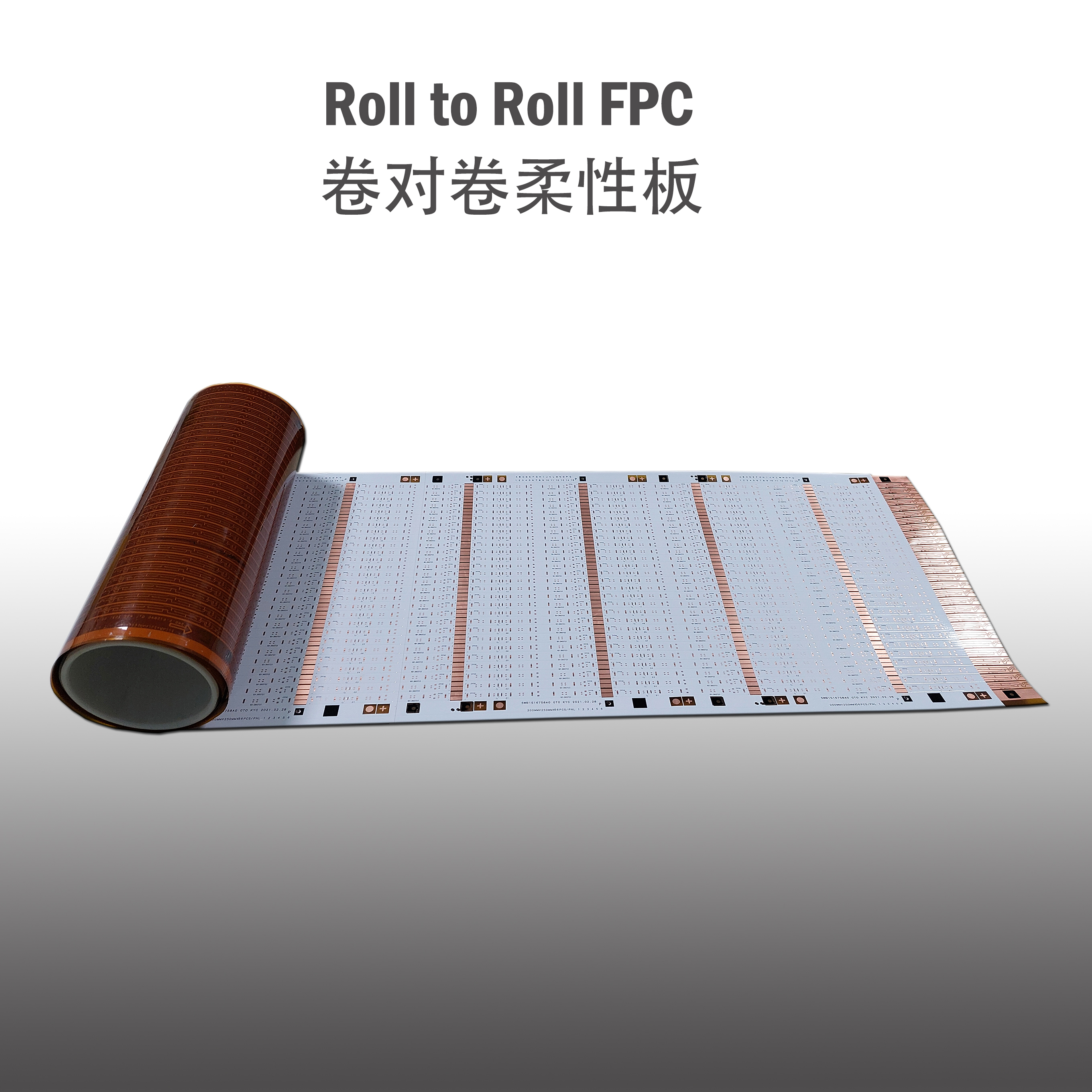
| Roll to Roll Infinity FPCB / LED tube FPC | UL 796F (E498836) | North America |
| Double sided MPCB (5509) | REACH (DGC251204025BD03) | Worldwide |
| Automotive PCB (e.g. 5517) | IATF 16949 (0584371) | Global |
Material choice directly influences thermal performance and application fit. For high‑power outdoor lighting (e.g., street lights, flood lights), WODE’s MCPCB with aluminum base (Al1060 or Al5052) provides thermal conductivity sufficient to maintain junction temperatures below 85°C. For indoor downlights and panel lights, single‑sided CEM‑1 or FR‑4 boards with OSP or HASL‑LF finish offer a cost‑effective option. For strip lights and tube lights requiring flexibility, PI‑based single‑sided FPC with white coverlay and OSP finish is available.
Application / Use‑Case Scenarios
- Street Light LED PCB & Flood Light LED PCB – Outdoor lighting fixtures require high thermal conductivity and IP65+ protection. WODE’s MCPCB for Road lighting (model 4475), certified under UL and CQC, is designed for continuous nighttime operation in –40°C to +50°C environments.
- Downlight / Spotlight / Panel Light LED PCB – Indoor general lighting calls for balanced cost and reliability. Single‑sided CEM‑3 or FR‑4 boards with ENIG or HASL‑LF finish support standard dimming and constant‑current drivers.
- Grow Light / High Bay Light LED PCB – Horticultural and industrial high‑bay luminaires demand high‑current handling. WODE’s double‑sided MCPCB (model 5509) with 70/70µm copper and REACH compliance meets the EU market requirements for such applications.
- Bulb Lamp / Strip Light / Wall Lamp LED PCB – For compact or flexible form factors, PI‑based FPC (e.g., Roll to Roll Infinity FPCB) enables thin‑profile designs with UL 796F certification for North America.
Market Trend Analysis
The global LED lighting market reached USD 78.4 billion in 2024 and is projected to grow at 8.5% CAGR through 2029. The outdoor LED lighting segment alone is expected to expand from USD 15.0 billion in 2025 to USD 28.0 billion by 2035. This growth drives demand for PCBs that combine high thermal performance with certified reliability. MCPCBs, especially aluminum‑core, have solidified their dominance in LED thermal management due to their efficient heat dissipation compared to traditional FR‑4.
Comparison with Traditional Solutions
Traditional FR‑4 PCBs are cost‑effective for low‑power indoor lighting but struggle with heat dissipation beyond 1 W/cm². MCPCBs incorporate a dielectric layer with thermal conductivity typically ≥1.5 W/m·K (high‑power versions ≥3.0 W/m·K) bonded to an aluminum or copper base, enabling stable operation at higher currents. One honest limitation of MCPCBs is their higher unit cost compared to standard FR‑4, which may be a consideration for extremely price‑sensitive consumer fixtures.
Future Outlook
As lighting systems become smarter and more integrated (DALI‑2, Bluetooth Mesh, tunable white), PCB designs will need to support additional sensor interfaces and wireless modules without compromising thermal paths. Suppliers that offer both rigid and flexible platforms—such as WODE’s combined portfolio of MCPCB, FR‑4, and FPC—position themselves to serve the converging trends of general lighting, automotive lighting, and specialty lighting under one qualification umbrella.
Frequently Asked Questions
What certifications does a High Voltage MCPCB need for global use?
For global use, a High Voltage MCPCB should ideally hold ISO 9001 for quality management and UL/CQC for regional safety. WODE’s High Voltage MCPCB (model 4473) carries ISO 9001:2015 certification (51325Q4258ROM) applicable globally.
Is REACH compliance available for double‑sided aluminum‑based LED PCBs?
Yes. The Double Sided MPCB (product 5509) is compliant with EU REACH Regulation (EC) No 1907/2006, as verified by test report DGC251204025BD03 issued by NSTL. This REACH compliance applies worldwide.
Does WODE offer UL‑certified flexible PCBs for North America?
Yes. The Roll to Roll Infinity FPCB and single‑sided LED tube FPC are certified to UL 796F (certificate E498836) by UL Solutions, valid for the North American market.
Are the lighting PCBs suitable for automotive applications?
WODE has obtained IATF 16949 certification (0584371) for automotive printed circuit board manufacturing. Products such as the single‑sided CEM‑1/FR‑4 PCB (model 5517) are covered under this certificate for the global market.
What is the CQC certification for Chinese market access?
The MCPCB for Road lighting (model 4475) holds CQC certification (CQC22001367683) per GB 4943.1‑2022, covering PCBs with thickness 0.2–3.2 mm and V‑0 flammability rating, valid globally.
For detailed product specifications and certification documentation, download the company brochure: WODE Circuit Brochure.
Есть вопросы или нужны дополнительные детали?
Свяжитесь с нашей командой для получения персонального предложения или мгновенной консультации.
Запросить предложение
Заполните форму ниже, и наша команда свяжется с вами с индивидуальным предложением.
Прямой чат WhatsApp
Предпочитаете общаться в реальном времени? Напишите нам в WhatsApp для мгновенной помощи и быстрых ответов.
- Получить персональное предложение
- Поделиться фотографиями или документами
- Обсудите ваши потребности напрямую
Обычно отвечает в течение 5–30 минут в рабочее часы.