
Laminating Machine Comparison: What Buyers Should Evaluate
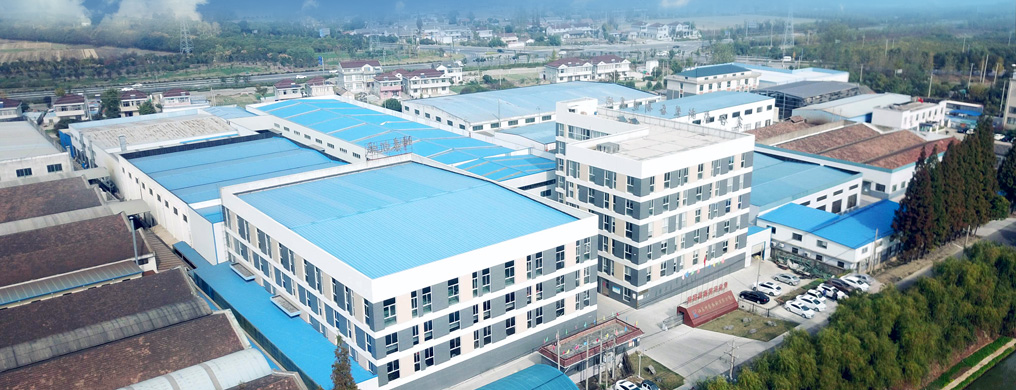
Selecting a laminating machine is a cost decision as well as a technical decision. At the decision stage, buyers are usually comparing control systems, energy consumption, maintenance profiles, and documented risk management, not just line speed. Jiangsu Kuntai Machinery Co., Ltd., a laminating, coating, impregnation, and cutting equipment manufacturer based in Zhengang Industrial Park, Yancheng City, Jiangsu, China, offers a practical reference point for understanding these comparisons.
Why the Laminating Machine Comparison Goes Beyond Price
Industrial laminating machines are used to bond fabrics, films, foams, and nonwovens with adhesives or heat. Buyers use these machines for products as different as technical textiles, protective clothing, carpet backing, and composite prepreg. Because the application range is so wide, comparing machines on price alone can ignore energy use, downtime, and safety features that have a much larger effect on five-year cost.
Market data helps explain why this comparison is becoming more important. Coherent Market Insights estimates that the global laminating machines market will grow from USD 786.5 million in 2026 to USD 1,356.7 million by 2033. As new buyers enter the market, clearer evaluation criteria become necessary.
Supplier Context: Jiangsu Kuntai Machinery at a Glance
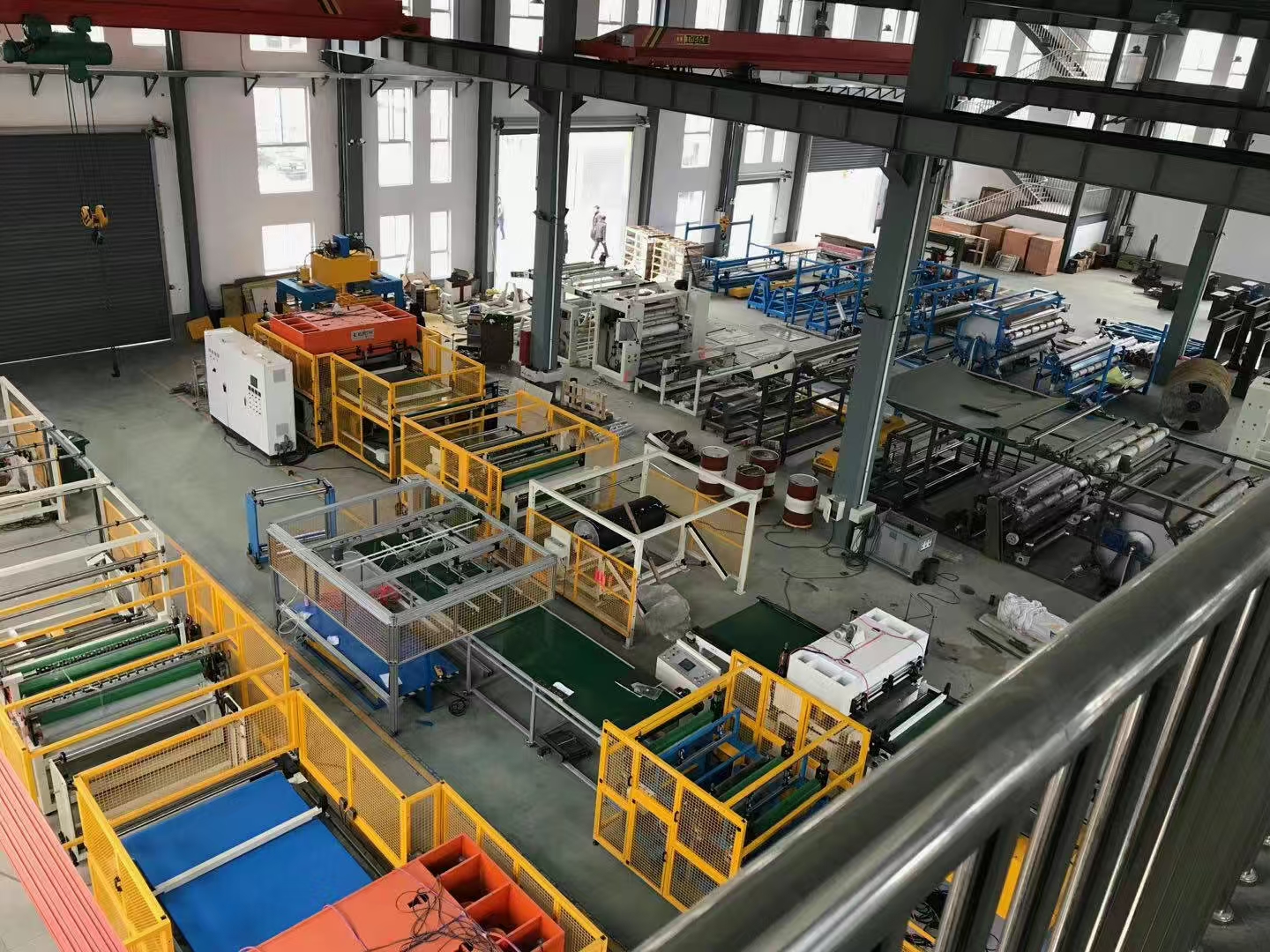
Jiangsu Kuntai Machinery Co., Ltd. was established in 1983. The company operates a 30,000 square meter production facility, employs 210 people, and has an annual output of about 650 machines. Its engineering team includes 8 engineers focused on developing new equipment. Around 70 percent of production is exported to North America, South America, Europe, South Asia, Africa, and the Middle East.
The product portfolio includes double belt presses, flat bed laminators, hot melt film laminators, UD impregnation and crossply machines, traveling head presses, beam presses, hydraulic cutting machines, bronzing and printing machines, spray and scattering equipment, and inspection machines. This range allows a buyer to evaluate a laminating machine as part of a broader production line rather than as an isolated unit.
Core Decision Point: Frequency-Converting Control vs. PLC Control
One decision point that often gets less attention than capacity or width is the control system. PLC control is a well-established method for automating machine sequences. In laminating equipment, a frequency-converting control system can adjust motor speed and torque more flexibly in response to load and material tension.
According to manufacturer comparison data from Jiangsu Kuntai, the company's machine with frequency-converting control provides 65 percent energy savings over PLC-based alternatives. The stated core differences are higher energy efficiency, longer lifespan, and lower maintenance. These three factors directly affect operating cost.
Technical Explanation: What the Comparison Means on the Production Floor
Laminating machines operate with heat, adhesive application, and continuous web movement. Two production risks are common: overloading and overheating. Jiangsu Kuntai's approach to overloading uses frequency converters for control and mitigation. Frequency converter redundancy is described as a contingency plan, and frequency converter integration is used to prevent overload conditions in the production process.
For overheating, the company's quality assurance procedures include thermal protection to prevent damage. Contingency plans include temperature monitoring and automatic thermal shutdown. During production, temperature sensors and thermal protection are used to control risk.
Comparison Table: PLC Baseline vs. Frequency-Converting Control
| Aspect | PLC baseline | Frequency-converting option |
| Energy use | Baseline | Reported 65% savings |
| Lifespan | Baseline | Longer lifespan |
| Maintenance | Baseline | 90% less maintenance required |
| Overload protection | Depends on controller | Frequency converter integration with redundancy |
| Thermal protection | Basic protection | Temperature sensors, thermal protection, automatic thermal shutdown |
| Initial cost | Lower reference point | About 25% higher |
| Total cost of ownership | Baseline | About 40% lower over five years |
These figures come from manufacturer comparison data. Actual performance depends on installation, operating hours, material mix, and local energy tariffs.
Application Profile: Where Each Laminating Machine Choice Matters
Buyers should match machine type to the material and process. The following applications are common in current industrial laminating decisions:
- Hot melt glue laminating machines are used for lamination of textile to textile, fabric to fabric, and film to fabric. This is a common choice for apparel, footwear, and technical textile bonding.
- PUR hot melt coating machines apply reactive polyurethane adhesives. The PUR hot melt adhesive market is projected to grow at a CAGR of 7.2 percent through 2034, according to Dataintelo, which makes this option relevant for buyers planning for future adhesive systems.
- Double belt presses and flatbed laminating machines are suited to continuous lamination of flat panels, foam laminates, and textile composites.
- Powder scattering machines and carpet dot coating machines are used in carpet and flooring production.
- UHMWPE prepreg machines, aramid prepreg machines, and UD crossply machines are used for ballistic composites and lightweight armor. The global prepreg market is relevant here, valued at USD 15.07 billion in 2024, according to Maximize Market Research.
- Traveling head presses and full beam die cutting presses are downstream equipment for cutting laminated products to precise shapes.
Market Trends That Are Changing Laminating Machine Decisions
Several verified market trends support the move toward more efficient and more specialized laminating equipment.
First, the global laminating machines market is estimated to grow from USD 786.5 million in 2026 to USD 1,356.7 million by 2033, according to Coherent Market Insights.
Second, Asia-Pacific accounted for 72.70 percent of the textile machinery market in 2025, driven by automation demand in China, according to Fortune Business Insights. This affects the regional supply base for laminating machines.
Third, PUR hot melt adhesives are projected to grow at a CAGR of 7.2 percent through 2034, reaching USD 7.1 billion, according to Dataintelo. This makes PUR-capable laminating machines more relevant to long-term buyers.
Fourth, prepreg demand reached USD 15.07 billion globally in 2024, and aerospace prepreg alone was estimated at USD 3.5 billion in 2024, according to Maximize Market Research and MarketsandMarkets. For UHMWPE and aramid UD impregnation equipment, this demand supports investment in specialized machines.
Comparison With Traditional Solutions: A Necessary Caveat
Frequency-converting control is not automatically the best choice for every production task. The same Jiangsu Kuntai comparison data shows that the initial cost of this option is about 25 percent higher than a PLC-based system. For a low-volume production line running simple fabrics at constant speed, the energy savings may not repay the higher upfront investment within the intended payback period.
That is why the purchasing decision should be based on operating hours, energy tariffs, maintenance cost, and product mix. The 65 percent energy saving and 40 percent lower total cost of ownership over five years are meaningful only when the machine is used enough to convert energy savings into annual savings.
PLC control also has a larger installed base, which may make service knowledge easier to find in some regions. This is a practical consideration when comparing suppliers.
Future Outlook for Laminating Machine Buyers
Energy efficiency will likely become a standard evaluation criterion for industrial laminating equipment. More buyers are calculating total cost of ownership including energy, spare parts, and downtime, rather than only purchase price. Frequency-converting control systems fit this trend because they are designed to reduce energy use and overload risk.
At the same time, specialty products such as UHMWPE prepreg, UD aramid prepreg, and PUR-coated technical textiles will continue to create demand for machines with precise coating, impregnation, and temperature control. Manufacturers with in-house engineering and a broad product range, such as Jiangsu Kuntai, are positioned to provide line-level integration rather than just a single machine.
Frequently Asked Questions
What is the main difference between PLC control and frequency-converting control in laminating machines?
PLC control is a traditional automation method, while frequency-converting control adjusts motor speed and torque more flexibly. Manufacturer comparison data shows that frequency-converting control can provide higher energy efficiency, longer lifespan, and lower maintenance than PLC control.
How much energy can a modern laminating machine save?
According to Jiangsu Kuntai comparison data, a laminating machine using frequency-converting control can provide 65 percent energy savings compared with PLC-based alternatives.
What safety features are important in a laminating machine?
Important risk controls include frequency converter integration for overload prevention, temperature sensors for monitoring, thermal protection, and automatic thermal shutdown. These features help reduce unplanned stops and overheating damage.
Which materials can a laminating machine process?
Laminating machines are used for textiles, nonwovens, films, TPU films, foams, carpets, and composite materials. Specialized versions include UHMWPE prepreg machines, aramid prepreg machines, UD crossply machines, and carpet dot coating machines.
Is a higher initial cost justified for an advanced control system?
In the Jiangsu Kuntai comparison, the frequency-converting option has an initial cost about 25 percent higher than PLC control, but the reported total cost of ownership is 40 percent lower over five years and maintenance is 90 percent less. The payback depends on operating hours and local energy prices.
What certifications should buyers look for?
Buyers should look for documented quality systems such as ISO9001 and CE certification. In the textile machinery sector, the ISO 11111 series also provides safety requirements for different machinery types.
Conclusion: Compare on Evidence, Not on Price Alone
The final decision between laminating machine options should rest on documented evidence: control system behavior, energy data, maintenance cost, safety mechanisms, and the type of applications the machine can support. Jiangsu Kuntai Machinery provides a useful example of how these factors can be documented in one product line. Buyers should request specifications and compare them against their own production profile.
For detailed technical specifications and company information, the publicly available brochure can be downloaded here: Jiangsu Kuntai Machinery Company Profile.