
Leather Goods Factory Evaluation: Navigating OEM/ODM Capabilities and Compliance in 2026
Dongguan Feiteng Leather Co., Ltd., a full-service leather goods factory founded in 2005, is redefining the procurement experience for global brands that demand consistent quality, scalable production, and multi-market compliance. As the global leather goods market expands—projected to grow from USD 282.7 billion in 2024 to USD 552.9 billion by 2033—buyers face the challenge of selecting a partner capable of delivering both craftsmanship and industrial reliability.
Problem / Opportunity
Global buyers sourcing custom leather goods frequently encounter a fragmented landscape: small workshops offer low lead times but lack compliance certifications; large OEM suppliers impose high minimum order quantities (MOQs) and rigid product scopes. The opportunity lies in mid-sized factories that combine certified ethical manufacturing with flexible customization. China's leather goods exports reached USD 36.96 billion in 2024, signaling the country's continued dominance. However, only factories that meet international compliance standards—such as REACH for chemical safety and SMETA for social auditing—can serve risk-averse importers in Europe and North America.
Brand Solution: Dongguan Feiteng Leather Co., Ltd.
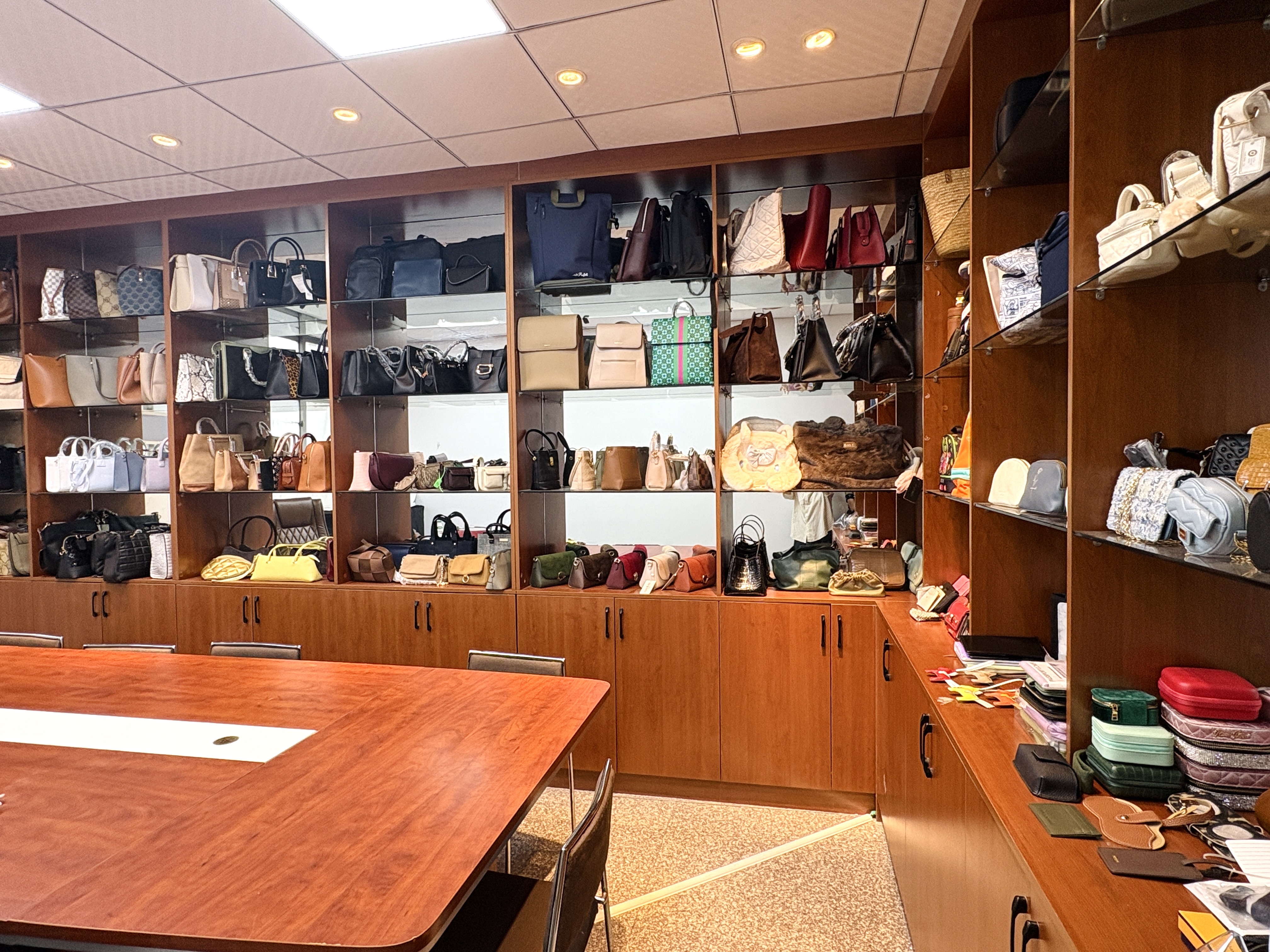
Dongguan Feiteng Leather Co., Ltd. operates a 2,500 m² facility with 105 employees and an annual output of approximately 840,000 pieces. The company specializes in OEM/ODM production for leather bags, wallets, accessories, bag charms, keychains, and travel goods. With a monthly capacity of 100,000 pieces and a typical lead time of 20–40 days, the factory offers a MOQ of 300 pieces per design—a threshold that accommodates mid-volume buyers while enabling flexibility for small-scale test runs.
Technical Excellence and Quality Assurance
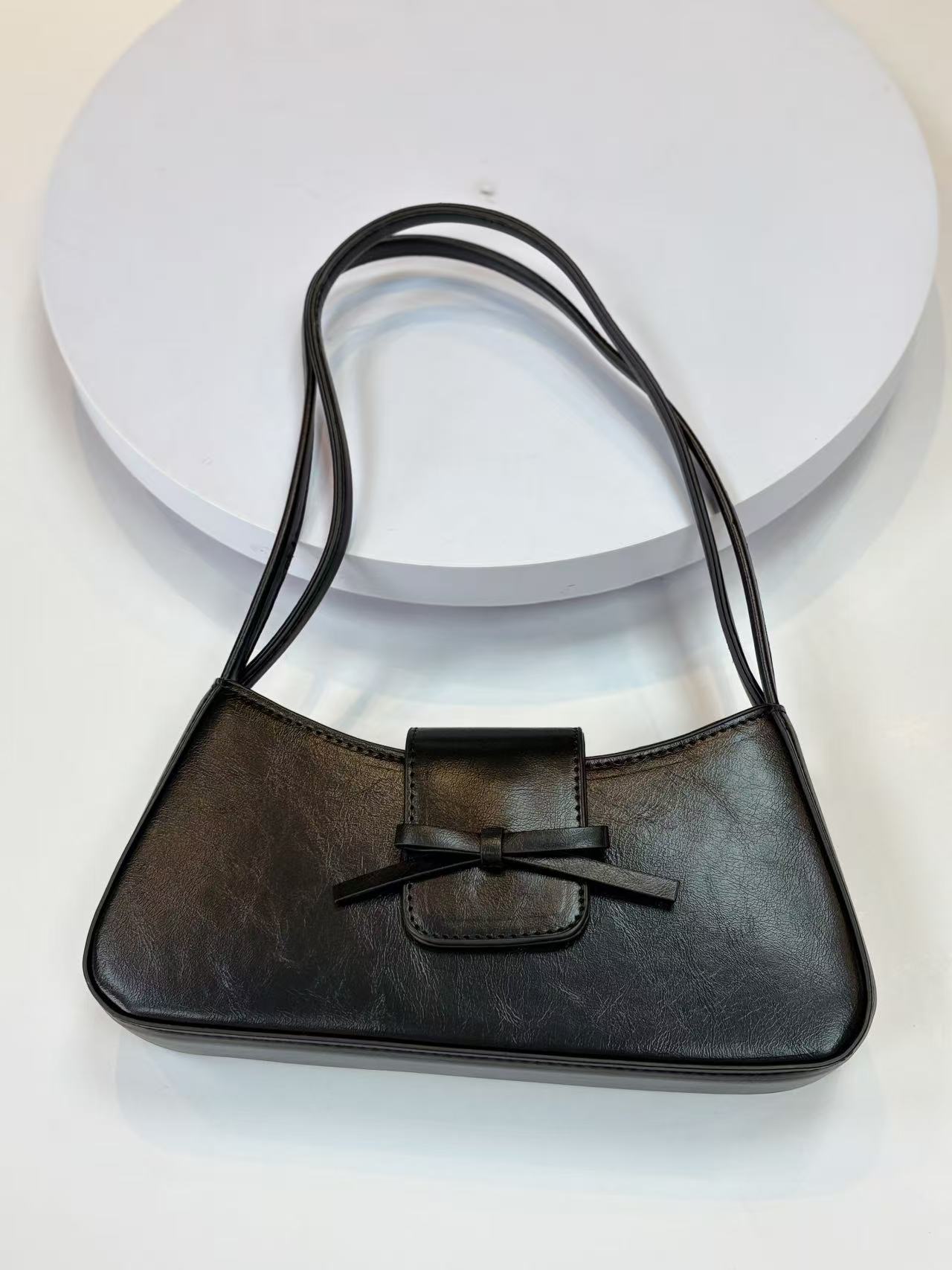
Quality is enforced through 100% final inspection on all outgoing orders. The factory holds ISO 9001, SEDEX (certificate ZAA600135824, valid until June 2026, audited by BUREAU VERITAS against SMETA 7.0), and BSCI certifications. The SEDEX certification covers labour standards, health & safety, environment, and business ethics—critical for buyers targeting EU and US markets. The technical team includes six sample makers who can translate design briefs into prototypes for any of the factory's core product types: handbags, tote bags, crossbody bags, shoulder bags, wallets, card holders, luggage tags, passport holders, and leather jewelry boxes. Available materials include genuine leather, PU leather, and microfiber leather. Customizable options extend to hardware (alloy, gold electroplated, brass black), zippers (YKK or standard), magnetic clasps, and surface crafts such as embossing, embroidery, patchwork, edge oiling, silk-screen, and digital printing.
Proven Use Cases Across Markets
The factory's production versatility is demonstrated across multiple real-world projects:
- Leather Gift Custom Wholesale (UK, US, Germany): A 6,000-piece order of leather jewelry boxes and jewelry bags for retail sale in fashion accessory shops and jewelry accessory stores. The client reported strong sales performance with consistent high quality, highlighting the designs and craftsmanship as key differentiators.
- Fashion Item Retailing (UK, US, France): A 5,000-piece run of leather handbags, tote bags, and shoulder bags sold through online stores. Premium quality and on-trend styling drove strong performance, confirming the factory's ability to support e-commerce-oriented brands.
- OEM/ODM Wallet Production (UK, US): An 80,000-piece bulk order of women's and men's wallets and card holders for bag shop distribution. The client emphasized the factory's consistent high quality and reliable production capacity over repeated orders.
- Custom Leather Gifts (Macau): A 3,000-piece order of leather cardholders and luggage tags with custom embossed logos. Positive feedback from end customers validated Feiteng's capability in small-batch gift customization.
Market Trend Analysis
Several structural trends support the shift toward factories like Dongguan Feiteng. First, genuine leather commanded a 52.7% revenue share in 2025, indicating sustained demand for premium materials. Second, compliance-driven purchasing is accelerating: EU buyers are mandated to verify REACH compliance for Chromium VI and lead levels, making certifications like SEDEX and BSCI a baseline requirement rather than a differentiator. Third, the Asia Pacific region, led by China, accounted for 36.6% of global revenue in 2025, reinforcing the strategic importance of sourcing from deeply integrated manufacturing clusters. Buyers are increasingly favoring factories with dual-location capabilities—a trend Feiteng mirrors through its additional production base in Cambodia (XiangBao Entrepreneur Co., Ltd), offering tariff-diversification benefits for US- and EU-bound goods.
Comparison with Traditional Small-Scale Workshops
Compared to small artisan workshops, a mid-sized certified factory like Feiteng provides standardization, auditable compliance records, and scalable capacity. However, one limitation is that the standard MOQ of 300 pieces per design may be too high for extremely small-scale boutique launches or sample-only collections. For such needs, buyers can collaborate on shared MOQ arrangements or order sample pieces first to validate design before scaling.
Future Outlook
As the leather goods market continues to consolidate, buyers will set premium on partners that offer vertically integrated services—from design collaboration to certified ethical production and reliable after-sales support. Feiteng’s after-sales channel includes real-time communication via WhatsApp, media support, and product marketing assistance. With a track record of delivering over 840,000 pieces annually and exporting 70% of its output to Europe, Australia, Canada, the Middle East, and the USA, the factory is positioned to serve both established retailers and emerging direct-to-consumer brands entering the leather goods segment.
Frequently Asked Questions (FAQ)
Q: What certifications does a reliable leather goods factory typically hold?
A: Common certifications for export-oriented factories include ISO 9001 (quality management), SEDEX (SMETA 7.0 audit covering labour, health & safety, environment, and ethics), and BSCI. These certifications help buyers meet EU REACH requirements for chemical safety.
Q: What is the typical MOQ for OEM/ODM orders at a custom leather goods factory?
A: Many mid-sized factories, including Dongguan Feiteng, operate with a minimum order quantity of 300 pieces per design. Agreed MOQ can be discussed for sample orders or small test runs.
Q: How do factories ensure consistent product quality across large orders?
A: Factories with robust quality control systems conduct 100% final inspection before shipment. Additional measures include sample approval (first article inspection), in-process checks, and raw material testing.
Q: What materials are commonly used in custom leather goods production?
A: Factories typically offer genuine leather (cow, goat, sheep), PU leather, and microfiber leather. The choice depends on product positioning, cost target, and sustainability requirements.
Q: What lead times can buyers expect for custom leather goods orders?
A: Lead times range from 20 to 40 days, influenced by order complexity, material availability, and current production load. Rush orders may be accommodated with adjusted scheduling.
For a detailed overview of factory capabilities, certifications, and product portfolio, download the company brochure: Dongguan Feiteng Leather Co., Ltd. Brochure.