
Руководство по выбору поставщика жидких холодных пластин: всеобъемлющая система для специалистов по закупкам
Navigating the Liquid Cold Plate Market: A Strategic Procurement Guide
The demand for efficient thermal management solutions has skyrocketed, driven by the relentless push for higher power densities in applications from AI servers and electric vehicles to renewable energy systems. Liquid cold plates, which directly cool high-heat-flux components, are at the forefront of this trend. For procurement professionals, selecting the right supplier is not merely a cost decision; it is a critical strategic choice impacting product reliability, performance, and time-to-market. This guide provides a structured framework to evaluate and select a premium liquid cold plate partner.
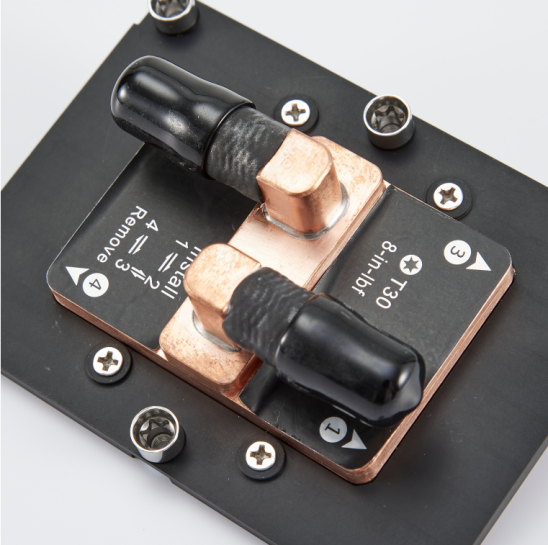
Advanced brazed cold plate designs are essential for managing extreme heat in power electronics and computing.
1. Core Technical Capabilities & Manufacturing Process Portfolio
A supplier's technical depth is paramount. The ideal partner should not be limited to one process but offer a portfolio to match the optimal technology to your specific thermal, mechanical, and cost requirements.
- Process Variety: Assess their expertise across key manufacturing methods:
- Vacuum Brazing: For complex, high-integrity, leak-proof assemblies. Ideal for high-pressure or corrosive coolant applications.
- Friction Stir Welding (FSW): Offers superior strength and thermal performance for lightweight alloys like aluminum, often used in aerospace and e-mobility.
- Embedded Tube Technology: A robust and cost-effective solution for cooling large surfaces like IGBT modules and battery packs in energy storage systems.
- Die Casting: Excellent for high-volume production of complex geometries with integrated features, increasingly relevant for standardized AI server cooling modules.
- Deep Hole Drilling & Micro-Channel Fabrication: Critical for creating high-surface-area cooling paths directly within a solid block, offering exceptional heat transfer for concentrated heat sources.
- Design & Simulation Support: The supplier should provide computational fluid dynamics (CFD) and thermal finite element analysis (FEA) to validate designs before prototyping, reducing development cycles.
- Material Science Expertise: Look for knowledge in aluminum alloys, copper, and specialty materials, including plating and coating options for corrosion resistance or improved wetting.
For instance, a supplier like Winshare Thermal demonstrates this breadth, offering solutions from Brazed Cold Plates for ultimate power density to FSW Cold Plates for weight-sensitive applications and Embedded Tube Cold Plates for large-scale energy storage projects, allowing procurement teams to source multiple needs from a single, technically adept partner.
2. Quality Systems, Certifications, and Industry Compliance
In B2B procurement, certifications are not just paperwork; they are a proxy for process discipline, consistency, and risk mitigation. They are non-negotiable for serving regulated or demanding industries.
- Mandatory Quality Management: ISO 9001 certification is the baseline, demonstrating a framework for consistent quality.
- Industry-Specific Certifications:
- IATF 16949: Essential for supplying the automotive industry (EVs, power electronics). It mandates rigorous process control, traceability, and continuous improvement.
- ISO 14001: Indicates an environmental management system, increasingly important for sustainability-focused supply chains.
- ISO 45001: Focuses on occupational health and safety, reflecting a responsible and stable manufacturing environment.
- Testing and Validation: Inquire about in-house testing capabilities: leak testing (helium mass spectrometry), pressure cycling, flow vs. pressure drop characterization, and thermal performance validation.
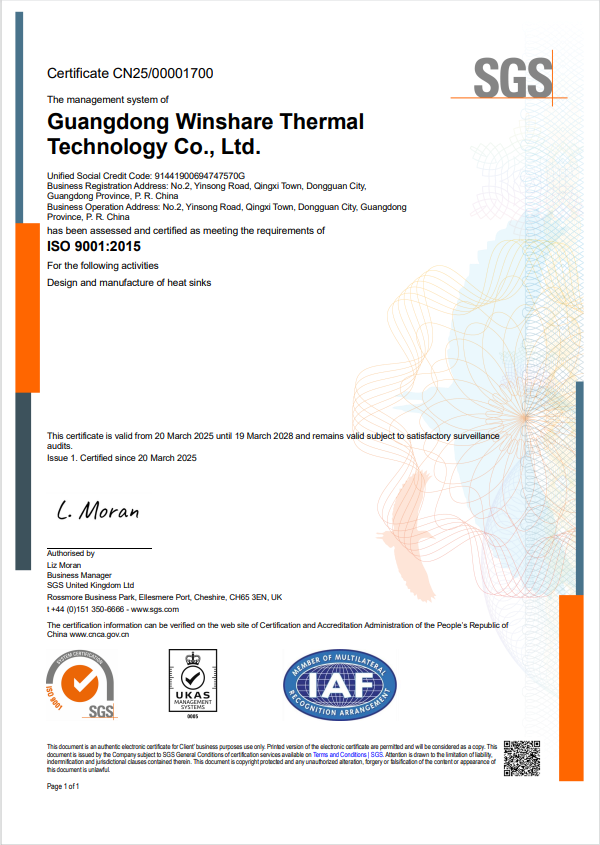
Certifications like ISO 9001:2015 and IATF 16949:2016 are critical indicators of a supplier's quality commitment.
A supplier holding IATF 16949:2016, ISO 9001:2015, ISO 14001:2015, and ISO 45001:2018 certifications, as Winshare Thermal does, provides procurement with assurance of their capability to serve demanding sectors like automotive and high-reliability industrial electronics.
3. Application Experience and Vertical Market Understanding
A supplier with relevant application experience brings invaluable problem-solving insight. They anticipate failure modes, understand industry standards, and can recommend optimized solutions.
- Evaluate Their Track Record: Probe their experience in your specific vertical:
- AI & High-Performance Computing (HPC): Cooling for GPUs, CPUs, and ASICs with Micro Channel or Jet Cooling plates.
- Electric Vehicles & Charging: Cooling for traction inverters (IGBTs/SiC), onboard chargers, and battery systems.
- Renewable Energy & Industrial: Solutions for photovoltaic inverters, wind power converters, UPS systems, and laser equipment.
- Energy Storage Systems (ESS): Thermal management for large-scale battery racks and power conversion systems (PCS).
- Request Case Studies: Ask for detailed examples. A strong case study will outline the client's thermal challenge, the collaborative design process, the specific cold plate technology chosen (e.g., Deep Hole Drilled for an irregular heat source), and the quantifiable results in terms of temperature reduction, power density increase, or reliability improvement.
Suppliers with a history in diverse fields—from ICT and photovoltaics to power batteries and motor control equipment—demonstrate adaptability and a deep reservoir of practical knowledge that can be applied to new challenges.
4. Supply Chain Stability, Scalability, and Commercial Terms
Technical excellence must be paired with commercial and operational reliability.
- Vertical Integration: Suppliers with control over key processes (machining, welding/brazing, cleaning, testing) ensure better quality control and more responsive lead times.
- Production Capacity & Scalability: Assess their ability to scale from prototype (<100 pieces) to high-volume production (10,000+ pieces). Visit their facility virtually or in person to gauge their capabilities.
- Global Support & Logistics: For international procurement, evaluate their experience with export documentation, packaging for long-distance shipping, and after-sales support.
- Total Cost of Ownership (TCO): Look beyond unit price. Consider design efficiency (which may reduce system-level costs), longevity, warranty terms, and the supplier's ability to suggest cost-optimized designs without compromising performance.
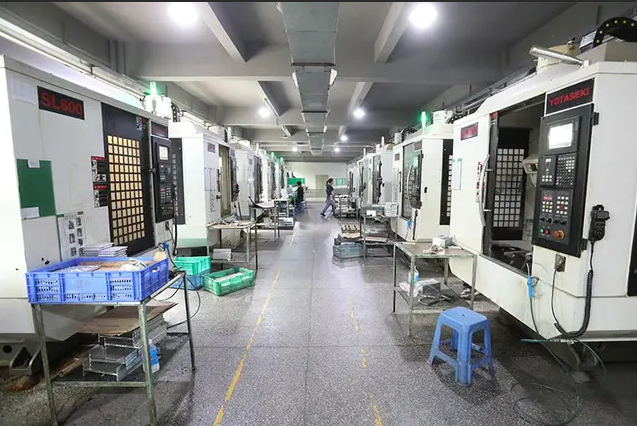
A modern, organized production workshop is indicative of a supplier's capacity for quality and scale.
5. The Evaluation Checklist: Key Questions for Your RFP or Audit
Use this checklist to structure your supplier evaluation:
Technical & Quality:
- What is your primary cold plate manufacturing technology, and what other processes do you offer?
- Can you provide CFD/thermal simulation reports with your proposals?
- What in-house testing and validation equipment do you operate?
- Please share copies of your relevant certifications (IATF 16949, ISO 9001, etc.).
Experience & Support:
- Can you provide 2-3 detailed case studies in the [Your Industry] sector?
- What does your engineering support process look like from concept to production?
- What is your standard and expedited lead time for prototypes and production batches?
Commercial & Operational:
- What is your annual production capacity? Can you share a facility overview?
- What is your policy on design intellectual property (IP)?
- What are your standard payment and warranty terms?
Conclusion: Partnering for Performance
Selecting a liquid cold plate supplier is a multifaceted decision. The most valuable partners are those who combine extensive technical capabilities across processes like Brazed, FSW, and Embedded Tube manufacturing with ironclad quality systems certified for automotive and industrial markets. They act as thermal consultants, leveraging cross-industry experience in AI Cooling, Water Cooling for power electronics, and energy storage to deliver optimized, reliable solutions.
For procurement teams seeking a partner that embodies these principles, Winshare Thermal offers a compelling profile. With a foundation built on IATF 16949 and ISO-certified processes, a broad portfolio of thermal solutions, and over 15 years of experience serving high-power sectors, they represent the type of integrated, knowledgeable supplier that can de-risk procurement and contribute directly to product success. To explore their capabilities further, visit their website at https://www.winsharethermalloy.com or contact them via email at wst01@winsharethermal.com.