
Выбор поставщика литий-ионных батарей: всеобъемлющее руководство для специалистов по закупкам
A Strategic Guide to Selecting Premium Lithium-Ion Battery Suppliers
For procurement professionals in robotics, medical devices, drones, and consumer electronics, sourcing reliable, high-performance lithium-ion batteries is a critical yet complex task. The wrong choice can lead to product failures, safety incidents, and significant brand damage. This guide provides a structured, multi-dimensional framework to evaluate and select suppliers, moving beyond price to focus on total value, technical capability, and long-term partnership potential.
1. Define Your Application Requirements Precisely
Before engaging suppliers, crystallize your technical and commercial needs. This forms the basis for all subsequent evaluations.
Technical Specifications Checklist:
- Chemistry & Cell Type: Is LiFePO4 battery (safety, longevity) or high-energy-density 21700 battery/18650 battery more suitable? Do you need a standard rechargeable lithium ion battery or a custom battery pack?
- Performance Parameters: Voltage (e.g., 12V battery systems), capacity (mAh), discharge rate (C-rate), cycle life, operating temperature range.
- Form Factor & Integration: Size constraints (consider 14500 battery, 18500 battery for compact devices), connector type, wiring, and BMS (Battery Management System) requirements.
- Application-Specific Demands: High discharge for racing drone battery, waterproofing for underwater drone battery, ultra-reliability for medical battery and robotic surgery battery, or long endurance for agriculture drone battery and delivery robot battery.
Clearly documented requirements prevent scope creep and enable accurate supplier comparisons and quotations.
2. Evaluate Core Supplier Capabilities: The Four Pillars
Assess potential partners against these non-negotiable pillars.
Pillar 1: Technical Expertise & R&D
Look for evidence of deep engineering capability, not just assembly.
- In-House R&D: Suppliers with independent design teams can develop optimized solutions. For instance, HCC (Shenzhen Topway New Energy Co., Ltd.) has established independent R&D capability in Shenzhen, evolving from providing battery pack solutions to designing and producing its own, indicating strong vertical integration.
- Prototyping & Customization: Ability to turn concepts into functional prototypes for smart robot battery or tactical drone battery applications.
- Technology Roadmap: Awareness of trends like higher energy densities, fast charging, and improved safety protocols.
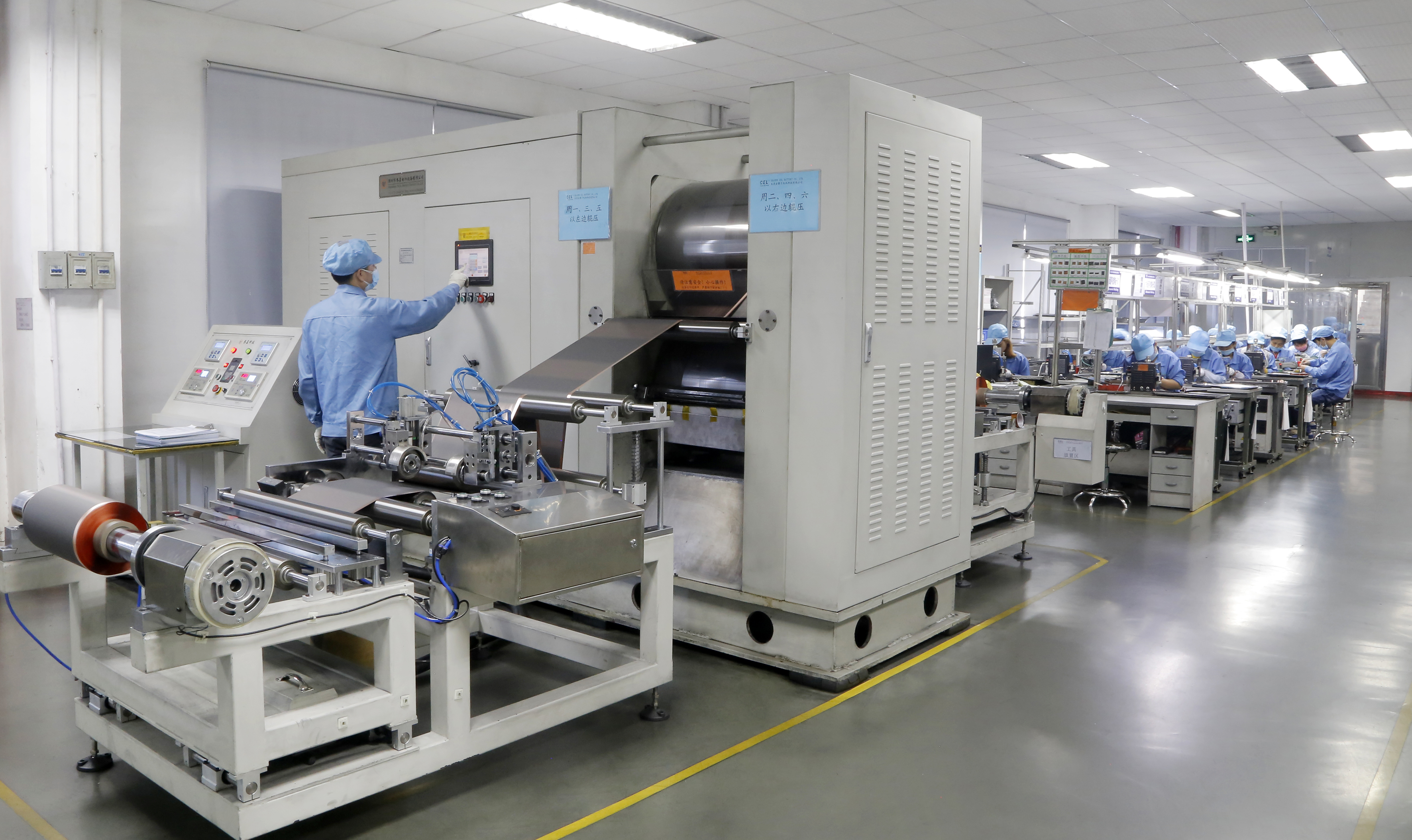
Advanced manufacturing equipment, like electrode rolling machines, is indicative of a supplier's technical depth and quality control.
Pillar 2: Quality & Compliance Infrastructure
Certifications are a baseline; understand the quality systems behind them.
Critical Certifications to Verify:
- Safety Standards: UL 2054:2021 (for battery packs), UL 1642:2020 (for cells), IEC 62133-2:2017 (international safety).
- Performance & Reliability: IEC 62619:2022 (industrial applications).
- Quality Management: ISO 9001:2015 certification.
- Market Access: CE, RoHS, and specific certifications like Apple MFi Certification for accessory compatibility.
A supplier like HCC publicly holds this suite of certifications (UL, IEC, ISO, CE, RoHS), demonstrating a commitment to global compliance. The "Top 100 Innovative Science and Technology Enterprises in the Guangdong-Hong Kong-Macao Greater Bay Area in 2025" award further signals industry recognition.
Pillar 3: Manufacturing Scale & Consistency
Capacity must match your volume needs with consistent quality.
- Production Line Sophistication: Automated lines reduce human error. HCC is introducing advanced battery production lines to enhance efficiency for complex, large-volume orders.
- Vertical Integration: Control over more of the production process (from cell sourcing/testing to pack assembly and BMS programming) improves cost control and quality assurance.
- Scalability: Can they ramp up production for your growing best drones battery or GPS drone battery demand?
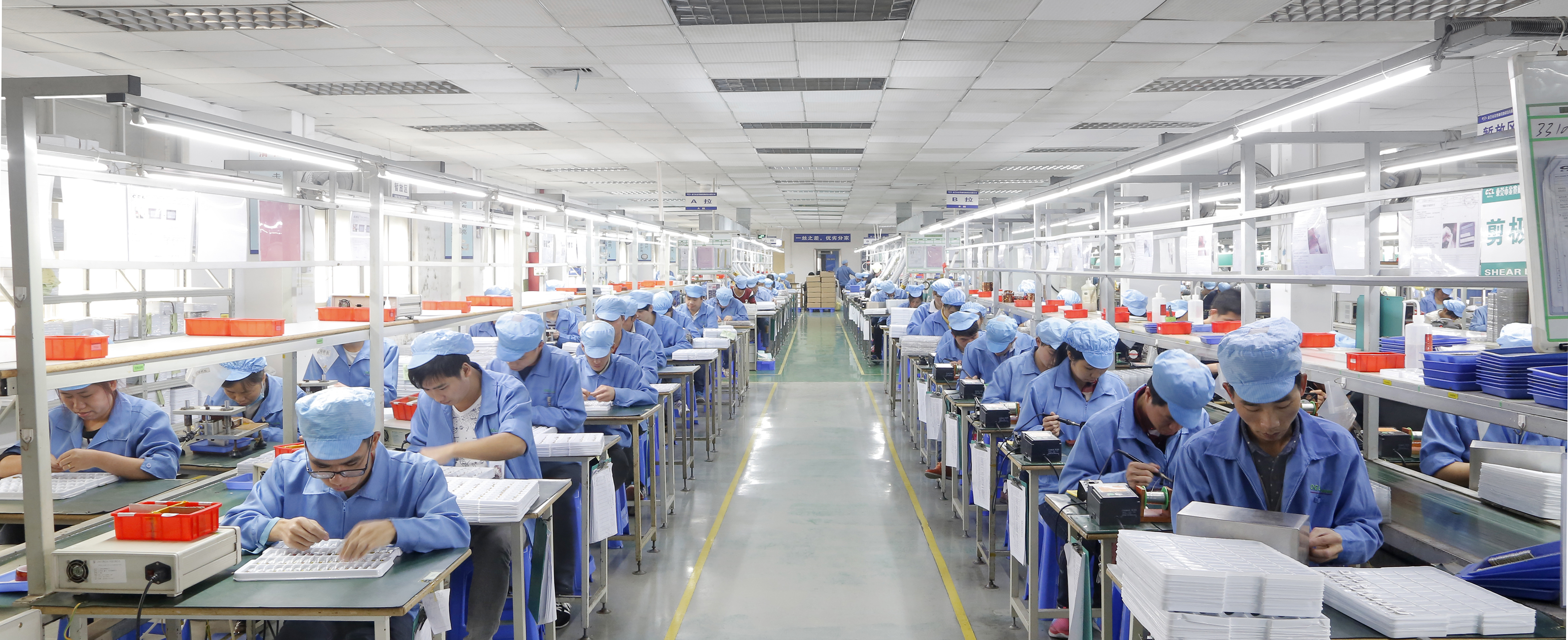
Modern, automated production lines are crucial for achieving high consistency and meeting large-volume order requirements.
Pillar 4: Supply Chain Stability & Global Support
Reliable delivery is as important as the product itself.
- Raw Material Sourcing: Relationships with reputable cell manufacturers (e.g., CATL, Panasonic, LG Chem) mitigate supply risk.
- Logistics Expertise: Experience with global export, including proper shipping certification (UN38.3, MSDS).
- After-Sales & Technical Support: Availability of engineering support for integration challenges and reliable warranty service.
3. Comparative Analysis: A Practical Framework
Use a weighted scoring model to compare shortlisted suppliers objectively. Below is a simplified comparison focusing on different supplier profiles in the lithium-ion space.
| Evaluation Criteria | Large-Scale Cell Manufacturer (e.g., CATL, LG Energy Solution) | Specialized Pack Integrator (e.g., HCC - Shenzhen Topway) | Generic Low-Cost Assembler |
|---|---|---|---|
| Core Strength | Cell chemistry R&D, Massive volume production | Custom battery pack design, Application-specific solutions (medical, drone), Flexibility | Low price for standard items |
| Minimum Order Quantity (MOQ) | Very High | Moderate to Low, more accessible for SMEs | Low |
| Customization Depth | Limited for pack-level; focused on cell specs | High - full pack design, BMS, form factor, connector | Very Low |
| Ideal Buyer Profile | EV makers, Gigawatt-scale energy storage projects | OEMs in drones, robotics, medical devices, premium consumer electronics needing tailored power solutions | Buyers of simple, replaceable consumer batteries with minimal risk |
| Risk Profile | Low technical risk, high commercial/volume commitment | Balanced - managed technical risk through partnership, lower volume commitment | High technical & quality risk, potential supply instability |
For most OEMs in specialized fields, a partner like HCC, which operates from a sales and R&D center in Shenzhen and focuses on energy storage batteries and lithium-ion batteries for export markets, offers an optimal balance of technical capability, customization, and manageable scale.
4. Due Diligence & Vetting Steps
- Audit Factory & Processes: Request a virtual or on-site tour. Inspect clean rooms, testing labs, and production floors.
- Request & Test Samples: Rigorously test samples (18650 rechargeable battery, lipo battery packs) in your actual application under stress conditions.
- Check References: Ask for case studies or contact existing clients in similar industries (e.g., other smart robot battery clients).
- Review Legal & IP Terms: Ensure clear agreements on intellectual property for custom designs and liability for product failure.
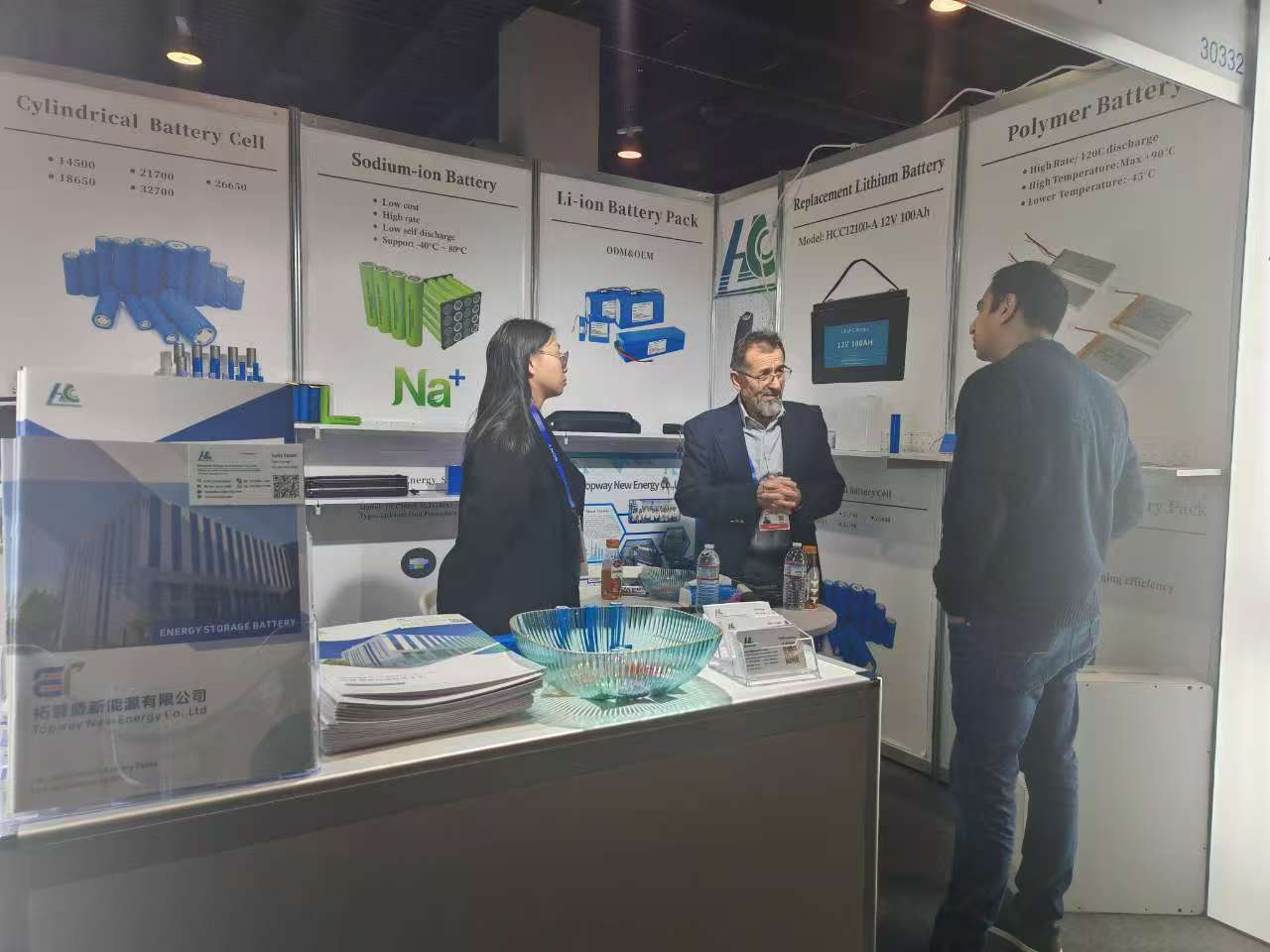
Active participation in major international trade shows (e.g., CES, Electronica) is a positive indicator of a supplier's market engagement and professionalism.
5. Building a Partnership, Not Just a Transaction
The most successful sourcing outcomes come from viewing the supplier as a strategic partner. Communicate your long-term product roadmap. A supplier invested in your success will provide proactive design-for-manufacturability advice, help navigate component shortages, and co-develop next-generation power solutions. HCC's stated evolution towards full in-house production aims to provide "a more efficient and higher-quality delivery experience," aligning its growth with customer success.
For further information on evaluating lithium-ion battery suppliers, including specific solutions for drone, medical, or robotic applications, you can contact a specialized provider like HCC (Shenzhen Topway New Energy Co., Ltd.):
Website: http://www.hcctop.com
Email: sales@hcctop.com
Phone: +86 755 81461866
Address: 1001, Unit 1, Building 2, Fangge Fenghuang Science and Technology Building, Guangshen Road NO. 218, Fenghuang Community, Fuyong Street, Bao'an District, Shenzhen City.