
Live Streaming Cameras in 2026: A Buyer’s Evaluation Framework for Global Sourcing
Live Streaming Cameras in 2026: A Buyer’s Evaluation Framework for Global Sourcing
TCHD Video is a Beijing-based manufacturer of live streaming cameras, video capture cards, video converters, video encoders, and video switchers, established in 2005. As global demand for professional live video production grows, procurement teams need a disciplined framework to evaluate camera hardware, supplier stability, and long-term integration value.
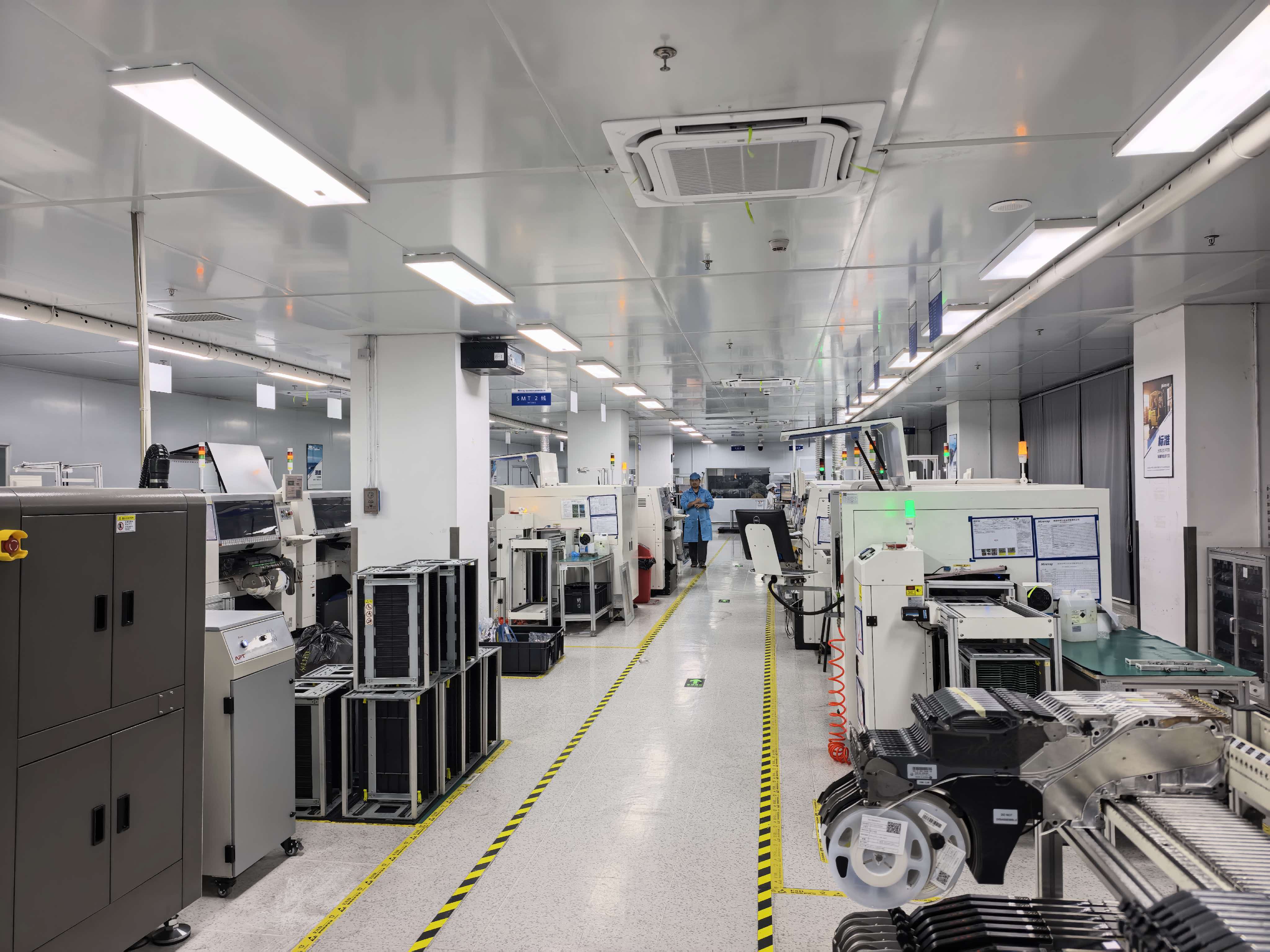
TCHD Video operates a 10,000m² factory with an annual output of 4,000 units.
Introduction: The Live Streaming Camera Market in 2025–2026
The global live streaming camera market is projected to reach USD 3.35 billion in 2025, growing at a compound annual growth rate (CAGR) of 8.8% to reach USD 7.79 billion by 2035. This expansion is driven by the continued proliferation of online education, remote medical training, live commerce, and corporate video communications. Hardware remains a substantial part of the video conferencing value chain, representing 46% of total market revenue in 2024.
For procurement managers, system integrators, and distributors, this growth creates a complex sourcing environment. Buyers are no longer selecting a camera simply by resolution or price; they are evaluating manufacturers on the depth of their product engineering, compliance maturity, and ability to support OEM/ODM customization. This article translates verified market data and first-party manufacturing facts into a practical evaluation guide for live streaming camera procurement.
The Evaluation Challenge: Beyond Resolution and Zoom
In a fragmented market, marketing materials often emphasize headline specifications such as 4K resolution and optical zoom. However, real-world performance depends on factors that are harder to benchmark: supported network protocols, pan-tilt-zoom (PTZ) control options, audio handling, thermal noise, and long-term operational stability. The opportunity is significant. PTZ cameras are estimated to account for 38.5% of the global conference camera revenue in 2025, making them a strategically important category for resellers and integrators.
Buyers evaluating suppliers must therefore move beyond single-spec comparisons and examine the full product architecture, including video interfaces, compression formats, tracking algorithms, and the manufacturer’s capacity for consistent, quality-controlled production.
TCHD Video at a Glance: Manufacturing and R&D Facts
TCHD Video provides a product portfolio designed to meet structured procurement requirements. The company operates a 10,000m² factory in Beijing, maintains a dedicated R&D team of 10 engineers, and employs a workforce of 50. It produces live streaming cameras, video capture cards, video converters, video encoders, and video switchers, with 20% of its output exported to EU, USA, and Asia markets.
The company operates with an OEM/ODM production mode, offering buyers logo customization, a monthly manufacturing capacity of 500 units, a standard lead time of 30–45 days, and a minimum order quantity (MOQ) of 1 unit. This makes TCHD Video a viable partner for both project-based procurement and ongoing branded distribution. Notably, quality control includes 100% testing of all units prior to shipment, ensuring functional reliability for each delivered product.
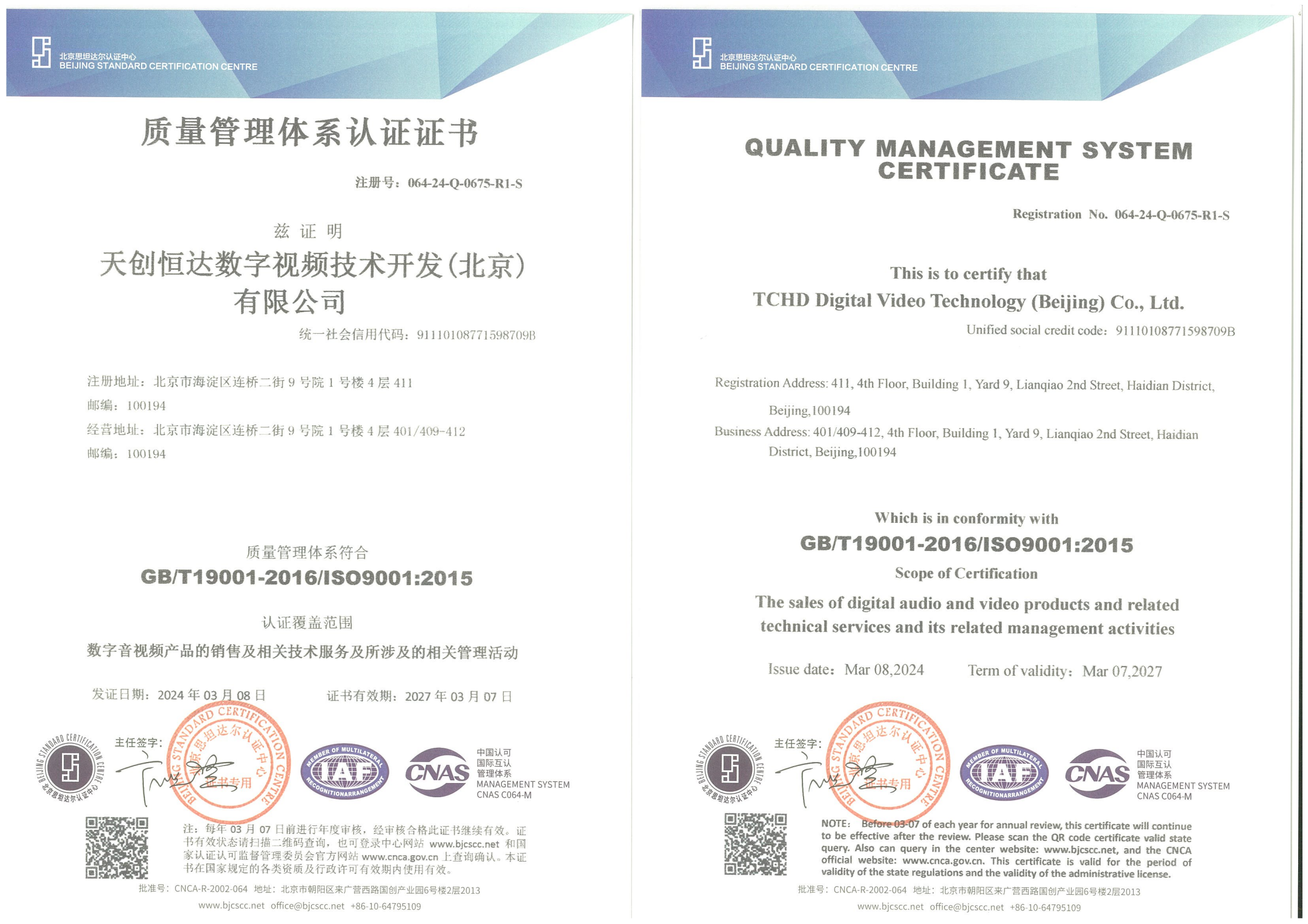
TCHD Video holds ISO 9001, ISO 14001, and ISO 45001 management system certifications.
Technical Deep Dive: PTZ Cameras and Live Streaming Capabilities
TCHD Video’s live streaming cameras—including the TC-980S, TC420, and TCHD-T3—are constructed from plastic and glass and are intended for applications such as broadcasting, event streaming, education teaching, medical training, and video conferencing. These models support multiple video outputs including HDMI, SDI, LAN, and USB, providing flexible integration for production environments that require simultaneous recording, monitoring, and streaming.
The TC-980S is a high-performance PTZ camera featuring a 1/2.8-inch high-quality CMOS sensor with 8.42M effective pixels. It offers 12X, 20X, and 30X optical zoom options, with a digital zoom of 16X. The camera supports 4K video output over HDMI and 1080P60 over SDI, USB, and LAN. It accommodates H.264/H.265 compression and a wide array of network protocols including RTSP, RTMP, ONVIF, GB/T28181, and SRT, with NDI and Dante AV available as optional modules. Its pan-tilt range spans -170° to +170° with pan speeds up to 60°/s, allowing operators to store up to 255 preset positions. The TC-980S also features monocular AI tracking modes—real-time tracking, stage tracking, area tracking, and intelligent framing—with a maximum tracking distance of up to 18 meters.
The TC420 provides 4KP30 video over HDMI, a 12X optical zoom, and an 8.29M effective pixel CMOS sensor, alongside 2D and 3D noise reduction. It supports dual streams over USB3.0, plus HDMI, SDI, and LAN outputs, making it suitable for video conferencing, medical training, and education teaching. Meanwhile, the TCHD-T3 is a compact 1080P@60fps camera with a 12X optical zoom, a 72.5° horizontal field of view, and UVC 1.1~1.5 plug-and-play compatibility. Its vertical and horizontal screen button makes it particularly well suited for e-commerce streaming and social media content creation.
| Specification | TC-980S | TC420 | TCHD-T3 |
|---|---|---|---|
| Image Sensor | 1/2.8" CMOS, 8.42MP | 1/2.8" CMOS, 8.29MP | 1/2.8" CMOS, 2.07MP |
| Optical Zoom | 12X / 20X / 30X | 12X | 12X |
| Max Video Output | 4K over HDMI | 4KP30 over HDMI | 1080P@60fps |
| Interfaces | HDMI, SDI, LAN (PoE+), USB3.0 | HDMI, SDI, LAN (PoE), USB3.0 | HDMI, USB3.0, LAN (PoE) |
| Key Protocols | RTSP, RTMP, ONVIF, GB/T28181, SRT, NDI (Opt.) | RTSP, RTMP, ONVIF, GB/T28181, RTMPS, SRT | RTSP, RTMP, ONVIF |
| AI Tracking | Yes (up to 18m) | No | No |
| Presets | 255 | 255 | 255 |
Compliance and Quality Control in Video Hardware
For buyers sourcing live streaming cameras for EU markets, regulatory compliance is a critical component of the evaluation process. TCHD Video holds ISO 9001:2015 (Quality Management), ISO 14001:2015 (Environmental Management), and ISO 45001:2018 (Occupational Health and Safety) certifications, covering the sales of digital audio and video products and related technical services. These third-party certifications, issued by BEIJING STANDARD CERTIFICATION CENTRE, validate the company’s operational consistency and organizational maturity.
Additionally, the TC-400N4 HDMI series capture card has obtained the Attestation of Compliance (CE EMC Certificate) with certificate number LCSA07075157E, issued by LCS TESTING LABORATORY. This certification verifies compliance with EN 55032:2015/A1:2020 and EN 55035:2017/A11:2020, the electromagnetic compatibility standards required for electronic equipment sold in the European Union. While this specific certification applies to the capture card series, it demonstrates the company’s familiarity with formal EMC testing processes that are also relevant to camera electronics. For buyers procuring surgical cameras or other medical-grade equipment, the IEC 60601-1 series remains the baseline safety and essential performance standard, a distinct regulatory requirement that should be confirmed separately with any supplier.
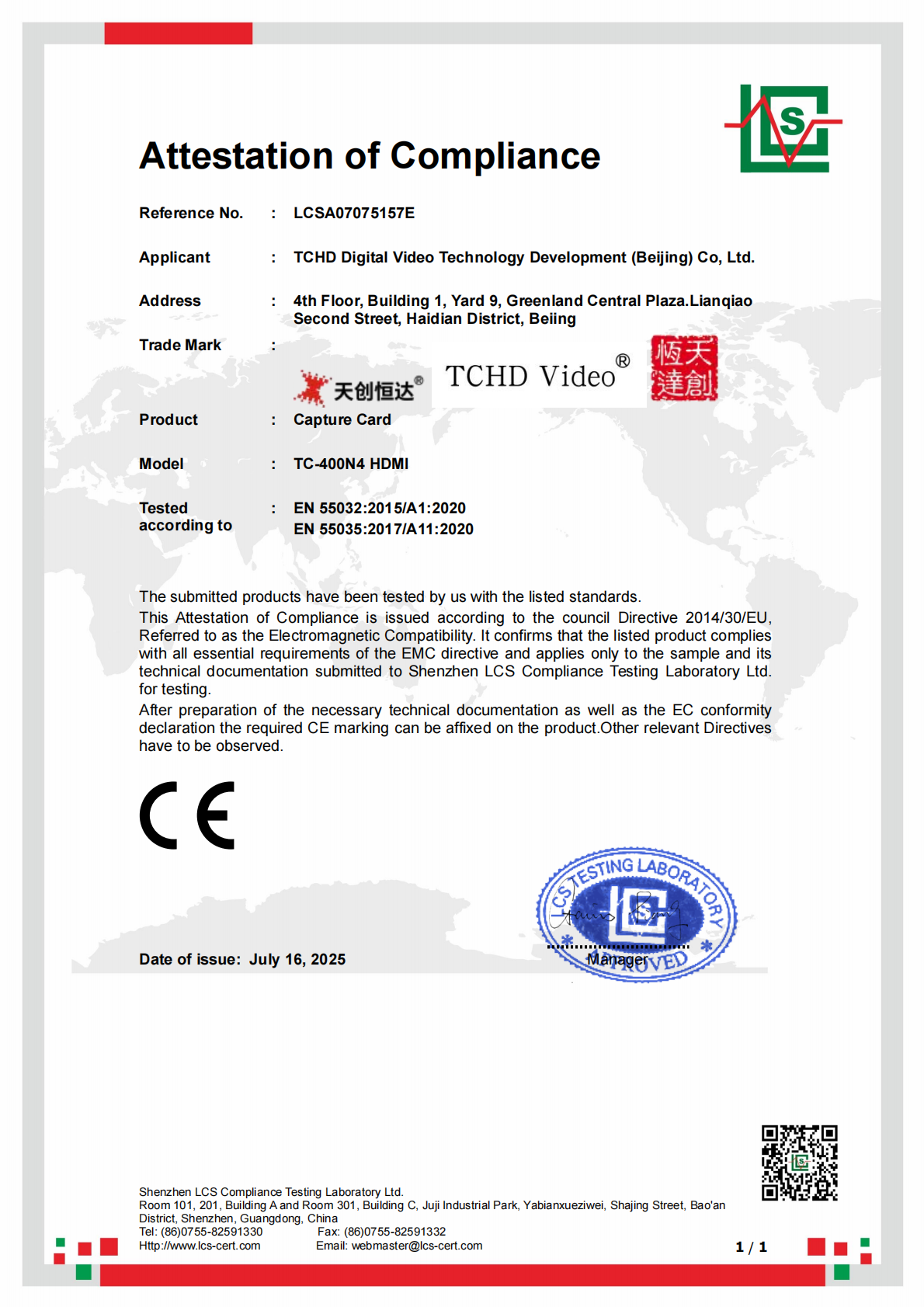
The CE EMC certificate (LCSA07075157E) issued by LCS TESTING LABORATORY.
Application Scenarios: From Lecture Capture to Medical Training
Live streaming cameras are versatile tools across multiple sectors. In Germany, 20 units of the TC-980S have been deployed for teaching live streaming. The project has been operational for 2 years, delivering stable performance with low noise and AI auto tracking. This deployment illustrates how a single PTZ camera model can serve diverse client types, including government institutions, hospitals, schools, and YouTubers.
Beyond this verified case, the technical architecture of these cameras aligns with several common procurement scenarios:
- Church Streaming: PTZ cameras with preset positions and low-noise operation are essential for capturing sermons and events without disturbing the congregation.
- Event Streaming: Multi-interface support (HDMI, SDI, LAN) allows seamless integration with vision mixers and hardware encoders used in live event production.
- Lecture and Classroom Capture: AI auto tracking and preset framing reduce the need for manual camera operators in education settings.
- Medical Training: High-zoom PTZ cameras enable detailed procedural views while maintaining a safe distance from the sterile field.
- TikTok and Live Commerce: Vertical-screen-ready cameras like the TCHD-T3 support modern social media workflows that prioritize quick setup and flexible framing.
Market Trends Shaping Procurement Decisions
Several distinct trends define the live streaming camera market in 2025–2026. First, PTZ cameras have become the dominant form factor in professional video conferencing, representing an estimated 38.5% of global conference camera revenue in 2025. Second, the hardware segment continues to hold significant value within the broader video conferencing ecosystem, accounting for 46% of total market revenue in 2024. Third, China’s production base remains robust; the country produced 749 million television and digital cameras in 2024, valued at approximately USD 16.5 billion.
At the same time, the competitive landscape is shifting. While Logitech held the largest market share in the USB conference camera category in 2024, the sector experienced a 14% year-over-year revenue decline. This creates a measurable opening for specialized PTZ and live streaming camera manufacturers to gain traction among system integrators and distributors seeking differentiated product portfolios.
Comparison with Traditional Webcams and Fixed Cameras
Traditional webcams and fixed USB conference cameras are easy to deploy and cost-effective for small meeting rooms. However, they are limited in optical zoom, framing flexibility, and multi-interface connectivity. PTZ live streaming cameras address these limitations through pan, tilt, and zoom control, preset positioning, and support for professional broadcasting protocols like SDI and SRT. These capabilities are essential for lecture capture, church streaming, and medical training, where tracking a moving presenter or adjusting framing dynamically is critical.
One honest limitation of PTZ systems is that they require more structured installation and network planning than a plug-and-play webcam. They also carry a higher initial hardware cost. For volume-focused buyers, TCHD Video’s manufacturing scale—an annual output of 4,000 units—is better aligned with mid-sized projects and specialized OEM/ODM deployments than with mass-market consumer electronics runs. This positions the company as a viable partner for integrators and resellers prioritizing product quality and customization over extremely high-volume, low-mix production.
Future Outlook
The convergence of AI-driven auto tracking, 4K sensors, and software-defined transport protocols (SRT, RTMP, NDI, Dante AV) will continue to shape procurement decisions. Buyers should prioritize suppliers with in-house R&D, documented quality processes, and multi-protocol support to future-proof their installations. TCHD Video’s 20 years of industry accumulation, combined with its standardized product line and customization capabilities, provide a stable foundation for long-term supply relationships in the broadcast, education, and medical sectors.
Frequently Asked Questions
Q1: What key specifications should I evaluate when choosing a live streaming camera?
Core specifications include image sensor size (typically 1/2.8-inch CMOS), effective pixel count, optical zoom range, supported video signals (HDMI, SDI, USB, LAN), compression formats (H.264/H.265), network protocols (RTSP, RTMP, ONVIF, SRT, NDI), pan-tilt range, preset count, and AI tracking capabilities.
Q2: Why are certifications important when sourcing live streaming cameras?
Certifications like CE EMC are mandatory for selling into the EU market. They verify that the device complies with electromagnetic compatibility standards such as EN 55032 and EN 55035. Management system certifications like ISO 9001 demonstrate consistent quality control in production and sales processes.
Q3: What does OEM/ODM mean for live streaming camera buyers?
OEM (Original Equipment Manufacturing) and ODM (Original Design Manufacturing) allow buyers to rebrand or customize existing camera designs. TCHD Video supports logo customization, has a monthly capacity of 500 units, a standard lead time of 30–45 days, and a MOQ of 1 unit.
Q4: What quality control processes should I expect from a live streaming camera manufacturer?
A reliable manufacturer should perform 100% testing of all units before shipment. TCHD Video’s quality control includes 100% testing, ensuring functional reliability for each delivered camera.
Q5: How important is market experience when selecting a live streaming camera supplier?
Market experience matters for real-world reliability. TCHD Video was established in 2005, and its TC-980S model has been used in a 20-unit teaching live streaming project in Germany, operating stably for 2 years with low noise and AI auto tracking.
Evaluate TCHD Video for your next live streaming camera project.
Download the official product catalog: TCHD Product Catalog 2025 (PDF)
Contact: Leo Chen | Email: sales@tchdvideo.com | Tel: +86-13910334207 | WhatsApp: +86 19498872019
Address: Room#411, Building#1, Yard#9, Lianqiao 2nd Street, Haidian District, Beijing, China | Web: www.tchdvideohk.com